
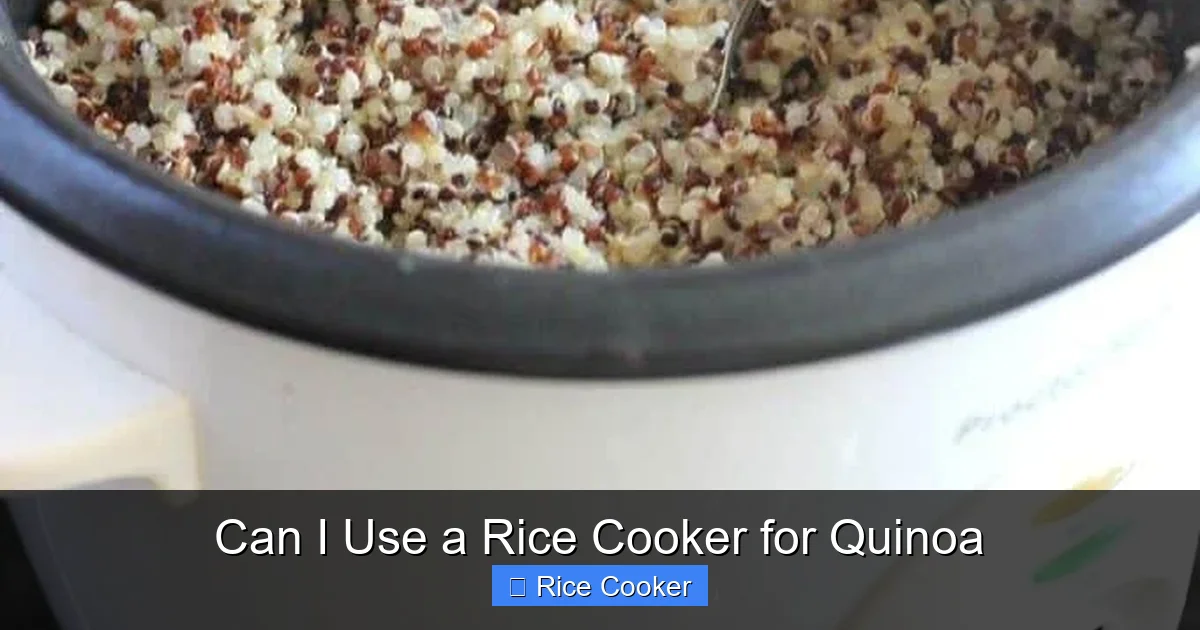
You can definitely use a rice cooker for quinoa—it’s one of the easiest and most reliable ways to cook this superfood perfectly every time. A rice cooker handles the precise water-to-ratio and timing needed to produce light, fluffy grains without overcooking or mushy results. Whether you’re meal prepping or whipping up a quick side dish, your rice cooker is a trusted ally in the kitchen.
Key Takeaways
- Rice cookers are ideal for quinoa: They provide consistent heat and automatic shut-off, ensuring perfectly cooked quinoa every time.
- Use the right ratio: A general guideline is 1 part quinoa to 2 parts water or broth, similar to rice.
- Pre-rinsing is essential: Rinsing removes the bitter saponin coating, leading to better taste and texture.
- Flavor enhancement: Add herbs, spices, or broth instead of plain water to boost flavor during cooking.
- Cleaning and maintenance: Always clean the inner pot and lid after use to maintain performance and longevity.
- Not all rice cookers are equal: High-end models with fuzzy logic offer better control for varied grain types like quinoa.
- Quinoa expands significantly: Leave room in the pot to avoid overflow when cooking.
📑 Table of Contents
- Can I Use a Rice Cooker for Quinoa? The Ultimate Guide
- Why Use a Rice Cooker for Quinoa?
- How to Cook Quinoa in a Rice Cooker: Step-by-Step
- Tips for the Best Results
- Common Mistakes to Avoid
- Beyond Basic Quinoa: Creative Recipes
- Cleaning and Maintaining Your Rice Cooker
- Are There Any Downsides to Using a Rice Cooker for Quinoa?
- Frequently Asked Questions
Can I Use a Rice Cooker for Quinoa? The Ultimate Guide
If you’ve ever stood over the stove, stirring a pot of quinoa, hoping it doesn’t stick or burn, you’re not alone. Cooking quinoa on the stovetop requires attention and timing—something we often forget in our busy lives. That’s where the humble rice cooker comes in. With just a few simple steps, you can achieve perfectly cooked, fluffy quinoa every single time. In this guide, we’ll explore everything you need to know about using a rice cooker for quinoa, from preparation to cleanup, and even flavor hacks to make your meals stand out.
Quinoa has become a pantry staple for good reason: it’s packed with protein, fiber, and essential amino acids. But its unique texture and slight bitterness (due to natural saponins) can be tricky to master. Enter the rice cooker—your new best friend in the kitchen. These appliances are designed to automate the cooking process, removing guesswork and ensuring consistent results. Whether you’re a seasoned cook or just starting out, learning how to use a rice cooker for quinoa opens up a world of convenience and culinary possibilities.
Why Use a Rice Cooker for Quinoa?
Before diving into the “how,” let’s talk about the “why.” Why should you consider using a rice cooker for quinoa instead of traditional methods?
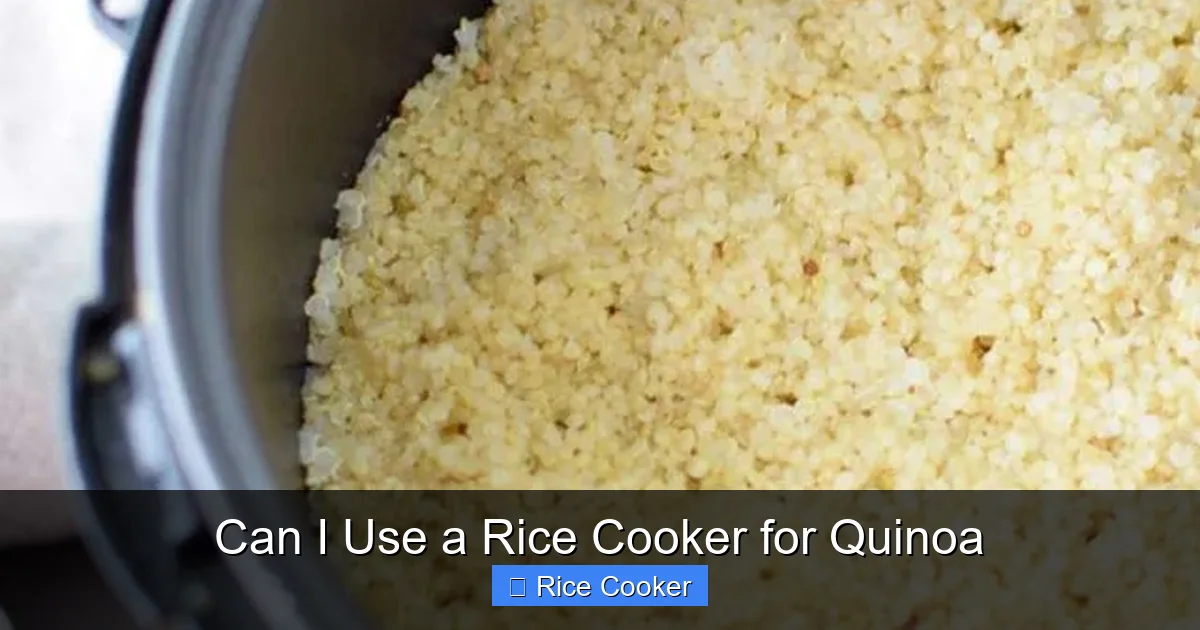
Visual guide about Can I Use a Rice Cooker for Quinoa
Image source: wendypolisi.com
The Science Behind Perfect Cooking
Quinoa needs to be cooked at a steady, moderate temperature with the right amount of moisture. Too much heat can cause it to dry out or stick; too little, and it remains undercooked. Rice cookers excel here because they maintain a consistent internal temperature and automatically switch to “warm” mode once the water is absorbed. This prevents overcooking and ensures each grain is tender yet separate.
Convenience and Time-Saving
One of the biggest advantages of using a rice cooker for quinoa is convenience. Simply rinse, add liquid, press a button, and walk away. No stirring required. This makes it perfect for meal prep, dorm living, or anyone who wants to multitask in the kitchen.
Consistency Every Time
Stovetop cooking can vary depending on the heat source, altitude, or even the time of day. A rice cooker takes all that variability out of the equation. It follows a preset cycle, so your quinoa turns out the same way—fluffy, golden, and delicious—every single time.
Safety First
Leaving a pot on the stove unattended can be risky, especially if you’re distracted. Rice cookers reduce the chance of burning or drying out because they monitor the cooking process and shut off automatically. This is especially helpful if you’re cooking quinoa while preparing other dishes.
How to Cook Quinoa in a Rice Cooker: Step-by-Step
Ready to try it yourself? Here’s a foolproof method for cooking quinoa in a rice cooker.
Step 1: Rinse the Quinoa Thoroughly
This step is crucial. Quinoa has a natural coating called saponin, which gives it a bitter taste if not removed. To rinse:
- Place 1 cup of quinoa in a fine-mesh strainer.
- Rinse under cold running water for at least 30 seconds, agitating gently with your fingers.
- Continue until the water runs clear.
Pro tip: Some people skip rinsing if they buy pre-washed quinoa, but it’s still recommended for the best flavor.
Step 2: Measure the Right Ratio
The standard ratio for quinoa is 1 part quinoa to 2 parts liquid. For example:
- 1 cup quinoa + 2 cups water or broth
- For a creamier texture, try 2.5 cups liquid per cup of quinoa.
Note: Quinoa expands significantly as it cooks—about 3 times its original volume. Make sure your rice cooker pot has enough room to prevent overflow.
Step 3: Add Flavor Enhancements (Optional)
Plain water works fine, but for extra flavor, consider:
- A pinch of salt
- 1 tablespoon of olive oil or butter
- Herbs like thyme, rosemary, or cilantro
- Vegetable or chicken broth instead of water
These additions infuse the quinoa with subtle flavors that elevate your dish.
Step 4: Add Ingredients to the Rice Cooker
Transfer the rinsed quinoa and liquid to the inner pot of your rice cooker. Stir gently to combine. Avoid compacting the grains—just a light mix is enough.
Step 5: Start the Cooking Cycle
Close the lid and select the appropriate setting. Most rice cookers have a “White Rice” or “Grain” setting. If yours has a specific “Quinoa” option, use that—but many standard models work just fine with the default setting.
Step 6: Let It Rest
Once the cooking cycle ends, let the quinoa sit, covered, for 5–10 minutes. This allows the grains to absorb any remaining moisture and fluff up naturally. Then, gently fluff with a fork before serving.
Tips for the Best Results
Even with the right steps, small details can make a big difference. Here are some expert tips to ensure your quinoa turns out perfect every time.
Use a High-Quality Rice Cooker
Not all rice cookers are created equal. Look for models with:
- Fuzzy logic technology (for better temperature control)
- A non-stick inner pot
- A large capacity if you cook in bulk
- A keep-warm function (standard on most modern units)
Top brands like Zojirushi, Cuckoo, and Instant Pot offer excellent options specifically designed for grains like quinoa.
Avoid Overfilling
As mentioned earlier, quinoa swells significantly. Never fill the pot beyond two-thirds full. Overflow can damage your appliance and create a mess.
Experiment with Flavors
Try different liquids and seasonings to customize your quinoa:
- Coconut milk for a tropical twist
- Tomato juice for a savory base
- Beef or vegetable stock for depth
- Spices like cumin, turmeric, or smoked paprika
Store Leftovers Properly
Cooked quinoa keeps well in the fridge for up to 5 days. Store it in an airtight container and reheat with a splash of water or broth to restore moisture.
Common Mistakes to Avoid
Even experienced cooks can run into issues when making quinoa in a rice cooker. Here are some common pitfalls and how to fix them.
Mistake 1: Not Rinsing the Quinoa
Skipping this step leaves behind bitterness. Always rinse thoroughly unless labeled “pre-washed.”
Mistake 2: Using the Wrong Liquid Ratio
Too little liquid = dry, chalky quinoa. Too much = mushy. Stick to 2:1 or adjust slightly based on your cooker’s performance.
Mistake 3: Opening the Lid During Cooking
Opening the lid releases steam and disrupts the cooking process. Wait until the cycle completes.
Mistake 4: Not Fluffing After Cooking
Even though the rice cooker does the heavy lifting, fluffing with a fork separates the grains and improves texture.
Mistake 5: Using Old or Damaged Grains
Check the expiration date on your quinoa. Old grains can affect taste and texture.
Beyond Basic Quinoa: Creative Recipes
Once you’ve mastered basic quinoa, the possibilities are endless. Here are a few recipe ideas to inspire you.
Quinoa Pilaf with Herbs and Lemon
Combine cooked quinoa with sautéed onions, garlic, fresh parsley, and lemon zest. Drizzle with olive oil and a squeeze of lemon juice for a bright, Mediterranean-style side dish.
Spicy Southwest Quinoa Bowl
Cook quinoa in vegetable broth with cumin, chili powder, and a diced jalapeño. Top with black beans, corn, avocado, and a dollop of Greek yogurt.
Sweet Quinoa Porridge
Make a warm breakfast by cooking quinoa in unsweetened almond milk with cinnamon, maple syrup, and sliced banana. Top with nuts or seeds.
Quinoa Salad with Roasted Vegetables
Mix cooked quinoa with roasted sweet potatoes, bell peppers, and feta cheese. Dress with balsamic vinaigrette for a hearty, satisfying meal.
Cleaning and Maintaining Your Rice Cooker
To keep your rice cooker performing well and extend its life, proper cleaning is essential.
After Each Use
Let the inner pot cool before washing. Use warm, soapy water and a soft sponge. Avoid abrasive scrubbers that can damage the non-stick coating.
Remove Stubborn Residue
If cooked-on food remains, soak the pot in warm water with a bit of baking soda for 15–20 minutes before scrubbing.
Wipe the Exterior
Dampen a cloth with mild detergent and wipe the outside. Never submerge the main unit in water.
Check the Vent and Lid Seal
Ensure the steam vent isn’t blocked and the lid seal is intact. Replace worn gaskets if necessary.
Are There Any Downsides to Using a Rice Cooker for Quinoa?
While rice cookers are fantastic for quinoa, there are a few limitations to consider.
Limited Customization
Unlike stovetop cooking, you can’t easily adjust heat mid-cycle. If you prefer more control over texture, stovetop might be better.
Capacity Limits
Smaller rice cookers may not handle large batches well. Plan accordingly if cooking for a crowd.
No Browning Option
Most rice cookers don’t allow browning ingredients, so you miss out on the Maillard reaction that adds depth to savory dishes.
Despite these minor drawbacks, the benefits of convenience, consistency, and ease far outweigh them for most home cooks.
Frequently Asked Questions
Can I use a rice cooker for other grains besides quinoa?
Absolutely! Rice cookers work great for brown rice, barley, millet, farro, and even oats. Just adjust the liquid ratio slightly—many grains require more water than white rice.
How long does it take to cook quinoa in a rice cooker?
Most rice cookers take about 15–20 minutes to cook quinoa. Exact time depends on the model and settings, but the appliance usually switches to “warm” mode automatically.
Can I cook quinoa in a pressure cooker instead?
Yes, but it requires different timing. In a pressure cooker, cook quinoa on high pressure for 1 minute, then natural release for 10 minutes. Be careful not to overcook, as pressure cookers can make quinoa too soft.
Do I need to toast quinoa before cooking it in a rice cooker?
No, toasting is optional and typically done on the stovetop to enhance flavor. Rice cookers don’t support browning, so skipping this step won’t affect texture—just notarize the flavor.
What if my quinoa is still hard after cooking?
This usually means insufficient liquid or cooking time. Try adding more water (up to 2.5 cups per cup of quinoa) and cooking longer, or soak the quinoa overnight to soften the grains.
Can I freeze cooked quinoa?
Yes! Portion it into freezer-safe containers and store for up to 3 months. Thaw in the fridge and reheat with a bit of water or broth.
Frequently Asked Questions
Can I use a rice cooker for other grains besides quinoa?
Yes, rice cookers are versatile and work well with brown rice, barley, millet, farro, and oats. Adjust the water ratio slightly—most alternative grains need more liquid than white rice.
How long does it take to cook quinoa in a rice cooker?
Most rice cookers cook quinoa in about 15–20 minutes. The appliance will automatically switch to “keep warm” mode once done. Exact timing may vary by model.
Can I cook quinoa in a pressure cooker instead?
Yes, but it requires different settings. Cook quinoa on high pressure for 1 minute, then do a natural release for 10 minutes. Monitor closely to avoid overcooking.
Do I need to toast quinoa before cooking it in a rice cooker?
No, toasting is optional and usually done on the stovetop to deepen flavor. Since rice cookers don’t allow browning, you can skip this step without affecting texture.
What if my quinoa is still hard after cooking?
Hard quinoa usually means insufficient liquid or cooking time. Try increasing the water ratio to 2.5 cups per cup of quinoa, or soak the grains overnight before cooking.
Can I freeze cooked quinoa?
Yes! Portion cooled quinoa into freezer containers and store for up to 3 months. Reheat with a splash of water or broth to restore moisture.