
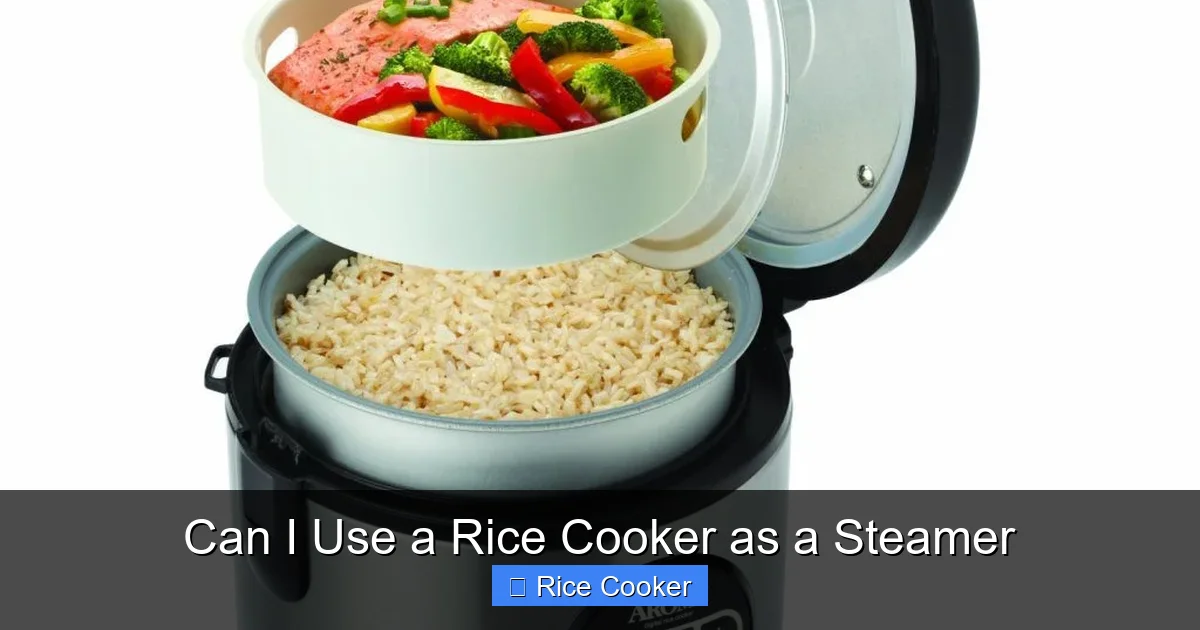
Can I use a rice cooker as a steamer? Absolutely — many modern rice cookers are designed with steaming functions, but even older models can be repurposed with simple modifications. With the right setup, you can steam vegetables, fish, dumplings, and more, saving time and kitchen space.
Key Takeaways
- Rice cookers often have built-in steaming trays: Many models come with a separate tray that fits inside the cooking pot, allowing you to steam food without mixing it with water or grains.
- You can improvise a steamer with common kitchen items: Use bamboo steamers, colanders, or microwave-safe containers lined with cheesecloth if your rice cooker lacks a steaming tray.
- Steaming preserves nutrients and flavor: Unlike boiling, steaming keeps vitamins and minerals intact, making it a healthier cooking method.
- Timing matters: Different foods require different steaming times — vegetables need less than fish or meat.
- Not all rice cookers support high heat: Check your model’s specifications to ensure it can handle prolonged steaming without overheating.
- Cleaning is easier with removable parts: Many steaming accessories are dishwasher-safe, simplifying post-cooking cleanup.
📑 Table of Contents
- Can I Use a Rice Cooker as a Steamer? The Ultimate Guide to Multi-Functional Cooking
- Understanding Your Rice Cooker’s Steaming Capabilities
- Setting Up Your Rice Cooker for Steaming
- What Can You Steam in a Rice Cooker?
- Tips for Perfect Steaming in a Rice Cooker
- Are There Any Downsides to Using a Rice Cooker as a Steamer?
- Comparing Rice Cooker Steaming vs. Other Methods
- Maintenance and Cleaning Tips
- Conclusion: Why Your Rice Cooker Should Be Your Next Steamer
Can I Use a Rice Cooker as a Steamer? The Ultimate Guide to Multi-Functional Cooking
Imagine this: You’re standing in your kitchen, trying to figure out dinner. You’ve got fresh broccoli, some shrimp, and a package of dumplings from the freezer. But your stove is already full, and you don’t want to dirty another pot or pan. Then it hits you — your trusty rice cooker. That compact, always-ready appliance sitting on your counter could be doing so much more than just making rice.
That’s where the magic happens. Can you use a rice cooker as a steamer? The short answer is yes, and in many cases, it’s one of the most efficient and convenient ways to prepare healthy meals at home. Whether you’re a busy parent, a college student, or someone who loves quick, nutritious dinners, learning how to steam food in a rice cooker opens up a world of possibilities. From tender green beans to flaky fish, steaming in a rice cooker is not only easy but also helps preserve the natural taste and texture of your ingredients.
In this article, we’ll walk you through everything you need to know about using a rice cooker as a steamer — from understanding which models support steaming, to setting up your own improvised steamer, and even sharing pro tips for getting the best results every time. So grab your favorite rice cooker, and let’s dive in!
Understanding Your Rice Cooker’s Steaming Capabilities
Do All Rice Cookers Have Steaming Functions?
Not every rice cooker comes with a built-in steaming tray, but many do — especially newer models and those marketed as multi-cookers. These machines are designed with a second tier or tray that fits snugly above the main cooking basin. When placed inside, the tray allows steam to circulate around your food without submerging it in water.
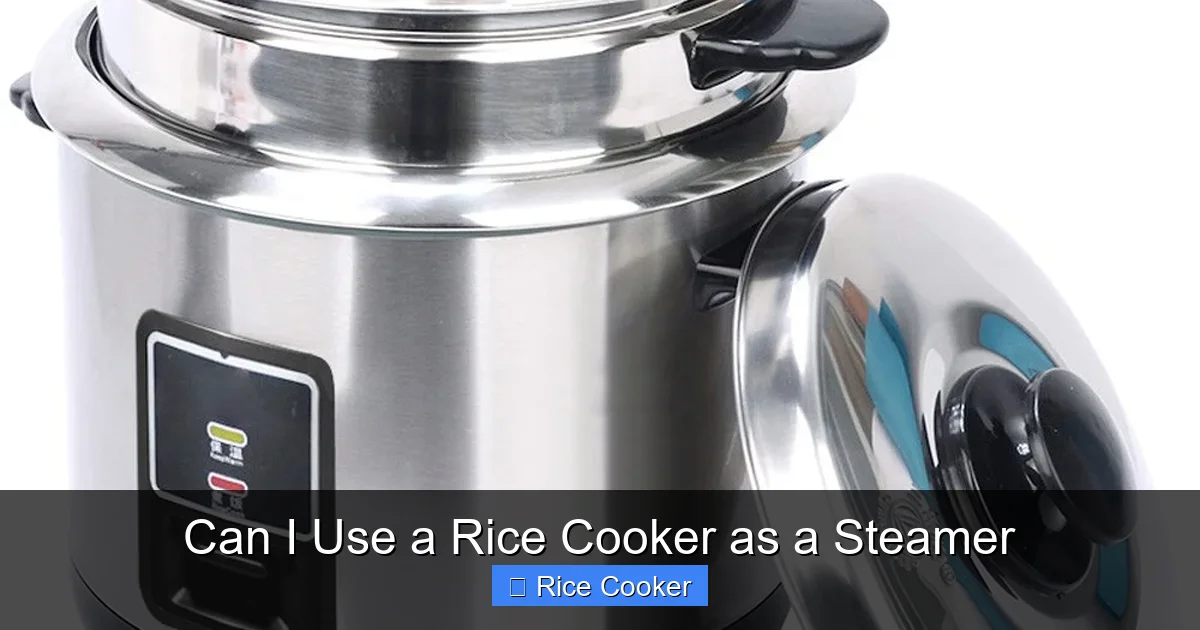
Visual guide about Can I Use a Rice Cooker as a Steamer
Image source: images.nexusapp.co
If your rice cooker doesn’t have this feature, don’t panic. There are several creative ways to turn it into a steamer. The key is understanding how steam works: you need a source of heat (the heating plate), water to produce steam (in the bottom pot), and a way to elevate your food above the water level.
How Steam Circulation Works in a Rice Cooker
When you add water to the inner pot and place your food in the steamer basket, the water heats up and turns into steam. This steam rises and surrounds the food, cooking it gently through moist heat. Because the steamer basket sits above the water, your food stays dry and doesn’t absorb excess moisture — just like traditional steaming methods.
This process is similar to using a stovetop steamer or a microwave steamer, but with one major advantage: you don’t need to monitor it constantly. Once you set it up, the rice cooker does the rest, automatically switching off when the cycle completes. This makes it perfect for hands-off cooking, especially when multitasking or preparing multiple dishes.
Setting Up Your Rice Cooker for Steaming
Using the Built-In Steamer Tray
If your rice cooker includes a steamer tray, you’re in luck. Here’s how to use it:
- Add water to the inner pot: Pour about 1–2 inches of water into the base of the rice cooker. Make sure it’s enough to generate steam but not so much that it risks overflowing.
- Place the steamer tray inside: Position the tray so it fits securely over the water but doesn’t touch the bottom. Some trays have handles or tabs to help align them.
- Add your food: Arrange vegetables, fish fillets, or dumplings neatly in the tray. Avoid overcrowding — leave space between items for steam to flow.
- Close the lid and press “Steam” or “Start”: If your model has a dedicated steaming function, select it. Otherwise, just press the regular cooking button.
- Wait patiently: Steaming usually takes 10–25 minutes, depending on the food.
Pro tip: For even cooking, cover the steamer tray with a piece of foil or parchment paper. This helps trap steam and speeds up the process slightly.
Improvising a Steamer Without a Tray
Don’t have a steamer tray? No problem. You can create one using common kitchen items:
- Bamboo steamer: These traditional baskets fit perfectly inside most rice cooker pots. Just make sure the diameter matches your cooker’s opening.
- Microwave-safe colander: Place it inside the rice cooker pot, fill with water below, and put your food on top. The colander acts as a stand.
- Microwave-safe bowl with holes punched in the lid: Cut small holes in the lid to allow steam to escape while keeping food covered.
- Cheesecloth-lined bowl: Drape cheesecloth over a bowl and place your food on top. The cloth lets steam through while preventing food from touching the water.
Just remember: whatever you use, it must sit above the water level and allow steam to circulate freely. Test your setup first with water and heat to ensure steam flows properly before adding food.
What Can You Steam in a Rice Cooker?
Vegetables — The Classic Steaming Choice
Steamed vegetables are a staple of healthy eating, and a rice cooker makes them incredibly easy. Try these popular options:
- Broccoli and cauliflower: Steam for 8–10 minutes until bright green and tender-crisp.
- Carrots and green beans: Steam for 10–12 minutes. Add a pinch of salt or lemon juice after cooking for extra flavor.
- Asparagus and zucchini: Steam for 6–8 minutes. They’re done when slightly softened but still firm.
For best results, chop vegetables into uniform sizes so they cook evenly. Blanching them briefly in boiling water before steaming can also help retain color.
Fish and Seafood — Delicate and Flavorful
Steaming fish in a rice cooker produces tender, moist results without drying out the flesh. Popular choices include:
- Tilapia or cod: Steam for 10–12 minutes. The fish is ready when it flakes easily with a fork.
- Shrimp and scallops: Steam for 6–8 minutes. They’ll turn pink and opaque when done.
- Whole salmon fillet: Steam for 12–15 minutes. Season with herbs, garlic, and lemon slices before cooking.
To prevent overcooking, avoid covering the steamer too tightly. A loose lid or vented foil allows excess steam to escape and keeps the environment moist but not soggy.
Dumplings and Dim Sum — Homemade Made Easy
Who knew your rice cooker could replace a steamer basket for dumplings? It’s true! Follow these steps:
- Arrange frozen or homemade dumplings in the steamer tray, leaving space between them.
- Add water to the base (about 1 cup should be enough).
- Steam for 12–15 minutes until the skins are translucent and the filling is hot.
For extra flavor, brush the dumplings lightly with oil before steaming to prevent sticking. Serve with soy sauce or a dipping vinegar mix.
Eggs — Soft-Boiled Perfection
Want perfectly soft-boiled eggs every time? Your rice cooker can do it. Here’s how:
- Place hard-boiled eggs in the steamer tray.
- Add 1 inch of water to the base.
- Steam for 15–20 minutes for medium yolks (adjust based on preference).
Let the eggs cool slightly before peeling. The gentle steam cooks them evenly without cracking.
Tips for Perfect Steaming in a Rice Cooker
Choose the Right Water Level
Too little water means no steam; too much can cause overflow or dilute flavors. As a rule of thumb:
- Use 1–2 inches of water for most steaming tasks.
- If steaming for longer than 20 minutes, check the water halfway through and top up if needed.
- A small amount of broth or wine instead of plain water can add flavor to delicate foods like fish.
Preheat the Rice Cooker
Some models benefit from a quick preheat. Turn it on for 1–2 minutes with just water (no food) to get the heating plate warm. Then add your food and continue. This helps maintain consistent steam from the start.
Don’t Overcrowd the Steamer
Steam needs room to move. Overloading the tray blocks airflow and leads to uneven cooking. Steam in batches if necessary, or choose larger trays that accommodate more food.
Use a Timer for Precision
Even though rice cookers auto-shut off, different foods cook at different rates. Set a timer for accuracy — especially for delicate items like fish or leafy greens.
Keep the Lid Closed
Every time you open the lid, heat escapes and steam condenses. Keep it sealed as much as possible to maintain temperature and speed up cooking.
Season After Steaming
Steaming doesn’t add much flavor on its own. Finish by drizzling with olive oil, sprinkling herbs, or adding a squeeze of citrus. This enhances taste without risking over-seasoning.
Are There Any Downsides to Using a Rice Cooker as a Steamer?
While using a rice cooker as a steamer is convenient, there are a few things to keep in mind:
- Limited capacity: Most rice cookers have small inner pots, so you can’t steam large quantities at once.
- No browning or crisping: Steaming is a moist-heat method, so you won’t get caramelized textures like frying or roasting.
- Not ideal for long fermentation: Some advanced uses (like sourdough starter) require precise temperature control, which rice cookers can’t offer.
- Risk of overflow: If too much water boils over, it can damage the heating element or trigger safety shut-offs.
Despite these limitations, for everyday steaming tasks, a rice cooker is a reliable, energy-efficient tool that saves time and effort.
Comparing Rice Cooker Steaming vs. Other Methods
Rice Cooker vs. Stovetop Steamer
Stovetop steamers require constant attention and flame monitoring. Rice cookers, by contrast, are fully automated. You set it and forget it — perfect for busy days. However, stovetop steamers often have larger capacities and better heat control for professional results.
Rice Cooker vs. Microwave Steamer
Microwave steamers are fast but can overcook delicate foods due to intense heat bursts. Rice cooker steaming is gentler and more consistent, especially for larger batches.
Rice Cooker vs. Oven Steamer
Oven steamers (like combo ovens) are excellent but expensive. A rice cooker offers a budget-friendly alternative with comparable functionality for home cooks.
Maintenance and Cleaning Tips
After steaming, clean your rice cooker promptly to prevent residue buildup. Most inner pots and trays are dishwasher-safe, but always check the manual. Dry thoroughly before storing to avoid mold or rust.
For stubborn food bits, soak the parts in warm, soapy water before scrubbing with a soft sponge. Never immerse the main unit in water — only the removable components.
Conclusion: Why Your Rice Cooker Should Be Your Next Steamer
So, can you use a rice cooker as a steamer? Absolutely — and now you know how to do it safely and effectively. Whether you have a built-in tray or need to improvise, your rice cooker can handle everything from crisp broccoli to juicy fish fillets. It’s a versatile, space-saving appliance that brings the benefits of steaming right to your kitchen counter.
Beyond convenience, steaming preserves nutrients and enhances natural flavors — making it one of the healthiest cooking methods available. And with your rice cooker handling the heavy lifting, you can focus on what really matters: enjoying delicious, wholesome meals with family and friends.
Next time you reach for a pot or pan, think twice. Your rice cooker might just be the unsung hero of your kitchen — ready to steam, simmer, and simplify your cooking routine.
Frequently Asked Questions
Can any rice cooker be used as a steamer?
Most modern rice cookers with a removable inner pot and heating plate can be used as a steamer, even if they don’t have a built-in tray. You may need to improvise with a colander or bamboo steamer.
How much water do I need to add for steaming?
Add 1–2 inches of water to the base of the rice cooker. This amount typically produces enough steam for 15–20 minutes of cooking without overflow.
Can I steam frozen dumplings in a rice cooker?
Yes! Place frozen dumplings in the steamer tray and steam for 12–15 minutes. Do not thaw them first — the steam will thaw and cook them simultaneously.
Will my rice cooker break if I use it for steaming?
No, as long as you follow the manufacturer’s guidelines and avoid overfilling with water. Most models are designed to handle occasional steaming without damage.
Is steaming in a rice cooker healthier than boiling?
Yes. Steaming retains more vitamins and minerals because food isn’t submerged in water. It also avoids adding unnecessary fats or oils.
Can I cook rice and steam vegetables at the same time?
Yes, if your rice cooker has dual compartments or a large enough steamer tray. Place the rice in the bottom pot and vegetables in the upper tray. Just ensure the water levels are appropriate for both.