
Using broth in your rice cooker is not only safe but also a fantastic way to add rich flavor and depth to your rice. Whether you’re cooking white rice, brown rice, or even quinoa, swapping water for broth enhances taste without extra effort. This simple swap can transform plain grains into a savory, restaurant-quality dish perfect as a side or base for meals.
Have you ever wondered if you can use broth in your rice cooker? The short answer is yes, and doing so can transform a simple bowl of rice into something truly special. Rice cookers are designed to handle more than just water—they work beautifully with liquid-based recipes, including soups, stews, and yes, flavored rice. Using broth instead of water not only saves time but also infuses your grains with delicious, aromatic flavors that elevate every bite.
Whether you’re cooking for one or preparing a family feast, using broth in your rice cooker is a game-changer. It’s especially helpful when you want to cut down on added salt or create meals that feel more like restaurant fare without the fuss. Plus, it’s incredibly easy—just pour in the broth, add your rice, and let the machine do the rest. In this guide, we’ll walk you through everything you need to know about using broth in your rice cooker, from choosing the right kind of broth to troubleshooting common issues.
Key Takeaways
- Understanding can i use broth in my rice cooker: Provides essential knowledge
📑 Table of Contents
Why Use Broth Instead of Water?
Cooking rice with broth instead of plain water might sound like a small change, but the impact is big. Water delivers a neutral flavor, which is fine for some dishes, but broth brings out the best in rice by adding layers of taste. Imagine serving a plate of fluffy jasmine rice next to a savory stir-fry—using chicken or vegetable broth in the rice cooker makes it taste like it was cooked in a professional kitchen.
One of the biggest benefits of using broth is flavor enhancement. When rice absorbs liquid during cooking, it soaks up all the subtle notes of the broth—whether it’s the umami depth of beef stock or the earthy richness of mushroom broth. This creates a more satisfying eating experience, especially if you’re serving rice as a main course or alongside protein-rich dishes like grilled chicken or roasted vegetables.
Another advantage is convenience. Instead of relying on soy sauce, butter, or extra spices later to flavor your rice, you get those tastes baked in from the start. This is especially useful when you’re short on time or cooking for guests who expect restaurant-quality sides.
The Science Behind Flavor Infusion
When rice grains cook in liquid, they absorb moisture and swell. As they do, they also take in dissolved compounds from the liquid—like amino acids, minerals, and fats—that give broth its distinctive taste. This process is called osmosis, and it’s what allows flavors to penetrate deeply into each grain.
Water lacks these compounds, so rice cooked in water remains mild unless seasoned afterward. Broth, on the other hand, contains natural flavor enhancers like glutamates (found in bone broths), which amplify taste perception. That’s why food experts often recommend using broth for anything from risotto to pilafs.
Health Benefits of Using Broth
Beyond taste, using broth in your rice cooker can be a healthier choice. Many store-bought broths are lower in sodium than canned soups or pre-seasoned mixes. And if you make your own broth at home, you control the ingredients—avoiding preservatives, artificial flavors, and excess salt.
For example, a homemade vegetable broth made from scraps like onion skins, carrot tops, and celery ends can add nutrients to your rice while reducing food waste. Chicken or turkey broth provides collagen and amino acids, supporting joint health and digestion.
Of course, always check labels if you’re buying commercial broth. Some brands contain high levels of sodium or additives, so opt for low-sodium or no-salt-added versions when possible.
Which Type of Broth Works Best?
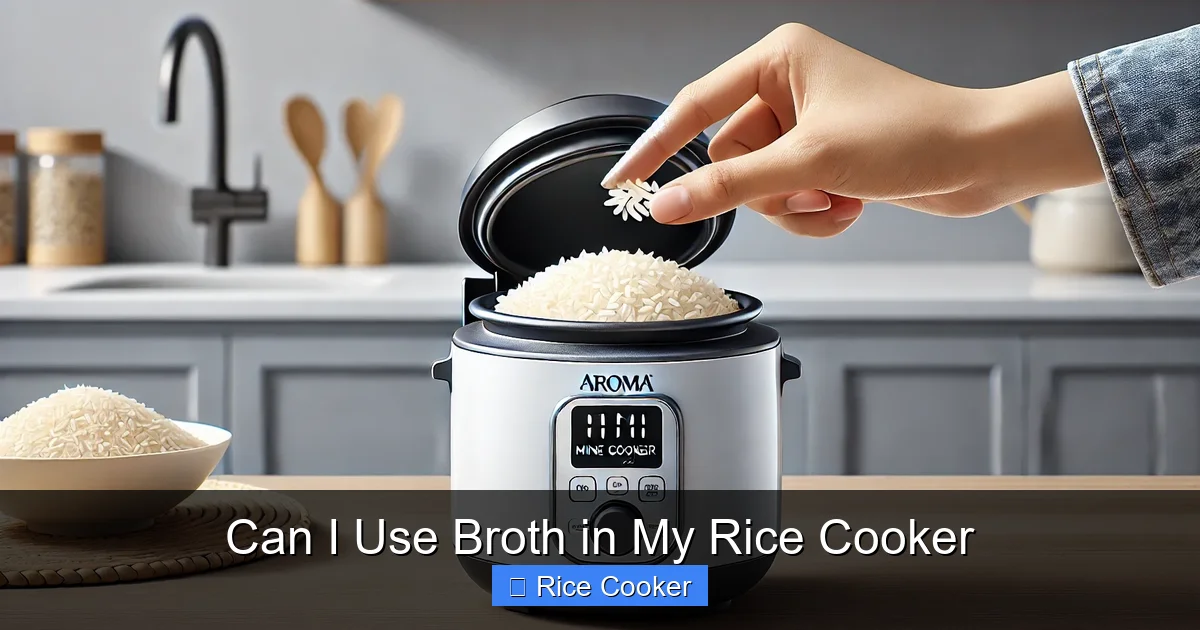
Visual guide about Can I Use Broth in My Rice Cooker
Image source: expertreviewsbestricecooker.com
Not all broths are created equal, and the type you choose can significantly affect the final flavor of your rice. Here’s a breakdown of popular options and when to use them:
Chicken Broth
Chicken broth is one of the most versatile and widely available choices. It pairs well with white rice, jasmine rice, and even short-grain varieties like sushi rice. The light, slightly sweet flavor complements poultry, seafood, and lean proteins.
Tip: Use leftover rotisserie chicken bones or carcasses to make your own rich, flavorful broth at home.
Vegetable Broth
Perfect for plant-based diets or when you want a lighter option, vegetable broth works great with brown rice, wild rice, or quinoa. It’s ideal for stir-fries, curries, or grain bowls.
Pro tip: Roast your vegetable scraps (onions, garlic, carrots, celery) before simmering them to deepen the flavor.
Beef Broth
Rich and hearty, beef broth shines with long-grain rice like basmati or jasmine. It’s excellent for one-pot meals or when serving with red meat.
Caution: Beef broth can be high in sodium, so rinse the cooked rice briefly under cold water after draining if you’re watching your salt intake.
Mushroom Broth
Umami-packed and earthy, mushroom broth is a gourmet choice that pairs beautifully with wild rice or Arborio. It’s especially good for vegetarian or vegan dishes.
Bonus: You can make mushroom broth by simmering dried shiitake mushrooms along with onion, garlic, and thyme.
Fish or Seafood Broth
Less common but gaining popularity, fish broth (like kombu or dashi) adds a delicate briny note to rice. Use it sparingly with sushi rice or seafood dishes to avoid overpowering the dish.
How to Cook Rice with Broth in Your Rice Cooker
Cooking rice with broth is almost identical to cooking it with water. Follow these simple steps for foolproof results:
Step 1: Measure Your Ingredients
Use the same rice-to-liquid ratio as you would with water—typically 1 cup rice to 1.5 cups liquid. If using all broth, stick to this ratio. For a milder flavor, mix equal parts broth and water.
Step 2: Add Aromatics (Optional)
For extra depth, toss in a few cloves of garlic, a slice of ginger, or a sprig of thyme before adding the rice. These will infuse the broth with fragrance as it heats.
Step 3: Pour in the Broth
Open your rice cooker and carefully pour in the broth. Make sure the inner pot is clean and dry before adding the liquid.
Step 4: Add the Rice
Rinse your rice under cool water until the water runs clear (this removes excess starch and prevents clumping). Then add it to the broth in the inner pot.
Step 5: Start Cooking
Close the lid, select the appropriate setting (white rice, brown rice, etc.), and press start. Most modern rice cookers have a “keep warm” function that maintains temperature without drying out the rice.
Step 6: Let It Rest
Once done, let the rice sit for 5–10 minutes with the lid closed. This allows steam to redistribute moisture evenly.
Step 7: Fluff and Serve
Use a fork to gently fluff the rice before serving. Taste and adjust seasoning if needed—though usually, the broth does all the work!
Troubleshooting Common Issues
Even with the best intentions, things don’t always go perfectly. Here’s how to fix common problems when cooking rice with broth:
Rice Is Too Sticky
This usually happens when too much liquid is used or the rice isn’t rinsed properly. Next time, reduce the liquid by ¼ cup or rinse the rice more thoroughly. Also, avoid pressing down on the rice with a spoon during fluffing—it breaks the grains.
Rice Is Dry or Undercooked
If your rice comes out hard or chewy, you likely used too little liquid. Remember: broth behaves similarly to water, so follow standard ratios. Also, ensure your rice cooker is heating properly—check the heating element and water reservoir if needed.
Too Much Sodium
If your rice tastes overly salty, try rinsing it briefly after cooking. Hold the cooked rice under running water while stirring lightly. Drain well and fluff again. Alternatively, serve it with low-sodium sides to balance the flavor.
Off-Flavors or Smells
If the rice smells strange or has a weird taste, the broth may have gone bad or wasn’t stored correctly. Always refrigerate opened broth and use it within a week. Also, never reuse old broth that has developed mold or spoilage.
Rice Cooker Won’t Turn On
Check the power cord, outlet, and inner pot placement. Make sure the inner pot is seated properly and the lid is securely closed. Sometimes, a loose connection can prevent the machine from starting.
Creative Recipes Using Broth in the Rice Cooker
Ready to get inspired? Here are five delicious ways to use broth in your rice cooker beyond plain white rice:
1. Garlic Herb Chicken Rice
Cook 1 cup jasmine rice with 1.5 cups chicken broth, 3 minced garlic cloves, and a sprig of rosemary. After cooking, stir in ½ cup shredded rotisserie chicken and a squeeze of lemon juice.
2. Spicy Korean Bibimbap Rice
Use vegetable broth with a dash of gochujang (Korean chili paste) and a pinch of sesame oil. Cook with 1 cup short-grain rice. Top with sautéed veggies, fried egg, and kimchi.
3. Creamy Mushroom Wild Rice
Simmer wild rice in mushroom broth with shallots, thyme, and a splash of cream. Finish with fresh parsley and a grind of black pepper.
4. Coconut Curry Rice
Combine coconut milk with vegetable broth (2:1 ratio) and curry powder. Cook with basmati rice. Garnish with cilantro and sliced almonds.
5. Lemon-Dill Salmon Rice
Cook sushi rice in fish broth with lemon zest and fresh dill. Fold in flaked canned salmon after cooking for a quick, protein-rich meal.
These recipes show how versatile broth can be—whether you’re aiming for comfort food, global flavors, or healthy bowls.
Can You Use Broth in Every Rice Cooker Model?
In general, yes—most modern rice cookers can handle broth just fine. However, older models or basic electric pots may not distribute heat as evenly, leading to inconsistent results. If your rice cooker has a “steam vent” or “non-stick coating,” double-check the manual to ensure broth won’t damage the surface.
Also, avoid using very thick or fatty broths (like those with lots of oil or fat skimmed off) in compact or low-power models, as they might clog drainage systems or affect sensor accuracy.
Always clean your rice cooker after using broth—especially the inner pot and lid. Residue can build up and affect future cooks.
Tips for First-Time Users
If you’re new to cooking rice with broth, here are some friendly pointers to help you succeed:
- Start simple: Begin with a 1:1 mix of broth and water until you’re comfortable.
- Keep notes: Track ratios, flavors, and cooking times so you can replicate favorites.
- Invest in quality broth: Better broth = better rice. Don’t skimp on this ingredient.
- Don’t overfill: Never exceed the maximum fill line in your rice cooker.
- Experiment with textures: Some people prefer firmer rice—reduce liquid slightly; others like softer grains—add a bit more broth.
Remember, there’s no wrong way to do it. Even if your first attempt isn’t perfect, you’ll learn fast—and soon you’ll be recommending this trick to friends!
Final Thoughts
Using broth in your rice cooker is one of those simple swaps that makes a huge difference. It’s quick, healthy, and endlessly customizable. Whether you’re feeding a crowd or whipping up dinner for two, this method turns ordinary rice into something extraordinary.
The beauty of a rice cooker is its ability to do the heavy lifting while you focus on creativity. With broth, you’re not just making rice—you’re building flavor foundations for entire meals. So go ahead, open that carton of chicken broth, measure out your grains, and let your rice cooker work its magic.
And who knows? You might just become the go-to person in your family for the best-tasting rice around.
Frequently Asked Questions
Is it safe to use broth in my rice cooker?
Yes, it’s completely safe as long as the broth is fresh and properly stored. Always use clean, unopened or refrigerated broth and ensure your rice cooker is functioning correctly. Avoid using spoiled or expired broth to prevent foodborne illness.
Can I substitute broth for all types of rice?
Absolutely! Broth works well with white rice, brown rice, jasmine, basmati, wild rice, and even quinoa. Just adjust the cooking time slightly for denser grains like brown rice, which may need a bit more liquid and longer cook time.
Do I need to dilute broth with water?
Not necessarily. You can cook rice using 100% broth for maximum flavor. However, if you find the taste too strong or salty, start with a 1:1 ratio of broth and water and adjust to your preference.
What happens if I use too much broth?
If you add too much broth, the rice may turn mushy or sticky. To fix this, drain excess liquid after cooking or reduce the amount next time. Always follow recommended rice-to-liquid ratios.
Can I use bouillon cubes instead of broth?
You can, but dilute bouillon cubes according to package instructions—usually 1 cube per cup of hot water. Keep in mind that bouillon tends to be higher in sodium, so rinse the cooked rice if needed.
Will using broth change the texture of my rice?
Generally, no. Broth has a similar consistency to water, so it won’t drastically alter texture. However, fat content in some broths (like chicken broth with skin) can make rice slightly richer. Stick to standard ratios for consistent results.