
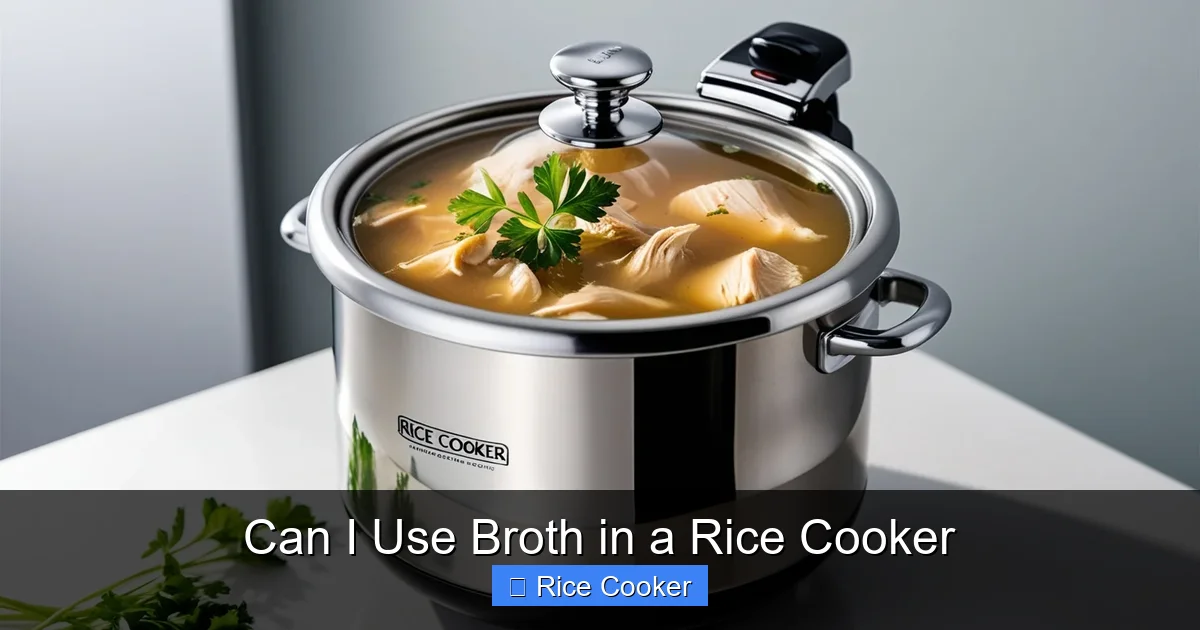
Can I use broth in a rice cooker? Absolutely! Replacing water with broth adds rich flavor, depth, and nutrients to your rice, soups, and grains. It’s a simple swap that transforms basic meals into something special—without extra effort.
Key Takeaways
- Flavor Boost: Broth enhances taste without changing cooking time or technique.
- Nutritional Value: Chicken, vegetable, or bone broth adds vitamins and minerals to your meal.
- Versatility: Works with white rice, brown rice, quinoa, oats, and even soups.
- Easy Swap: Use equal parts broth and water, or go broth-only for stronger flavor.
- Cooking Tips: Adjust salt levels since broth is already seasoned; rinse rice if needed.
- Safety First: Always use low-sodium broth to control sodium intake.
- Cleaning Bonus: Broth-based dishes are easier to clean since there’s no starchy residue.
📑 Table of Contents
- Can I Use Broth in a Rice Cooker? The Ultimate Guide to Flavor-Packed Grains
- Why Use Broth Instead of Water?
- Which Types of Broth Work Best?
- How Much Broth Should You Use?
- Practical Examples: What Can You Make With Broth?
- Tips for Perfect Broth-Based Rice
- Common Mistakes to Avoid
- Can You Use Broth in All Rice Cooker Settings?
- Is Broth Safe for Everyone?
- Final Thoughts: Broth Makes Everyday Cooking Special
Can I Use Broth in a Rice Cooker? The Ultimate Guide to Flavor-Packed Grains
Imagine waking up to the rich, savory aroma of perfectly cooked jasmine rice, not with bland steam, but with the deep, comforting scent of homemade chicken broth. Sounds delicious, right? Well, you don’t need to dream it—because yes, you can absolutely use broth in a rice cooker. In fact, many home cooks swear by this simple trick to elevate their everyday meals.
Using broth instead of water isn’t just about flavor—it’s about turning a basic staple into a nourishing, aromatic dish. Whether you’re making a pot of white rice, a bowl of creamy risotto-style oats, or even a hearty grain bowl, broth adds complexity and depth. And the best part? You don’t need any special equipment or skills. Just your trusty rice cooker and a few pantry staples.
In this article, we’ll walk through everything you need to know about using broth in your rice cooker. From choosing the right type of broth to adjusting seasonings and troubleshooting common issues, we’ve got you covered. So grab your favorite rice cooker, open a carton of broth, and let’s get cooking!
Why Use Broth Instead of Water?
You might be wondering: why bother replacing water with broth? After all, rice cookers work fine with plain H2O. But there’s a big difference between “edible” and “delicious.” Here’s why broth makes such a powerful upgrade.

Visual guide about Can I Use Broth in a Rice Cooker
Image source: easykitchenguide.com
Enhanced Flavor Profile
Water is neutral—it doesn’t add anything to your food except moisture. Broth, on the other hand, brings layers of flavor to every grain. A chicken broth will give your rice a subtle umami richness, while miso or mushroom broth can add earthy notes. Even a light vegetable broth can brighten up a simple side dish.
This flavor infusion happens throughout the cooking process. As the rice absorbs the liquid, it soaks up those savory elements, resulting in each bite tasting like it came from a restaurant kitchen—not your countertop.
Added Nutritional Benefits
Many broths are made from simmered bones, vegetables, herbs, and spices—all of which release beneficial compounds during cooking. Bone broth, for example, contains collagen, amino acids like glycine and proline, and minerals such as calcium and magnesium. Vegetable broth offers vitamins A, C, and K, along with antioxidants.
When you cook rice in broth, these nutrients gently leach into the grain, creating a more balanced, nutrient-dense meal. That’s especially helpful if you’re trying to increase your protein or mineral intake without adding extra ingredients.
Meal Prep Efficiency
If you’re meal prepping, using broth in your rice cooker saves time and effort. One pot, one cook, multiple meals. You can make a big batch of seasoned rice at once and store it for quick lunches or dinners later in the week.
Plus, because broth-based dishes tend to have less starchy runoff (thanks to the absence of excess amylose), they’re easier to reheat and clean up. No gummy rice stuck to the bottom of your cooker!
Which Types of Broth Work Best?
Not all broths are created equal when it comes to rice cooking. Some are too salty, too strong, or simply not compatible with certain grains. Let’s break down the best options.
Chicken Broth
This is probably the most popular choice. Chicken broth adds a mild, savory flavor that pairs beautifully with white rice, quinoa, and even polenta. Look for low-sodium versions so you can control the seasoning. Homemade or store-bought both work—just avoid those with added MSG or excessive sodium.
Pro tip: If you’re making fried rice or biryani later, cook your base rice in chicken broth first—it’ll absorb the flavor and reduce the need for extra sauces.
Vegetable Broth
A great option for vegetarians or anyone avoiding meat. Carrot, celery, onion, garlic, and herbs create a fragrant, aromatic liquid perfect for pilafs, risotto-style grains, or even plain brown rice. It’s lighter than chicken broth but still packs plenty of flavor.
Beef or Bone Broth
These broths are richer and more concentrated. They’re ideal for heartier grains like barley or wild rice. Because beef broth can be quite robust, start with half broth and half water to avoid overpowering the dish.
Bone broth is especially nutritious and adds a gelatinous texture to cooked grains—perfect for soupy risottos or porridges.
Specialty Broths (Miso, Mushroom, etc.)
Don’t shy away from creative flavors! Miso broth adds a funky, umami punch to sushi rice. Mushroom broth brings an earthy depth to arborio rice. Just remember: these are potent, so use sparingly or dilute with water.
How Much Broth Should You Use?
The ratio of broth to water depends on what you’re making—but for most standard rice cooker recipes, here’s the golden rule:
- 1 cup broth = 1 cup water
- Or go full broth: 1.5 cups broth per 1 cup dry rice
Most rice cookers follow a general guideline: 1 cup rice : 1.2–1.5 cups liquid. Since broth is slightly denser than water, you may want to stick closer to 1:1.2.
If you’re making soup or a porridge-like dish (like risotto or cream of wheat), you can use only broth—just monitor the consistency closely. Some cookers have a “porridge” or “congee” setting that helps prevent burning.
Practical Examples: What Can You Make With Broth?
Let’s get specific. Here are five delicious, easy recipes you can whip up using broth in your rice cooker.
Classic Chicken & Rice Bowl
Ingredients:
- 1 cup jasmine or basmati rice
- 1.5 cups low-sodium chicken broth
- 1/2 tsp turmeric (optional, for color)
- 1 small onion, diced
- 2 cloves garlic, minced
- Salt to taste
Method: Sauté onion and garlic in a bit of oil until soft. Add rice, stir to coat, then pour in broth. Cook on high or manual setting. Once done, fluff with a fork and serve with grilled chicken, steamed veggies, and a drizzle of soy sauce.
Vegetarian Mushroom Risotto-Style Grain
Use arborio or carnaroli rice with mushroom broth. Sauté mushrooms first, then add rice and toast lightly before adding broth gradually. Finish with Parmesan and fresh thyme.
Hearty Lentil & Barley Soup
Cook barley and red lentils in vegetable broth with carrots, celery, and bay leaves. Simmer until tender—this becomes a complete protein-packed meal.
Sweet Oat Porridge with Apple & Cinnamon
Skip the milk! Use warm apple-cinnamon broth (made by simmering apples, cinnamon sticks, and water) to cook rolled oats. Top with nuts and honey.
Spicy Korean-Inspired Bibimbap Rice
Cook brown rice in a mix of chicken broth and a splash of soy sauce or gochujang. Serve with kimchi, spinach, carrots, and a fried egg.
Tips for Perfect Broth-Based Rice
Even with the right ingredients, things can go wrong. Here are some expert tips to ensure success every time.
Rinse Your Rice (Sometimes)
Starchy grains like jasmine or sushi rice benefit from rinsing to remove surface starch. This prevents clumping and gives a fluffier texture. But skip rinsing if you’re using whole grains like brown rice or barley—they hold onto more flavor that way.
Adjust Salt Levels
Broth is already seasoned, so taste your rice before adding salt. Over-seasoning is easy to do. Start with a pinch and adjust after cooking.
Don’t Overfill the Cooker
Always leave space for expansion. Most rice cookers warn against filling past the max line—do the same with broth. Too much liquid can lead to mushy rice or overflow.
Let It Rest
After the cooker switches to “warm,” let the rice sit for 5–10 minutes. This allows steam to redistribute evenly and improves texture.
Clean Immediately
Broth can leave sticky residues if left to cool. Rinse the inner pot right after use to prevent buildup.
Experiment with Herbs & Spices
Toss in a sprig of rosemary, a bay leaf, or a piece of ginger while cooking for extra aroma. Remove solids before serving.
Common Mistakes to Avoid
Newcomers often run into a few hiccups. Don’t worry—these are fixable.
Mistake #1: Using High-Sodium Broth
This leads to overly salty rice. Always choose low-sodium or homemade broth. You can always add salt—but you can’t take it out.
Mistake #2: Not Stirring Before Cooking
If you’re adding aromatics like onions or garlic, toss them in early. Otherwise, they won’t blend well into the final dish.
Mistake #3: Ignoring the Ratio
Too little liquid = undercooked rice. Too much = soggy mess. Stick to tested ratios and adjust only when necessary.
Mistake #4: Skipping the Rest Period
Rushing the resting phase results in uneven texture. Give it time—your rice will thank you.
Can You Use Broth in All Rice Cooker Settings?
Most modern rice cookers have multiple settings: white rice, brown rice, congee, porridge, and sometimes even yogurt or slow cook functions. Yes—broth works across all of them!
- White Rice Mode: Perfect for jasmine or basmati. Broth adds fragrance without altering cook time.
- Brown Rice Mode: Longer cook time means more flavor absorption. Great for nutty, chewy textures.
- Congee/Porridge Mode: Ideal for creamy, soupy grains. Bone or vegetable broth creates a comforting base.
- Soup Mode: Combine broth, rice, and veggies for instant soup. No stovetop needed.
Just remember: if your cooker has a “quick cook” setting, it may not fully develop flavor. Opt for regular or extended cycles instead.
Is Broth Safe for Everyone?
Generally, yes—but there are considerations depending on diet and health.
Low-Sodium Diets
If you’re watching your sodium, opt for homemade or certified low-sodium broth. You control exactly what goes in.
Vegan & Vegetarian Needs
Use vegetable or mushroom broth. Just double-check labels—some brands include animal-derived ingredients like fish sauce or anchovies.
Kids & Picky Eaters
Start with mild broths like chicken or carrot-ginger. Gradually introduce stronger flavors as palates expand.
Allergies
Avoid broths containing nuts, soy, or gluten if needed. Many store-bought broths list these as allergens.
Final Thoughts: Broth Makes Everyday Cooking Special
So, can you use broth in a rice cooker? Absolutely. It’s one of the easiest ways to turn a boring bowl of rice into something memorable. Whether you’re feeding a crowd, meal prepping, or just craving comfort food, broth adds flavor, nutrition, and joy—all with zero extra effort.
And the beauty of it? You don’t need fancy ingredients or complicated techniques. Just grab a carton of broth, measure your rice, press a button, and let magic happen. Over time, you’ll discover endless combinations: miso-glazed salmon over sushi rice cooked in dashi, or spiced lentils simmered in tomato-rosemary broth.
Next time you reach for water, pause. Ask yourself: what kind of story do I want my meal to tell? With broth, the answer is always delicious.
Frequently Asked Questions
Can I substitute broth for water in any rice cooker recipe?
Yes, you can generally substitute broth for water in any rice cooker recipe. For best results, use equal parts broth and water or go broth-only depending on desired intensity. Just adjust salt levels since broth is already seasoned.
Will using broth change the cooking time in my rice cooker?
No, broth does not significantly alter cooking time. It behaves similarly to water in terms of heat transfer, so your rice should cook in the same duration as usual.
Can I use frozen or canned broth in my rice cooker?
Yes, both frozen cubes and canned broth work perfectly. Thaw frozen broth if needed, but avoid using broth with added thickeners or preservatives for clearer results.
Is it better to use homemade or store-bought broth?
Both are fine, but homemade broth offers more control over ingredients and sodium. Store-bought works well if labeled “low-sodium” or “no added MSG.” Always check labels for hidden additives.
What if my rice turns out too salty when using broth?
Unfortunately, you can’t reduce salt after cooking. To prevent this, always use low-sodium broth and taste before salting. Start with minimal salt and adjust after cooking if possible.
Can I use broth to cook other grains like quinoa or barley?
Absolutely! Broth enhances quinoa, barley, farro, oats, and more. Follow the same liquid ratios and adjust for cook times—barley may need slightly more liquid and longer cooking.