
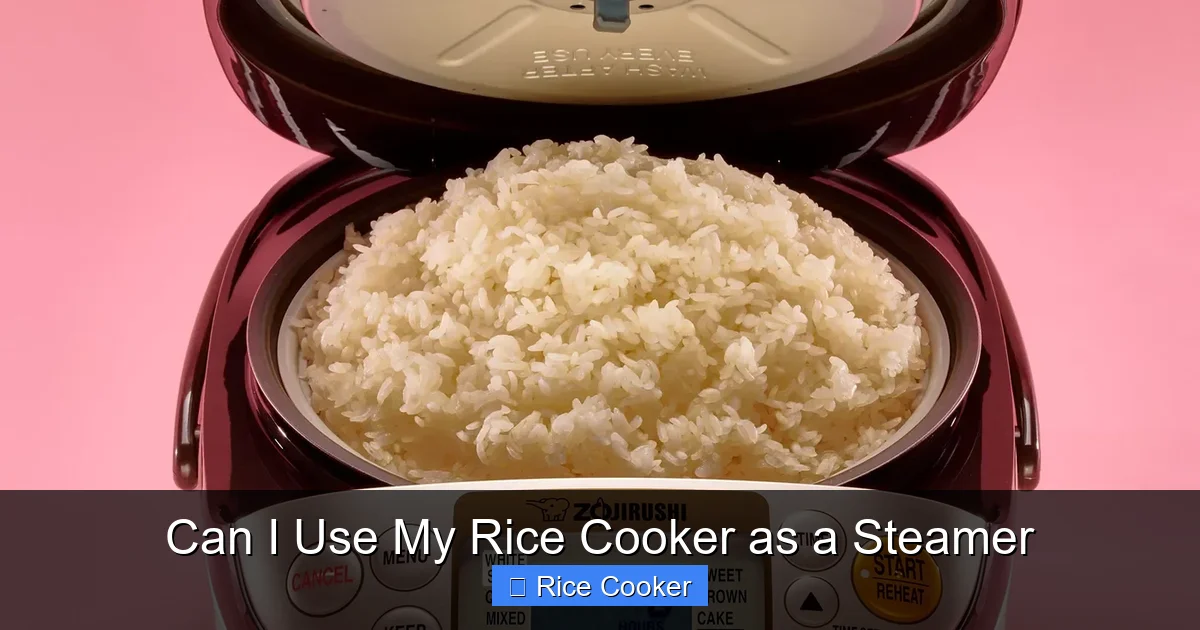
Can I use my rice cooker as a steamer? Absolutely! Most modern rice cookers come with a built-in steaming tray that allows you to cook vegetables, fish, dumplings, and more—no extra gadget needed. With the right setup and a little know-how, your rice cooker becomes a powerful tool for healthy, hands-off meals that save time and retain nutrients.
Key Takeaways
- Rice cookers often include a steaming function: Many models have a dedicated “Steam” or “Keep Warm” setting that activates the inner pot’s heating element while allowing steam to circulate.
- A steamer basket is usually included: Check your manual—most rice cookers come with a perforated steaming bowl designed to sit inside the water-filled pot without touching it.
- You can steam without the function: If your model lacks a steam setting, simply place water in the pot and use the lid to trap steam around food placed in the steamer insert.
- Ideal foods for steaming: Steamed vegetables, fish fillets, dumplings, eggs, and even baby food are perfect candidates for rice cooker steaming.
- Nutrient retention improves: Steaming preserves vitamins and minerals better than boiling or frying, making it a healthier cooking method.
- Cleaning is simple: Most steamer parts are dishwasher-safe, and the non-stick inner pot makes cleanup effortless.
- Safety tips matter: Always ensure the steamer tray doesn’t touch the water, use enough water to prevent dry heating, and never overfill.
📑 Table of Contents
- Can I Use My Rice Cooker as a Steamer? The Ultimate Guide to Multi-Purpose Cooking
- Why Use a Rice Cooker as a Steamer?
- Do All Rice Cookers Have Steaming Capabilities?
- How to Set Up Your Rice Cooker for Steaming
- What Can You Actually Steam in a Rice Cooker?
- Tips for Perfect Steaming Every Time
- Are There Any Downsides to Steaming in a Rice Cooker?
- Creative Recipes Using Your Rice Cooker as a Steamer
- Final Thoughts: Is Your Rice Cooker Worth Using as a Steamer?
Can I Use My Rice Cooker as a Steamer? The Ultimate Guide to Multi-Purpose Cooking
If you’re like most home cooks, your rice cooker is probably one of the most-used appliances in your kitchen. It’s reliable, easy to operate, and delivers perfectly cooked grains every time. But what if we told you that your humble rice cooker could do so much more than just make rice? Enter: the art of using your rice cooker as a steamer. Yes, you read that right—your trusty appliance can transform into a versatile, nutrient-preserving kitchen powerhouse.
In this comprehensive guide, we’ll walk you through everything you need to know about turning your rice cooker into a steaming station. Whether you’re looking to cook delicate fish, preserve the color and texture of vibrant vegetables, or prepare fluffy eggs without flipping them, steaming in a rice cooker is not only possible—it’s incredibly effective. Plus, it saves counter space, reduces cleanup, and helps you eat healthier. So grab your favorite grains and let’s dive in!
Why Use a Rice Cooker as a Steamer?
The Science Behind Steaming
Steaming is one of the gentlest and healthiest cooking methods available. Instead of submerging food in hot water or exposing it to high-fat oils, steaming uses superheated vapor to cook ingredients evenly. This process helps retain up to 90% of water-soluble vitamins like vitamin C and B-complex, which are often lost during boiling or frying.
Visual guide about Can I Use My Rice Cooker as a Steamer
Image source: cycookery.com
When you steam food in a rice cooker, the enclosed environment creates consistent, moist heat—ideal for tenderizing proteins while keeping them juicy, and preserving the natural flavors and colors of produce. Because the heat source is controlled by the rice cooker’s thermostat, temperatures stay steady, preventing overcooking or burning.
Benefits of Steaming in a Rice Cooker
- Convenience: No need for a separate steamer basket or multiple pots. Your rice cooker does it all.
- Energy-efficient: Uses less electricity than stovetop boiling or oven roasting.
- Less cleanup: One pot means fewer dishes—especially when compared to frying or baking.
- Health-conscious cooking: No added fats, minimal sodium loss, and maximum nutrient retention.
- Perfect for meal prep: Steam a batch of veggies or proteins ahead of time and store them for quick lunches or dinners.
Do All Rice Cookers Have Steaming Capabilities?
Understanding Your Rice Cooker’s Features
Not every rice cooker is created equal. While many modern models come equipped with a steaming function, older or budget versions may only offer basic rice-cooking modes. Here’s how to tell if yours can double as a steamer:
- Check the user manual: Look for terms like “Steam,” “Keep Warm,” or “Multi-Function.”
- Inspect the accessories: A perforated steaming basket (usually made of stainless steel or plastic) is a telltale sign.
- Test the buttons: Some models automatically switch to a low-heat mode when you place the steamer insert inside.
Models That Work Best as Steamers
Top-tier brands like Zojirushi, Panasonic, Tiger, and Instant Pot Zen series are known for their robust steaming functions. These machines often feature:
- Dual heating elements for even steam distribution
- Timer settings to delay or extend steaming duration
- Transparent lids to monitor progress without lifting
- Dishwasher-safe components
If your rice cooker lacks these features, don’t worry—you can still steam using a workaround (we’ll cover that soon).
How to Set Up Your Rice Cooker for Steaming
Step-by-Step Setup Guide
Ready to give it a try? Follow these simple steps to convert your rice cooker into a steaming station:
- Add water: Pour 1–2 cups of water into the inner pot. Use more for longer steaming times or denser foods.
- Place the steamer basket: Sit the perforated tray inside the pot—make sure it doesn’t touch the bottom. Water should be below the basket’s base.
- Add your food: Arrange vegetables, fish, dumplings, or eggs gently in the basket. Avoid overcrowding.
- Close the lid tightly: Ensure there’s no gap for steam to escape prematurely.
- Select the steam setting (if available): Press “Steam” or “Keep Warm” and set a timer if your model has one.
- Wait patiently: Steaming typically takes 8–15 minutes depending on the food.
Troubleshooting Common Issues
- Food isn’t cooking: You likely didn’t add enough water or the lid isn’t sealing properly.
- Basket touches water: Lift the tray slightly or reduce water level.
- Too much condensation: Wipe excess moisture from the lid before opening to avoid splashing.
What Can You Actually Steam in a Rice Cooker?
Vegetables
Steamed vegetables retain their bright colors, crisp texture, and nutritional value. Try broccoli, carrots, green beans, cauliflower, or zucchini. For best results, chop into uniform pieces so they cook evenly. Add a splash of lemon juice or garlic after steaming for extra flavor—no oil needed!
Fish and Seafood
Delicate white fish like cod, tilapia, or salmon steam beautifully in under 10 minutes. Place fillets in the basket, season lightly with salt, pepper, and herbs, and cover. The result? Flaky, moist fish with zero risk of drying out.
Eggs
Want perfectly steamed eggs without the mess? Crack eggs directly into small ramekins or silicone molds placed inside the steamer basket. Cover and steam for 6–8 minutes for soft yolks, 10+ for firmer sets. Great for breakfast prep or meal planning!
Dumplings and Buns
Skip the bamboo steamer at the grocery store. Pop frozen gyoza or baozi into your rice cooker’s basket, add water, and steam for 12–15 minutes. The enclosed space mimics commercial steamer conditions, yielding plump, juicy results.
Baby Food
Parents love this hack! Steam mashed sweet potatoes, carrots, or apples directly in the rice cooker. Let cool, blend, and freeze in ice cube trays for easy portioning. No special equipment required.
Rice and Grains (Bonus Tip!)
While not strictly “steaming,” you can also cook whole grains like quinoa or barley alongside steamed sides by placing them in a separate compartment or alternating layers in the steamer basket. Just monitor closely to avoid mixing flavors.
Tips for Perfect Steaming Every Time
Master the Water Level
The golden rule: always keep water below the steamer basket. Too little water risks burning the pot; too much can flood your food. As a general guideline, start with 1 cup per 15 minutes of steaming time.
Use a Timer
Even if your rice cooker doesn’t have a countdown, use your phone or kitchen timer. Oversteaming vegetables turns them mushy, while underdone fish stays rubbery. Timing is everything!
Lift the Lid Wisely
A quick peek is fine—but avoid lifting the lid frequently, as it releases precious steam. If you must check, do so quickly and close immediately.
Season After Steaming
Unlike boiling, steaming doesn’t absorb much liquid, so flavor won’t penetrate deeply. Finish with fresh herbs, a drizzle of olive oil, or a squeeze of citrus to elevate taste without extra calories.
Clean Immediately
Residue from fish or eggs can stick if left to dry. Rinse the steamer basket and inner pot right after use. Most parts are dishwasher-safe, but hand-washing prevents warping of plastic components.
Are There Any Downsides to Steaming in a Rice Cooker?
While the benefits outweigh the drawbacks for most users, there are a few limitations to consider:
- Limited capacity: Large cuts of meat or big batches of food may not fit comfortably.
- No browning or crisping: Steaming doesn’t create Maillard reactions (the chemical process behind searing). If you crave crispy textures, finish items under a broiler briefly.
- Odor transfer: Strong-smelling foods like fish can sometimes affect nearby ingredients if stored together.
- Learning curve: New users might take a few tries to master timing and water levels.
That said, these issues are minor compared to the convenience and health advantages. And honestly—who doesn’t want perfectly steamed veggies with just one button press?
Creative Recipes Using Your Rice Cooker as a Steamer
Garlic Butter Steamed Salmon
Ingredients:
– 2 salmon fillets
– 1 tbsp butter
– 2 cloves minced garlic
– Lemon slices
– Salt and pepper to taste
Instructions:
Place butter and garlic in the steamer basket. Top with salmon, season, and add lemon slices. Steam for 8–10 minutes until flaky. Drizzle with melted butter before serving.
Rainbow Veggie Medley
Ingredients:
– 1 cup broccoli florets
– ½ cup sliced carrots
– ½ cup cherry tomatoes
– Olive oil spray
– Fresh dill
Instructions:
Arrange veggies in the steamer basket. Lightly mist with oil and sprinkle with dill. Steam for 6–8 minutes until tender-crisp. Serve warm.
Soft-Boiled Eggs (No Pan Needed!)
Ingredients:
– 4 large eggs
Instructions:
Crack eggs into small oven-safe cups or ramekins. Steam for 9 minutes for runny yolks, 12 for hard-boiled. Cool slightly before peeling.
Final Thoughts: Is Your Rice Cooker Worth Using as a Steamer?
After exploring all the possibilities, it’s clear that your rice cooker is far more than a grain-making machine. With its ability to generate consistent, moist heat and accommodate a variety of foods, it’s an underrated hero in the kitchen. Steaming in a rice cooker isn’t just a clever trick—it’s a smart, sustainable way to eat better with less effort.
Whether you’re a busy parent juggling work and meals, a health enthusiast focused on nutrient preservation, or someone who loves minimizing kitchen clutter, this technique fits seamlessly into any lifestyle. And the best part? You already own the tool. No extra purchases, no complicated setups—just delicious, wholesome meals cooked to perfection.
So next time you reach for that steamer basket at the store, remember: your rice cooker might already be ready to help. Give it a try tonight—steam some broccoli, a piece of fish, or even a batch of dumplings. You’ll be amazed at how versatile your kitchen staple truly is.
Frequently Asked Questions
Can I use any type of rice cooker as a steamer?
Most modern rice cookers with a steaming basket or function can be used as a steamer. Older models without a steam setting can still work with manual setup, but newer ones with dedicated steam modes offer easier control and better results.
How long does it take to steam vegetables in a rice cooker?
It usually takes 6–10 minutes for most vegetables like broccoli, carrots, or green beans. Smaller or softer veggies may cook faster, while denser ones like sweet potatoes might need up to 15 minutes.
Can I steam raw chicken in a rice cooker?
It’s not recommended due to safety concerns. Raw poultry requires thorough cooking at high internal temperatures, and rice cookers aren’t designed for large protein volumes or precise temperature monitoring like ovens or stovetops.
Do I need to add oil or fat when steaming in a rice cooker?
No—steaming relies on vapor alone, so no oil is necessary. However, you can add flavor post-steaming with herbs, citrus, or a light drizzle of sauce.
Can I leave food in the rice cooker after steaming?
Yes, if your model has a “Keep Warm” function, it will maintain safe temperatures for up to several hours. Avoid leaving perishable foods like fish or eggs unwashed for too long to prevent bacterial growth.
Is it safe to steam in a rice cooker every day?
Absolutely! As long as you follow basic hygiene practices—like cleaning parts regularly and ensuring proper water levels—using your rice cooker as a steamer daily is safe and efficient.