
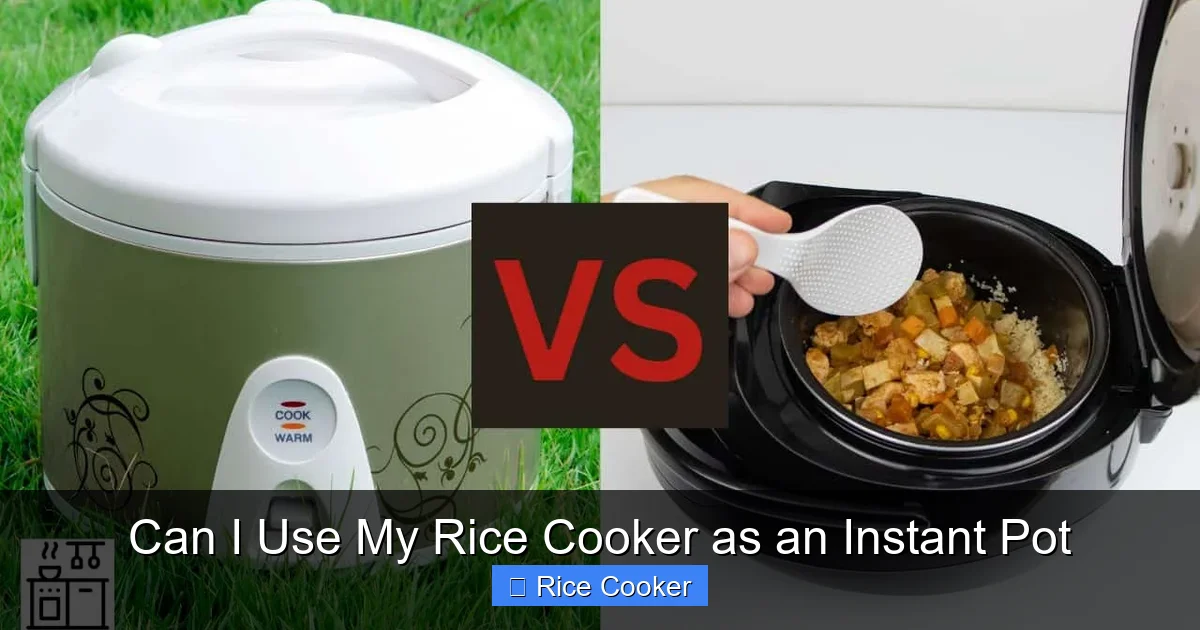
Can I use my rice cooker as an Instant Pot? Not exactly—but they share many functions. While both appliances cook rice perfectly, an Instant Pot adds pressure cooking and multi-functionality that a standard rice cooker lacks. You can mimic some Instant Pot features using your rice cooker, but only if it has advanced settings like slow cooking or steaming.
Understanding the differences helps you make smart kitchen decisions. Whether you’re saving money or upgrading, knowing what your appliances can (and can’t) do prevents frustration and wasted food.
Key Takeaways
- Functionality Differences: A rice cooker primarily boils and steam rice, while an Instant Pot uses pressurized heat for faster cooking and multiple meal types.
- Substitute Possibilities: Some modern rice cookers have slow cook, steam, or yogurt settings that allow limited use as an Instant Pot alternative.
- Safety First: Never try to force a rice cooker to act like a pressure cooker—it lacks the sealed, pressure-safe design of an Instant Pot.
- Time & Efficiency: Instant Pots cook meals faster due to pressure, but rice cookers are quieter, gentler, and better for delicate dishes.
- Cost Considerations: If you only need to steam veggies or make oatmeal, a rice cooker may be more economical than buying a second appliance.
- Upgrade Potential: Consider a combo appliance like a rice cooker with a pressure cooker function for versatility without clutter.
📑 Table of Contents
- Can I Use My Rice Cooker as an Instant Pot?
- The Core Difference: Pressure vs. Gentle Heat
- When Can You Substitute One for the Other?
- The Risks of Using a Rice Cooker Like an Instant Pot
- Better Alternatives: What Should You Do Instead?
- Real-World Examples: When It Almost Works
- Energy Efficiency and Cost Comparison
- Expert Tips for Getting the Most Out of Both Appliances
- Final Thoughts: Know Your Tools
Can I Use My Rice Cooker as an Instant Pot?
Have you ever opened your pantry, stared at two small appliances—your trusty rice cooker and your new Instant Pot—and wondered: Can I use my rice cooker as an Instant Pot? It’s a common question, especially among home cooks trying to maximize kitchen efficiency without overspending. After all, both appliances sit on the counter, look similar, and promise perfectly cooked meals.
But here’s the truth: you cannot truly use a standard rice cooker as an Instant Pot. However, depending on your model, you might be able to do some impressive imitation work. Let’s break down what makes each appliance unique, how they compare, and when you might get away with swapping them—or why you shouldn’t.
Whether you’re a college student on a budget, a busy parent juggling dinners, or someone who just loves having the right tool for the job, understanding these differences will save time, reduce stress, and keep your meals delicious.
The Core Difference: Pressure vs. Gentle Heat
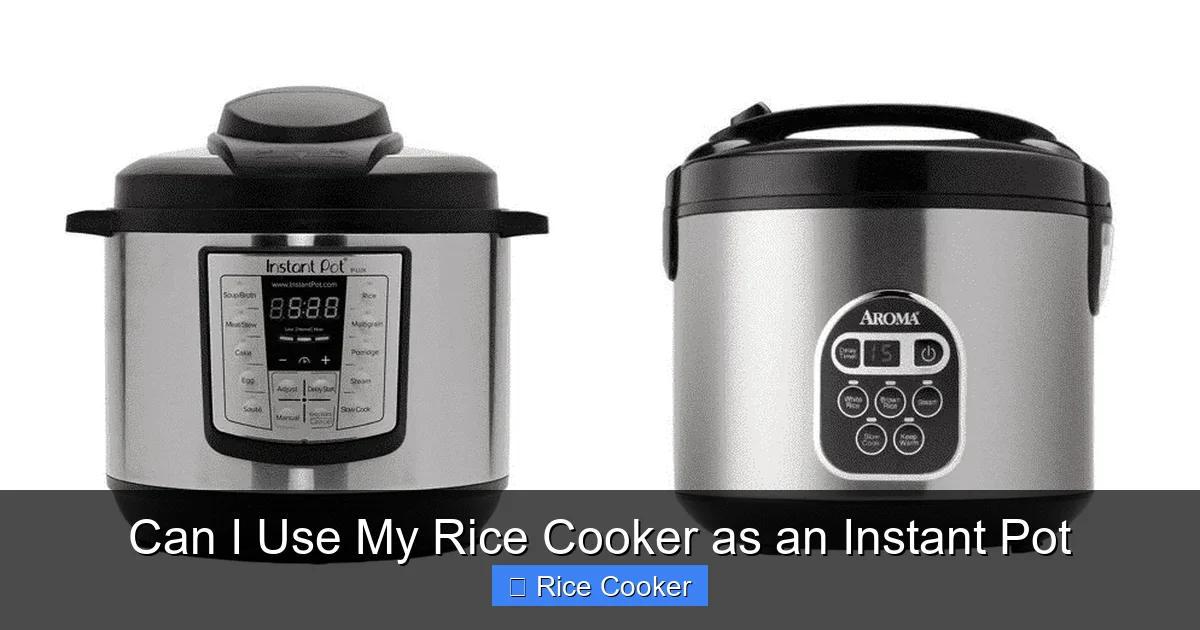
Visual guide about Can I Use My Rice Cooker as an Instant Pot
Image source: missvickie.com
At their heart, rice cookers and Instant Pots operate very differently. A rice cooker is essentially a smart pot that automatically switches from boiling to simmering once the water evaporates—keeping your rice warm until you’re ready to eat. It relies on dry-heat convection and steam to cook grains evenly.
An Instant Pot, on the other hand, is a pressure cooker first. It seals tightly, traps steam, and raises internal temperature above 212°F (100°C)—the boiling point of water—to cook food faster. This pressurized environment softens tough cuts of meat, beans, and grains in minutes instead of hours.
So while both can make rice, only the Instant Pot can do things like:
– Cook beans from dry in under an hour
– Make yogurt safely
– Simmer stews without constant stirring
– Sterilize jars or sanitize baby bottles
If you need those kinds of functions, a rice cooker simply isn’t built for them—no matter how much you wish it were.
What About Modern Rice Cookers?
Some newer rice cookers do come with extra features. For example, models like the Zojirushi NS-ZCC10 or Cuckoo CRP-FB1075FWP include:
– Slow cook modes
– Steam baskets
– Yogurt settings
– Even soup or porridge functions
These add flexibility, but don’t confuse them with full pressure cooking. Even with a steamer basket, you can’t create the high-pressure environment needed for true Instant Pot recipes like pulled pork or chili.
Think of it this way: Your rice cooker is like a reliable sedan. It gets you where you need to go—fast, safely, comfortably. But if you want a sports car that can race, tow trailers, and climb mountains, you’ll need something different.
When Can You Substitute One for the Other?
Despite the technical differences, there are situations where using your rice cooker as a makeshift Instant Pot might work—with caveats.
1. Making Rice (Obviously)
Both appliances excel at this. In fact, most people say rice tastes slightly fluffier in a rice cooker. So if you’re just making basmati, jasmine, or brown rice, stick with the rice cooker. It’s simpler, quieter, and more energy-efficient.
2. Steaming Vegetables or Fish
Many rice cookers come with a steam tray. Pop in broccoli, fish fillets, or dumplings, and you’ve got healthy sides ready in 10–15 minutes. This mimics the steaming function of an Instant Pot, though again—no pressure involved.
3. Cooking Oatmeal or Porridge
Set your rice cooker to porridge mode, add oats, milk, and a pinch of salt. Close the lid, press start, and wake up to creamy overnight oats or hot breakfast porridge—just like you would in an Instant Pot.
4. Slow Cooking Simple Dishes
If your rice cooker has a slow cook setting (check the manual!), you can make simple braises or soups. For example, toss chicken thighs with broth, carrots, and herbs, set it to low for 4 hours, and you’ll have tender meat with minimal effort.
But remember: even with these added functions, you’re not replicating pressure cooking. So forget about recipes that rely on trapped steam and rapid cooking times.
The Risks of Using a Rice Cooker Like an Instant Pot
Here’s where things get dangerous—and why experts strongly advise against trying to force a rice cooker into pressure-cooking roles.
Lack of Sealed Lid Design
Instant Pots have triple-sealing gaskets and locking mechanisms to handle extreme pressure. Rice cookers? They’re designed to vent steam gently. Trying to seal one completely (like you’d do for pressure cooking) could warp the lid or crack the pot body.
No Safety Valves or Pressure Release
Pressure cookers include fail-safes—pressure release valves, overfill protection, and thermal fuses—to prevent explosions. A rice cooker has none. If something goes wrong, you risk burns, mess, or worse.
Material Limitations
Most rice cookers use aluminum or plastic components rated only for boiling water temperatures. High heat and pressure can melt or deform parts not meant for such stress.
In short: Don’t try to turn your rice cooker into a pressure cooker. It’s not built for it, and doing so could be unsafe.
Better Alternatives: What Should You Do Instead?
So if you can’t use your rice cooker as an Instant Pot, what’s the solution?
Option 1: Keep Both Appliances
If you cook often and value variety, having both makes sense. Use the rice cooker for daily staples and the Instant Pot for special meals. Many kitchens thrive with this duo.
Option 2: Buy a Combo Unit
Look for appliances like the Instant Pot Duo Crisp + Air Fryer (which also does rice cooking) or the Zojirushi Neo Eco RC-KE10XJ (a rice cooker with a built-in steamer). These combine functions without taking up extra counter space.
Option 3: Upgrade Your Rice Cooker
Some brands now offer “smart” rice cookers with advanced settings. While still not true pressure cookers, they’re closer to multi-tools. Just don’t expect them to replace your Instant Pot entirely.
Option 4: Use the Right Tool for Each Job
This might sound obvious, but it’s worth repeating: Use your rice cooker for rice, oatmeal, and steaming. Use your Instant Pot for soups, stews, beans, and anything needing pressure.
It’s not about having fewer gadgets—it’s about having the best gadget for the task.
Real-World Examples: When It Almost Works
Let’s look at some practical scenarios where people try (and sometimes succeed) in using a rice cooker like an Instant Pot.
Scenario 1: Cooking Dried Beans
An Instant Pot can cook dried black beans in 25 minutes. A rice cooker? Not so fast. Even with a long cook time, beans won’t soften enough to be edible. Plus, without pressure, you risk undercooked or mushy results.
Scenario 2: Making Hard-Boiled Eggs
Both appliances can do this. Add eggs to water, cook for 6–8 minutes, then ice-bathe. Easy peasy. No pressure needed here—just consistent heat.
Scenario 3: Yogurt Production
Many rice cookers have a yogurt setting. Set it to maintain 180°F for 12+ hours, stir occasionally, and you’ll get tangy homemade yogurt. Again, no pressure—just warmth and time.
So while you can mimic some functions, you’re missing out on the core advantage of an Instant Pot: speed through pressure.
Energy Efficiency and Cost Comparison
You might wonder: Is it cheaper to buy a second appliance or just upgrade?
On average:
– A basic rice cooker: $30–$60
– An Instant Pot: $70–$150
– A combo unit: $120–$200
If you already own both, great! But if you’re starting from scratch, consider your cooking habits. Do you eat rice every day? Then invest in a good rice cooker. Do you love one-pot meals and quick dinners? Go with an Instant Pot.
And remember: Energy use is minimal for both. A rice cooker uses about 300 watts; an Instant Pot uses slightly more during pressure building but overall efficiency depends on recipe type.
Expert Tips for Getting the Most Out of Both Appliances
Want to make your kitchen smarter? Follow these pro tips:
Tip 1: Read the Manual
Seriously. Every model is different. Some rice cookers have hidden gems—like a “warm” function that keeps food at 140°F instead of burning it.
Tip 2: Use the Steamer Basket Wisely
Even if you don’t have pressure, steaming preserves nutrients. Try fish, tofu, or green beans over rice—they’ll taste amazing.
Tip 3: Layer Cooking
Cook rice in the main pot, then add vegetables to the steamer basket. Done in one cycle.
Tip 4: Clean Immediately
Rice cookers collect starch. Rinse the inner pot after each use to prevent sticking and odors.
Tip 5: Experiment Safely
Try new recipes gradually. If your rice cooker doesn’t have a specific function, research alternatives or adjust timing.
Final Thoughts: Know Your Tools
Back to the original question: Can I use my rice cooker as an Instant Pot?
The honest answer is: only in limited ways, and never for true pressure cooking. They serve overlapping but distinct purposes. Think of them as cousins—similar faces, different talents.
If you love both appliances, embrace their differences. If you’re choosing between them, match the tool to your lifestyle. And if you’re worried about clutter or cost, look for combo units that blend the best of both worlds.
At the end of the day, the best kitchen is one filled with the right tools—not too many, not too few, but exactly what you need to make delicious meals with confidence.
Now go cook something great. Whether it’s fluffy rice in your cooker or tender pulled pork in your Instant Pot, you’ve got this.
Frequently Asked Questions
Can I use my rice cooker instead of an Instant Pot for making soup?
Only for simple soups. A rice cooker can simmer brothy soups like miso or tomato, but it can’t handle thick stews or recipes requiring pressure. The lack of sealed lid means flavors won’t concentrate like they do in an Instant Pot.
Do all rice cookers have a steam function?
Not all, but many modern ones do. Look for models with included steamer baskets or check your manual. Even if yours doesn’t, you can improvise with perforated lids or foil packets.
Is it safe to seal a rice cooker lid completely like an Instant Pot?
Absolutely not. Rice cookers aren’t designed for pressure buildup. Forcing a tight seal could damage the appliance or cause injury due to trapped steam.
Which is better for cooking rice: a rice cooker or an Instant Pot?
Rice cookers generally produce fluffier, more consistently cooked rice because they’re optimized for grain hydration and heat control. Instant Pots can make good rice, but it may be stickier unless you use the dedicated rice setting.
Can I make yogurt in a rice cooker?
Yes, if your model has a yogurt setting. Maintain a steady 180°F for 12–24 hours. Stir occasionally and refrigerate after fermentation for best results.
Should I buy an Instant Pot if I already have a rice cooker?
Only if you frequently cook beans, stews, or need faster meal prep. Otherwise, your rice cooker likely covers most basics. Consider a combo unit if counter space is tight.