
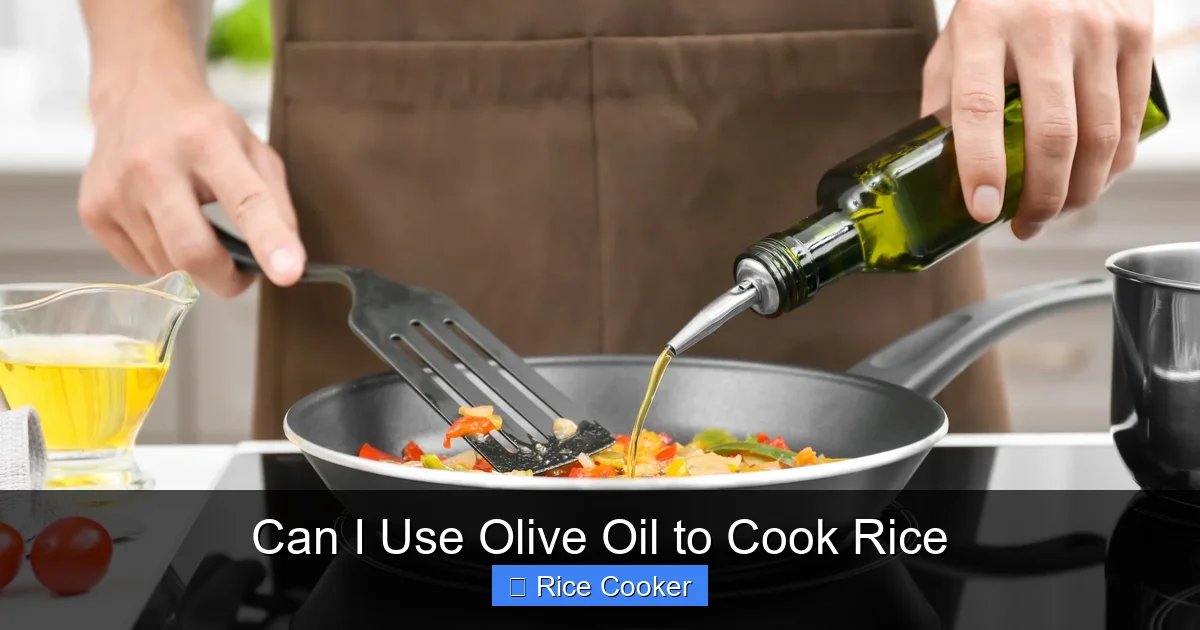
You absolutely can use olive oil to cook rice, and doing so adds richness, enhances flavor, and boosts the nutritional value of your meal. Whether you’re making fluffy white rice or aromatic brown rice, a drizzle of olive oil makes a big difference. In fact, using olive oil in your rice cooker is simple, safe, and surprisingly delicious—especially when you choose high-quality extra virgin olive oil.
Can I Use Olive Oil to Cook Rice?
Have you ever wondered whether olive oil belongs in the rice cooker? Maybe you’ve seen it in a gourmet recipe or heard a chef mention it as a secret ingredient for perfect rice. The short answer? Absolutely yes. Olive oil isn’t just for salads anymore—it’s a versatile cooking companion that can elevate your rice from basic to brilliant. Whether you’re aiming for fluffier grains, richer aroma, or healthier meals, olive oil delivers on all fronts.
Rice is one of the world’s most consumed staple foods, second only to wheat in global popularity. From biryanis in India to risotto in Italy and fried rice in China, rice plays a starring role across cultures. Yet many home cooks stick to plain water and salt, missing out on subtle enhancements that transform a simple side into a memorable dish. Enter olive oil: a pantry powerhouse known for its health benefits, complex flavor, and culinary adaptability.
In this article, we’ll explore everything you need to know about using olive oil to cook rice—how it works, which types of rice benefit most, safety considerations, and creative ways to incorporate it into your meals. By the end, you’ll feel confident adding that golden drizzle to your next pot of rice.
Why Olive Oil Makes Rice Better
Before diving into recipes or techniques, let’s talk about why olive oil deserves a spot in your rice cooker. Unlike butter or lard, olive oil doesn’t overpower delicate flavors—instead, it harmonizes and deepens them. Its mild, fruity notes add depth without dominating the dish, making it ideal for both everyday sides and special occasions.
One of the biggest advantages of using olive oil is improved texture. When rice absorbs water, the starches gelatinize and bind together, sometimes resulting in clumpy or sticky grains. A small amount of olive oil coats each grain slightly, reducing starch-to-starch adhesion. This leads to individual grains staying separate and fluffy—even after the rice has cooled.
Nutritionally, swapping plain water for olive-oil-infused liquid boosts your intake of heart-healthy monounsaturated fats. These fats help lower bad cholesterol (LDL) while supporting brain and cellular function. Plus, olive oil contains antioxidants like polyphenols, which have anti-inflammatory properties.
Finally, olive oil acts as a natural non-stick agent inside your rice cooker. No more scrubbing burnt residue off the inner pot! Just remember to use a light hand—too much oil can make rice greasy or alter its absorption rate.
Choosing the Right Olive Oil
Not all olive oils are created equal, and selecting the wrong type could affect both taste and safety. For cooking rice, you want an oil that can handle moderate heat without breaking down or smoking excessively.
Extra Virgin Olive Oil (EVOO) is your best bet. Made from cold-pressed olives with no chemical processing, EVOO retains its rich flavor, aroma, and nutritional benefits. While it has a lower smoke point (~375°F / 190°C) than refined oils like canola or vegetable oil, it still performs well in standard rice-cooking temperatures (around 212°F / 100°C at sea level).
Avoid using low-quality or lampante olive oil, which may contain impurities and unpleasant flavors. Also steer clear of flavored or infused olive oils unless you’re specifically aiming for a bold twist—such as garlic or chili-infused rice.
If you don’t have EVOO on hand, light or pure olive oil works in a pinch. These versions have a higher smoke point and neutral taste, but they lack some of the antioxidant punch of extra virgin. Still, they won’t ruin your rice—just opt for organic or cold-pressed varieties when possible.
How Much Olive Oil Should You Use?
The key to success lies in moderation. Too little oil won’t make a noticeable difference; too much will leave your rice greasy and overly saturated. As a general rule:
– For every 1 cup (185g) of dry rice, use **1 to 2 tablespoons** of olive oil.
– Adjust based on rice variety: long-grain white rice benefits from less oil than short-grain or sushi rice.
– If you’re adding other liquids (like broth or wine), reduce the oil slightly to maintain balance.
Start with one tablespoon and taste-test afterward. You can always add more during seasoning if desired.
Step-by-Step Guide: Cooking Rice with Olive Oil in a Rice Cooker
Using olive oil in a rice cooker is incredibly straightforward. Follow these simple steps for foolproof results every time:
1. Rinse Your Rice: Place rice in a fine-mesh strainer and rinse under cool water until the water runs clear. This removes excess starch and prevents gumminess.
2. Measure Ingredients Accurately: Use a kitchen scale or measuring cups for consistency. Ratios vary by grain type:
– White rice: 1 cup rice : 1.5 cups water
– Brown rice: 1 cup rice : 1.75 cups water
– Jasmine/basmati: 1 cup rice : 1.25 cups water
3. Add Olive Oil First: Pour your chosen amount of olive oil into the inner pot of the rice cooker. Swirl it around to coat the bottom lightly.
4. Add Rice and Water: Transfer rinsed rice to the pot and pour in water. Stir gently once to distribute oil evenly.
5. Close Lid and Start Cycle: Select the appropriate setting (“White Rice,” “Brown Rice,” etc.) and press start. Let the machine do its work.
6. Rest Before Fluffing: Once cooking completes, let the rice sit for 5–10 minutes with the lid closed. This allows steam to redistribute moisture evenly.
7. Gently Fluff with a Fork: Avoid aggressive stirring to preserve grain integrity. Lightly fork through to aerate.
Pro Tip: For extra flavor, sauté minced garlic or shallots in the olive oil before adding rice and water. This builds a savory foundation perfect for pilafs or risottos.
Olive Oil vs. Other Oils: What’s Best for Rice?
While olive oil shines in many applications, it’s worth comparing it to other common cooking oils:
| Oil Type | Smoke Point | Flavor Profile | Best For Rice? |
|——————-|——————|——————–|—————-|
| Extra Virgin Olive Oil | ~375°F (190°C) | Fruity, peppery | ✅ Yes |
| Refined Olive Oil | ~468°F (242°C) | Neutral | ✅ Acceptable |
| Avocado Oil | ~520°F (271°C) | Mild, nutty | ✅ Excellent |
| Coconut Oil | ~350°F (177°C)* | Sweet, tropical | ⚠️ Only if you like coconut flavor |
| Canola/Vegetable | ~400°F (204°C) | Very neutral | ✅ Safe, but bland |
*Note: Refined coconut oil has a higher smoke point, but unrefined (virgin) coconut oil imparts strong flavor.
Avocado oil stands out as a top alternative due to its high smoke point and neutral taste. It also contains healthy fats similar to olive oil. However, it lacks the distinctive aroma that makes EVOO unique.
Coconut oil can work if you enjoy its signature sweetness—perfect for Thai-inspired dishes or desserts like coconut rice pudding. But for plain white or brown rice, it might be overkill.
Ultimately, olive oil remains the favorite for its balance of flavor, health benefits, and accessibility. Stick with extra virgin for the best results.
Health Benefits of Using Olive Oil in Rice
Beyond improving taste and texture, incorporating olive oil into rice offers meaningful health perks. Here’s what you gain:
– **Heart Health**: Monounsaturated fats in olive oil reduce inflammation and improve lipid profiles.
– **Antioxidant Support**: Polyphenols combat oxidative stress linked to chronic diseases.
– **Improved Nutrient Absorption**: Healthy fats enhance absorption of fat-soluble vitamins (A, D, E, K) present in rice-based meals.
– **Digestive Comfort**: Olive oil acts as a gentle lubricant for the digestive tract.
Of course, portion control matters. While olive oil is healthy, it’s calorie-dense (about 120 calories per tablespoon). Pair it wisely with vegetables, lean proteins, and whole grains for balanced meals.
Creative Ways to Use Olive Oil in Rice Dishes
Don’t limit yourself to plain cooked rice! Olive oil opens up endless possibilities:
– **Garlic Herb Rice**: Sauté minced garlic in olive oil before adding rice and water. Finish with chopped parsley, lemon zest, and a pinch of salt.
– **Lemon & Thyme Pilaf**: Replace half the water with chicken or vegetable broth. Add thyme sprigs and a strip of lemon peel while cooking.
– **Mediterranean Grain Bowl**: Cook quinoa or farro in olive oil-infused water. Top with roasted veggies, feta, olives, and a drizzle of more EVOO.
– **Spiced Rice (Pilau Style)**: Toast cumin, coriander, and cinnamon in olive oil before adding rice. Perfect with lamb or chickpeas.
– **Fried Rice Upgrade**: Instead of skipping oil altogether, use olive oil to sauté onions, carrots, and peas before adding cooked, cooled rice and eggs.
These variations turn rice into the star of the plate—not just a filler.
Common Mistakes to Avoid
Even experienced cooks occasionally stumble. Watch out for these pitfalls:
– **Overcrowding the Pot**: Always follow recommended rice-to-water ratios. Extra rice = denser, stickier results.
– **Skipping Rinsing**: Unrinsed rice releases too much starch, leading to gummy textures—even with oil.
– **Using Too Much Oil**: More isn’t better. Excess oil dilutes rice’s natural flavor and increases calories unnecessarily.
– **Ignoring Rice Variety Differences**: Brown rice needs longer soaking and slightly more liquid than white rice.
– **Not Letting Rice Rest**: Skipping the resting phase causes uneven moisture distribution and mushy grains.
Troubleshooting Tips
What if your rice turns out sticky despite using oil? Try rinsing more thoroughly or reducing water by 1–2 tablespoons. Conversely, if rice feels dry, add a splash of hot water and cover for 5 minutes.
For burnt bottom layers, ensure your rice cooker’s heating element isn’t damaged. Non-stick inner pots usually prevent this, but old models may need replacement.
If flavor seems weak, consider deglazing the pan with a bit of broth or wine after sautéing aromatics in olive oil before adding rice.
Environmental and Ethical Considerations
More than 90% of global olive oil comes from Spain, Italy, Greece, and California. Choosing sustainably sourced EVOO supports eco-friendly farming practices and fair trade. Look for certifications like USDA Organic, Fair Trade, or PDO (Protected Designation of Origin) on labels.
Also, consider glass packaging over plastic—it preserves freshness and reduces waste.
Frequently Asked Questions
Is olive oil safe to use in a rice cooker?
Yes, olive oil is completely safe for rice cookers. Its smoke point exceeds typical cooking temperatures, and it won’t damage your appliance. Just avoid overfilling or using metal utensils that scratch non-stick coatings.
Does olive oil change the color of rice?
No significant color change occurs. Rice remains white, brown, or whatever original hue it had. The oil simply coats the grains invisibly, enhancing appearance subtly.
Can I use olive oil for instant rice?
Instant rice typically requires minimal water and no pre-soaking. Adding olive oil is optional but not necessary—it may slightly alter texture. Follow package instructions first, then experiment later.
Will olive oil keep rice warm longer in the cooker?
Not really. Most modern rice cookers switch to “warm” mode automatically after cooking. Oil doesn’t extend this phase, but it helps retain moisture and softness.
Can children eat olive oil-rice?
Absolutely! Olive oil is recognized as safe for all ages. It’s commonly used in baby foods and toddler meals for added nutrition and palatability.
How do I store leftover olive oil rice?
Refrigerate within two hours of cooking. Store in an airtight container for up to 4 days. Reheat gently on the stove or microwave with a splash of water to revive fluffiness.
Conclusion
Cooking rice with olive oil is a game-changer—simple, smart, and delicious. It takes just seconds to add that golden drizzle, yet the impact on flavor, texture, and nutrition is profound. Whether you’re feeding a family dinner or preparing a romantic meal for two, this small upgrade makes a big difference.
Remember: quality matters. Choose extra virgin olive oil, measure wisely, rinse your grains, and let the rice rest. With these basics down, you’re ready to explore countless variations—from spiced pilafs to fragrant herb blends.
Your rice cooker isn’t just for reheating leftovers anymore. It’s a canvas, and olive oil is your brush. Go ahead—drizzle, simmer, savor. Your taste buds (and waistline) will thank you.
Key Takeaways
- Olive oil improves texture: It creates a softer, silkier mouthfeel by preventing starch from over-gelling during cooking.
- Enhances flavor profile: The mild fruitiness of olive oil complements rice, especially when used with herbs, garlic, or lemon zest.
- Adds heart-healthy fats: Extra virgin olive oil contributes monounsaturated fats that support cardiovascular health.
- Non-stick benefit: A light coating reduces sticking in the rice cooker bowl and makes cleanup easier.
- Safe for most rice types: Works well with white, brown, jasmine, basmati, and wild rice varieties.
- Best practices matter: Use the right amount (1–2 tablespoons), avoid overheating, and stir gently if needed.
- Cooking method flexibility: You can use olive oil in both stovetop and rice cooker methods—just adjust timing slightly.
Frequently Asked Questions
Is olive oil safe to use in a rice cooker?
Yes, olive oil is completely safe for rice cookers. Its smoke point exceeds typical cooking temperatures, and it won’t damage your appliance. Just avoid overfilling or using metal utensils that scratch non-stick coatings.
Does olive oil change the color of rice?
No significant color change occurs. Rice remains white, brown, or whatever original hue it had. The oil simply coats the grains invisibly, enhancing appearance subtly.
Can I use olive oil for instant rice?
Instant rice typically requires minimal water and no pre-soaking. Adding olive oil is optional but not necessary—it may slightly alter texture. Follow package instructions first, then experiment later.
Will olive oil keep rice warm longer in the cooker?
Not really. Most modern rice cookers switch to “warm” mode automatically after cooking. Oil doesn’t extend this phase, but it helps retain moisture and softness.
Can children eat olive oil-rice?
Absolutely! Olive oil is recognized as safe for all ages. It’s commonly used in baby foods and toddler meals for added nutrition and palatability.
How do I store leftover olive oil rice?
Refrigerate within two hours of cooking. Store in an airtight container for up to 4 days. Reheat gently on the stove or microwave with a splash of water to revive fluffiness.