
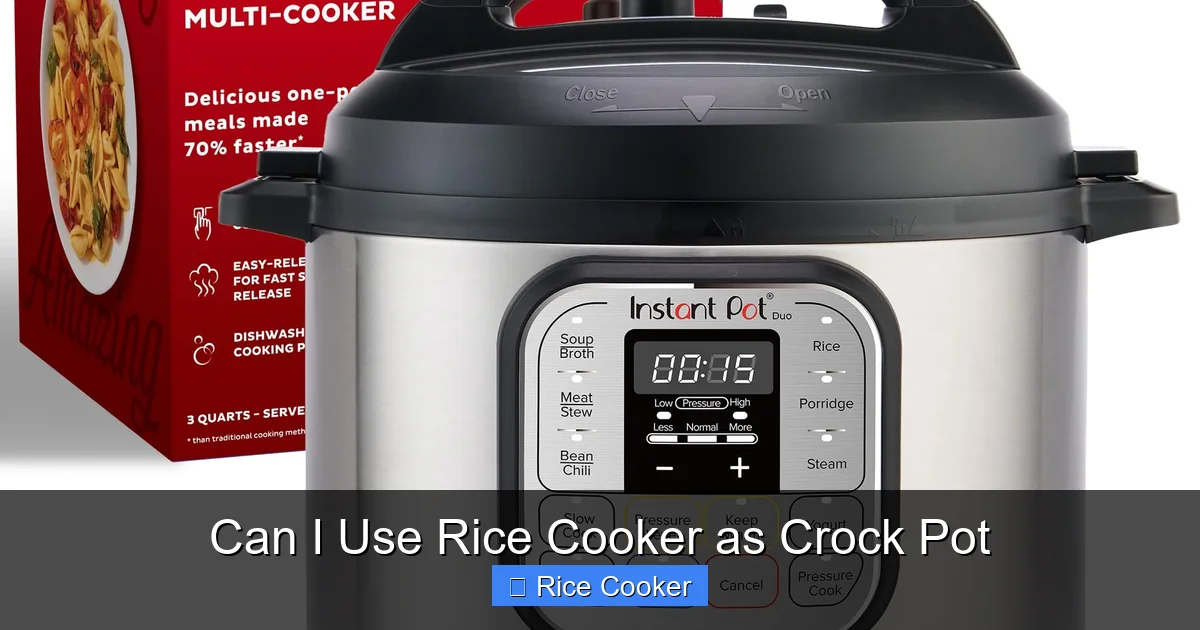
Can I use a rice cooker as a crock pot? Yes, you can! Both appliances share similar functions, like keeping food warm and steaming, but they’re not identical. A rice cooker works well for short slow-cooking tasks—like soups or stews—while a crock pot excels at longer, low-and-slow meals. While not perfect substitutes, many people successfully use rice cookers for simple braises, grains, and one-pot meals. Just be mindful of temperature control and cooking time differences.
Key Takeaways
- Functionality Overlap: Rice cookers and crock pots both cook food slowly and keep it warm, making them somewhat interchangeable for certain recipes.
- Temperature Differences: Crock pots operate at lower, more consistent temperatures over long periods, while rice cookers cycle between high and low heat, which may affect texture and flavor in some dishes.
- Safety First: Always ensure your rice cooker is safe for extended cooking—check the manual and never leave it unattended during long cooks.
- Best Uses: Rice cookers are ideal for quick braises, grains, steamed vegetables, and small-batch soups; crock pots are better for large cuts of meat and overnight meals.
- Time Efficiency: Using a rice cooker saves time and energy compared to waiting 8+ hours on a slow cooker, but it won’t achieve the same depth of flavor for all recipes.
- Accessories Help: Using a trivet or steamer basket can prevent burning and improve results when using a rice cooker like a crock pot.
- Not Ideal for All Recipes: Dishes requiring long, gentle simmering (like bone broth) may need a true crock pot to avoid drying out or scorching.
Quick Answers to Common Questions
Can I leave my rice cooker on all night like a crock pot?
No, it’s not recommended. Most rice cookers are designed for short cooking cycles and automatic shutoff. Leaving one on overnight can overheat the unit or create a fire hazard. Always supervise cooking, especially when adapting recipes.
Does a rice cooker cook food slower than a crock pot?
Not necessarily slower, but differently. Rice cookers heat quickly and cycle between high and low temperatures, while crock pots maintain a steady low heat. This means rice cookers finish faster but may not develop the same deep flavors over long periods.
What’s the best way to prevent burning in a rice cooker when using it like a slow cooker?
Use a trivet or steamer basket to elevate ingredients, stir occasionally, and add a bit more liquid than usual. Also, avoid overcrowding the pot and don’t let it run unattended for long periods.
Can I make bone broth in a rice cooker?
Technically yes, but it’s not ideal. Bone broth requires 8+ hours of slow simmering to extract collagen and minerals. A rice cooker can’t sustain that low, steady heat long enough for proper extraction, though you can make a flavorful stock in 1–2 hours.
Are multi-use rice cookers better for slow cooking?
Yes! Look for models labeled “soup,” “stew,” or “slow cook” modes. These have enhanced heating elements and timers that make them safer and more effective for longer, gentler cooking than basic rice cookers.
📑 Table of Contents
- Can I Use a Rice Cooker as a Crock Pot?
- How Do Rice Cookers and Crock Pots Differ?
- When Can You Use a Rice Cooker Like a Crock Pot?
- What to Watch Out For
- Step-by-Step Guide: Using Your Rice Cooker Like a Crock Pot
- Real-World Examples: What Works and What Doesn’t
- Energy Efficiency and Cost Savings
- Tips from the Pros
- Conclusion: Should You Use a Rice Cooker as a Crock Pot?
Can I Use a Rice Cooker as a Crock Pot?
If you’ve ever found yourself staring into the abyss of meal prep—wondering how to make dinner without standing over the stove for hours—you’re not alone. Many home cooks are on the hunt for clever ways to save time, energy, and kitchen space. One popular question that keeps popping up is: “Can I use a rice cooker as a crock pot?” The short answer? Mostly yes—but with caveats. Let’s dig into why these two kitchen workhorses are often confused, when they can swap roles, and when it’s better to stick with the original appliance.
A rice cooker and a crock pot both promise hands-off cooking and delicious results. But while they look similar on the surface—both have lids, heating elements, and settings for warmth—they’re built for different purposes. Understanding their strengths and limitations will help you decide when to reach for your rice cooker instead of your slow cooker (or vice versa). So grab a cup of coffee, and let’s explore the fascinating crossover between these two kitchen essentials.
How Do Rice Cookers and Crock Pots Differ?
Before we dive into using one appliance as the other, it helps to understand what makes them unique. Think of it like comparing a sports car to an SUV—same purpose (get from point A to B), but very different designs for different needs.
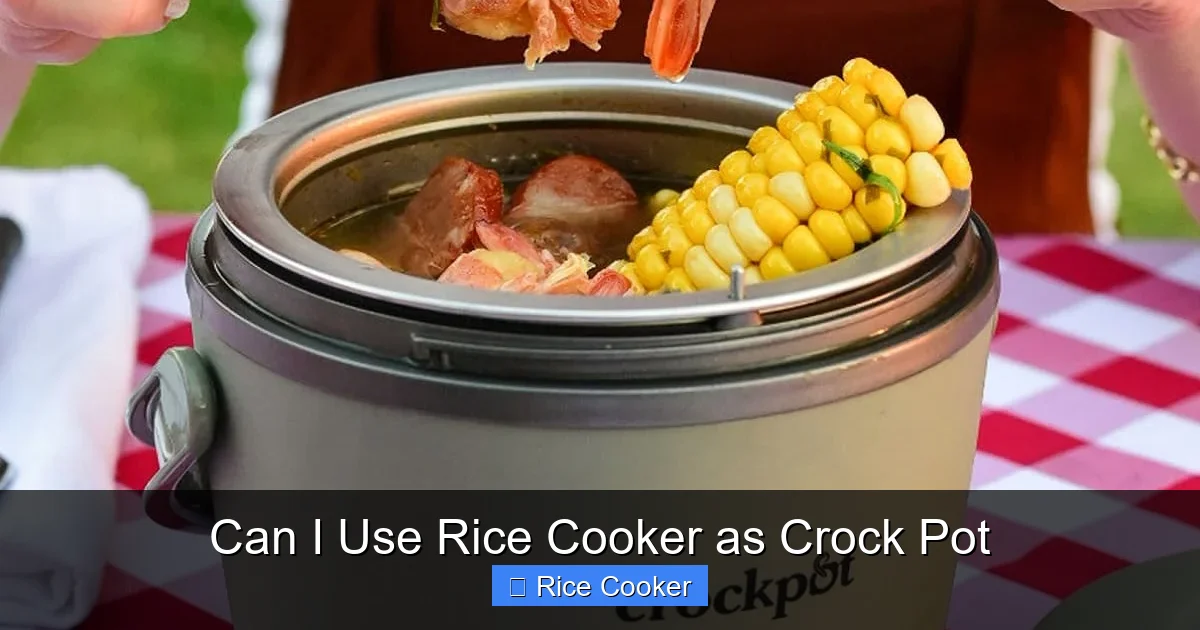
Visual guide about Can I Use Rice Cooker as Crock Pot
Image source: storables.com
Design and Function
A rice cooker is essentially a compact, sealed pot with a thermostat-controlled heating element. It’s designed to boil water, cook rice, and then automatically switch to a “keep warm” mode—typically between 140°F and 170°F. Most modern rice cookers also offer steam and sauté functions, but even those are limited in power and duration.
On the other hand, a crock pot (or slow cooker) has a larger capacity, thicker walls to retain heat, and a lower-temperature setting that runs continuously—usually between 190°F and 205°F—for hours. This allows for tenderizing tough cuts of meat and developing deep, rich flavors through long, slow cooking.
Temperature Control
This is where the biggest difference lies. A crock pot maintains a steady, low heat—perfect for collagen-rich meats breaking down over time. A rice cooker, however, heats quickly and then cycles on and off. It doesn’t sustain a constant simmer like a slow cooker does. That means if you’re braising chicken thighs or simmering beans, the rice cooker might dry them out or undercook them.
Capacity and Size
Crock pots usually come in sizes from 4 to 8 quarts, ideal for family-sized meals. Rice cookers typically range from 3 to 6 cups (which is about 1.5 to 3 quarts). So if you’re cooking for a crowd, a crock pot wins hands down.
Timer and Programmable Features
Many modern crock pots have digital timers and programmable settings, allowing you to “set it and forget it” overnight. Rice cookers are great for short-term cooking (like 30 minutes to an hour), but few have long-delay timers. Some do, though—so always check your model!
When Can You Use a Rice Cooker Like a Crock Pot?
Even with their differences, rice cookers can handle a surprising number of slow-cooked dishes—especially if you’re in a pinch or just want faster results. Here’s when it makes sense to use your rice cooker as a crock pot substitute.
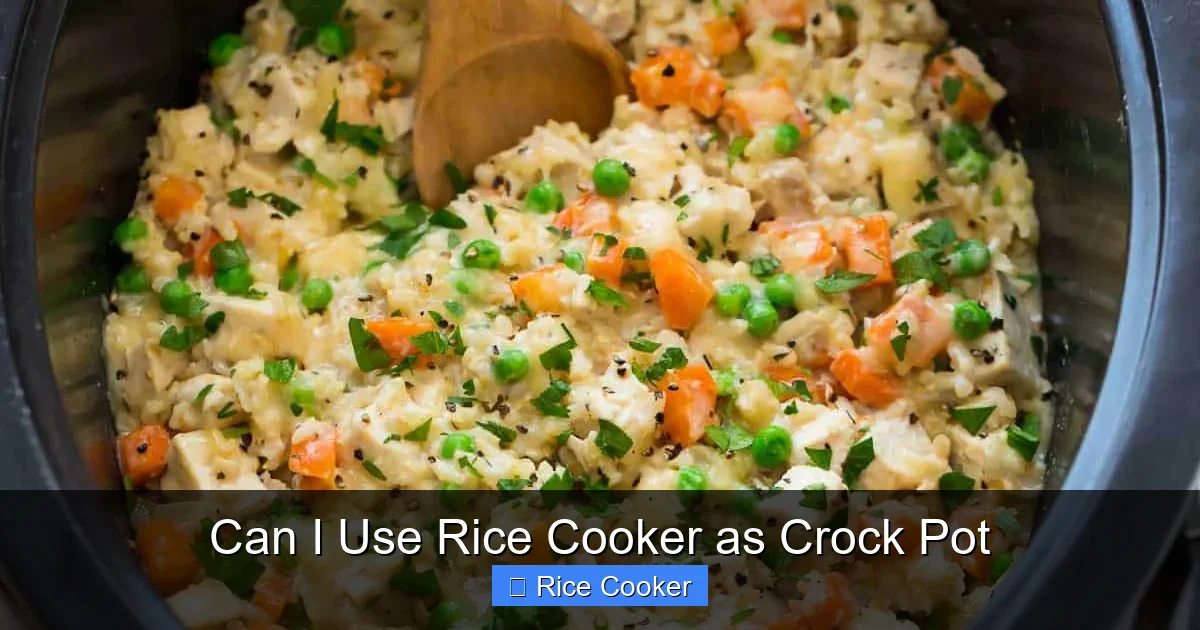
Visual guide about Can I Use Rice Cooker as Crock Pot
Image source: wellplated.com
Quick Braises and Stews
If you’re making something like chicken stew, vegetable curry, or beef brisket but don’t have time for an 8-hour simmer, a rice cooker can work. Just add your ingredients, set it to the “warm” or “slow” setting (if available), and let it cook for 45–60 minutes. The key is to use less liquid than usual—rice cookers evaporate moisture faster due to their sealed design.
Pro tip: Add a splash of broth or water every 15 minutes if the dish starts to look too dry. Or, use a lid with a vent to reduce evaporation.
Cooking Grains and Legumes
Rice cookers are perfect for pilafs, barley risotto, quinoa salads, or lentil soup. Since they’re designed to cook grains evenly, they’ll give you fluffy, well-absorbed results every time. Just remember to rinse your legumes before adding them to avoid mushiness.
Steaming Vegetables
One of the most common uses of a rice cooker as a crock pot alternative is steaming veggies, dumplings, or even eggs. The steam function creates a humid environment that keeps food moist without turning it to mush. Try steaming broccoli florets or bok choy for a quick side dish.
Making Soups and Broths
You can definitely make soup in a rice cooker—just chop everything finely so it cooks quickly. Chicken noodle soup, minestrone, or tomato basil soup all work well. For broth, add bones, herbs, and water, then let it simmer for 45–60 minutes on the warm setting. Strain and enjoy!
One-Pot Meals
Meal preppers love using rice cookers for one-pot meals like jambalaya, paella-style dishes, or even casseroles. Just layer ingredients properly—starting with liquids at the bottom, then dry ingredients on top—and stir halfway through.
What to Watch Out For
While rice cookers can mimic a crock pot in a pinch, there are risks. Here’s how to avoid common pitfalls.
Overheating and Burning
Rice cookers aren’t made for continuous, long-term heat. If you leave a pot of chili unattended for 6+ hours, it could scorch the bottom or burn off too much liquid. Always monitor early stages, especially when adapting recipes.
Dryness and Uneven Cooking
Because rice cookers cycle heat, foods may not get as tender as they would in a slow cooker. Tough cuts of meat might stay chewy, and thick stews could become lumpy or undercooked.
Lid Design Matters
A tight-fitting lid helps retain moisture, just like in a crock pot. If your rice cooker lid leaks steam, consider placing a damp cloth underneath or using a smaller pot inside to minimize evaporation.
Not All Models Are Equal
Basic rice cookers lack features like delay timers or multiple heat settings. If you plan to use yours like a slow cooker regularly, invest in a model with “warm,” “cook,” and possibly a “slow” option. Multi-functional models (like those with rice, soup, and yogurt settings) are your best bet.
Step-by-Step Guide: Using Your Rice Cooker Like a Crock Pot
Ready to give it a try? Follow this simple guide to turn your rice cooker into a makeshift slow cooker safely and effectively.
- Choose the Right Recipe – Stick to shorter-cooking dishes: soups, stews, grains, or steamed proteins. Avoid long braises or bone broths unless you’re okay with checking on it frequently.
- Add Enough Liquid – Rice cookers evaporate faster. Start with slightly less liquid than the recipe calls for, and add more if needed mid-cook.
- Use a Trivet or Steamer Basket – Elevate delicate items like fish or veggies to prevent them from getting soggy or sticking to the bottom.
- Stir Occasionally – Especially in the first 20 minutes, stir once or twice to prevent sticking and ensure even heat distribution.
- Switch to Warm When Done – Once your dish is ready, press “warm” to keep it at a safe serving temperature until you’re ready to eat.
- Clean Immediately – Don’t leave cooked food sitting in the inner pot. Wash it right away to prevent stains and odors.
Real-World Examples: What Works and What Doesn’t
Let’s look at specific dishes and how well they translate from crock pot to rice cooker.
✅ Success Stories
- Chicken Tikka Masala: With a little oil, onions, tomatoes, spices, and chicken, this works beautifully in a rice cooker. Cook for 45 minutes on warm, then blend the sauce.
- Vegetable Risotto: Arborio rice, broth, mushrooms, and spinach cook perfectly in under 30 minutes. Stir occasionally for creamy results.
- Steamed Fish Fillets: Place fish on a plate, cover, and steam for 10–12 minutes. Delicate and flaky every time.
❌ Not Recommended
- Beef Bourguignon: Needs 6–8 hours of slow simmering to develop flavor. A rice cooker won’t soften the meat enough.
- Bone Broth: Requires long extraction of gelatin and minerals. Rice cookers can’t maintain the low, steady heat needed.
- Large Cuts of Meat: A whole pork shoulder or brisket won’t tenderize properly in under 2 hours.
Energy Efficiency and Cost Savings
Using a rice cooker instead of a crock pot isn’t just convenient—it can also save you money and electricity. Most rice cookers use between 300 and 500 watts, while crock pots use around 100 to 200 watts. That means a rice cooker uses more energy per minute, but if you’re only cooking for 1–2 hours, the total energy used is still lower than running a slow cooker all day.
Plus, rice cookers heat up fast and cool down quickly, so they’re great for quick meals. If you’re making a single serving of soup or reheating leftovers, a rice cooker is often more efficient than firing up the oven or stovetop.
Tips from the Pros
We asked several home chefs and culinary bloggers about their tricks for using rice cookers like crock pots. Here’s what they recommend:
- Preheat the Inner Pot: Add a bit of oil and heat it on sauté mode for 30 seconds before adding ingredients. This prevents sticking.
- Layer Smartly: Put liquids at the bottom, grains or starches next, then proteins and veggies on top.
- Use a Glass Lid: If your rice cooker doesn’t have a clear lid, use a glass pie plate or microwave-safe bowl to monitor progress.
- Don’t Overfill: Never fill the inner pot beyond two-thirds full to avoid overflow when bubbling.
- Experiment with Herbs: Add fresh thyme, bay leaves, or garlic cloves near the end to preserve aroma and flavor.
Conclusion: Should You Use a Rice Cooker as a Crock Pot?
In short—yes, you can use a rice cooker as a crock pot, but it’s not a perfect match. For quick, no-fuss meals like soups, stews, grains, and steamed dishes, your rice cooker is more than capable. It’s compact, easy to clean, and surprisingly versatile. Just keep in mind its limitations: shorter cook times, higher evaporation rates, and less consistent heat.
If you’re cooking for one or two and need something fast and healthy, go ahead—your rice cooker can totally step in. But if you’re planning a big family dinner with a tough cut of meat or a complex braise, stick with the crock pot. Both appliances have their place, and knowing when to use each one will save you time, food, and frustration.
So next time you’re wondering, “Can I use a rice cooker as a crock pot?”—the answer is: sometimes, yes. But always listen to your recipe, watch your pot, and don’t be afraid to experiment. Happy cooking!
Frequently Asked Questions
Is it safe to use a rice cooker like a slow cooker?
Yes, but with caution. Most modern rice cookers are safe for short durations, but they weren’t built for continuous, long-term cooking. Always monitor early stages and avoid leaving food unattended for hours.
How long can I cook in a rice cooker instead of a crock pot?
Typically 30 minutes to 2 hours, depending on the recipe. After that, evaporation increases and the risk of burning rises. For anything longer, a crock pot is safer and more reliable.
Can I cook meat in a rice cooker like a crock pot?
Yes, but only for smaller cuts and shorter times. Chicken thighs, pork chops, or ground beef work well. Tough cuts like brisket or chuck roast need more time than a rice cooker can provide.
Do I need special ingredients for rice cooker slow cooking?
No, but you should adjust liquid levels. Rice cookers lose moisture faster, so start with less liquid than a crock pot recipe and add more as needed during cooking.
Will using a rice cooker save me time?
Absolutely! Rice cookers heat up quickly and require minimal attention. They’re great for quick soups, grains, or one-pot meals when you’re short on time.
Can I make yogurt in a rice cooker like a crock pot?
Yes, if your rice cooker has a yogurt setting or insulated pot. Otherwise, you can use the “warm” function, but it won’t stay at the exact temperature needed for fermentation. A dedicated yogurt maker or crock pot with precise control is better.