
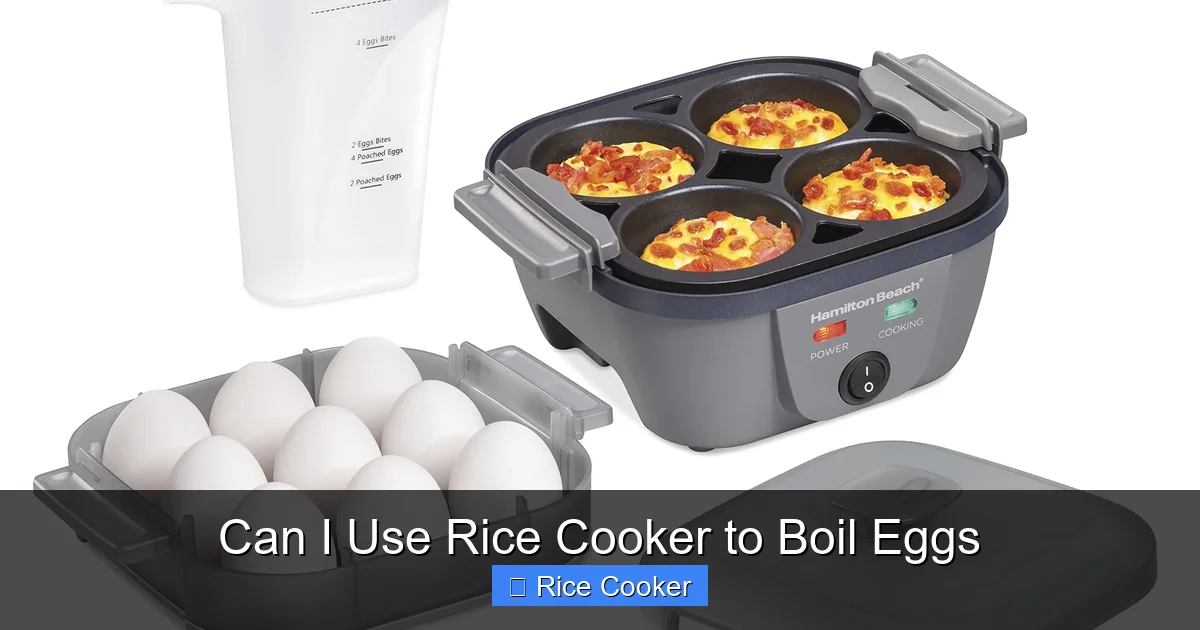
Can I use a rice cooker to boil eggs? The answer is yes! With just water and a little timing, your rice cooker can cook eggs faster and more evenly than traditional stovetop methods. Whether you’re meal prepping or making breakfast in a hurry, this clever hack saves time and energy. Plus, cleanup is a breeze since you won’t need pots, pans, or extra dishes.
Key Takeaways
- Yes, you can safely boil eggs in a rice cooker. It uses steam and gentle heat to cook eggs without direct contact with hot surfaces.
- It’s faster and more consistent than boiling on the stove. The controlled environment of a rice cooker helps prevent overcooking.
- You’ll save time and reduce kitchen mess. No bubbling pots or splatters—just set it and forget it.
- Soft, medium, and hard-boiled eggs all work well. Adjust cooking times based on your preference.
- It’s ideal for large batches. Perfect for families or meal prep with minimal effort.
- Cleaning is simple. Most rice cookers have non-stick inner pots that are dishwasher-safe.
- Bonus: You can multitask. While your eggs cook, prep other breakfast items or even start a pot of rice.
📑 Table of Contents
- Can I Use Rice Cooker to Boil Eggs? Absolutely Yes!
- Why Use a Rice Cooker for Boiling Eggs?
- How to Boil Eggs in a Rice Cooker (Step-by-Step)
- Tips for Perfect Rice Cooker Eggs
- Common Mistakes to Avoid
- Can You Cook Other Things in a Rice Cooker with Eggs?
- Comparing Rice Cooker vs. Stovetop Boiling
- Egg Varieties You Can Cook in a Rice Cooker
- Maintenance Tips for Your Rice Cooker
- Creative Ways to Use Boiled Rice Cooker Eggs
- FAQs About Using a Rice Cooker to Boil Eggs
- Final Thoughts: Why Every Kitchen Needs This Hack
Can I Use Rice Cooker to Boil Eggs? Absolutely Yes!
If you’ve ever found yourself staring at a pot of boiling water, wondering if there’s an easier way to cook eggs, you’re not alone. Many home cooks love the simplicity of a rice cooker—but did you know it can do more than just cook grains? One surprising trick is using your rice cooker to boil eggs. It’s quick, efficient, and surprisingly reliable. In this guide, we’ll walk you through everything you need to know about boiling eggs in a rice cooker, from setup to serving suggestions.
Whether you’re making breakfast for one or preparing meals for the week, this method offers a smart alternative to the classic stovetop technique. Not only does it reduce cleanup, but it also eliminates the risk of overcooked or rubbery eggs. So, grab your rice cooker and let’s dive into how you can turn it into an egg-braising powerhouse.
Why Use a Rice Cooker for Boiling Eggs?
Before we get into the step-by-step process, let’s talk about why this method works so well. Unlike boiling eggs on the stove, where temperature control can be tricky, a rice cooker maintains a steady, moderate heat. This means your eggs cook evenly without scorching or cracking.
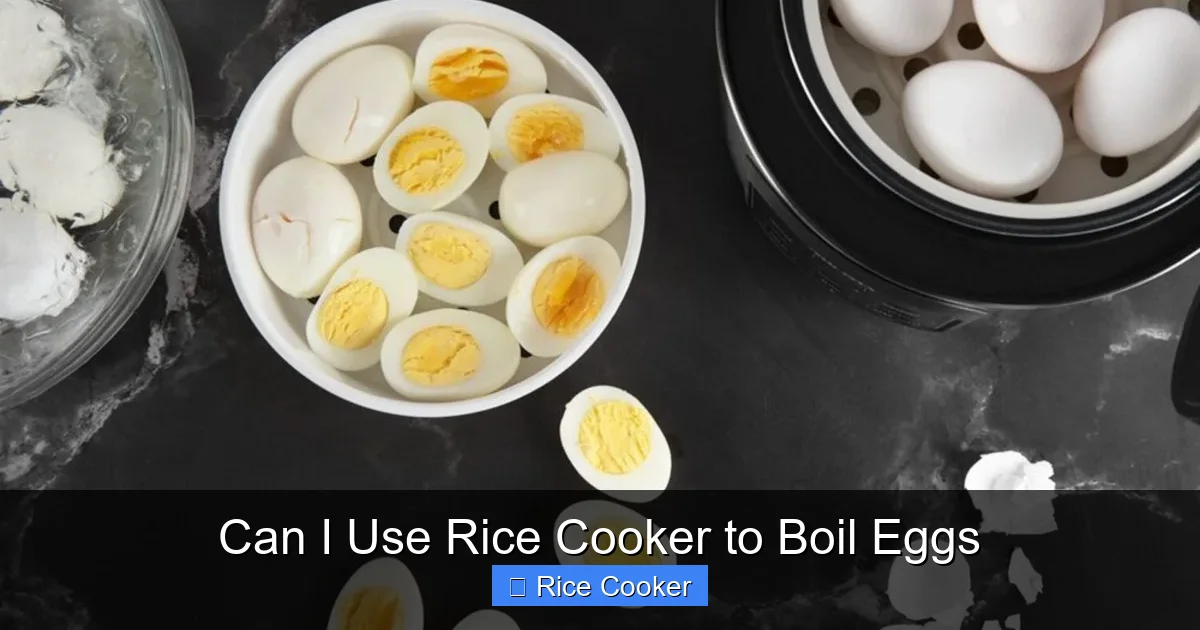
Visual guide about Can I Use Rice Cooker to Boil Eggs
Image source: storables.com
The Science Behind It
A rice cooker creates steam by heating water in its inner pot. When you place eggs inside, the steam gently transfers heat around them, cooking them uniformly. Since there’s no direct flame or rapid bubbling, the proteins in the egg whites don’t tighten too quickly, reducing the chance of a tough texture.
Convenience and Efficiency
Rice cookers are designed for “set it and forget it” cooking. Once you add water and eggs, you can walk away and prepare other ingredients. This makes them perfect for busy mornings or meal prep days when time is tight.
Reduced Cleanup
No more scrubbing stuck-on egg residue from a pot. The non-stick surface of most rice cooker bowls makes cleaning up a snap—many are even dishwasher-safe.
How to Boil Eggs in a Rice Cooker (Step-by-Step)
Ready to give it a try? Here’s a foolproof method to cook perfect eggs in your rice cooker:
Gather Your Supplies
- Fresh eggs (room temperature works best)
- A rice cooker with a steaming basket (or a trivet)
- Water
- Tongs or a slotted spoon
- An ice bath (optional, for easy peeling)
Step 1: Prepare the Rice Cooker
Add about 1–2 inches of cold water to the inner pot of your rice cooker. If your model doesn’t have a built-in steamer basket, place a small trivet or folded paper towel at the bottom to keep the eggs above the water line.
Step 2: Place Eggs in the Basket
Carefully place your eggs in the steamer basket or directly on the trivet. Make sure they aren’t stacked too high—this allows steam to circulate freely.
Step 3: Start the Cooker
Plug in your rice cooker and select the “Cook” or “Rinse” setting. Some models have a “Steam” function—use that if available. The water will begin to heat and produce steam, which will cook the eggs.
Step 4: Timing Is Key
- Soft-boiled eggs: 6–7 minutes
- Medium-boiled eggs: 9–10 minutes
- Hard-boiled eggs: 12–15 minutes
Note: These times may vary slightly depending on your rice cooker model and altitude. For best results, use an oven mitt to remove the inner pot carefully after cooking.
Step 5: Cool Down Quickly
Once done, transfer the eggs to an ice bath for 2–3 minutes. This stops the cooking process and makes peeling much easier.
Tips for Perfect Rice Cooker Eggs
Want to take your egg game to the next level? Try these pro tips:
Use Room Temperature Eggs
Cold eggs from the fridge can crack when exposed to sudden steam. Let them sit at room temperature for 15–20 minutes before cooking.
Don’t Overcrowd
Leave space between eggs so steam can flow around each one. Too many eggs at once can lead to uneven cooking.
Check Doneness
For the first batch, test an egg early to dial in your timing. A toothpick inserted into a soft-boiled egg should come out clean, while a hard-boiled egg should feel firm throughout.
Experiment with Flavors
After boiling, sprinkle eggs with salt, pepper, paprika, or herbs. Or try poaching them in soy sauce and ginger for a savory twist.
Common Mistakes to Avoid
Even with the right tools, a few pitfalls can ruin your egg-boiling experience. Here’s what to watch out for:
Using Too Much Water
Too much water can dilute the steam pressure, leading to longer cooking times. Stick to 1–2 inches.
Skipping the Ice Bath
Without cooling, eggs continue cooking and may become overdone. An ice bath is essential for control.
Opening the Lid Midway
Each time you lift the lid, heat escapes, slowing down the process. Try not to peek unnecessarily.
Sticking to Old Eggs
Older eggs peel easier because the pH inside increases over time. If your eggs are fresh, consider adding a teaspoon of baking soda to the water to help loosen the shell.
Can You Cook Other Things in a Rice Cooker with Eggs?
Absolutely! One of the best perks of a rice cooker is its versatility. You can cook multiple items simultaneously without extra effort.
Cooking Rice and Eggs Together
Start with a cup of rice and follow the manufacturer’s instructions. After the rice finishes, add your eggs to the steaming basket. Since rice takes longer to cook, the eggs will finish just in time.
Steaming Vegetables Alongside Eggs
Broccoli, carrots, or green beans can be placed in the basket with the eggs. Steam them for an extra 3–5 minutes for a complete healthy meal.
Meal Prep Magic
Boil a dozen eggs at once, then chop them into salads, omelets, or grain bowls throughout the week. It’s a huge time-saver.
Comparing Rice Cooker vs. Stovetop Boiling
So, how does the rice cooker method stack up against traditional boiling? Let’s break it down:
| Method | Time | Ease of Use | Cleanup | Consistency |
|---|---|---|---|---|
| Stovetop | 10–15 mins | Requires monitoring | Messy (shells, splatters) | Variable (depends on heat) |
| Rice Cooker | 12–15 mins | Hands-off | Easy (non-stick pot) | Very consistent |
While both methods take similar time, the rice cooker wins in convenience and consistency. You don’t have to stand over a pot, and the results are predictable every time.
Egg Varieties You Can Cook in a Rice Cooker
Not all eggs are boiled the same way—and your rice cooker can handle them all:
Hard-Boiled Eggs
Great for snacks, sandwiches, or deviled eggs. Cook for 12–15 minutes.
Soft-Boiled Eggs
Perfect for dipping toast in the morning. Aim for 6–7 minutes.
Poached Eggs (Indirect Method)
Crack eggs directly into simmering water in the rice cooker (use a heat-safe bowl as a cradle). Cover and cook for 5–6 minutes for runny yolks.
Baked Eggs (in Rice Cooker)
Pour beaten eggs into ramekins, place in the steamer basket, and cook on low for 15–20 minutes. Great for frittatas or custards.
Maintenance Tips for Your Rice Cooker
To keep your rice cooker running smoothly—especially after cooking eggs—follow these care tips:
- Clean immediately after use. Egg residue can harden and stick to the pot.
- Use mild soap and a soft sponge. Harsh scrubbers can damage the non-stick coating.
- Check the gasket regularly. Replace it if cracked to maintain steam efficiency.
- Avoid metal utensils. They can scratch the interior.
- Store with the lid open. This prevents moisture buildup and odors.
Creative Ways to Use Boiled Rice Cooker Eggs
Once your eggs are perfectly cooked, the fun begins! Here are some delicious ideas:
Avocado Toast with Fried Egg Topping
Slice a hard-boiled egg over mashed avocado on whole-grain toast. Sprinkle with chili flakes and lemon juice.
Egg Salad Sandwiches
Chop eggs, mix with mayo, mustard, celery, and dill. Serve on rye bread or lettuce wraps.
Breakfast Burritos
Wrap scrambled eggs, cheese, and veggies in a tortilla with a hard-boiled egg inside for protein-packed fuel.
Deviled Eggs
Cut eggs in half, scoop out yolks, and mash with butter, mustard, and paprika. Pipe back into shells.
Omelet Station Add-Ons
Pre-cook hard-boiled eggs for topping omelettes, quiches, or Buddha bowls.
FAQs About Using a Rice Cooker to Boil Eggs
How long does it take to boil eggs in a rice cooker?
It typically takes 12–15 minutes for hard-boiled eggs, 9–10 minutes for medium, and 6–7 minutes for soft-boiled. Timing may vary slightly based on your appliance.
Can I boil eggs in a rice cooker without a steamer basket?
Yes! Use a small trivet, folded paper towels, or even a heat-safe bowl to elevate the eggs above the water.
Will the eggs stick to the rice cooker pot?
No, if you use the steamer basket or trivet. Direct contact with the pot can cause sticking, especially with raw eggs.
Can I cook more than one egg at a time?
Absolutely. Just make sure they’re spaced apart so steam can circulate. A standard rice cooker can usually handle 6–8 eggs comfortably.
Are rice cooker eggs as safe as stovetop eggs?
Yes, as long as the water reaches a rolling boil (or equivalent steam temperature) and you follow proper food safety guidelines. Always use fresh eggs for best results.
Can I reuse the same water to cook more eggs?
It’s not recommended. Reusing water can introduce bacteria and affect flavor. Always use fresh, clean water for each batch.
Final Thoughts: Why Every Kitchen Needs This Hack
Cooking eggs in a rice cooker isn’t just a clever trick—it’s a game-changer for anyone looking to simplify their morning routine or meal prep. With minimal effort, you get perfectly cooked eggs every time, without the stress of monitoring a pot on the stove.
This method proves that kitchen gadgets are more than just tools—they’re enablers of better cooking habits. Whether you’re a beginner or a seasoned cook, embracing this rice cooker hack can save you time, reduce waste, and free up your schedule for what matters most.
So next time you’re craving a hard-boiled egg or a soft-boiled egg with runny yolk, skip the pot. Grab your rice cooker, add some water, and let science (and steam) do the rest. Trust us—you’ll wonder why you didn’t try it sooner.
Frequently Asked Questions
How long does it take to boil eggs in a rice cooker?
It typically takes 12–15 minutes for hard-boiled eggs, 9–10 minutes for medium, and 6–7 minutes for soft-boiled. Timing may vary slightly based on your appliance.
Can I boil eggs in a rice cooker without a steamer basket?
Yes! Use a small trivet, folded paper towels, or even a heat-safe bowl to elevate the eggs above the water.
Will the eggs stick to the rice cooker pot?
No, if you use the steamer basket or trivet. Direct contact with the pot can cause sticking, especially with raw eggs.
Can I cook more than one egg at a time?
Absolutely. Just make sure they’re spaced apart so steam can circulate. A standard rice cooker can usually handle 6–8 eggs comfortably.
Are rice cooker eggs as safe as stovetop eggs?
Yes, as long as the water reaches a rolling boil (or equivalent steam temperature) and you follow proper food safety guidelines. Always use fresh eggs for best results.
Can I reuse the same water to cook more eggs?
It’s not recommended. Reusing water can introduce bacteria and affect flavor. Always use fresh, clean water for each batch.