
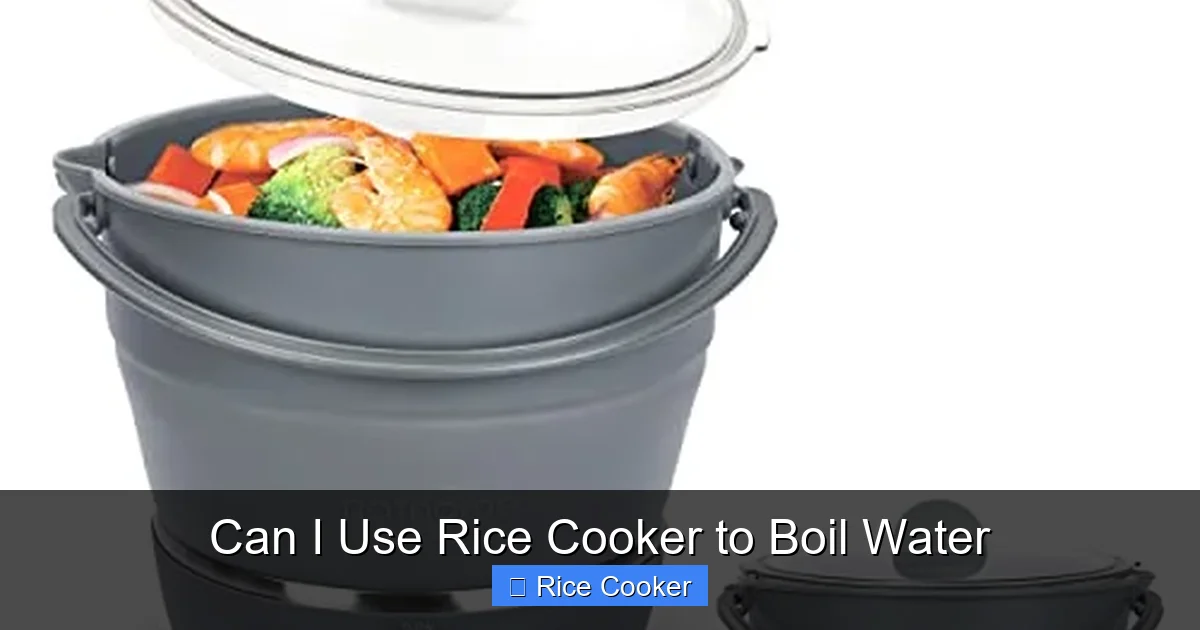
Can I use a rice cooker to boil water? Absolutely! Most modern rice cookers are designed to handle boiling tasks efficiently, thanks to their insulated design and automatic shut-off feature. While not as fast as a kettle, they’re safe, energy-efficient, and perfect for small batches of water.
Rice cookers make a great backup option during power outages or when you need hot water for tea, coffee, or instant meals. Just remember to monitor the water level and avoid overfilling. With proper care, your rice cooker can be a multi-purpose kitchen tool—not just for rice.
Key Takeaways
- Rice cookers can safely boil water due to their insulated inner pot and automatic temperature control.
- They’re energy-efficient compared to stovetop methods, especially for small amounts of water.
- Boiling time varies by model—typically 10–15 minutes for 1–2 cups of water.
- Always use clean, cold water and avoid filling beyond the max line to prevent overflow.
- Not all rice cookers are created equal; newer models with induction heating work faster and more evenly.
- Using a rice cooker for boiling is ideal for making tea, instant noodles, or sterilizing baby bottles.
- Maintenance matters—clean the inner lid and steam valve regularly to ensure safe operation.
📑 Table of Contents
- Introduction: The Surprising Versatility of Rice Cookers
- How Does a Rice Cooker Work?
- Can You Actually Boil Water in a Rice Cooker?
- How Long Does It Take to Boil Water in a Rice Cooker?
- Benefits of Using a Rice Cooker to Boil Water
- Practical Tips for Boiling Water Safely
- When NOT to Use Your Rice Cooker for Boiling Water
- Comparing Rice Cooker vs. Kettle vs. Stovetop
- Creative Uses for Boiled Water in a Rice Cooker
- Conclusion: Embrace the Hidden Potential
Introduction: The Surprising Versatility of Rice Cookers
Have you ever found yourself staring into your pantry, wondering if there’s a quicker way to heat up some water for your morning tea? Or maybe you’re in the middle of cooking dinner and realize you need hot water for instant ramen—but your stove is already full? If so, you might want to look at your rice cooker. That humble kitchen appliance sitting quietly on your counter? It might just be your new go-to for boiling water.
At first glance, a rice cooker seems like a specialized device—designed only for cooking grains. But here’s the secret: most rice cookers are actually excellent at boiling water. Thanks to their sealed, insulated design and precise temperature control, they can bring water to a full boil safely and efficiently. In fact, many home cooks use them as a backup method when their kettle breaks or during power outages when stovetops aren’t an option.
In this article, we’ll explore everything you need to know about using a rice cooker to boil water. From safety tips and timing estimates to comparisons with other methods, you’ll learn why this little machine deserves more credit than it gets. Whether you’re a busy parent, a college student living off instant meals, or someone who simply enjoys a warm cup of herbal tea before bed, understanding how to use your rice cooker beyond rice opens up a world of convenience.
How Does a Rice Cooker Work?
Before we dive into boiling water, let’s talk about what makes a rice cooker tick. At its core, a rice cooker is a sealed container with an inner cooking pot, usually made of non-stick aluminum or ceramic-coated steel. Inside this pot sits a heating plate or coil that generates heat. Most models also have a thermostat and a pressure sensor (in higher-end versions) to regulate temperature automatically.
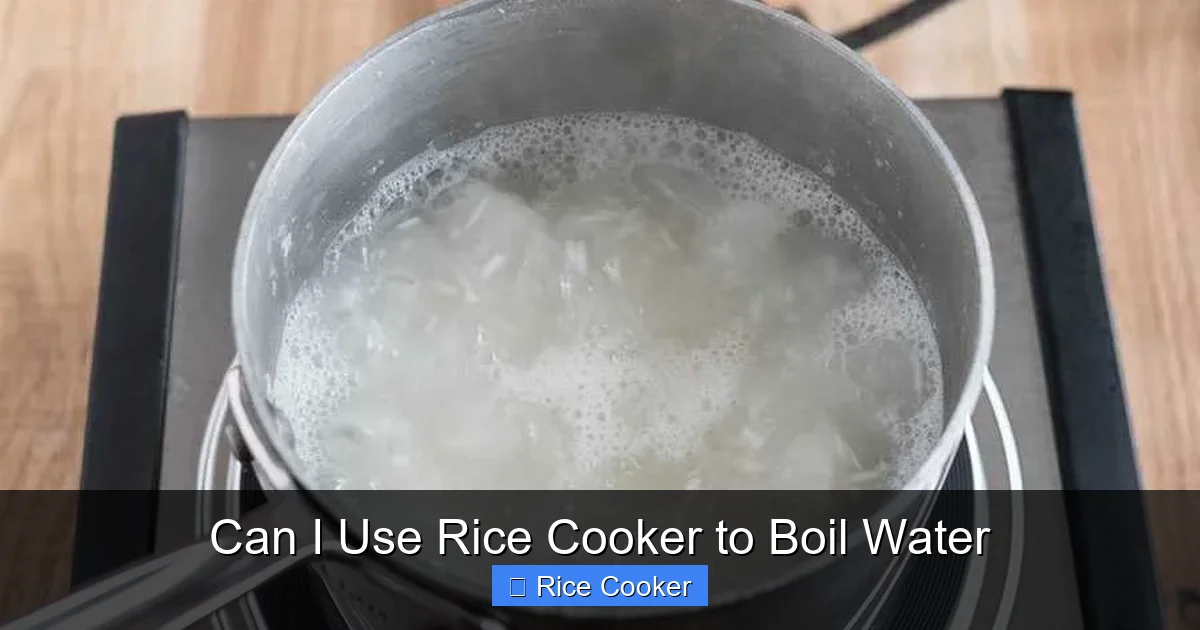
Visual guide about Can I Use Rice Cooker to Boil Water
Image source: metrocookingdallas.com
The Science Behind the Simmer
When you add water and press the “Cook” button, the heating element turns on. The water begins to heat up, and once it reaches around 100°C (212°F), it starts to boil. However, unlike a pot on the stove, the rice cooker keeps the water contained and insulated. This means heat stays inside rather than escaping into the air—making the process more efficient.
Once the water hits boiling point, the thermostat detects the temperature change and switches the heating element from high to low. This maintains a steady simmer without letting the water evaporate too quickly. When all the water has boiled away or been absorbed (as in rice), the thermostat senses dryness and automatically shuts off the heat. This safety feature prevents burning or damage to the unit.
Types of Rice Cookers
Not all rice cookers are built the same. Understanding the differences helps explain why some work better for boiling water than others:
- Basic Electric Rice Cookers: These are the simplest models with a single heating plate. They’re affordable but may take longer to boil water.
- Induction Heating Models: Use electromagnetic fields for faster, more even heating. Ideal for quick boiling.
- Pressure Cookers: Can cook rice faster and also boil water under pressure—great for camping or emergencies.
- Smart/Programmable Cookers: Allow you to set timers and adjust settings, useful for prepping hot water ahead of time.
For boiling water, induction and programmable models offer the best performance. But even basic models get the job done—just take a bit longer.
Can You Actually Boil Water in a Rice Cooker?
The short answer? Yes! You absolutely can boil water in a rice cooker. In fact, it’s one of the most common alternative uses people discover after owning one for a while. But before you start pouring tap water into your brand-new $200 smart cooker, let’s cover the basics.
Safety First: What Makes It Safe?
Rice cookers are engineered with safety in mind. Their sealed design prevents spills and splatters, and the automatic shut-off stops heating once the water dries up. This means you don’t have to babysit it like you would on the stove. Additionally, the inner lid traps steam, which helps maintain consistent heat and reduces the risk of burns from escaping vapor.
However, there are still precautions. Never fill the pot above the maximum water level—most have markings indicating how much liquid is safe. Overfilling can cause overflow, damage internal components, or even trigger smoke alarms. Also, avoid using metal utensils inside the pot; stick to silicone or wooden tools to preserve the non-stick coating.
What About Taste and Quality?
Does water boiled in a rice cooker taste different? Not really. Since no food particles mix with the water, it tastes exactly like regular boiled water. Some users worry about minerals leaching from the pot into the water, but studies show that minimal amounts transfer during boiling—far less than what you’d get from leaving a kettle on overnight.
If you’re concerned about impurities, consider using filtered water. Otherwise, tap water works perfectly fine. Just remember to clean your rice cooker regularly to prevent buildup of limescale or residue, especially if you live in hard water areas.
How Long Does It Take to Boil Water in a Rice Cooker?
This is where things get interesting. Unlike electric kettles that reach boiling point in under two minutes, rice cookers aren’t optimized for speed. On average, expect 10 to 15 minutes to bring 1 to 2 cups (240–480 ml) of water to a full boil. Larger volumes or colder starting temperatures will take longer.
Factors That Affect Boiling Time
- Water Volume: More water = more time. Stick to reasonable amounts unless you’re brewing tea for a crowd.
- Starting Temperature: Cold tap water takes longer than room-temperature water.
- Cooker Model: Induction models boil faster than basic resistive heaters.
- Altitude: At higher elevations, water boils below 100°C, so cooking times may vary slightly.
To speed things up slightly, preheat the empty inner pot for a minute before adding water. This gives your cooker a head start. Also, keep the lid closed throughout the process—opening it lets heat escape and slows boiling.
Real-World Example
Imagine you’re making instant oatmeal for breakfast. Instead of waiting for your kettle to finish, fill the rice cooker with 1.5 cups of water, close the lid, and press “Cook.” Set a timer for 12 minutes. By then, the water should be steaming hot—perfect for mixing with your oats and a spoonful of honey.
It’s not lightning-fast, but it’s hands-off and reliable. Plus, once the water boils, you can switch to “Keep Warm” mode to hold it at a gentle simmer until you’re ready to use it.
Benefits of Using a Rice Cooker to Boil Water
Why bother boiling water in a rice cooker when you could just use a kettle or stove? There are several practical reasons—especially if you already own one and want to maximize its value.
Energy Efficiency
Rice cookers consume less electricity than stovetops. According to energy experts, boiling water on gas or electric burners wastes up to 70% of the energy due to heat loss. A rice cooker keeps almost all the heat contained within its walls, making it far more efficient for small batches.
Space-Saving Design
If you’re short on counter space—or share a tiny kitchen with roommates—a rice cooker takes up far less area than a large stockpot or multiple appliances. Many compact models fit neatly beside your toaster or coffee maker.
Versatility Beyond Rice
Beyond boiling water, rice cookers can:
- Cook eggs (place eggs in trivet rack, add water, cook for 10–12 mins)
- Steam vegetables (use the included basket)
- Make soups or porridge (combine water, oats, and seasonings)
- Sterilize baby bottles (boil for 5 minutes)
This multi-functionality makes it a smart investment for small households or dorm rooms.
Emergency Preparedness
During blackouts, rice cookers run on battery-powered adapters or manual chargers in some cases. Even without electricity, you can sometimes use them with alternative heat sources (though always check manufacturer guidelines). Having a way to boil water indoors is crucial in emergencies.
Practical Tips for Boiling Water Safely
While rice cookers are generally safe, following these tips ensures trouble-free operation and longevity:
Use the Right Amount of Water
Check the measurement lines inside the inner pot. For 1 cup of water, aim for the “1” mark. Avoid going past the max fill line—even by an inch. Excess water can flood the base, damaging circuitry.
Clean After Each Use
After boiling plain water, wipe down the inner pot and lid. Residual moisture encourages mold growth and mineral deposits. If you notice white crusty buildup, soak the pot in vinegar-water solution (1:1 ratio) for 30 minutes, then scrub gently.
Avoid Metal Scrubbers
Stick to soft sponges or brushes. Metal can scratch the non-stick surface, compromising both safety and cooking performance over time.
Don’t Leave Unattended
Even though rice cookers auto-shutoff, it’s good practice to check occasionally, especially if you’re boiling larger quantities. Listen for unusual sounds or smell smoke—signs that something’s wrong.
Store Properly
Keep the unit unplugged and fully cooled before storing. Place the lid upside-down on the body to allow airflow and prevent dust accumulation.
When NOT to Use Your Rice Cooker for Boiling Water
Despite its versatility, there are situations where boiling water in a rice cooker isn’t the best idea:
- Large Volumes: Needing more than 2–3 cups? Use a pot instead—rice cookers aren’t designed for industrial-scale boiling.
- Dirty Water: If you plan to drink the water immediately, a dedicated kettle is cleaner and faster.
- Non-Standard Liquids: Oil, syrup, or sugary liquids shouldn’t go in a rice cooker—they can gum up the heating plate and void warranties.
- Old or Damaged Models: Cracked lids, worn gaskets, or frayed cords should be replaced before reuse.
Also, note that some budget rice cookers sold in discount stores lack proper safety certifications. If yours feels flimsy or doesn’t have clear instructions, err on the side of caution.
Comparing Rice Cooker vs. Kettle vs. Stovetop
Let’s break down how each method stacks up across key factors:
| Method | Speed | Efficiency | Safety | Best For |
|---|---|---|---|---|
| Rice Cooker | Moderate (10–15 min) | High | Very High | Small batches, multitasking kitchens |
| Electric Kettle | Fast (2–3 min) | High | High | Tea/coffee lovers, quick needs |
| Stovetop | Variable (5–10 min) | Low | Medium (risk of burns/spills) | Large volumes, frying, simmering |
As you can see, rice cookers strike a balance between speed and safety. They’re slower than kettles but safer and more efficient than stovetops for simple boiling tasks.
Creative Uses for Boiled Water in a Rice Cooker
Once you master boiling water, your options expand. Here are fun, useful ways to put that hot H₂O to work:
- Instant Meals: Make ramen, cup-a-soup, or mashed potatoes with hot water.
- Beverage Prep: Steep tea bags, dissolve cocoa powder, or warm milk for hot chocolate.
- Baby Care: Sterilize pacifiers, bottles, or spoons in boiling water for 5 minutes.
- Cooking Aid: Blanch vegetables, par-cook pasta, or deglaze pans (transfer cooked food out first).
- DIY Experiments: Test conductivity of solutions or grow crystals safely indoors.
The beauty of a rice cooker is its simplicity. No flame, no open steam—just consistent, contained heat. That makes it ideal for kids’ science projects or elderly relatives who prefer safer appliances.
Conclusion: Embrace the Hidden Potential
So yes—you can definitely use a rice cooker to boil water. And doing so adds another layer of usefulness to an appliance many people overlook. Whether you’re saving space, cutting energy bills, or preparing for unexpected power cuts, this trick is worth knowing.
Just remember: treat your rice cooker with care. Clean it regularly, respect its limits, and never force it beyond its design. With proper maintenance, it’ll serve you faithfully for years—whether you’re cooking jasmine rice or warming up soup for dinner.
In a world of single-use gadgets, the humble rice cooker proves that sometimes, the simplest tools are the most versatile. Next time you reach for the kettle, pause and ask yourself: “Do I really need this… or could my rice cooker do it just as well?”
Frequently Asked Questions
Is it safe to boil water in a rice cooker?
Yes, it’s completely safe as long as you follow the manufacturer’s guidelines. Modern rice cookers have automatic shut-off features and sealed designs that prevent accidents.
How much water can I boil in a rice cooker?
Most standard models handle 1–2 cups (240–480 ml) comfortably. Check your manual for exact capacity—never exceed the max fill line marked inside the inner pot.
Will boiling water in a rice cooker affect its performance?
Occasional use won’t harm your cooker, but frequent boiling of large volumes may shorten its lifespan. Reserve it for small amounts and alternate with actual rice cooking.
Can I drink water boiled in a rice cooker?
Absolutely. Since no food contaminates the water, it’s safe to drink—just like water boiled on the stove or in a kettle.
Do all rice cookers come with a keep-warm function?
Many do, including basic models. Press the “Keep Warm” button after boiling to maintain water at a gentle simmer without further heating.
What should I do if my rice cooker smokes while boiling water?
Immediately unplug it and stop using. Smoke usually indicates overheating or mineral buildup. Clean the inner pot and consult the manual before reusing.