
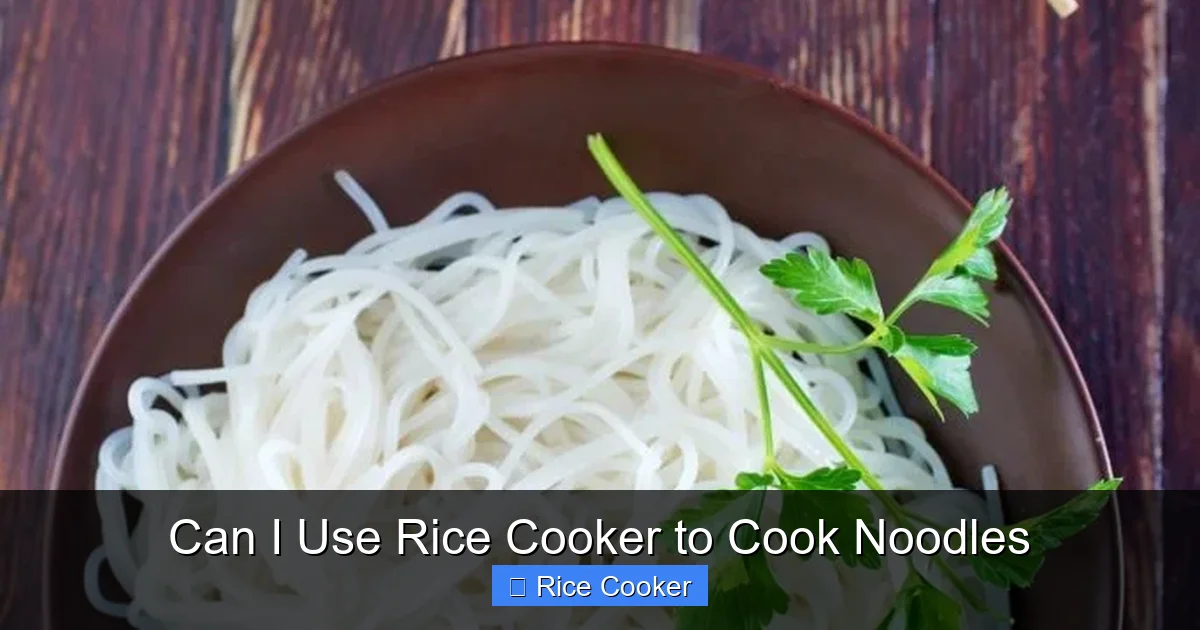
Can I use a rice cooker to cook noodles? The answer is a resounding yes! Rice cookers are versatile appliances that can handle more than just rice—they’re perfect for cooking a variety of noodles with minimal effort. With the right technique, you can enjoy tender, evenly cooked noodles without boiling water on the stove.
Using a rice cooker for noodles saves time, reduces cleanup, and gives consistent results every time. Whether you’re making ramen, udon, or instant noodles, your rice cooker can do the job efficiently. Let’s dive into how to master this simple yet effective method.
Key Takeaways
- Rice cookers are versatile: Beyond rice, they can cook pasta, noodles, and even grains like quinoa.
- No extra tools needed: You don’t need a separate pot or strainer—just your rice cooker and a little water.
- Energy-efficient: Rice cookers use less energy than boiling water on the stove.
- Consistent results: The automatic shut-off prevents overcooking, ensuring perfectly cooked noodles.
- Perfect for dorm life: Ideal for students or anyone living in small spaces with limited kitchen equipment.
- Customizable cooking: Adjust water levels and timing based on noodle type for best texture.
📑 Table of Contents
- Can I Use Rice Cooker to Cook Noodles? A Complete Guide
- The Surprising Versatility of Rice Cookers
- How to Cook Noodles in a Rice Cooker
- Types of Noodles That Work Best in a Rice Cooker
- Benefits of Using a Rice Cooker for Noodles
- Common Mistakes and How to Avoid Them
- Creative Ways to Use Your Rice Cooker Noodles
- Tips for Different Rice Cooker Models
- Frequently Asked Questions About Cooking Noodles in a Rice Cooker
- Conclusion: Why Every Kitchen Needs This Hack
Can I Use Rice Cooker to Cook Noodles? A Complete Guide
Have you ever found yourself staring at a box of fresh pasta or instant ramen, wondering if there’s an easier way to cook it without boiling a pot of water? Well, here’s a kitchen hack that might change your life: yes, you can absolutely use a rice cooker to cook noodles. In fact, many home cooks swear by this method because it’s simple, efficient, and surprisingly effective.
Whether you’re a college student in a tiny dorm room, a busy parent trying to save time, or just someone who loves experimenting in the kitchen, using a rice cooker for noodles opens up a world of convenience. Not only does it eliminate the need for constant stirring or monitoring, but it also ensures your noodles come out tender and evenly cooked—without any risk of burning or sticking.
In this article, we’ll walk you through everything you need to know about using a rice cooker to cook noodles. From choosing the right type of noodles to adjusting water ratios and timing, we’ve got you covered. Plus, we’ll share some pro tips and troubleshooting advice so you can get the most out of your appliance. So grab your favorite noodles and let’s get started!
The Surprising Versatility of Rice Cookers
When most people think of a rice cooker, they imagine a compact device used solely for steaming white rice. But the truth is, modern rice cookers are far more capable than that. With features like programmable timers, multiple cooking modes (like brown rice, porridge, or steam), and advanced sensors, these appliances have become essential tools in kitchens around the world.
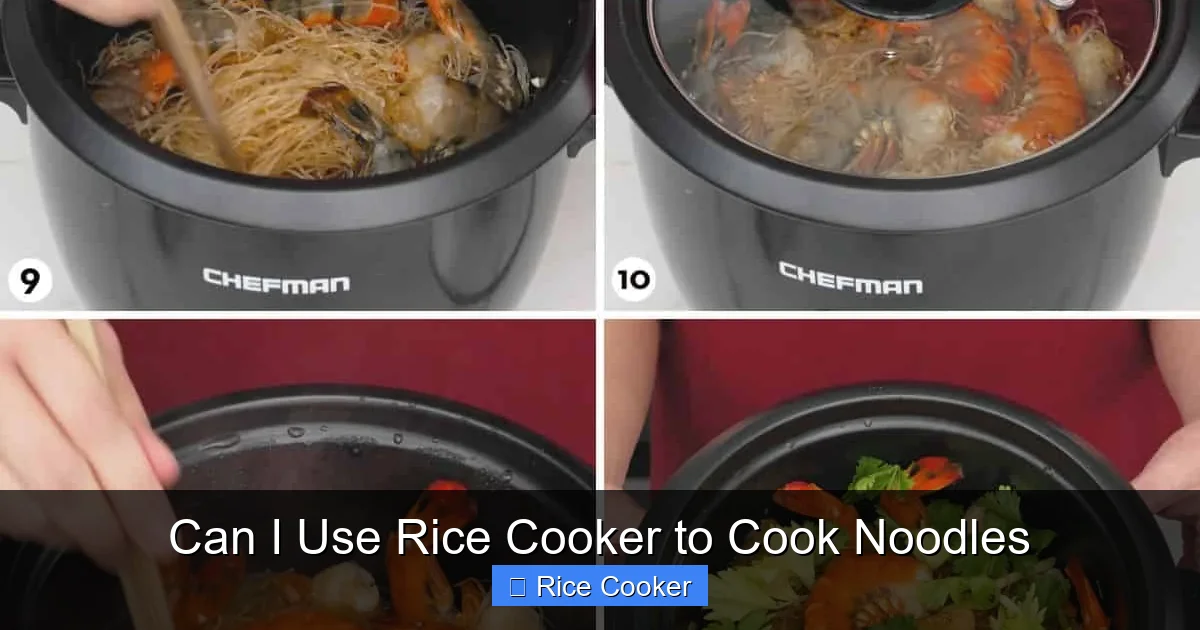
Visual guide about Can I Use Rice Cooker to Cook Noodles
Image source: hot-thai-kitchen.com
Beyond Rice: What Else Can a Rice Cooker Do?
One of the lesser-known secrets about rice cookers is their ability to cook a wide range of foods beyond rice. Here are just a few examples:
- Pasta and noodles: Whether it’s spaghetti, ramen, udon, or lo mein, your rice cooker can handle them all.
- Grains and legumes: Quinoa, barley, lentils, and even oatmeal can be cooked in a rice cooker with great results.
- Steaming vegetables: Many models include a dedicated steamer basket for healthy side dishes.
- Soups and stews: Some advanced models allow for slow-cooking broths and one-pot meals.
This versatility makes rice cookers a smart investment for anyone looking to simplify meal prep. And when it comes to cooking noodles, the process is shockingly straightforward.
How to Cook Noodles in a Rice Cooker
Cooking noodles in a rice cooker isn’t rocket science—it’s more like following a simple recipe. The key is understanding how much water to use, how long to let the cycle run, and whether you need to pre-soak the noodles. Let’s break it down step by step.
Step 1: Choose the Right Type of Noodles
Not all noodles behave the same way in a rice cooker. Here’s a quick guide to help you pick the best options:
- Instant noodles: These work great because they’re designed to cook quickly. Just add water and let the rice cooker do its magic.
- Dried egg noodles or ramen: These require a longer cook time but yield excellent results.
- Fresh pasta: Best reserved for short cook times since fresh pasta tends to break down faster.
- Udon or soba noodles: These thicker noodles may need slightly more water and a longer cycle.
For beginners, we recommend starting with instant ramen noodles. They’re forgiving, widely available, and deliver consistent results.
Step 2: Measure the Water Correctly
One of the biggest challenges when cooking noodles in a rice cooker is getting the water ratio right. Too little water, and the noodles won’t soften properly. Too much, and they’ll become mushy or stick together.
A good rule of thumb is to use about 2 cups of water per cup of dry noodles. For example, if you’re cooking 1 cup of dried ramen, add 2 cups of cold water. If you’re using fresh pasta, cut back to 1.5 cups.
Pro tip: Always start with cold water. Using hot or boiling water can cause the outer layer of the noodles to harden before the inside has a chance to cook.
Step 3: Add the Noodles and Start Cooking
Here’s what to do once you’ve measured your ingredients:
- Place the noodles in the inner pot of your rice cooker.
- Add the measured amount of cold water.
- Close the lid and press the “Cook” button.
- Let the cycle run completely—usually between 10 and 20 minutes depending on the noodle type.
After the cycle finishes, let the rice cooker sit for 5 minutes with the lid closed. This helps absorb any remaining moisture and ensures even texture.
Step 4: Drain and Serve
Unlike traditional boiling, you can’t simply drain noodles from a rice cooker unless you have a built-in strainer or a colander insert. Most standard models don’t have this feature, so here are two solutions:
- Use a fine-mesh strainer: Transfer the cooked noodles directly into a strainer and rinse under cold water to stop the cooking process.
- Drain manually: Carefully tilt the rice cooker (with caution!) and pour out the water. Then shake gently to separate the noodles.
Rinsing with cold water not only stops the cooking but also removes excess starch, which keeps the noodles from becoming gummy.
Types of Noodles That Work Best in a Rice Cooker
While you *can* technically put any noodle into a rice cooker, certain types yield better results than others. Below is a breakdown of popular noodle varieties and how they perform in this appliance.
Instant Ramen Noodles
These are arguably the easiest noodles to cook in a rice cooker. Because they’re already seasoned and designed for quick preparation, they require minimal adjustments. Simply add the noodles and water, cook for 8–12 minutes, and you’ll have a bowl of comforting ramen ready in minutes.
Bonus: You can even add toppings like boiled eggs, green onions, or frozen vegetables during the last minute of cooking using the steam function.
Dried Egg Noodles (Chinese Style)
These flat, yellow noodles are commonly used in stir-fries and soups. When cooked in a rice cooker, they become soft but retain a slight chewiness—perfect for dishes like beef noodle soup.
Tip: Soak the noodles in warm water for 10 minutes before adding them to the rice cooker. This short pre-soak prevents them from clumping and speeds up the cooking process.
Fresh Pasta
Fresh pasta cooks much faster than dried pasta—sometimes in as little as 3–5 minutes. Because of this, it’s important not to overcook it in the rice cooker.
Recommendation: Cook for no more than 7 minutes total. Overdoing it will result in a stringy, glue-like texture.
Udon and Soba Noodles
Thick udon noodles benefit from a longer cook time and more water, while thin soba noodles need less. A good approach is to treat udon like brown rice (longer cycle) and soba like white rice (shorter cycle).
Experimentation is key here—start with a 15-minute cycle for udon and adjust based on preference.
Benefits of Using a Rice Cooker for Noodles
If you’re still on the fence about switching from your stovetop to your rice cooker, consider these advantages.
Time-Saving Convenience
There’s no waiting for a large pot of water to boil. Just add water and noodles, press a button, and walk away. While the cycle runs, you can chop veggies, set the table, or tackle another task.
Less Mess and Easier Cleanup
Boiling noodles often leads to splattering water, sticky pots, and tangled strands. In contrast, the sealed environment of a rice cooker contains everything neatly inside, making cleanup a breeze.
Energy Efficiency
Rice cookers consume significantly less electricity than electric stoves or microwaves. According to energy experts, a typical rice cooker uses about 300 watts during operation—much less than a burner that might use 1,500 watts.
Consistent Results Every Time
With automatic temperature control and preset timers, your rice cooker eliminates human error. No more guessing whether your noodles are done or accidentally turning off the heat too early.
Great for Small Spaces
If you live in an apartment, dorm, or RV where counter space is limited, a rice cooker takes up far less room than a pot, lid, and strainer combined.
Common Mistakes and How to Avoid Them
Even experienced cooks can run into issues when first trying this method. Here are some frequent pitfalls and how to fix them.
Mistake #1: Using Too Much Water
Overwatering is the #1 reason noodles end up soggy. Remember: rice cookers don’t evaporate water like a pot on the stove. Excess liquid stays in the pot, diluting flavor and texture.
Solution: Stick to the 2:1 water-to-noodle ratio and taste-test after 5 minutes to avoid overcooking.
Mistake #2: Not Pre-Soaking Dry Noodles
Dried noodles expand as they absorb water. Skipping a quick soak can lead to uneven cooking—some parts stay firm while others turn mushy.
Solution: Soak in warm water for 10–15 minutes before adding to the rice cooker.
Mistake #3: Forgetting to Rinse After Cooking
Rinsing stops the cooking process and improves mouthfeel. Without it, residual heat continues to cook the noodles, leading to a gummy finish.
Always rinse with cold water unless you specifically want al dente or firm noodles.
Mistake #4: Using the Wrong Noodle Type
Delicate glass noodles or angel hair pasta may fall apart in the rice cooker due to their thinness.
Stick to sturdy noodles like ramen, udon, or egg noodles for best results.
Creative Ways to Use Your Rice Cooker Noodles
Once you’ve mastered basic noodle cooking, the possibilities are endless. Here are some delicious ideas to inspire your next meal.
Noodle Bowls with Stir-Fry Toppings
Cook noodles as usual, then transfer them to a bowl. Top with sautéed garlic, ginger, soy sauce, and your choice of protein (tofu, shrimp, chicken). Drizzle with sesame oil and garnish with cilantro.
One-Pot Creamy Alfredo
Add cooked fettuccine to the rice cooker along with milk, butter, grated Parmesan, and a pinch of nutmeg. Run the cycle again on “Keep Warm” mode for 3 minutes to thicken the sauce.
Veggie-Packed Ramen
During the final minute of cooking, drop in frozen broccoli florets, carrots, and corn. Once done, mix in miso paste, nori strips, and a soft-boiled egg.
Noodle Soup Base
Cook noodles separately, then combine with broth, diced tomatoes, spinach, and beans for a hearty vegetarian soup.
Tips for Different Rice Cooker Models
Not all rice cookers are created equal. Some have specialized functions that make noodle cooking even easier.
Models with Steamer Baskets
If your rice cooker includes a steamer tray, you can cook noodles and vegetables simultaneously. Just place the noodles in the main pot and add chopped greens to the basket above.
Programmable Timers
Set your rice cooker to start cooking at a specific time so dinner is ready exactly when you want it—no more last-minute rushes.
Non-Stick Inner Pots
These make cleanup effortless and prevent noodles from sticking, especially important when cooking sticky rice noodles.
Smart Rice Cookers
High-end models come with apps, voice controls, and AI-powered algorithms that adjust cooking time based on ingredient weight. These are ideal for precision cooking.
Frequently Asked Questions About Cooking Noodles in a Rice Cooker
Do I need to add oil to the water?
No, adding oil is unnecessary and can actually interfere with sauce absorption. The rice cooker’s sealed environment prevents noodles from sticking without oil.
Can I cook different types of noodles at once?
It’s possible, but not recommended. Different noodles have varying cook times and textures, which can lead to uneven results.
What if my noodles are still hard after the cycle ends?
Try running another short cycle (5–7 minutes). If they remain tough, the noodles may be old or low-quality.
Can I cook rice and noodles together?
Yes! Just cook the rice first, remove it, then wash the pot and cook the noodles. Or use two separate cycles if your model allows multitasking.
Is it safe to leave the rice cooker unattended?
Absolutely. Modern rice cookers automatically switch to “Keep Warm” after cooking, so you can safely leave the kitchen while it works.
Conclusion: Why Every Kitchen Needs This Hack
So, can you use a rice cooker to cook noodles? The answer remains a confident yes—and now you know exactly how to do it like a pro. This unassuming kitchen gadget proves that innovation doesn’t always come from fancy technology; sometimes, it’s just about thinking outside the box (or pot).
From saving time and energy to reducing mess and expanding your culinary repertoire, cooking noodles in a rice cooker offers countless benefits. Whether you’re whipping up a quick lunch, feeding a family, or experimenting with new recipes, this method delivers reliable, delicious results every time.
Next time you reach for the stovetop, pause and consider your rice cooker instead. You might be surprised at how versatile—and powerful—that little machine truly is.
Frequently Asked Questions
Do I need to add oil to the water when cooking noodles in a rice cooker?
No, adding oil is unnecessary. The sealed environment of the rice cooker prevents sticking without it, and oil can hinder sauce absorption later.
Can I cook different types of noodles together in one cycle?
It’s not recommended. Different noodles have varying cook times, which can lead to some being overcooked while others stay underdone.
What should I do if my noodles are still hard after cooking?
Try running another short cycle (5–7 minutes). If they remain tough, the noodles may be old or low-quality and not suitable for this method.
Can I cook both rice and noodles in the same rice cooker?
Yes, but not at the same time. Cook rice first, remove it, then wash the pot and cook noodles in a separate cycle.
Is it safe to leave the rice cooker unattended while cooking noodles?
Yes, modern rice cookers automatically switch to “Keep Warm” mode after cooking, so they’re designed for hands-free operation.
Will noodles stick together in the rice cooker?
Not if you use the correct water ratio and rinse them afterward. Sticking usually happens when there’s too much water or insufficient rinsing.