
Can I use a rice cooker to cook soup? Absolutely! A rice cooker is not just for rice—it’s a powerful, energy-efficient tool perfect for simmering soups, stews, and broths. With the right ingredients and techniques, you can make hearty vegetable soup, creamy tomato bisque, or even bone broth with minimal effort and zero supervision.
Rice cookers are designed to maintain consistent heat and automatically switch to “warm” mode when done, making them ideal for long, slow cooking. Whether you’re meal prepping or whipping up a quick dinner, using your rice cooker for soup saves time and energy while delivering rich, flavorful results. Plus, the non-stick inner pot makes cleanup a breeze. From beginner cooks to busy parents, this hidden gem in your kitchen opens up a world of soup possibilities—no stove required.
Key Takeaways
- Yes, rice cookers can cook soup: Most modern rice cookers have a soup or porridge setting that gently simmers ingredients without scorching.
- Energy-efficient and hands-off: Once set, the rice cooker does most of the work, freeing you up to do other tasks.
- Consistent heat control: Unlike stovetop cooking, rice cookers maintain steady temperatures, reducing the risk of burning or uneven cooking.
- Easy cleanup: The non-stick inner pot means less scrubbing and fewer pots to wash.
- Versatile recipe options: You can make everything from lentil soup to creamy chowder in your rice cooker.
- Great for meal prep: Cook large batches of soup and store leftovers for easy, healthy meals throughout the week.
- Not all rice cookers are equal: Check your model’s settings—some have dedicated soup modes, while others rely on manual timing.
📑 Table of Contents
- Can I Use Rice Cooker to Cook Soup? Absolutely—Here’s How!
- Why Use a Rice Cooker for Soup?
- What Types of Soups Can You Make in a Rice Cooker?
- How to Choose the Right Rice Cooker for Soup
- Step-by-Step Guide: Making Soup in a Rice Cooker
- Common Mistakes to Avoid
- Top 5 Rice Cooker Soup Recipes
- Conclusion: Your Rice Cooker Is a Soup Superhero
Can I Use Rice Cooker to Cook Soup? Absolutely—Here’s How!
Have you ever stared at a bubbling pot of soup on the stove, wishing you could just press a button and walk away? Or maybe you’re tired of juggling multiple pots and pans after a long day? If so, you’re not alone. But here’s a secret: your rice cooker might be the unsung hero of your kitchen. Yes, you read that right—your trusty rice cooker can do far more than just cook fluffy white rice. In fact, it’s a surprisingly capable tool for preparing soups, stews, and even broths. So, can I use a rice cooker to cook soup? The short answer is yes—and the long answer is even better.
Rice cookers were originally designed to automate the process of boiling and steaming rice, but over time, manufacturers have added more functions to meet evolving home cooking needs. Many modern models now feature settings like “soup,” “porridge,” “slow cook,” or “keep warm.” These features allow you to simmer ingredients gently over hours, extracting maximum flavor and nutrients without constant attention. Whether you’re making a light vegetable broth or a rich chicken noodle soup, your rice cooker can handle it—often with less effort than using the stove.
In this article, we’ll explore everything you need to know about using your rice cooker for soup. From understanding which models are best suited for this task to learning how to avoid common pitfalls, we’ve got you covered. We’ll also share practical recipes, pro tips, and answers to frequently asked questions so you can start cooking delicious soups with confidence—right in your rice cooker.
Why Use a Rice Cooker for Soup?
You might be wondering: why go through the trouble of using a rice cooker when you already have a stove? After all, pots and pans are built for soup-making. But there are several compelling reasons to consider your rice cooker as your new soup buddy.
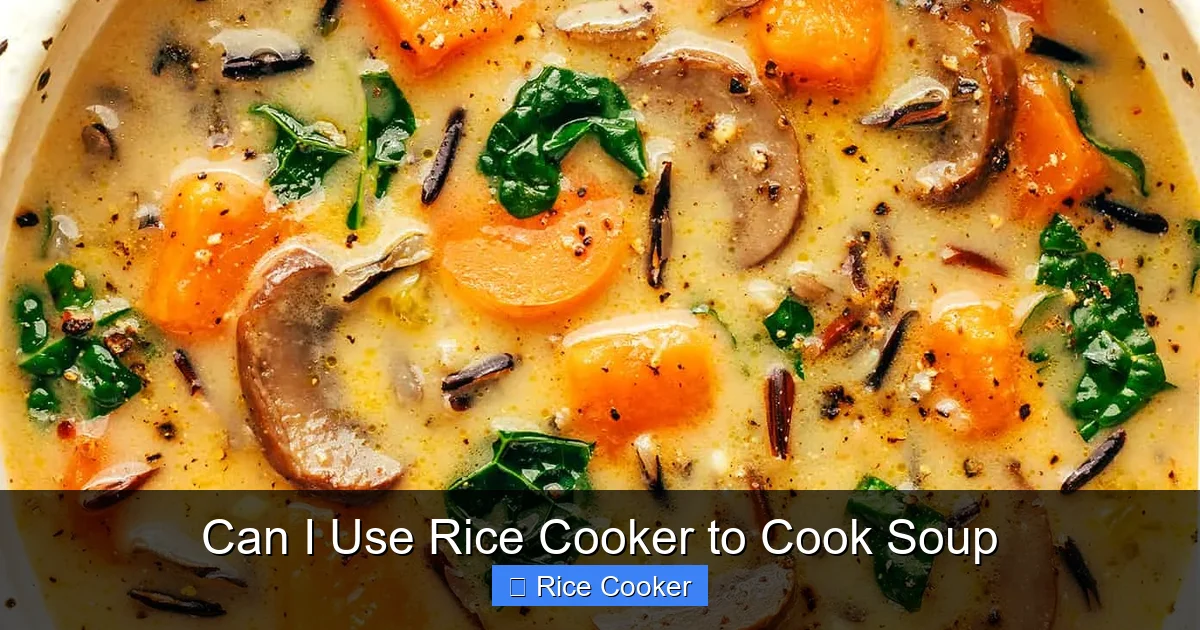
Visual guide about Can I Use Rice Cooker to Cook Soup
Image source: gimmesomeoven.com
1. Hands-Free Cooking
One of the biggest advantages of using a rice cooker for soup is that it’s essentially hands-free. Once you add your ingredients and set the timer, the cooker does the rest. It heats the liquid, brings it to a simmer, and then automatically shifts to “warm” mode when the cooking cycle is complete. This means you can prepare your soup in the morning, leave it unattended all day, and come home to a perfectly cooked meal—no babysitting required.
2. Energy Efficiency
Rice cookers use significantly less electricity than stovetops, especially induction or gas burners. Since they generate heat internally rather than relying on open flames or radiant coils, they’re more energy-efficient. For someone looking to reduce their carbon footprint or lower utility bills, this is a big plus. Plus, because the lid stays sealed, moisture and heat stay inside, preventing waste and ensuring every spoonful is flavorful.
3. Consistent Temperature Control
Stovetop cooking can be tricky—boiling too quickly can cause scorching or evaporation, while low heat might result in undercooked ingredients. Rice cookers, by contrast, maintain a steady, controlled temperature throughout the cooking process. This consistency is especially helpful when making delicate soups like cream-based broths or legume-heavy dishes that need slow, gentle heating to break down properly.
4. Less Cleanup
Let’s face it: cleaning up after soup can be messy. With a rice cooker, you only have one pot to wash—the inner non-stick pan. There’s no need for a heavy stockpot, ladle, or multiple utensils. Just remove the insert, rinse it, and you’re done. This simplicity is a game-changer for busy families or anyone who hates post-meal cleanup.
5. Portability and Safety
Many rice cookers are compact enough to move around the kitchen or even take to potlucks and tailgates (thanks to their plug-and-play design). They’re also safer than stovetops—no open flames, hot handles, or risk of burns. This makes them ideal for small apartments, dorm rooms, or shared living spaces where safety and space are concerns.
What Types of Soups Can You Make in a Rice Cooker?
The beauty of using a rice cooker for soup lies in its versatility. While it may seem limited at first glance, the range of dishes you can create is actually quite broad—especially if you choose a model with multiple cooking modes.
Vegetable Soups
From hearty minestrone to simple carrot-ginger soup, vegetables shine in a rice cooker. Because the appliance uses moist heat, veggies retain their texture and nutrients better than when boiled on the stove. Try adding onions, celery, carrots, potatoes, kale, and tomatoes with a splash of olive oil and vegetable broth. Season with garlic, thyme, and salt, then let it simmer for 45–60 minutes until tender.
Creamy Soups
Ever wanted to make a velvety potato-leek soup without a double boiler? Your rice cooker can do it. Start by sautéing leeks and potatoes in butter (you can use the “saute” function if available), then add broth and cream. Cook on soup mode until soft, then blend until smooth. The rice cooker’s gentle heat prevents curdling, giving you a rich, restaurant-quality result.
Bean and Lentil Soups
Lentils, chickpeas, and black beans benefit greatly from slow, even cooking. Since these legumes can take time to soften, the rice cooker’s extended heating cycle is perfect. Add soaked beans, diced tomatoes, onions, cumin, and bay leaves. Cook for 1–1.5 hours until creamy and flavorful. Pro tip: soak dried beans overnight to reduce cooking time and improve digestibility.
Meat-Based Broths and Stews
Chicken soup, beef stew, or turkey chili—all can be made in a rice cooker. Brown meat first (if your model has a sauté function), then add bones, vegetables, herbs, and water or broth. Set to high or soup mode and cook for 2–4 hours depending on the recipe. The result? Tender meat and deeply flavorful broth with minimal effort.
Instant Ramen Upgrade
Even instant ramen lovers can benefit! Instead of boiling noodles separately, toss them into your rice cooker with broth, protein, and veggies during the last 5 minutes of cooking. The steam and residual heat finish them perfectly—no extra steps needed.
How to Choose the Right Rice Cooker for Soup
Not all rice cookers are created equal when it comes to soup-making. Some are better suited for quick rice or porridge, while others offer advanced functions like soup, slow cook, or even yogurt making. Here’s what to look for when shopping—or evaluating your current appliance.
Look for Multiple Settings
Models with dedicated “soup” or “porridge” buttons give you more control. These settings typically run longer cycles (up to 3–4 hours) at lower temperatures, ideal for simmering. Avoid basic “white rice” or “quick cook” machines unless you plan to monitor closely and adjust timing manually.
Check the Capacity
If you’re cooking for a family, choose a 6-cup or larger rice cooker (measured in uncooked rice). Smaller models (2–4 cups) may struggle with volume and heat distribution, leading to uneven cooking. A 6–8 cup capacity usually accommodates 4–6 servings of soup comfortably.
Non-Stick Inner Pot
A removable, non-stick inner pot is essential for easy cleanup and prevents food from sticking. Stainless steel or ceramic coatings are great choices—just avoid aluminum unless it’s lined with another material.
Lid Design and Steam Release
Ensure the lid seals well to retain moisture and heat. Some models have pressure-release valves or steam vents that can be adjusted. Be cautious with high-pressure cookers (like electric pressure cookers)—while they speed up cooking, they’re not always ideal for traditional soup textures.
Timer and Auto-Warm Functions
A programmable timer lets you delay start times—perfect for scheduling soup before bedtime. The auto-warm feature keeps food at serving temperature without overcooking, which is crucial for soups that sit for a while.
Step-by-Step Guide: Making Soup in a Rice Cooker
Ready to try it yourself? Follow this simple process to make a delicious, foolproof soup in your rice cooker.
Ingredients
- 1 tablespoon oil (olive, vegetable, or butter)
- 1 onion, chopped
- 2 cloves garlic, minced
- 2 cups chopped vegetables (carrots, celery, potatoes, etc.)
- 4 cups broth (vegetable, chicken, or beef)
- Salt, pepper, and herbs to taste
- Optional: beans, lentils, or cooked protein
Instructions
- Prep Ingredients: Wash and chop vegetables. Mince garlic and dice onion.
- Sauté (Optional): Turn on the rice cooker’s sauté function (if available). Add oil and heat. Sauté onions and garlic for 2–3 minutes until fragrant.
- Add Vegetables and Broth: Stir in chopped vegetables. Pour in broth and stir to combine.
- Season: Add salt, pepper, and any dried herbs (thyme, bay leaf, rosemary).
- Start Cooking: Close the lid and select “soup” or “porridge” mode if available. If not, use the standard “white rice” setting and set a timer for 45–60 minutes.
- Check Consistency: After 30 minutes, test vegetables for tenderness. If not ready, continue cooking in 10-minute increments.
- Add Final Touches: Stir in cooked beans, pasta, or protein during the last 10 minutes.
- Serve or Store: Once done, turn off the cooker. Let soup cool slightly before serving. Leftovers store well in the fridge for up to 5 days.
Pro Tips
- Don’t Overfill: Never fill above the max line—soup expands as it cooks.
- Use Quality Broth: Homemade or low-sodium store-bought broth enhances flavor and nutrition.
- Layer Flavors: Add aromatic ingredients like bay leaves or whole spices early; delicate herbs near the end.
- Thicken Naturally: Simmer longer to reduce liquid, or mash some potatoes to thicken.
Common Mistakes to Avoid
Even experienced cooks can run into issues when adapting stovetop recipes to a rice cooker. Here are some common pitfalls and how to fix them.
Mistake #1: Using Too Much Liquid
Soups often reduce on the stove due to evaporation, but rice cookers trap steam, so liquid doesn’t evaporate as quickly. Adding too much broth can result in thin, watery soup. Stick to 4–5 cups per 2–3 cups of vegetables—adjust based on desired thickness.
Mistake #2: Skipping the Sauté Step
Browning onions, garlic, or meat adds depth of flavor. While not strictly necessary, skipping this step can lead to bland-tasting soup. If your rice cooker lacks a sauté function, do this on the stovetop in a separate pan before transferring everything to the cooker.
Mistake #3: Overloading the Pot
Too many ingredients crowd the pot, preventing proper heat circulation. Aim for no more than ¾ full to allow room for expansion and even cooking.
Mistake #4: Not Stirring Occasionally
Though rice cookers are low-maintenance, occasional stirring helps distribute heat and prevents sticking—especially when cooking starchy ingredients like potatoes or grains.
Mistake #5: Ignoring the Warm Setting
Leaving soup on the “warm” setting for hours isn’t recommended—it won’t kill bacteria, but it won’t keep food safely hot either. Serve immediately or refrigerate promptly.
Top 5 Rice Cooker Soup Recipes
To inspire your next meal, here are five tried-and-true soup recipes you can make entirely in your rice cooker.
1. Creamy Tomato Basil Soup
Rich, smooth, and comforting—this classic tastes like summer in a bowl. Roasted tomatoes add natural sweetness, while coconut milk lends creaminess without dairy.
- 2 cans crushed tomatoes
- 1 onion, chopped
- 3 cloves garlic
- 1 can coconut milk
- 2 cups vegetable broth
- Fresh basil, salt, pepper
- Cook on soup mode for 45 minutes. Blend until silky smooth.
2. Hearty Lentil & Mushroom Soup
Packed with fiber and umami, this vegan-friendly soup is filling and nutritious. Shiitake mushrooms add earthy depth.
- 1 cup green lentils
- 8 oz mushrooms, sliced
- 1 onion, diced
- 2 carrots, chopped
- 4 cups vegetable broth
- Thyme, bay leaf, salt
- Cook for 1 hour until lentils are tender.
3. Chicken Noodle Soup
Nostalgic and soul-warming, this version skips the rolling boil and uses shredded chicken for easy prep.
- 2 boneless chicken breasts
- 1 onion, celery, carrot
- 4 cups chicken broth
- 1 cup egg noodles
- Dill, parsley, salt
- Cook chicken first (15 mins), shred, then add noodles and veggies for another 20 mins.
4. Moroccan Chickpea Stew
Spiced with cumin, coriander, and cinnamon, this colorful stew is perfect for chilly evenings.
- 2 cans chickpeas
- 1 sweet potato, cubed
- 1 can diced tomatoes
- 1 onion, garlic
- 2 cups broth
- Ground cumin, paprika, cinnamon
- Cook for 50 minutes until chickpeas and sweet potato are soft.
5. Spicy Black Bean & Corn Chowder
A Tex-Mex twist on chowder, this dish is vibrant, spicy, and dairy-free.
- 2 cans black beans
- 1 red bell pepper
- 1 cup corn kernels
- 1 potato, diced
- 2 cups broth
- Cayenne, cumin, lime juice
- Cook for 1 hour. Top with avocado and cilantro.
Conclusion: Your Rice Cooker Is a Soup Superhero
So, can I use a rice cooker to cook soup? Without a doubt—yes. This humble kitchen appliance is far more versatile than most people realize. With its ability to cook hands-free, maintain consistent heat, and simplify cleanup, it’s an excellent choice for both novice cooks and seasoned chefs alike. Whether you’re making a light vegetable broth or a decadent cream soup, your rice cooker delivers reliable, tasty results every time.
Beyond convenience, using a rice cooker for soup encourages healthier eating habits. Because it requires no added fat beyond what’s in your recipe, you can whip up nourishing meals with ease. And since the cooking process is so forgiving, you’re less likely to overcook or ruin your dish—even if you forget about it for a bit.
Next time you’re craving soup, skip the stovetop and give your rice cooker a try. You might just discover your new favorite way to cook. From beginner-friendly basics to gourmet-inspired creations, the possibilities are endless. So go ahead—add those onions, pour in the broth, and press start. Your future self will thank you for the effortless, delicious meal waiting at the end of the cycle.
Frequently Asked Questions
Can all rice cookers make soup?
Not necessarily. Basic models with only “white rice” or “quick cook” settings may not be ideal. Look for ones with a soup, porridge, or slow cook function for best results.
Do I need special ingredients to make soup in a rice cooker?
No—use whatever you normally would for stovetop soup. Just ensure you have enough liquid and follow portion guidelines to avoid overflow.
How long does it take to cook soup in a rice cooker?
Most soups take 45 minutes to 2 hours, depending on ingredients. Legumes and meats require longer cooking times than vegetables.
Can I leave soup in the rice cooker overnight?
It’s not recommended. While the warm setting keeps food hot, it doesn’t maintain safe temperatures for extended periods. Refrigerate leftovers promptly.
Is it safe to use a rice cooker for soup?
Yes, as long as you follow instructions and avoid overfilling. Modern rice cookers are designed to handle liquids and have safety features like auto shut-off.
Can I use frozen ingredients in rice cooker soup?
Yes, but add them earlier in the cooking process so they have time to thaw and cook through. Frozen veggies or meat may extend total cooking time by 10–15 minutes.