
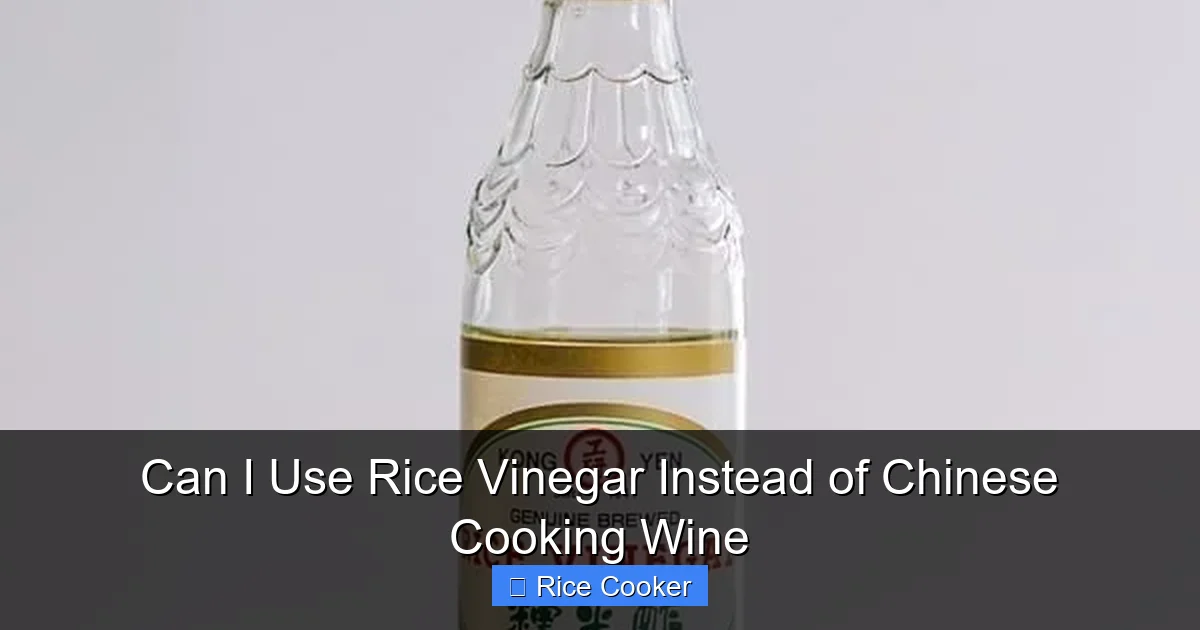
Can you use rice vinegar instead of Chinese cooking wine? While both add acidity and depth, they serve different roles in cooking. Rice vinegar offers tanginess but lacks the umami and alcohol content that Chinese cooking wine provides. Use it only when adapting recipes for dietary needs or balancing flavors in stir-fries and marinades—but expect a noticeable difference in taste and aroma.
Key Takeaways
- Flavor Difference: Rice vinegar is sharper and more acidic than Chinese cooking wine, which balances savory and sweet notes.
- Alcohol Content: Chinese cooking wine contains alcohol that evaporates during cooking, enhancing aroma—rice vinegar has none.
- Acidity Level: Vinegar is more acidic, so use less when substituting to avoid overly sour dishes.
- Recipe Suitability: Works best in sauces, braises, and dressings where acidity enhances flavor rather than dominates.
- Dietary Substitutes: A good option for those avoiding alcohol or seeking non-alcoholic alternatives.
- Enhancement Tip: Add a pinch of sugar or soy sauce to mimic cooking wine’s balance when using rice vinegar.
- Best Alternatives: Consider mirin, dry sherry, or even lemon juice + sugar as closer substitutes than plain rice vinegar.
Have you ever stood in front of your pantry, staring at a recipe that calls for Chinese cooking wine—also known as *Shaoxing wine*—and realized you don’t have any? Maybe you’re hosting dinner and running low on ingredients, or perhaps you’re just experimenting with what you already own. The question arises: **Can I use rice vinegar instead of Chinese cooking wine?**
It’s a common dilemma in home kitchens, especially among cooks trying to recreate authentic Asian flavors without specialty items. At first glance, both ingredients are liquids used to tenderize meat, enhance flavor, and add complexity to dishes. But beneath the surface, their chemical properties and culinary roles differ significantly. Understanding these differences will help you make smarter substitutions—without sacrificing the soul of your dish.
In this article, we’ll explore everything you need to know about swapping rice vinegar for Chinese cooking wine. We’ll break down flavor profiles, discuss when it’s safe (or risky) to substitute, offer practical tips, and even suggest better alternatives if needed. Whether you’re stir-frying dumplings, simmering a pork belly, or making a quick marinade, this guide will help you navigate the kitchen with confidence.
—
Key Takeaways
- Understanding can i use rice vinegar instead of chinese cooking wine: Provides essential knowledge
📑 Table of Contents
- Understanding Chinese Cooking Wine: What Is It Really?
- What Makes Rice Vinegar Different?
- When Can You Safely Substitute Rice Vinegar for Chinese Cooking Wine?
- Practical Tips for Using Rice Vinegar as a Substitute
- Real-World Examples: Testing the Substitution
- Impact on Texture and Appearance
- Myths vs. Facts About Vinegar Substitutions
- Final Thoughts: When to Stick With Original Ingredients
Understanding Chinese Cooking Wine: What Is It Really?
Chinese cooking wine—particularly Shaoxing wine—is a fermented rice wine that plays a crucial role in many classic Chinese recipes. Made from glutinous rice, water, and koji mold, it’s aged and distilled to create a complex, slightly sweet, and deeply savory liquid. Unlike Western cooking wines, which often have added salt or preservatives, traditional Shaoxing wine is pure and aromatic.
The magic of Chinese cooking wine lies in its **dual function**: it tenderizes proteins through alcohol, and its subtle sweetness and umami-rich flavor profile deepen the overall taste of a dish. When heated, the alcohol evaporates, leaving behind a nuanced bouquet that elevates meats, seafood, and braised vegetables.
Common uses include:
– Marinating beef or chicken before stir-frying
– Adding to braised dishes like Dongpo pork
– Flaming dishes to release fragrance (like in *xiang chao ji*)
– Enhancing broth-based soups
Without it, dishes can taste flat or unbalanced. So when you’re missing this key ingredient, it’s tempting to grab the nearest vinegar—but let’s not rush into substitutions yet.
—
What Makes Rice Vinegar Different?
Rice vinegar, on the other hand, is made by fermenting rice starch into alcohol and then converting it into acetic acid. It’s clear, light, and distinctly tangy. There are several types—white (young), red, black, and brown—but white rice vinegar is most commonly used in cooking due to its mild color and clean acidity.
Unlike Chinese cooking wine, rice vinegar:
– Contains no alcohol (after fermentation)
– Is far more acidic (pH around 2.5–3.0)
– Lacks sweetness or umami depth
– Can alter the visual appearance of dishes if used in excess
While both liquids add brightness and cut through richness, their purposes diverge. Think of Chinese cooking wine as a **seasoning blend**—it contributes multiple flavor dimensions—whereas rice vinegar is primarily an **acid**.
This distinction matters greatly in recipes where balance is everything. For example, in a dish like *mapo tofu*, the right harmony between spicy, savory, sweet, and tangy elements defines its success. Replacing cooking wine with vinegar could tip the scale toward sourness.
—
When Can You Safely Substitute Rice Vinegar for Chinese Cooking Wine?
Before reaching for the vinegar bottle, ask yourself: **How critical is the role of Chinese cooking wine in this specific recipe?**
Here are scenarios where rice vinegar might work as a temporary stand-in:
1. In Stir-Fries with Other Acidic Ingredients
If your stir-fry already includes lime juice, tamarind paste, or tomatoes, adding a splash of rice vinegar won’t drastically change the outcome. The dish still gets enough acidity to brighten the flavors. Just remember to reduce the amount—vinegar is potent.
2. For Marinades Where Tenderness Isn’t Key
Since rice vinegar doesn’t contain alcohol, it won’t tenderize meat the way cooking wine does. Avoid using it for long marinades (more than 30 minutes) on tough cuts like flank steak. Instead, opt for citrus juices or soy-based marinades for better results.
3. In Sauces or Dressings
Dishes like dipping sauces, noodle broths, or cold appetizers benefit from acidity without needing the full complexity of cooking wine. A mix of rice vinegar, sesame oil, and a touch of sugar can mimic some of the lift that Shaoxing wine provides.
4. When Adapting for Dietary Restrictions
For those avoiding alcohol (due to health, religion, or personal choice), rice vinegar is a reasonable alternative. Just compensate for the missing sweetness and umami with other seasonings.
However, there are limits. In recipes where Chinese cooking wine is the star—like in traditional braises or fermented bean curd preparations—substituting with vinegar will result in a noticeably different flavor profile.
—
Practical Tips for Using Rice Vinegar as a Substitute
If you decide to proceed with the swap, follow these guidelines to minimize flavor disruption:
Adjust Quantities Carefully
Since rice vinegar is more acidic, use **only half the amount** called for in a recipe. For example, if a recipe requires 2 tablespoons of Chinese cooking wine, try 1 tablespoon of rice vinegar and adjust to taste.
Add Sweetness to Counteract Acidity
Mix rice vinegar with a small amount of sugar, honey, or molasses. This helps replicate the mild sweetness of cooking wine and creates a more balanced flavor. Try a ratio of 3 parts vinegar to 1 part sweetener.
Boost Umami with Soy Sauce
A dash of dark soy sauce adds depth and color, compensating for the lack of umami in rice vinegar. Use sparingly—too much will make your dish salty.
Temper the Sharpness
Let the vinegar cook off briefly (about 1–2 minutes) before adding other ingredients. This mellows its sharp edge and allows it to integrate better into the dish.
Consider the Dish Type
As mentioned earlier, this substitution works best in:
– Cold dishes (salads, ceviche-style preparations)
– Quick sauces
– Dishes with strong competing flavors (garlic, chili, ginger)
Avoid using it in delicate applications like steamed fish or clear soups, where subtlety is key.
—
Better Alternatives to Rice Vinegar
While rice vinegar can work in a pinch, consider these options for closer flavor matches:
– **Mirin (Japanese sweet rice wine):** Closest in sweetness and alcohol content. Use equal amounts.
– **Dry Sherry or Marsala:** Offers nutty, fruity notes similar to Shaoxing wine. No sugar needed.
– **Lemon or Lime Juice + Sugar:** Mix 1 part citrus juice with ½ part sugar. Great for dressings or marinades.
– **White Wine:** Light-bodied versions work well; avoid fortified wines like port.
These alternatives preserve more of the original dish’s intended flavor profile.
—
Real-World Examples: Testing the Substitution
Let’s walk through two common recipes to see how rice vinegar performs compared to Chinese cooking wine.
Example 1: Braised Pork Belly (Hong Shao Rou)
Original recipe calls for 3 tbsp Shaoxing wine. Without it, the pork tastes plainer and slightly bitter. After substituting 1.5 tbsp rice vinegar mixed with 1 tsp sugar and a splash of soy sauce, the dish improved—but still lacked the wine’s floral aroma and rounded sweetness.
Verdict: Acceptable for last-minute fixes, but not ideal for authentic versions.
Example 2: Cucumber Salad (Suan Cai Kua)
This cold salad relies heavily on vinegar for crispness and tang. Using rice vinegar here was perfect—it preserved the refreshing bite without overpowering other herbs and chili oil.
Verdict: Ideal substitution in acidic, cold preparations.
These examples show that context matters. Always consider the recipe’s structure before swapping.
—
Impact on Texture and Appearance
Beyond flavor, substitutes affect texture and visual appeal.
Color Changes
Rice vinegar is clear, so it won’t darken dishes like soy sauce might. However, in some cases, its high acidity can cause slight discoloration in raw vegetables or tofu over time.
Tenderizing Power
Alcohol in Chinese cooking wine breaks down protein fibers, making meat more tender. Rice vinegar does little in this regard. For tougher cuts, pair vinegar with mechanical tenderization (marinating longer) or enzymatic aids like pineapple juice.
Cooking Time Adjustments
Because vinegar doesn’t carry away moisture like alcohol does, some recipes may require slightly longer cooking times to reduce excess liquid. Keep an eye on consistency.
—
Myths vs. Facts About Vinegar Substitutions
Let’s clear up some confusion:
Myth: All vinegars are interchangeable
Fact: Balsamic, apple cider, and malt vinegar have stronger flavors and lower acidity thresholds. Rice vinegar’s mildness makes it the safest bet for subtle dishes.
Visual guide about Can I Use Rice Vinegar Instead of Chinese Cooking Wine
Image source: i.pinimg.com
Myth: More vinegar = brighter flavor
Fact: Overuse leads to bitterness and imbalance. Start small and taste as you go.
Myth: Alcohol-free cooking wine exists
Fact: Some brands label products as “non-alcoholic,” but they’re usually just diluted. True alcohol-free versions aren’t common in traditional cuisine.
—
Final Thoughts: When to Stick With Original Ingredients
While rice vinegar can serve as a functional substitute in certain situations, it’s not a perfect replacement for Chinese cooking wine. If authenticity matters—especially in family recipes passed down generations—it’s worth investing in real Shaoxing wine. It’s shelf-stable, affordable, and transforms dishes in ways no vinegar ever could.
That said, life happens. Stockouts occur. Traveling kitchens don’t always have specialty items. In those moments, knowing how to adapt keeps your cooking alive and delicious.
Remember: **Great cooking isn’t about perfection—it’s about intention.** Whether you use rice vinegar or seek out the real thing, what matters most is your willingness to experiment and learn.
—
Frequently Asked Questions
Is rice vinegar healthier than Chinese cooking wine?
Yes, rice vinegar contains no alcohol, making it suitable for people avoiding alcohol for health or religious reasons. However, Chinese cooking wine offers trace nutrients from fermentation, though both should be consumed in moderation.
Can I use regular white vinegar instead of rice vinegar?
Regular white vinegar is more acidic and lacks the mild sweetness of rice vinegar. It can work in emergencies but may result in a harsher, less balanced flavor. Dilute it or blend with a bit of sugar for better results.
Does rice vinegar cook off completely like alcohol?
No, rice vinegar retains its acidity after cooking. Alcohol evaporates entirely, leaving no residual taste—vinegar stays behind, so adjust quantities accordingly.
Will rice vinegar make my dish too sour?
Possibly, if used in large amounts. Always start with reduced quantities and taste frequently. Pair with sugar, salt, or umami-rich ingredients to balance acidity.
Where can I buy Chinese cooking wine?
Available at Asian grocery stores, online retailers (Amazon, Walmart), and some supermarkets’ international sections. Look for Shaoxing or Chinese cooking wine—not drinking wine.
How long does Chinese cooking wine last?
Unopened, it lasts indefinitely. Once opened, keep refrigerated and use within 6–12 months for optimal flavor. It won’t spoil but may gradually lose potency.