
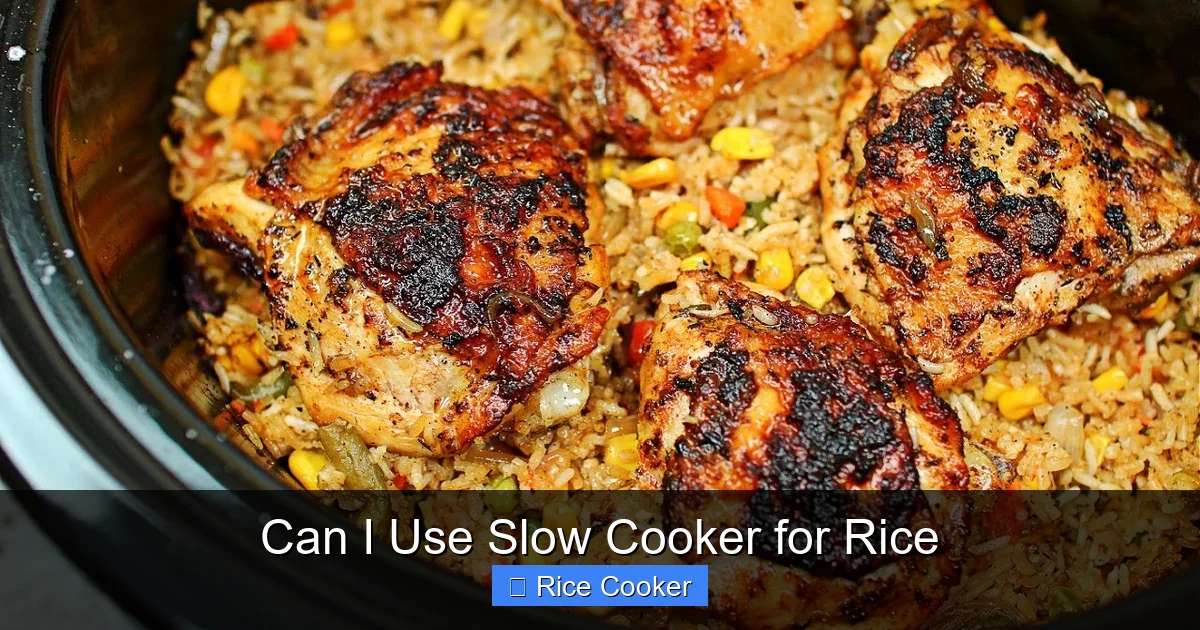
Can I use a slow cooker for rice? Absolutely! With the right water-to-rice ratio and proper preparation, your slow cooker can produce tender, fluffy rice that rivals your rice cooker. While not ideal for every type of rice or recipe, it’s a convenient and hands-off method for meals like one-pot dinners, risottos, or even breakfast rice dishes. Just remember to avoid high heat and stir occasionally for best results.
Key Takeaways
- Yes, but with conditions: Not all slow cookers work equally well for rice, and some types of rice require extra attention to avoid mushiness or dryness.
- Proper ratio is key: The standard water-to-rice ratio for slow cooking is 1:1 (one cup rice to one cup liquid), though adjustments may be needed depending on the grain.
- Cooking time matters: Rice typically takes 6–8 hours on low or 3–4 hours on high in a slow cooker—longer than a rice cooker but great for set-it-and-forget-it meals.
- Pre-soaking helps: Soaking rice for 15–30 minutes before cooking can improve texture and reduce sticking in the slow cooker.
- Stirring prevents scorching: Stirring once halfway through ensures even cooking and avoids burning at the bottom.
- Safety first: Always ensure the slow cooker reaches a safe internal temperature and avoid cross-contamination when using shared appliances.
- Best rice types: Short-grain, medium-grain, and certain long-grain varieties (like jasmine or basmati) work best; avoid quick-cooking or instant rice unless specified.
📑 Table of Contents
- Can I Use Slow Cooker for Rice? A Complete Guide
- Understanding How Slow Cookers Work with Rice
- Choosing the Right Type of Rice for Your Slow Cooker
- Step-by-Step Guide: How to Cook Rice in a Slow Cooker
- Tips and Tricks for Perfect Slow Cooker Rice
- Common Mistakes and How to Fix Them
- Slow Cooker Rice Recipes to Try Today
- Is a Slow Cooker Better Than a Rice Cooker?
- Conclusion: Yes, You Can Use a Slow Cooker for Rice
Can I Use Slow Cooker for Rice? A Complete Guide
Have you ever stood over a hot stovetop, stirring a pot of rice while worrying about burning it or boiling over? Or maybe you’re tired of relying on your rice cooker and want more kitchen flexibility. If so, you might be wondering: can I use slow cooker for rice? The short answer is yes—but with some important caveats.
A slow cooker can absolutely make rice, especially if you’re looking for a hands-off approach. It’s perfect for busy days when you want a full meal ready by dinner without constant attention. From creamy risottos to fluffy jasmine rice, the slow cooker can do it all… if used correctly. However, not every rice dish translates well from the stovetop to the crockpot. Some grains absorb moisture differently, and the gentler heat of a slow cooker requires patience and precision.
In this comprehensive guide, we’ll walk you through everything you need to know about cooking rice in a slow cooker—from choosing the right rice to mastering the ideal ratios and timing. You’ll also learn why this method isn’t always the best choice, and how to troubleshoot common issues. Whether you’re meal-prepping for the week or just craving a warm bowl of comfort food, this article will help you decide if your slow cooker is up to the task.
Understanding How Slow Cookers Work with Rice
The Science Behind Slow Cooking Rice
Before jumping into recipes, it’s helpful to understand why slow cookers can—and sometimes can’t—handle rice. Unlike a rice cooker, which uses precise temperature control and often a thermostat to switch from heating to warming, a slow cooker maintains a steady, low temperature throughout the cooking process. Most models run between 170°F and 205°F on low, depending on the setting.
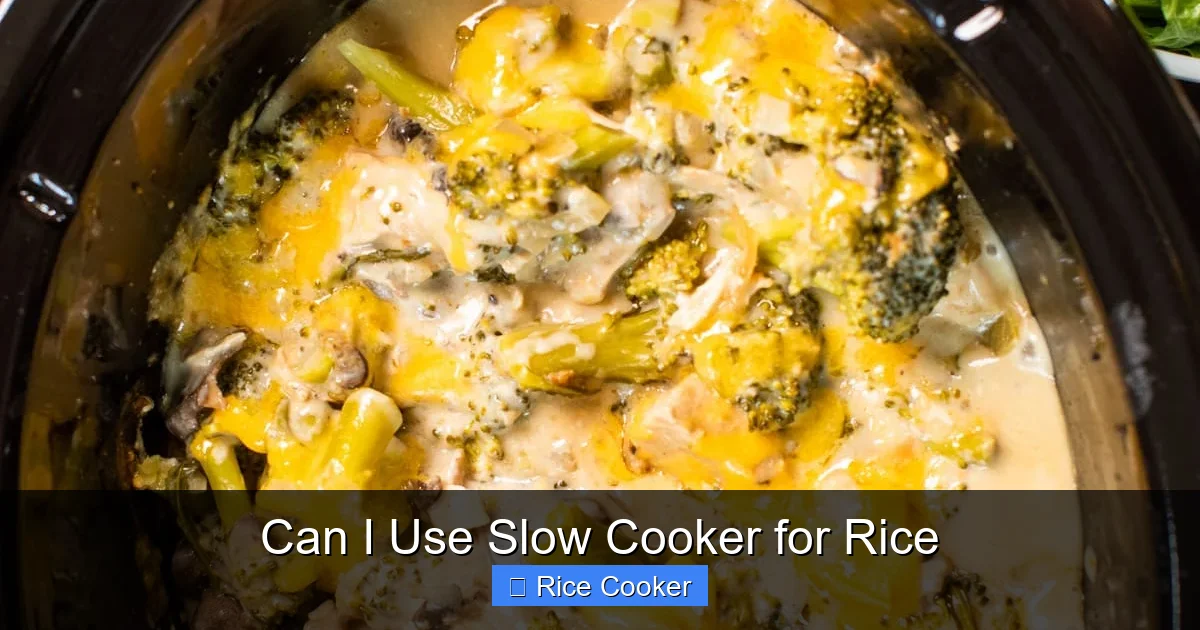
Visual guide about Can I Use Slow Cooker for Rice
Image source: themagicalslowcooker.com
Rice cooks when starch granules absorb liquid and swell. In a rice cooker, this happens quickly under direct heat and pressure. But in a slow cooker, the longer, gentler heat allows for even absorption, which can lead to fluffier results—if done right. However, because there’s no automatic shut-off or steam release, the risk of overcooking or drying out increases if you’re not careful.
Why Rice Cookers Are Often Preferred
You might be thinking, “If a slow cooker can do it, why not just buy a rice cooker?” Great question. Rice cookers are designed specifically for rice. They use sensors to detect when the rice is fully cooked and automatically switch to a “warm” mode, preventing overcooking. They also often have multiple settings for different rice types (white, brown, sushi, etc.), making them far more versatile.
In contrast, a slow cooker lacks these features. There’s no way to tell exactly when rice is done without opening the lid—which releases heat and can disrupt the cooking process. That said, if you already own a slow cooker and don’t want to invest in another appliance, it’s still a viable option—just not as foolproof.
Choosing the Right Type of Rice for Your Slow Cooker
Short-Grain and Medium-Grain Varieties
For beginners, short-grain rice (like Arborio or sushi rice) and medium-grain rice (such as Calrose or bomba rice) are your best bets. These grains have a higher starch content, which helps them stay soft and slightly sticky when cooked slowly. They also absorb liquid evenly, reducing the chance of dry spots or clumps.
Arborio rice, commonly used in risotto, is particularly well-suited for slow cooking. Its high amylopectin content creates a creamy texture when stirred gently during the final hour of cooking. Similarly, sushi rice holds its shape well and becomes tender without falling apart.
Long-Grain Rices: Jasmine, Basmati, and Beyond
Long-grain rice can also work in a slow cooker, but with more caution. Jasmine and basmati rice are aromatic and fluffy when cooked properly, but they can become too dry or crumbly if overcooked. To prevent this, use a bit more liquid than usual and consider adding a splash of oil or butter to retain moisture.
Avoid using wild rice or red rice in a slow cooker unless the recipe specifically calls for it. These varieties have longer cooking times and require more liquid, increasing the risk of mushiness.
Instant and Quick-Cooking Rice: A Cautionary Note
While it’s technically possible to cook instant rice in a slow cooker, it’s not recommended. Instant rice is pre-cooked and then dehydrated to speed up cooking on the stovetop or in the microwave. When exposed to prolonged heat in a slow cooker, it can turn into a gluey, unpleasant mess. Save instant rice for its intended method of preparation.
Step-by-Step Guide: How to Cook Rice in a Slow Cooker
Preparing Your Ingredients
Start by rinsing your rice. This removes excess starch and prevents gummy results. Place the rice in a fine-mesh strainer and rinse under cold running water until the water runs clear. Drain thoroughly—any leftover water can throw off your liquid ratio.
Next, measure your liquid. For most rice types, use a 1:1 ratio by volume (e.g., 1 cup rice to 1 cup water). For richer dishes like risotto, you might increase the liquid to 1.25 cups. Add a pinch of salt and, optionally, a teaspoon of oil or butter to help separate the grains and add flavor.
Setting Up the Slow Cooker
Use the slow cooker insert. Avoid placing anything else inside unless it’s part of a larger meal (like chicken thighs or vegetables). Lightly grease the insert if you’re concerned about sticking, though most modern nonstick models don’t require it.
Add the rinsed rice and liquid to the insert. Stir once to combine, then cover with the lid. Make sure the vent is closed to retain heat and moisture.
Cooking Times and Settings
Set your slow cooker to **low** for 6 to 8 hours. High heat can cause the bottom layer to burn before the top is fully cooked. If you’re in a hurry, you can use the high setting for 3 to 4 hours—but monitor closely after 3 hours.
After 6 hours on low, check the rice. It should be tender and fully absorbed. If it’s still firm, let it cook 30–60 minutes longer. Never open the lid unnecessarily—each time you lift it, you lose heat and can extend cooking time.
Finishing Touches
Once done, fluff the rice gently with a fork. Let it sit covered for 5–10 minutes to allow any remaining liquid to distribute evenly. Taste and adjust seasoning if needed. For risotto-style rice, stir in a knob of butter and a splash of broth or wine at the end for creaminess.
Tips and Tricks for Perfect Slow Cooker Rice
Soak Your Rice First
Soaking rice for 15 to 30 minutes before cooking helps hydrate the grains evenly, leading to more uniform texture. It also reduces cooking time slightly and minimizes stickiness. Simply place rinsed rice in a bowl, cover with water, and let it sit while you prep other ingredients.
Don’t Skip the Stir
Even though slow cookers are “set it and forget it,” stirring once halfway through (after 3 hours) is crucial. This prevents scorching at the bottom and ensures even absorption. Use a silicone spatula to gently mix without breaking the grains.
Use a Timer or Smart Plug
If you’re worried about overcooking, set a timer on your phone. Alternatively, use a smart plug with an app that alerts you when the slow cooker turns off. This gives you peace of mind, especially overnight.
Adjust Ratios Based on Dish
For pilafs or biryanis, add diced onions, spices, or herbs to the rice while cooking. For a simpler side, plain white rice works fine. Experiment with flavors—try adding lemon zest, cumin, or coconut milk for variety.
Store Leftovers Properly
Cool rice completely before refrigerating. Store in an airtight container for up to 4 days. Reheat with a splash of water or broth to restore moisture. Avoid reheating in the same slow cooker—use a saucepan instead.
Common Mistakes and How to Fix Them
Mushy or Overcooked Rice
This usually happens when the rice is cooked too long or with too much liquid. To fix, drain excess water and fluff immediately. For future batches, reduce liquid by 1/4 cup or cut cooking time by 1 hour.
Dry or Undercooked Rice
If the rice is still hard, add 1/4 cup of water, cover, and cook 30 minutes longer on low. Don’t add water mid-cook unless necessary—it can dilute flavor and extend cooking time.
Burning at the Bottom
This occurs when the rice sticks to the insert. Always rinse the rice, use enough liquid, and stir halfway through. Nonstick inserts help, but scrubbing with abrasive cleaners can damage them over time.
Lid Won’t Seal or Steam Builds Up
Make sure the lid fits snugly. If steam escapes, the rice may dry out. Check the rubber seal for cracks or debris. Replace if damaged.
Slow Cooker Rice Recipes to Try Today
Classic Fluffy White Rice
Ingredients:
– 1 cup white rice (short or medium grain)
– 1 cup water
– Pinch of salt
Instructions: Rinse rice, add to slow cooker with water and salt. Cook on low for 7 hours. Fluff and serve.
Creamy Mushroom Risotto
Ingredients:
– 1 cup Arborio rice
– 1.25 cups vegetable broth
– 1 cup sliced mushrooms
– 1 small onion, chopped
– 2 cloves garlic, minced
– 1/4 cup white wine (optional)
– 1/4 cup grated Parmesan
– Salt and pepper to taste
Instructions: Sauté onion, garlic, and mushrooms in a skillet. Transfer to slow cooker with rice and broth. Cover and cook on low for 6 hours. Stir in wine, cheese, and seasonings before serving.
Spiced Chicken and Rice
Ingredients:
– 1 lb boneless chicken thighs
– 1 cup basmati rice
– 1.5 cups chicken broth
– 1 tsp turmeric
– 1 tsp cumin
– 1/2 tsp cinnamon
– Salt and pepper
Instructions: Place chicken in slow cooker. Add rice, broth, and spices. Cook on low for 7 hours or high for 4 hours. Shred chicken before serving.
Is a Slow Cooker Better Than a Rice Cooker?
It depends on your needs. A rice cooker is faster, more precise, and better for everyday rice. But a slow cooker offers versatility—you can cook rice alongside meat, vegetables, or beans in one pot. It’s ideal for large families, meal prep, or dishes where rice is just one component.
If you only cook rice once in a while, a rice cooker makes more sense. But if you already have a slow cooker and love its convenience, it’s definitely worth trying—especially for one-pot meals.
Conclusion: Yes, You Can Use a Slow Cooker for Rice
So, can I use slow cooker for rice? The answer is a confident yes—with the right technique. While it may not replace your rice cooker for every occasion, it’s a reliable method for making tender, flavorful rice in a hands-off way. From creamy risottos to spiced biryanis, the slow cooker opens up new culinary possibilities.
Remember: success comes down to rice selection, liquid ratios, and timing. Don’t rush the process. Be patient, stir once, and let the magic happen. And if things don’t go perfectly the first time? That’s part of the learning curve. Every chef, even the pros, has had a batch of overcooked or mushy rice. What matters is that you’re willing to try again.
Next time you’re planning a cozy dinner or need a no-fuss side dish, give your slow cooker a shot. You might just discover a new favorite method—one that frees up your stovetop and keeps your kitchen cool and calm all day long.
Frequently Asked Questions
Can I cook brown rice in a slow cooker?
Yes, but it requires more liquid and longer cooking time. Use a 1:1.5 ratio (1 cup rice to 1.5 cups water) and cook on low for 8–10 hours. Brown rice takes longer to soften due to its bran layer.
Do I need to soak rice before cooking in a slow cooker?
Soaking isn’t required, but it helps achieve a more uniform texture and reduces cooking time. Simply rinse the rice and let it sit in water for 15–30 minutes before draining and cooking.
How much water do I use for 1 cup of rice in a slow cooker?
Use 1 cup of water per cup of rice for most types. For richer dishes like risotto, increase to 1.25 cups. Adjust based on your desired consistency.
Can I cook rice in a slow cooker on high heat?
Yes, but it takes less time—usually 3–4 hours. However, high heat increases the risk of burning at the bottom. Monitor closely and stir halfway through.
What if my rice is too wet or soupy?
Drain the excess liquid after cooking, then fluff the rice with a fork. For future batches, reduce the liquid by 1/4 cup or shorten cooking time slightly.
Can I cook rice and meat together in a slow cooker?
Absolutely! This is a great way to make one-pot meals. Just add the meat first, let it cook partially, then add rice and liquid. Ensure the rice has enough liquid to cook through without drying out.