
Can you use a rice cooker pot on the stove? It depends on the material and design—some are safe, while others can warp or damage your cookware. In this article, we break down everything you need to know about using your rice cooker pot outside the rice cooker, including safety tips and alternatives. You’ll learn how to spot heat-resistant models, avoid common mistakes, and extend the life of your cookware with smart usage habits.
Key Takeaways
- Material matters: Stainless steel and cast iron rice cooker pots are usually stovetop-safe; non-stick or aluminum ones often aren’t.
- Check for flat bottoms: Only pots designed for stovetops have even, flat bases that distribute heat evenly.
- Heat control is key: Always use low to medium heat to prevent scorching or warping, especially with non-metallic coatings.
- Handle with care: Even compatible pots may have fragile handles or lids not meant for high heat exposure.
- Alternatives exist: If unsure, use a separate saucepan or transfer contents instead of risking damage.
- Clean properly: Avoid abrasive cleaners on coated surfaces, and always dry thoroughly after washing.
- Manufacturer guidance: When in doubt, check the user manual or contact support for model-specific advice.
Using a rice cooker pot on the stove might seem like a convenient shortcut when you’re in a hurry or out of your usual cookware. After all, it’s already designed for cooking, holds liquid well, and often has a tight-fitting lid—what could go wrong? But before you toss your leftover rice into the pot and place it over an open flame, consider this: not all rice cooker pots are built for stovetop use. The materials, construction, and intended purpose vary widely between models. While some are robust enough to handle direct heat, others—especially those with non-stick coatings or thin aluminum bodies—can warp, crack, or even release harmful fumes when exposed to high temperatures. Understanding your pot’s limitations isn’t just about avoiding kitchen disasters; it’s also about protecting your investment and ensuring food safety.
In this comprehensive guide, we’ll walk through everything you need to know about using your rice cooker pot on the stove. We’ll cover the types of materials commonly used, how to identify which pots are safe for stovetop cooking, what risks to watch out for, and practical tips to maximize both safety and functionality. Whether you’re reheating soup, making oatmeal, or trying to save time by multitasking on the stove, this article will help you make informed choices. By the end, you’ll feel confident deciding whether your rice cooker pot can join the party—or if it’s better left in the appliance where it belongs.
Key Takeaways
- Understanding can i use the rice cooker pot on the stove: Provides essential knowledge
📑 Table of Contents
Understanding Rice Cooker Pot Materials
Before diving into stovetop compatibility, it helps to understand what your rice cooker pot is made of. Most modern rice cookers use one of three primary materials for their inner pots: stainless steel, aluminum, or non-stick coated aluminum. Each has distinct properties that affect how well it handles heat and whether it’s suitable for stovetop use.
Stainless steel is probably the most durable and versatile option. Known for its resistance to rust, corrosion, and high temperatures, stainless steel pots are often found in higher-end rice cookers. These pots typically feature a flat, heavy-bottomed design that promotes even heating—ideal for simmering, boiling, or sautéing. Because they don’t react with acidic foods and can withstand repeated exposure to heat without degrading, stainless steel rice cooker pots are generally safe to use on gas, electric, or induction stoves.
Aluminum, on the other hand, is lightweight and conducts heat quickly—great for even rice cooking but less ideal for stovetop applications unless reinforced. Standard aluminum rice cooker pots may have a thin profile that makes them prone to bending or denting under direct flame. However, many newer models now use aluminum with an internal coating (like ceramic or titanium) to improve durability and prevent sticking.
The biggest concern comes from non-stick coated pots. These are common in budget-friendly rice cookers because they’re easy to clean and prevent rice from sticking. Unfortunately, non-stick coatings—especially older versions containing PTFE (Teflon)—degrade above 500°F (260°C), releasing potentially toxic fumes if overheated. Using such a pot on the stove increases the risk of reaching these temperatures, particularly if you forget it’s on the burner or leave it unattended.
How to Identify Safe vs. Unsafe Materials
So how do you tell if your rice cooker pot is stovetop-ready? Start by examining the base. A true stovetop-compatible pot will have a thick, flat bottom without any curves or domes. Look for markings like “induction ready” or “stovetop safe” printed near the rim or handle. If the pot feels unusually light or has visible scratches inside the coating, it may not be rated for high heat.
You can also perform a simple test: place the empty pot on a cold stovetop (turned off) and run your fingers around the outer edge. If it feels warm within seconds of turning the burner on, the material may conduct heat too efficiently—a sign of thin aluminum without proper reinforcement. Conversely, if it stays cool even after several minutes of heating, the pot might be too insulated for effective stovetop cooking.
Another clue lies in the handle. Stainless steel pots usually have sturdy, fully riveted handles designed to stay cool during cooking. Non-stick pots often feature plastic or silicone-wrapped handles that can melt or deform at moderate heat levels. If your rice cooker pot has a flimsy-looking handle or one that gets uncomfortably hot when you touch it, it’s best avoided on the stove.
When Is It Safe to Use Your Rice Cooker Pot on the Stove?
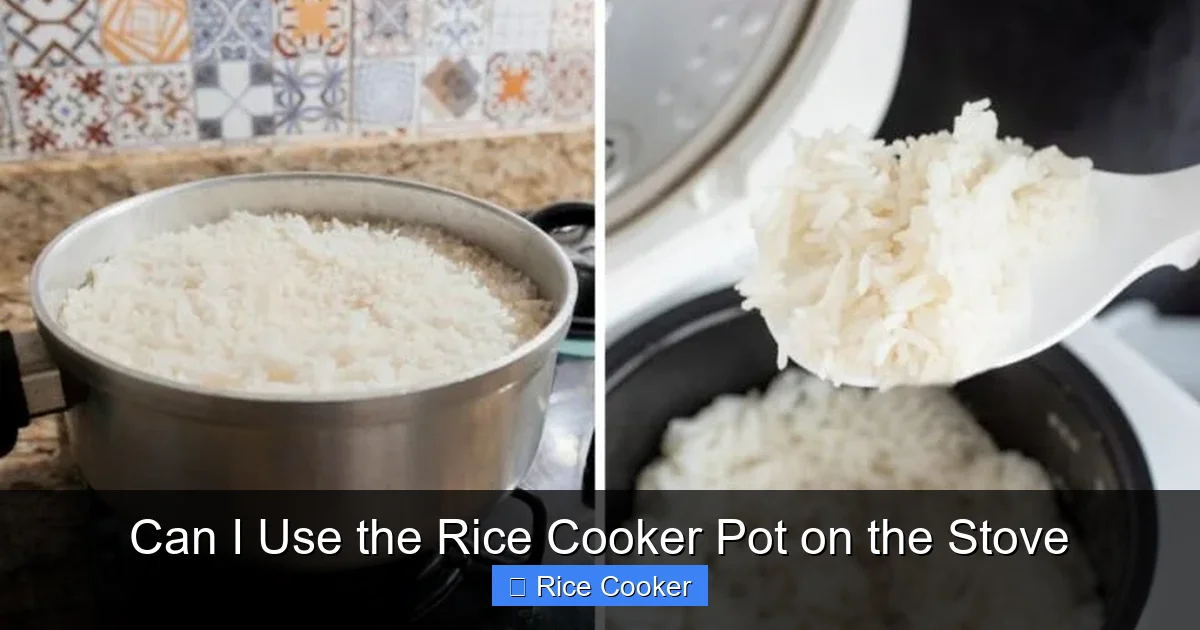
Visual guide about Can I Use the Rice Cooker Pot on the Stove
Image source: keeshaskitchen.com
Now that we’ve covered materials, let’s talk about specific scenarios where using your rice cooker pot on the stove makes sense—and when it doesn’t. The short answer? It’s safest when your pot is made of stainless steel with a flat, heavy bottom and no non-stick coating. Even then, moderation and attention are key.
One common reason people want to use their rice cooker pot on the stove is for reheating. Leftover rice, soups, or stews can be warmed directly in the pot, especially if it fits neatly onto a standard-sized burner. Just remember to stir occasionally and keep the heat low to prevent scorching. Since rice cooker pots are typically deeper than regular saucepans, they work well for liquids—but again, only if the material supports it.
Sautéing vegetables or making simple pasta dishes is another possibility, but only with compatible pots. Imagine trying to fry garlic in olive oil using a delicate non-stick rice cooker pot—it’s asking for trouble. Instead, reserve such tasks for dedicated skillets or pans.
Conversely, avoid using your rice cooker pot for deep frying, searing meats at high temperatures, or anything requiring sustained flames. These activities push heat beyond what most rice cooker pots—even stainless steel ones—are designed to handle. Over time, excessive heat can cause warping, discoloration, or even structural failure.
Also, consider the size of your stove burners. Rice cooker pots vary in diameter, and placing a small pot on a large burner or vice versa creates uneven heating. This can lead to hot spots, inefficient cooking, and potential damage to both the pot and stove.
Practical Examples of Safe Uses
Let’s look at real-life examples to clarify:
– Reheating soup: Transfer soup to the rice cooker pot, cover, and warm on low heat with occasional stirring.
– Cooking oats: Add oats, water, and a pinch of salt to the pot, bring to a boil on the stove, then reduce to simmer—just like in the rice cooker.
– Making steamed vegetables: Place chopped veggies in the pot with a splash of water, cover, and steam over medium-low heat.
These uses leverage the pot’s depth and lid-sealing ability without exposing it to extreme conditions.
Common Risks and How to Avoid Them
Even if your rice cooker pot seems sturdy, there are several risks associated with stovetop use. Being aware of them ahead of time helps you cook smarter and safer.
First, thermal shock is a major concern. Rapid temperature changes—such as moving a hot pot from the stove to cold water—can crack ceramic or glass components. While most rice cooker pots aren’t made of glass, sudden shifts in heat stress the entire structure, especially if there are microscopic cracks from normal wear.
Second, improper heat distribution leads to uneven cooking and potential burning. Thin aluminum pots absorb heat quickly but lose it just as fast, creating hot zones. Without constant monitoring, food at those spots can char while other areas remain undercooked.
Third, contamination risks arise if you’ve used the pot for rice and then switched to acidic foods like tomatoes or vinegar-based sauces. Acidic ingredients can react with metals, altering taste and possibly leaching trace elements into your meal—though this is more of a concern with older aluminum pots lacking protective linings.
Finally, there’s the issue of cross-contamination between appliances. Rice cooker pots aren’t sanitized like professional kitchenware, so using them for raw meat or allergens requires extra caution. Always wash thoroughly before switching purposes.
To minimize these risks:
– Never leave the pot unattended while on the stove.
– Use oven mitts or pot holders—handles may retain heat even after turning off the burner.
– Clean the pot immediately after each use to prevent residue buildup.
– Store separately from other cookware to avoid accidental scratches or dents.
What Happens If You Accidentally Burn It?
If you realize too late that your non-stick rice cooker pot was on the stove, don’t panic—but take action. First, turn off the heat and remove the pot from the burner. Do not rinse it immediately; instead, let it cool completely. Once cooled, inspect for bubbling, peeling, or unusual odors. If the coating appears damaged, discard the pot immediately. Fumes from burned non-stick coatings can be harmful, and eating food cooked in compromised pots poses health risks.
For stainless steel pots, minor discoloration or smoke usually isn’t dangerous—just wipe down the interior and continue using it. But if you notice warping, persistent smells, or structural weakness, it’s time to replace the pot.
Tips for Maximizing Versatility Without Compromising Safety
Want to get more mileage out of your rice cooker pot without risking damage? Here are some pro tips:
1. **Use a trivet or heat diffuser:** These accessories spread heat evenly across the pot’s base, reducing hot spots and protecting delicate coatings.
2. **Preheat gradually:** Avoid slamming the pot onto a hot burner. Let it sit on low heat for a minute before increasing intensity.
3. **Match pot size to burner:** Choose a pot that covers about ⅔ of the burner for optimal efficiency.
4. **Avoid metal utensils:** Scraping non-stick surfaces with forks or spoons accelerates wear—opt for wooden or silicone tools.
5. **Season stainless steel pots:** Lightly coat with oil and heat occasionally to maintain a natural non-stick layer and prevent rust.
6. **Label dual-use pots:** If you own both a rice cooker and a standalone pan, mark them clearly to avoid confusion.
Remember, flexibility doesn’t mean recklessness. When in doubt, err on the side of caution. There’s no shame in transferring food to a dedicated saucepan—it preserves the integrity of your cookware and ensures consistent results.
Alternatives to Using Your Rice Cooker Pot on the Stove
Sometimes, the safest approach is to skip the stove altogether. Modern kitchens offer plenty of alternatives:
– **Microwave:** Most rice cooker pots are microwave-safe due to their glass lids or vented designs. Reheat meals here to bypass stovetop risks entirely.
– **Slow cooker or Instant Pot:** These appliances mimic stovetop simmering without direct flame, using gentle, controlled heat perfect for soups, grains, and braises.
– **Double boiler method:** Place the rice cooker pot inside a larger pot filled with simmering water. This indirect heat source is gentle and safe for delicate foods.
If you frequently need stovetop versatility, consider investing in a universal stainless steel stockpot. Many are affordable, come with tight-fitting lids, and work seamlessly across multiple cooking methods—including rice cookers.
Conclusion: Make Smart Choices in the Kitchen
So, can you use the rice cooker pot on the stove? The answer isn’t a simple yes or no—it hinges on your pot’s material, design, and how you plan to use it. Stainless steel models with flat bases are generally safe for light stovetop tasks like reheating or steaming, while non-stick or aluminum versions should stay put inside the rice cooker. Always prioritize safety over convenience, monitor your cooking closely, and never assume compatibility without verification.
By understanding your equipment and respecting its limits, you’ll extend the life of your cookware, protect your health, and enjoy more reliable kitchen outcomes. Whether you choose to repurpose your rice cooker pot or keep it dedicated to its original function, informed decisions pave the way for stress-free, delicious meals.
Frequently Asked Questions
Can I use my non-stick rice cooker pot on the stove?
Generally, no. Non-stick coatings degrade at high temperatures and can release harmful fumes when overheated. Even brief exposure to a stove flame risks damaging the pot. For safety, avoid using non-stick rice cooker pots on the stove and opt for reheating in the microwave instead.
Will a stainless steel rice cooker pot work on induction stoves?
Yes, if it has a magnetic base. Most stainless steel rice cooker pots are induction-compatible, but always check for an “induction ready” label. If unsure, place a magnet near the base—if it sticks, the pot works with induction cooktops.
Is it okay to boil water in my rice cooker pot on the stove?
It depends on the material. Stainless steel pots are fine for boiling water, but aluminum or non-stick versions may warp or degrade. If your pot feels thin or has a glossy interior, it’s safer to use a dedicated kettle or saucepan.
How can I tell if my rice cooker pot is safe for stovetop use?
Look for a flat, heavy bottom, no visible coatings, and manufacturer markings like “stovetop safe.” Stainless steel pots with riveted handles are usually reliable. Avoid pots with plastic handles or scratched interiors, as these indicate poor heat tolerance.
What should I do if my rice cooker pot starts smoking on the stove?
Immediately turn off the heat, remove the pot from the burner, and ventilate the area. Allow it to cool completely before inspecting. If the coating is peeling or there’s a strong chemical smell, discard the pot—burned non-stick surfaces pose health risks.
Can I transfer food from my rice cooker pot to the stove safely?
Yes, but only if the pot is made of heat-resistant material like stainless steel. Pour contents into a separate pan if you’re unsure about compatibility. Never place a hot rice cooker pot directly onto a cold surface without allowing gradual cooling first.