
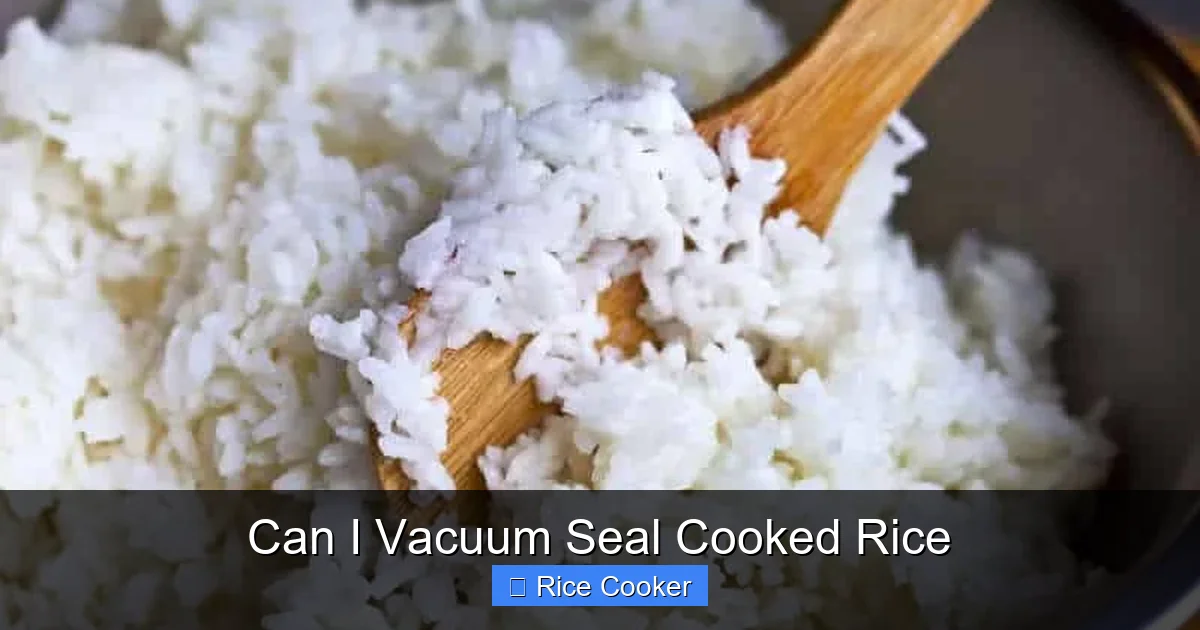
Vacuum sealing cooked rice is not only possible—it’s a smart way to preserve flavor and texture. When done correctly, this method extends freshness and makes meal prep more efficient. Just make sure the rice is cooled and stored safely to avoid foodborne illness risks.
Key Takeaways
- Vacuum sealing cooked rice is safe and effective when done properly, extending shelf life and preserving quality.
- Cooked rice must be cooled before sealing to prevent condensation and bacterial growth.
- Proper storage temperature is crucial—keep sealed rice in the refrigerator or freezer promptly.
- Freezing vacuum-sealed rice improves long-term storage, lasting up to 6 months with minimal quality loss.
- Reheating is easy and reliable when using vacuum-sealed portions—just thaw and warm through.
- Use high-quality vacuum bags or containers to ensure an airtight seal and prevent freezer burn.
- Avoid resealing opened packages multiple times—consume within days to maintain safety.
📑 Table of Contents
- Can I Vacuum Seal Cooked Rice?
- Why Vacuum Sealing Works for Cooked Rice
- Step-by-Step Guide: How to Vacuum Seal Cooked Rice
- How Long Can You Store Vacuum-Sealed Cooked Rice?
- Safety Tips: Avoiding Foodborne Illness
- Best Practices for Reheating Vacuum-Sealed Rice
- Common Mistakes to Avoid
- Alternatives to Vacuum Sealing
- Vacuum Sealing vs. Other Storage Methods
- Tips for Different Types of Cooked Rice
- Environmental and Cost Considerations
- Final Thoughts: Is Vacuum Sealing Right for You?
Can I Vacuum Seal Cooked Rice?
You might be wondering if vacuum sealing cooked rice is a good idea—or even safe. The short answer? Yes, you absolutely can! In fact, vacuum sealing is one of the most effective ways to store cooked rice while keeping it fresh, flavorful, and ready to eat whenever you need it. Whether you’re meal prepping for the week, saving leftovers, or stocking up for busy days, vacuum sealing offers convenience without sacrificing quality.
But before you grab your vacuum sealer and start packing away every bowl of rice, there are a few important steps to follow. From cooling the rice properly to choosing the right equipment, doing it right ensures your rice stays safe and delicious. In this comprehensive guide, we’ll walk you through everything you need to know about vacuum sealing cooked rice—from safety tips to storage best practices and even how to reheat it perfectly.
Why Vacuum Sealing Works for Cooked Rice
So, what makes vacuum sealing such a great option for storing cooked rice? It all comes down to removing air. When food is exposed to air, moisture evaporates, bacteria like Bacillus cereus (which can grow in cooked rice) thrive, and oxidation dulls flavor and texture. By sucking out the air, vacuum sealing creates a near-sealed environment that slows spoilage and preserves nutrients.
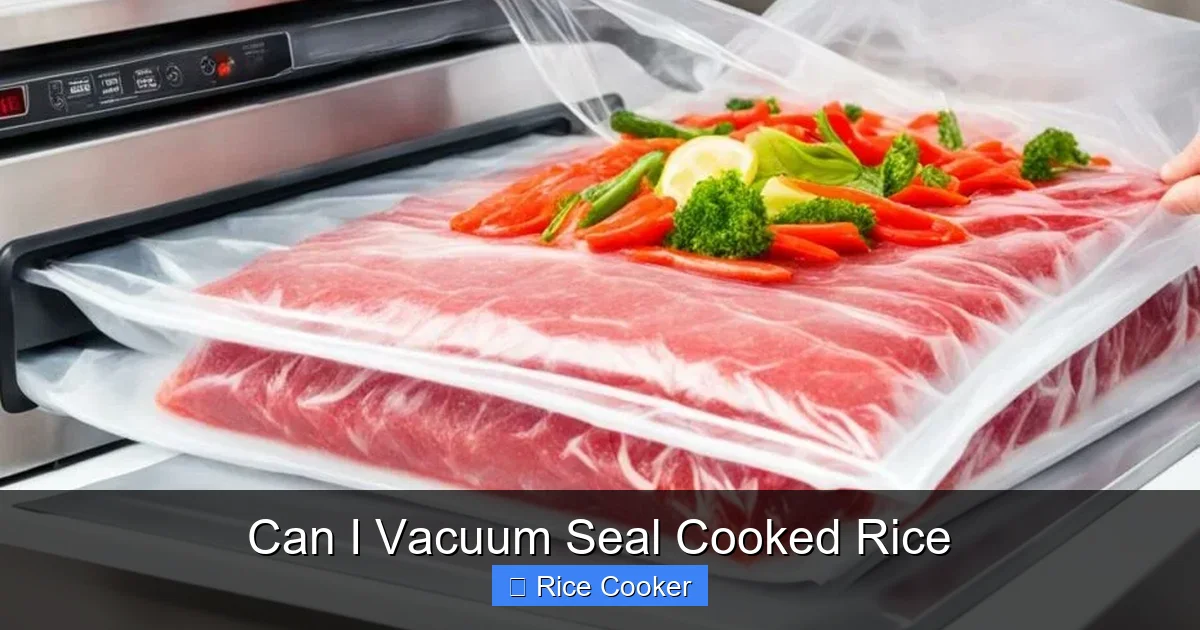
Visual guide about Can I Vacuum Seal Cooked Rice
Image source: vacuumsealercenter.com
The Science Behind Freshness
Cooked rice is especially prone to bacterial growth because of its starch content and warm, moist environment. If rice isn’t cooled quickly or stored improperly, bacteria can multiply rapidly—even in the fridge. Vacuum sealing helps by limiting oxygen exposure, which not only slows bacterial activity but also prevents freezer burn when stored long-term.
Benefits Beyond Freshness
Beyond safety, vacuum sealing offers practical advantages:
- Space-saving: Vacuum-sealed bags take up less room than bulky containers.
- Portion control: Seal individual servings for easy reheating.
- Reduced waste: Store larger batches without risk of spoilage.
- Flavor retention: No off-tastes from oxidation or freezer burn.
Step-by-Step Guide: How to Vacuum Seal Cooked Rice
Ready to try vacuum sealing your own cooked rice? Follow these simple steps for best results.
1. Cook Your Rice Properly
Start with perfectly cooked rice. Use a rice cooker or stovetop method, ensuring it’s fully absorbed and fluffy. Overcooked or mushy rice doesn’t freeze well and may become soggy after reheating. Aim for slightly al dente grains if possible.
2. Cool the Rice Quickly
This is critical. Never seal hot rice. Doing so traps steam inside the bag, creating condensation that can lead to bacterial growth and spoilage. Instead, spread the rice on a baking sheet or shallow dish and cool it to room temperature within 1–2 hours. You can speed this up by placing the tray in front of a fan or in the fridge (but not directly sealed yet).
3. Portion into Meal-Sized Batches
Divide the cooled rice into portions you’d actually eat at one sitting. This reduces waste and makes reheating faster. For example, if you’re meal prepping lunches, divide into single-serving amounts.
4. Place Rice in Vacuum Bags
Use high-quality, food-grade vacuum bags made for freezing. Lay the rice in the bag, leaving about 2 inches of space at the top for the vacuum sealer to work effectively. Avoid overfilling—rice expands slightly when frozen.
5. Seal with Your Vacuum Sealer
Follow your machine’s instructions. Most sealers will automatically detect the bag, remove excess air, and create a tight seal. Make sure the seal is complete and there are no leaks.
6. Label and Store Immediately
Use a permanent marker to label each bag with the date. Refrigerate immediately if eating within 3–5 days, or freeze for longer storage (up to 6 months). Freezing is highly recommended for best results.
How Long Can You Store Vacuum-Sealed Cooked Rice?
Storage time depends on whether you refrigerate or freeze the vacuum-sealed rice.
Refrigeration (Short-Term)
If you plan to eat the rice within a few days, refrigeration works fine. Vacuum-sealed rice can last up to 5 days in the fridge. Always check for signs of spoilage—unusual odors, sliminess, or mold mean it’s time to discard it.
Freezing (Long-Term)
For maximum shelf life, freeze your vacuum-sealed rice. When properly stored, it can last up to 6 months in the freezer. While some texture change may occur (slightly firmer grains), the flavor remains excellent, and the rice reheats beautifully.
Does Freezing Ruin Rice?
Not necessarily. Many people worry that freezing makes rice rubbery or dry, but vacuum sealing prevents freezer burn and moisture loss. Just avoid refreezing thawed rice multiple times—each freeze-thaw cycle degrades quality.
Safety Tips: Avoiding Foodborne Illness
Even though vacuum sealing helps, cooked rice still carries risks if mishandled. Here’s how to stay safe.
Cool Fast, Seal Promptly
The danger zone for bacterial growth is between 40°F and 140°F (4°C and 60°C). Keep rice out of this range as little as possible. Cool it quickly, then move it straight to the fridge or freezer.
Don’t Reuse Bags or Containers
If you open a vacuum-sealed bag, consume the contents within 2–3 days. Resealing opens the package to air, increasing spoilage risk. Consider transferring leftover portions to new containers if needed.
Check for Seal Integrity
Before using, inspect the vacuum seal. If the bag feels soft or bulges, don’t use it—it may have compromised the seal or developed harmful bacteria.
Thaw Safely
When reheating frozen vacuum-sealed rice, thaw it overnight in the fridge or place the sealed bag in cold water. Never thaw at room temperature.
Best Practices for Reheating Vacuum-Sealed Rice
One of the biggest perks of vacuum sealing is how easy it is to reheat. Here’s how to do it right.
Microwave Method (Fastest)
Remove the vacuum seal (unless your bag is microwave-safe). Add a splash of water or broth to the rice to prevent drying. Cover loosely and heat in 30-second intervals, stirring between each, until warmed through.
Stovetop or Oven (Best Texture)
For fluffier results, reheat in a saucepan over low heat with a bit of oil or butter. Stir frequently and add liquid as needed. In the oven, place the sealed bag in a baking dish with hot water (do not submerge completely) and heat at 300°F (150°C) for 15–20 minutes.
Air Fryer Option
Some modern air fryers handle vacuum-sealed bags well. Set to 320°F (160°C) and heat for 8–10 minutes, checking halfway. Add a tablespoon of water if needed.
Common Mistakes to Avoid
Even experienced cooks make errors when vacuum sealing rice. Watch out for these pitfalls.
Sealing Hot Rice
This is the #1 mistake. Always cool rice completely before sealing. Steam buildup creates a humid environment perfect for bacteria.
Overfilling Bags
Leave enough headspace for the vacuum sealer to work. Overfilled bags won’t seal properly and may burst during freezing.
Using Low-Quality Bags
Cheap bags can tear or leak. Invest in thick, freezer-safe vacuum bags designed for long-term storage.
Skipping Labels
Without dates, you might forget how long the rice has been stored. Always label your bags.
Ignoring Thawing Time
Rushing thaw time leads to uneven heating and potential food safety issues. Plan ahead for smooth reheating.
Alternatives to Vacuum Sealing
If you don’t own a vacuum sealer, no worries! There are other effective methods.
Freezer Bags with Manual Air Removal
Pinch the end of a heavy-duty freezer bag shut, then slowly squeeze out air before sealing. While not as effective as a vacuum sealer, this method still reduces oxygen exposure significantly.
Airtight Containers
Glass or BPA-free plastic containers with tight lids work well for short-term storage. Just remember to leave a small vent if microwaving later.
Ice Cube Trays
For very small portions, freeze rice in ice cube trays, then transfer cubes to a freezer bag. Great for soups, sauces, or baby food.
Vacuum Sealing vs. Other Storage Methods
Let’s compare vacuum sealing to common alternatives.
| Method | Shelf Life | Texture After Reheat | Convenience |
|---|---|---|---|
| Vacuum Sealed (Refrigerated) | Up to 5 days | Excellent | High |
| Vacuum Sealed (Frozen) | Up to 6 months | Very Good | High |
| Regular Plastic Container | 3–4 days | Good | Medium |
| Freezer Bag (Manual) | Up to 3 months | Fair | Medium |
As you can see, vacuum sealing outperforms other methods in both longevity and quality retention.
Tips for Different Types of Cooked Rice
Not all rice is created equal. Here’s how to handle specific varieties.
White Rice
Best for vacuum sealing due to its neutral flavor and firm texture. Ideal for stir-fries, bowls, or side dishes.
Brown Rice
Higher in fiber and oil, brown rice can go rancid faster. Vacuum sealing helps preserve its natural oils and extend freshness.
Sushi Rice
Stickier and more delicate. Cool thoroughly before sealing. Add a light coating of oil to prevent clumping during freezing.
Fried Rice
Great candidate for vacuum sealing! The flavors intensify slightly when frozen, making reheated fried rice even tastier.
Risotto
Thicker and creamier, risotto holds up well when vacuum sealed. Add a touch of oil before sealing to prevent sticking.
Environmental and Cost Considerations
Is vacuum sealing eco-friendly? And is it worth the investment?
Vacuum sealers require an upfront cost, but they pay off over time by reducing food waste. According to USDA estimates, households that meal prep with vacuum sealing throw away 30% less food compared to those who don’t. Reusable vacuum bags also cut down on single-use plastic waste.
For frequent rice eaters or large families, a vacuum sealer is a worthwhile purchase. Even occasional users can benefit from bulk cooking and freezing.
Final Thoughts: Is Vacuum Sealing Right for You?
If you love cooking rice in batches—whether for work lunches, family dinners, or meal prep—vacuum sealing is a game-changer. It’s safe, efficient, and keeps your rice tasting fresh for weeks or months. With proper technique, you’ll enjoy better-tasting meals, less kitchen clutter, and fewer food scraps.
Remember: the key is to cool the rice fast, seal it tight, and store it cold. Once you master these steps, vacuum sealing cooked rice becomes second nature. Whether you’re using a rice cooker every day or just want to save time on weekdays, this method fits seamlessly into any kitchen routine.
So go ahead—grab that vacuum sealer, cook up a batch of fluffy jasmine rice, and seal it for tomorrow’s meal. Your future self (and your taste buds) will thank you.
Frequently Asked Questions
Can I vacuum seal hot cooked rice?
No, never vacuum seal hot rice. Always let it cool to room temperature first. Sealing hot rice traps steam, creating a moist environment where bacteria can grow. Cool rice quickly on a baking sheet or in the fridge before sealing.
How long does vacuum-sealed cooked rice last in the freezer?
When properly vacuum sealed and frozen, cooked rice can last up to 6 months. While texture may slightly change (grains may be firmer), the flavor remains excellent. Always label bags with the date and avoid refreezing thawed rice multiple times.
Can I reuse vacuum-sealed rice bags?
Yes, but only once. High-quality vacuum bags are reusable, but each time you open and reseal a bag, you expose the contents to air, increasing spoilage risk. Consume resealed rice within 2–3 days for safety.
Do I need to add water when reheating vacuum-sealed rice?
Not always, but adding a splash of water, broth, or oil helps restore moisture and prevents dryness. Especially important when reheating frozen rice, which can lose moisture during freezing.
Can I vacuum seal rice with sauce or seasonings?
Yes, but drain excess liquids first. Too much liquid can create steam during freezing or reheating, leading to bag rupture or sogginess. Lightly toss rice with oil or butter instead of soaking it in sauce.
Is vacuum sealing better than just putting rice in a container?
Yes, vacuum sealing removes nearly all air, which significantly extends shelf life and preserves texture. Regular containers still allow air exchange, leading to faster spoilage and freezer burn when frozen. Vacuum sealing is superior for long-term storage.