

Washing a rice cooker in the dishwasher isn’t always safe. While some modern models are dishwasher-safe, many traditional rice cookers—especially those with non-stick coatings or metal parts—can be damaged by high heat and harsh detergents. Always check your user manual first and look for dishwasher symbols on the inner pot or exterior. When in doubt, hand-washing is the safest option to preserve your rice cooker’s longevity and performance.
Key Takeaways
- Dishwasher safety varies by model: Not all rice cookers are designed to withstand dishwasher cycles. Check the manufacturer’s guidelines before placing any part in the dishwasher.
- Non-stick coatings can degrade: High heat and strong detergents may damage non-stick surfaces, affecting cooking performance and potentially releasing harmful chemicals.
- Metal components may warp or corrode: Parts like heating elements, steam vents, or outer shells aren’t meant for dishwashers and can suffer long-term damage.
- Hand-washing is often safer: Most rice cooker owners should stick to gentle hand-washing with warm water and mild soap to extend appliance life.
- Use dishwasher-safe accessories: If your rice cooker includes a stainless steel steamer basket or measuring cup, these may be dishwasher-safe—but always confirm.
- Cleaning frequency matters: Regular cleaning prevents buildup, but over-washing (especially in the dishwasher) can wear out seals and gaskets over time.
- Look for dishwasher-safe symbols: Many modern appliances display icons (like a dishwasher tray) on packaging or manuals indicating which parts are safe for machine washing.
Quick Answers to Common Questions
Can I put my rice cooker in the dishwasher?
Only if your model specifically states it’s dishwasher-safe. Most parts, especially the inner pot and lid, are not recommended for dishwasher use due to heat and chemical damage.
Are rice cooker lids dishwasher-safe?
Usually not. Plastic lids and rubber seals can warp or degrade in the dishwasher, compromising the cooker’s seal and safety.
Is it safe to wash the inner pot in the dishwasher?
It depends on the material. Non-stick pots should never go in the dishwasher. Stainless steel pots may be safe—but only if labeled dishwasher-safe.
Will dishwashing ruin my rice cooker?
Possibly. Even one cycle can damage non-stick coatings, warp plastic parts, or weaken seals. Long-term use increases the risk of malfunction.
What’s the best way to clean my rice cooker?
Hand-washing with warm water and mild soap is safest. Remove all parts, scrub gently, rinse well, and air dry before storing.
📑 Table of Contents
- Can I Wash Rice Cooker in Dishwasher? A Complete Guide to Safe Cleaning
- Understanding Your Rice Cooker’s Construction
- When Is It Actually Safe to Use the Dishwasher?
- What Happens if You Put a Rice Cooker in the Dishwasher Anyway?
- Best Practices for Cleaning Your Rice Cooker
- How to Tell if Your Rice Cooker Needs Replacement
- Frequently Asked Questions About Dishwasher Safety
Can I Wash Rice Cooker in Dishwasher? A Complete Guide to Safe Cleaning
If you’re like most home cooks, convenience is king—especially when it comes to cleanup. After a delicious pot of jasmine rice or savory risotto, who wants to scrub every nook and cranny of their rice cooker by hand? That’s where the dishwasher seems like the ultimate solution. But before you load up your trusty rice cooker into the dishwasher, let’s talk about what really happens inside that appliance—and whether it’s safe to do so.
Rice cookers come in all shapes and sizes, from basic electric models to high-end multi-cooker combos. And while they’re designed to simplify cooking, their construction isn’t always dishwasher-friendly. In this article, we’ll walk through everything you need to know about washing your rice cooker in the dishwasher: which parts are safe, why it might not be a good idea, and how to clean it properly—whether by hand or machine.
Understanding Your Rice Cooker’s Construction
Before deciding whether to toss your rice cooker into the dishwasher, it helps to understand how it’s built. Most rice cookers consist of several key components:
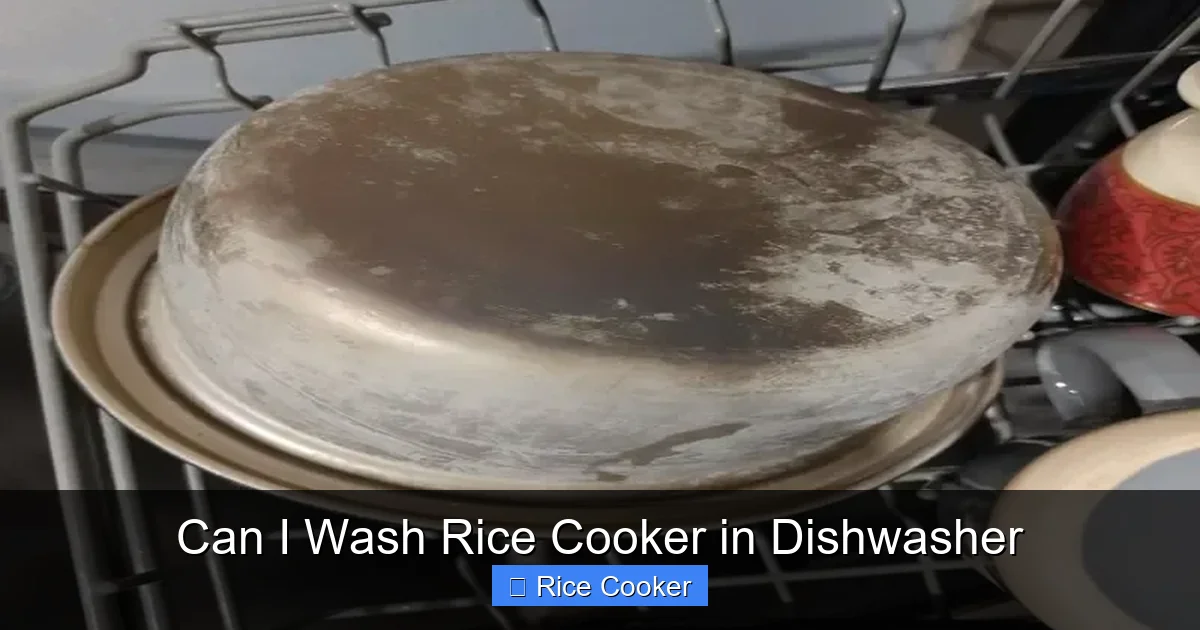
Visual guide about Can I Wash Rice Cooker in Dishwasher
Image source: powersadvisor.com
- The inner pot: Usually made of aluminum with a non-stick coating, ceramic, or stainless steel.
- The lid: Often plastic or glass, with a silicone or rubber seal.
- The base unit: Contains the heating element, control panel, and internal wiring—not meant for water exposure at all.
- Accessories: Steamer trays, measuring cups, and ladles that may be removable.
Each of these parts interacts differently with heat, moisture, and detergent. For example, the non-stick coating on the inner pot is sensitive to high temperatures and abrasive materials. Meanwhile, the plastic lid might warp if exposed to hot water repeatedly. And forget about putting the entire base unit in the dishwasher—it’ll short-circuit faster than you can say “rice explosion.”
Why Manufacturers Warn Against Dishwashing
You’ve probably seen warnings on appliance manuals like “Do not immerse in water” or “Hand wash only.” These aren’t just suggestions—they’re critical safety measures. Here’s why manufacturers advise against dishwasher use:
- Heat damage: Dishwashers use high-temperature water (up to 150°F/65°C) and intense drying cycles. Non-stick coatings begin to break down around 180°F (82°C), so prolonged exposure can cause flaking or peeling.
- Chemical reactions: Harsh detergents contain phosphates and surfactants that can strip away protective layers on non-stick surfaces, reducing their effectiveness.
- Mold and residue: Steam from cooking leaves behind starchy residue. If not cleaned properly, this can attract bacteria and mold—especially in humid environments.
- Structural weakening: Repeated dishwasher cycles can weaken plastic lids, warp metal parts, and degrade rubber seals, leading to leaks or malfunctions.
In short, while a quick rinse in hot water might seem harmless, full dishwasher immersion is risky—even if your rice cooker looks fine afterward.
When Is It Actually Safe to Use the Dishwasher?
Despite the warnings, some rice cookers are indeed dishwasher-safe—but only under certain conditions. Here’s how to tell if yours qualifies:
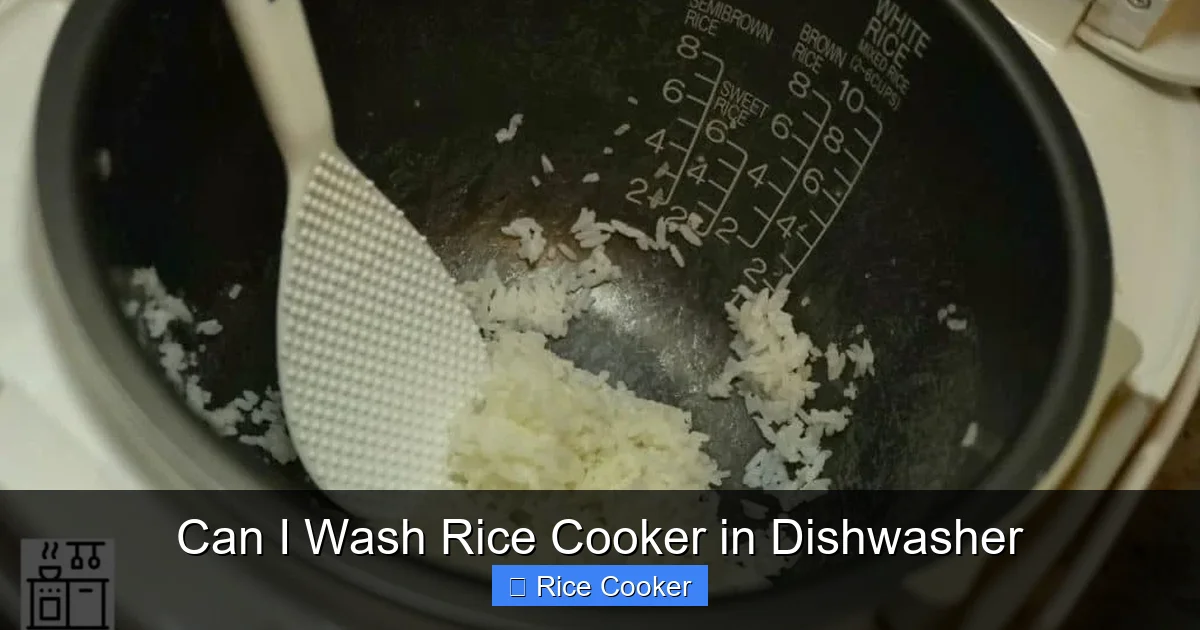
Visual guide about Can I Wash Rice Cooker in Dishwasher
Image source: kitchencuddle.com
Check for Dishwasher-Safe Labels
Many modern rice cookers feature clear labeling. Look for:
- A dishwasher symbol (usually a plate with a dishwasher silhouette) stamped on the inner pot or printed in the manual.
- Stainless steel inner pots without non-stick coatings are more likely to be machine-washable.
- Brands like Zojirushi, Tiger, and Instant Pot sometimes offer dishwasher-safe versions—but always verify.
- Inner pot: Only wash if labeled dishwasher-safe.
- Lid and seal: Typically hand-washed to prevent warping.
- Steamer tray: May be dishwasher-safe—test one cycle first.
- Measuring cup or ladle: Often made of food-grade plastic; check compatibility.
- Unplug and cool down: Never wash a hot appliance.
- Remove all parts: Take out the inner pot, lid, and any accessories.
- Scrub gently: Use warm water, mild dish soap, and a soft sponge. Avoid steel wool or harsh scrubbers.
- Rinse thoroughly: Make sure no soap residue remains—it can affect taste.
- Air dry: Let parts dry completely before reassembling.
- Monthly maintenance: Once a month, run an empty cycle with vinegar to descale mineral deposits.
- Clean the vent hole: Use a toothpick to clear debris from the steam release area.
- Inspect the seal: Replace worn gaskets immediately to maintain airtight performance.
- Poor cooking results: Uneven rice, burnt bottoms, or undercooked grains.
- Persistent odors: Stuck-on residue that won’t come off, even with heavy scrubbing.
- Visible damage: Cracks in the pot, melted plastic, or frayed cords.
- Frequent errors: Error codes or inconsistent temperature readings.
If you bought your rice cooker recently and it has a stainless steel inner pot with no coating, there’s a good chance it’s dishwasher-friendly. But again—check the manual!
Separate Removable Parts
If only some parts are safe, remove them before washing. For instance:
Never force a non-dishwasher-safe part into the machine. Even a small crack from heat stress can lead to bigger problems later.
Test with Caution
If you’re unsure, try a single test wash with cold water instead of hot. If the part shows signs of warping or discoloration, avoid future dishwasher use. Better safe than sorry—especially when it comes to your kitchen investments.
What Happens if You Put a Rice Cooker in the Dishwasher Anyway?
Let’s be honest: sometimes we ignore instructions. Maybe you were in a rush, or maybe you thought “one cycle couldn’t hurt.” But here’s what actually happens when you put a rice cooker—or its parts—into the dishwasher:
Damage to the Inner Pot
The most common issue is the inner pot. Non-stick coatings can develop tiny cracks after just one dishwasher cycle. Over time, these cracks allow food particles to get trapped, making cleaning harder and increasing the risk of bacterial growth. Worse yet, flaked coating can end up in your food—though usually in harmless amounts.
Stainless steel pots fare better, but even they can accumulate scratches from hard brushes or abrasive sponges used during dishwashing. Scratches trap grease and make sanitizing difficult.
Plastic Lid Warping
Plastic lids are designed to handle occasional steam exposure—not hours submerged in boiling water. The constant heat softens the material, causing it to lose shape. A warped lid won’t seal properly, leading to steam leaks and potential burns during operation.
Additionally, the rubber gasket around the lid may degrade, losing its elasticity. This means poor sealing, which affects cooking consistency and increases the chance of overflow.
Electrical Component Risks
This one’s obvious but worth repeating: never place the base unit in water—ever. Even if it survives the dishwasher, internal circuits are vulnerable to corrosion. Water seeps into seams, shorts out sensors, and ruins the control board. Once that happens, your rice cooker becomes a paperweight.
Best Practices for Cleaning Your Rice Cooker
So, what’s the best way to keep your rice cooker clean without risking damage? Follow these simple steps:
Hand-Washing Method
For stubborn starch buildup, soak the inner pot in warm soapy water for 10–15 minutes before scrubbing.
Dishwasher-Only Parts (If Approved)
If your model allows it, place only the labeled parts in the top rack. Use a gentle cycle with low heat. Skip the extra rinse or dry settings to reduce thermal shock.
Deep Cleaning Tips
Regular care keeps your rice cooker running smoothly and extends its lifespan—often by years.
How to Tell if Your Rice Cooker Needs Replacement
Even with careful cleaning, rice cookers don’t last forever. Signs it’s time for a new one include:
If your rice cooker is more than 7–10 years old, consider upgrading. Modern models offer improved insulation, smart features, and better safety mechanisms.
Frequently Asked Questions About Dishwasher Safety
Can I put the lid of my rice cooker in the dishwasher?
Generally, no. Most rice cooker lids are made of plastic or have rubber seals that can warp or degrade in the dishwasher. Hand-washing preserves their integrity and ensures a proper seal.
Are all stainless steel rice cooker pots dishwasher-safe?
Not necessarily. While stainless steel resists heat and scratching better than non-stick coatings, always check the manufacturer’s label. Some still recommend hand-washing to prevent warping.
What if my rice cooker has a dishwasher-safe symbol?
Follow the instructions! If the symbol appears on the inner pot or manual, those parts can go in the dishwasher—but only on the top rack and with mild settings. Still, monitor for any changes after the first few cycles.
Can dishwashing shorten my rice cooker’s lifespan?
Yes. Repeated exposure to high heat, chemicals, and mechanical agitation accelerates wear and tear. Hand-washing significantly prolongs the appliance’s usable life.
Is it okay to rinse the inner pot in hot water from the tap?
Yes, briefly rinsing with hot water is fine—but avoid soaking or scrubbing aggressively. Quick rinses help remove loose debris without damaging coatings.
Frequently Asked Questions
Should I wash my rice cooker after every use?
Yes, ideally right after cooking. Immediate cleaning prevents starch buildup and makes maintenance easier. Just remember to unplug and let it cool first.
Can I use bleach to clean my rice cooker?
No. Bleach is too harsh and can react with non-stick coatings or metal surfaces. Stick to mild dish soap and warm water.
How do I remove stubborn burnt-on rice?
Soak the inner pot in warm water with a bit of baking soda for 15–20 minutes. Then scrub with a soft sponge. Avoid metal utensils.
Is it okay to run an empty dishwasher cycle to clean the rice cooker base?
Absolutely not. The base contains electrical components that will short-circuit if exposed to water, regardless of whether anything else is washed.
My rice cooker smells after dishwashing—is it ruined?
Possibly. Strong odors indicate residual food particles or chemical reactions. Try deep-cleaning with vinegar and baking soda, or consider replacing the inner pot.
Can I use a dishwasher pod on my rice cooker parts?
No. Pods contain concentrated chemicals and fillers that can damage coatings and seals. Use liquid detergent sparingly if needed.