
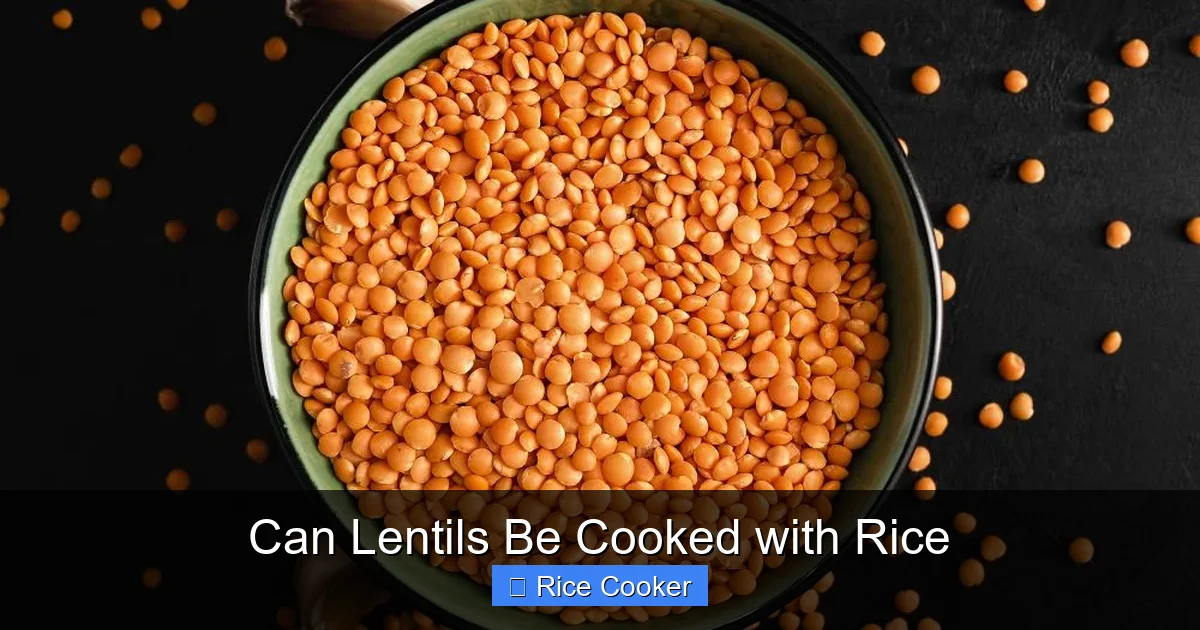
Can lentils be cooked with rice? Absolutely! Combining lentils and rice in your rice cooker is not only possible but also nutritious, affordable, and delicious. This one-pot meal provides a complete protein source, is rich in fiber and essential nutrients, and saves time on cleanup. Whether you’re meal prepping or feeding a family, this combo is a game-changer for busy lifestyles.
Key Takeaways
- Yes, lentils and rice can be cooked together using a rice cooker, creating a balanced, complete protein meal in one pot.
- The cooking times differ slightly, so soaking dried lentils or choosing the right variety (like split or green lentils) ensures even cooking.
- This combination is highly nutritious, offering plant-based protein, fiber, iron, and B vitamins in a cost-effective way.
- Using a rice cooker simplifies the process with automatic timing, reducing the need for constant stirring or monitoring.
- Customize flavors with spices, herbs, or vegetables to turn a basic dish into a flavorful, satisfying main course.
- Perfect for meal prep and batch cooking, this duo stores well and reheats beautifully for multiple days.
📑 Table of Contents
- Can Lentils Be Cooked with Rice? The Answer and Why It Matters
- The Science Behind Cooking Lentils and Rice Together
- Choosing the Right Types of Lentils and Rice
- Step-by-Step Guide: How to Cook Lentils and Rice in a Rice Cooker
- Nutritional Benefits of Lentils and Rice Combinations
- Flavor Enhancements and Creative Variations
- Meal Prep and Storage Tips
- Common Misconceptions About Cooking Lentils and Rice
- Final Thoughts: Why This Combo Belongs in Every Kitchen
Can Lentils Be Cooked with Rice? The Answer and Why It Matters
Have you ever stood in your kitchen, staring at a cupboard full of dry beans and grains, wondering what to make for dinner? You’re not alone. Many people want a quick, nutritious, and filling meal without spending hours in the kitchen. That’s where the magic of combining lentils and rice comes in—especially when you use a rice cooker.
Lentils and rice are two of the most accessible and affordable staple foods on the planet. But beyond their affordability, they complement each other perfectly. When cooked together, they form a complete protein—a rare feat for plant-based meals. And with a rice cooker doing all the work, you don’t have to stand over a hot stove stirring and watching. This article will walk you through everything you need to know: from how to cook them together to why it’s such a smart, healthy choice.
The Science Behind Cooking Lentils and Rice Together
Why They Pair So Well
Lentils are legumes rich in lysine, an amino acid that many grains lack. Rice, on the other hand, contains methionine, another essential amino acid. When eaten together, they fill each other’s nutritional gaps, creating a complete protein profile similar to meat or dairy. This makes the lentil-rice combo especially valuable for vegetarians, vegans, or anyone looking to reduce animal product intake.
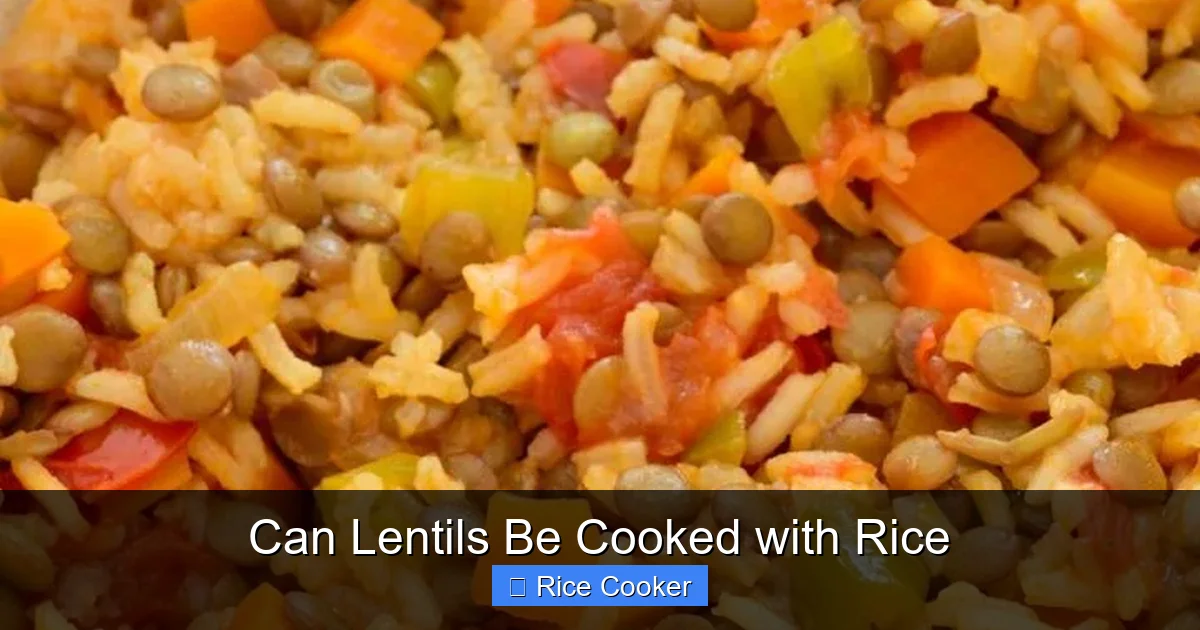
Visual guide about Can Lentils Be Cooked with Rice
Image source: thestingyvegan.com
Beyond protein, both foods are high in fiber, which supports digestion and helps keep you full longer. They’re also packed with iron, folate, and complex carbohydrates, making them ideal for sustained energy throughout the day.
The Role of the Rice Cooker
A rice cooker isn’t just for rice—it’s a versatile kitchen appliance designed to handle grains and legumes alike. Most models come with preset programs for white rice, brown rice, and sometimes even beans or porridge. These settings adjust water ratios and cooking times automatically, eliminating guesswork.
When cooking lentils and rice together, the rice cooker ensures even heat distribution and precise timing. This prevents undercooked lentils or mushy rice—common issues when cooking manually. Plus, the sealed environment locks in flavors and nutrients, resulting in a more consistent final dish.
Choosing the Right Types of Lentils and Rice
Best Lentil Varieties for Cooking with Rice
Not all lentils are created equal when it comes to cooking with rice. Here’s a breakdown:
- Green Lentils: Firm and hold their shape well, making them ideal for pilaf-style dishes. They take about 25–30 minutes to cook.
- Brown Lentils: Slightly softer than green, they cook faster (around 20–25 minutes) and blend nicely with rice.
- Red or Yellow Lentils: These split lentils cook quickly (10–15 minutes) and break down easily, creating a creamy texture. Great for soups or stews, but may become too soft when mixed with rice.
- Puy Lentils: A French variety known for their peppery flavor and firm texture. Excellent for gourmet lentil-rice dishes.
For beginners, green or brown lentils are the safest bet because they’re forgiving and maintain structure during cooking.
Rice Varieties That Work Best
Different rice types affect texture and cooking time. Consider these options:
- White Rice: Cooks quickly (15–20 minutes), light and fluffy. Pairs well with firmer lentils.
- Brown Rice: Higher in fiber and nutrients, but takes longer (40–50 minutes). Soak it first for faster cooking.
- Basmati or Jasmine Rice: Fragrant and long-grain, great for flavoring with spices like cumin or turmeric.
- Cooking Rice Blends: Pre-mixed rice and legume combos (like lentil-brown rice) are available in stores and designed to cook together.
For a balanced texture, aim for a ratio of about 1 part rice to 2 parts lentils by volume.
Step-by-Step Guide: How to Cook Lentils and Rice in a Rice Cooker
Ingredients You’ll Need
- 1 cup dried lentils (green or brown)
- 1 cup rice (white or brown)
- 2 cups water (adjust based on rice type)
- 1 teaspoon salt
- Optional: bay leaf, onion slice, garlic clove, or vegetable broth for extra flavor
Preparation Tips
Before adding anything to the rice cooker, take these steps:
- Rinse the lentils: Place them in a fine-mesh strainer and rinse under cold water to remove debris.
- Soak the rice (optional): For brown rice, soak for 30 minutes to reduce cooking time and improve texture.
- Combine ingredients: Add lentils, rice, water, and salt to the inner pot of the rice cooker.
- Add flavor enhancers (optional): Toss in a bay leaf or onion slice for subtle depth.
Cooking Process
- Insert the inner pot into the rice cooker and close the lid.
- Select the appropriate setting: Use “Rice” or “White Rice” for white rice; “Brown Rice” for brown rice. If your model has a “Beans” or “Legumes” setting, that works too.
- Press start. The cooker will automatically switch to “Keep Warm” once done—usually within 30–50 minutes depending on the grain.
- Let it rest: Allow the mixture to sit for 5–10 minutes after cooking. This helps the grains and lentils settle and absorb any remaining moisture.
- Fluff gently with a fork before serving.
Troubleshooting Common Issues
- Too watery? Drain excess liquid and let it simmer uncovered for 5 minutes before fluffing.
- Undercooked lentils? Stir in raw lentils and cook for an additional 10 minutes on the “Warm” setting.
- Mushy rice? Reduce water by ¼ cup next time and avoid overcooking.
Nutritional Benefits of Lentils and Rice Combinations
Complete Protein Powerhouse
While no single plant food contains all nine essential amino acids in sufficient amounts, combining grains and legumes creates a complete protein. Lentils provide lysine, while rice supplies sulfur-containing amino acids. This synergy is especially important for muscle repair, immune function, and overall growth.
High in Fiber and Low Glycemic Index
Both lentils and rice are excellent sources of dietary fiber. Lentils offer soluble and insoluble fiber, promoting gut health and regulating blood sugar. Brown rice retains its bran layer, adding more fiber than white rice. Together, they help stabilize energy levels and prevent blood sugar spikes.
Rich in Iron and Folate
Lentils are a standout source of non-heme iron, crucial for preventing anemia. Pairing them with vitamin C-rich foods (like tomatoes or bell peppers) boosts iron absorption. Rice, especially brown rice, contains folate, which supports cell division and DNA synthesis—vital during pregnancy and growth phases.
Heart-Healthy and Sustainable
Studies show that diets rich in legumes and whole grains reduce the risk of heart disease. Lentils and rice are low in saturated fat and cholesterol-free, making them ideal for cardiovascular health. Plus, they have a lower carbon footprint than animal proteins, contributing to environmental sustainability.
Flavor Enhancements and Creative Variations
Spices and Herbs to Try
Elevate your basic lentil-rice dish with these additions:
- Cumin and coriander: Warm, earthy notes perfect for Indian-inspired meals.
- Garam masala: Adds complexity and aroma—sprinkle after cooking for a fresh finish.
- Turmeric and black pepper: Turmeric has anti-inflammatory properties, and black pepper enhances curcumin absorption.
- Dried thyme or oregano: Mediterranean twist with a hint of smokiness.
Vegetable Add-Ins
Boost nutrition and color by tossing in vegetables during the last 10 minutes of cooking:
- Diced carrots and peas: Sweet and colorful, they add natural sweetness.
- Spinach or kale: Wilt into the pot for a nutrient-packed side effect.
- Bell peppers and onions: Sauté briefly before adding to the mix for savory depth.
Protein Boosters
Make your meal even more satisfying:
- Crumpled tofu or tempeh: Press and fry lightly, then add to the finished dish.
- Hard-boiled eggs: Slice and serve on top for added protein and richness.
- Feta cheese or nutritional yeast: Sprinkle for tang or umami flavor.
Global Flavor Inspirations
- Indian Dal Biryani: Layer cooked lentils and basmati rice with saffron, yogurt, and fried onions.
- Spanish Arroz con Lentejas: Add smoked paprika, chorizo, or olives for a bold taste.
- Middle Eastern Kibbeh: Mix ground lamb with bulgur and lentils, then bake or fry.
Meal Prep and Storage Tips
Batch Cooking for Busy Weeks
Cooking a large batch of lentil and rice ahead of time is a game-changer. Portion into containers and store in the fridge for up to 5 days or freeze for up to 3 months. Reheat in the microwave or on the stovetop with a splash of water to restore moisture.
Freezing Success
To freeze properly:
- Let the mixture cool completely.
- Divide into freezer-safe containers or zip-top bags.
- Label with the date and contents.
- Thaw overnight in the fridge before reheating.
Reheating Without Losing Texture
Overheated leftovers can become gluey. Instead:
- Microwave with a damp paper towel to retain steam.
- Stir in a little broth or water when reheating on the stove.
- Avert lumps by mashing slightly with a fork before serving.
Common Misconceptions About Cooking Lentils and Rice
Myth: They Must Be Cooked Separately
Some people believe lentils and rice can’t cook together due to different water needs or textures. While it’s true they have varied absorption rates, modern rice cookers handle this automatically. Soaking or choosing the right lentil type eliminates most issues.
Myth: It’s Too Messy or Time-Consuming
With a rice cooker, the process is hands-off. Just measure, add water, press start, and wait. Cleanup involves rinsing the inner pot—no pots to scrub or burners to clean.
Myth: It Lacks Flavor
A bland dish usually results from skipping seasonings. With a pinch of salt, a dash of spice, or a splash of broth, this meal becomes anything but boring.
Final Thoughts: Why This Combo Belongs in Every Kitchen
Cooking lentils with rice in a rice cooker isn’t just convenient—it’s a smart, sustainable, and delicious choice. It turns simple pantry staples into a complete, satisfying meal with minimal effort. Whether you’re cooking for one or feeding a crowd, this duo delivers on nutrition, flavor, and ease.
Next time you open your rice cooker, don’t just reach for plain rice. Add some lentils. Your body and your schedule will thank you.
Frequently Asked Questions
Can I cook red lentils with rice in a rice cooker?
Yes, but red lentils cook much faster than rice (about 10–15 minutes). To prevent them from turning into mush, add them toward the end of the rice cooking cycle or use a firmer variety like green or brown lentils instead.
Do I need to soak lentils before cooking with rice?
Soaking is optional but helpful. It shortens cooking time and improves digestibility. For brown rice, soaking is especially beneficial since it naturally takes longer to cook.
What’s the best water-to-ratio for lentils and rice?
A good starting point is 2 cups water for 1 cup each of rice and lentils. Adjust based on your rice cooker model and preferred texture. White rice typically needs less water than brown rice.
Can I add vegetables to the rice cooker when cooking lentils and rice?
Yes! Add diced carrots, peas, or spinach during the last 10 minutes of cooking. Avoid root vegetables like potatoes, which require longer cooking times and may not cook evenly.
Is lentil and rice a complete protein?
Yes, when combined, lentils and rice provide all nine essential amino acids, making them a complete protein. This makes the meal particularly valuable for vegetarians and vegans.
How do I prevent my lentil and rice from being too dry or too wet?
If too dry, add a splash of water or broth while reheating. If too wet, drain excess liquid and let it sit uncovered for 5 minutes to evaporate. Adjust water ratios in future batches accordingly.