
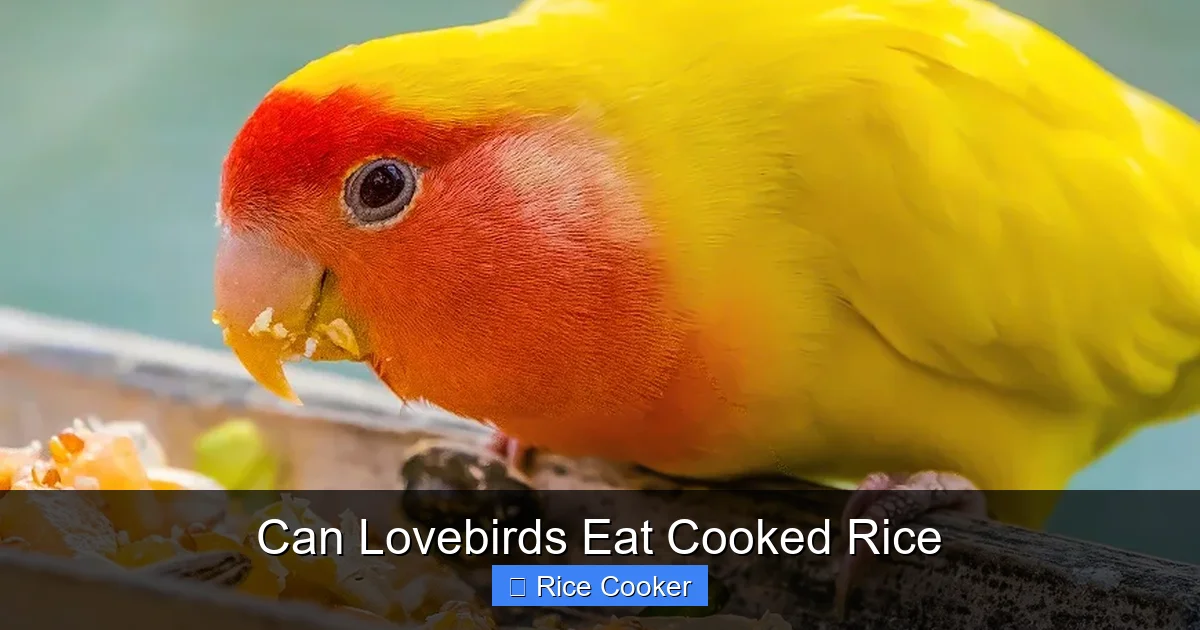
Lovebirds can enjoy cooked rice as an occasional treat, offering essential carbohydrates and energy. However, it must be cooked without seasoning or additives to avoid digestive issues. Always serve plain, cooled rice in small portions to support a balanced diet.
Can Lovebirds Eat Cooked Rice?
If you’re a proud owner of a vibrant, affectionate lovebird, you’ve probably wondered what human foods are safe to share. You might even have a bowl of leftover rice from dinner sitting nearby—so the big question arises: Can lovebirds eat cooked rice? The short answer is yes—but with important caveats. Like all treats, cooked rice should be offered in moderation and prepared correctly to ensure your feathered companion stays healthy and happy.
Lovebirds are small, intelligent, and social parrots native to tropical regions like Africa and Madagascar. In the wild, they forage for seeds, grains, fruits, and vegetation. Their natural diet includes a variety of plant-based foods, many of which overlap with what humans eat. While lovebirds thrive on a balanced diet of high-quality pellets, fresh produce, and occasional seeds, understanding what human staples they can enjoy is both practical and enriching.
Cooked rice, especially plain white or brown rice, fits well within their dietary needs when served appropriately. But before you start scooping up leftovers, let’s dive into the details. We’ll explore why rice can be beneficial, how to prepare it safely, and how often to offer it without disrupting your bird’s nutrition.
Why Do People Think Rice Is Good for Birds?
Rice has long been considered a staple in avian diets, not just because it’s easy to prepare but also due to its nutritional profile. For humans, rice is a primary source of energy through carbohydrates. Similarly, birds require carbohydrates for flight, metabolism, and overall vitality. Cooked rice breaks down easily in the digestive system, making it gentle on sensitive stomachs—especially useful for young lovebirds or those recovering from illness.
In addition, rice contains small amounts of B vitamins, fiber (especially in brown rice), and trace minerals like magnesium and phosphorus. These nutrients support nervous system function, feather health, and bone strength. When introduced thoughtfully, cooked rice can complement your lovebird’s regular meals without causing harm.
However, it’s crucial to remember that rice alone does not constitute a balanced diet. It lacks sufficient protein, fats, vitamins, and minerals needed for optimal avian health. That’s why pellets remain the foundation of every good lovebird diet.
What Makes Cooked Rice Different From Raw or Uncooked Rice?
One common misconception is that uncooked rice is safe for birds to eat. While some birds may nibble on dry grains occasionally, uncooked rice expands significantly when exposed to moisture in the digestive tract—a phenomenon known as “rice swelling.” For humans, this isn’t dangerous, but for small birds like lovebirds, it can cause intestinal blockages or discomfort. Cooking rice softens it and prevents this risk entirely.
Moreover, cooking helps break down starches, making nutrients more bioavailable. It also kills any potential bacteria or mold spores that could linger in improperly stored grains. So, always serve fully cooked, cooled rice to your lovebird.
How to Prepare Cooked Rice for Your Lovebird
Preparing rice for your lovebird is simple, but attention to detail ensures safety and palatability. Follow these steps:
1. **Choose Plain Rice**: Use only plain, boiled white or brown rice. Avoid instant rice with added sodium, flavorings, or preservatives. Brown rice offers extra fiber but takes longer to cook—opt for whichever suits your schedule.
2. **Avoid Seasonings**: Never add salt, sugar, garlic, onion, herbs, or spices. Even tiny amounts can upset your bird’s delicate system. Butter, olive oil, or cooking sprays are also off-limits—lovebirds don’t need fat-rich human food.
3. **Boil Without Oil**: Cook rice in plain water, just as you would for yourself. No frying, steaming with oils, or using pre-mixed seasoning blends.
4. **Cool Before Serving**: Let the rice cool completely to room temperature. Hot food can burn delicate tissues in your bird’s mouth or crop.
5. **Portion Appropriately**: Offer about one teaspoon per feeding, once or twice a week at most. Too much rice can displace nutrient-dense foods like pellets or fresh vegetables.
6. **Clean Utensils**: Use clean bowls and utensils to prevent contamination. Rinse thoroughly between uses.
By following these guidelines, you’ll give your lovebird a tasty, safe treat that aligns with their natural eating habits.
Nutritional Benefits of Cooked Rice for Lovebirds
While rice shouldn’t dominate your bird’s diet, it does bring several advantages when included responsibly:
– **Energy Source**: Complex carbohydrates in rice provide sustained energy, ideal for active lovebirds who love to fly, play, and interact.
– **Digestive Support**: Soft texture aids digestion, especially during molting or after minor illnesses when appetite may fluctuate.
– **Fiber Content**: Brown rice adds insoluble fiber, promoting healthy gut motility and preventing constipation.
– **Calorie Density**: A small amount delivers concentrated calories without overwhelming the system—perfect for birds needing weight gain.
That said, balance is key. Over-reliance on starchy foods like rice can lead to deficiencies in amino acids, essential fatty acids, and critical vitamins such as A, D, E, and K.
Common Mistakes to Avoid When Feeding Rice
Even well-meaning owners sometimes make errors that compromise their bird’s health. Here are frequent pitfalls to watch out for:
– **Adding Salt or Spices**: Many assume “just a pinch” won’t hurt, but even minimal salt can dehydrate birds or strain their kidneys.
– **Serving Leftovers Directly**: Restaurant-style fried rice, biryanis, or flavored risottos contain onions, garlic, MSG, or oils—all toxic to birds.
– **Overfeeding**: Treating rice too frequently turns it into a dietary staple rather than a novelty. Stick to occasional servings.
– **Mixing With Seeds Only**: Offering rice exclusively alongside seed-heavy diets creates nutritional imbalance. Always include pellet-based nutrition.
– **Ignoring Allergies or Sensitivities**: Some birds react negatively to certain grains. Introduce rice slowly and observe behavior, droppings, and energy levels.
When in doubt, consult an avian veterinarian before making changes to your lovebird’s menu.
How Often Should You Feed Cooked Rice?
Moderation is non-negotiable. Experts recommend treating cooked rice no more than once or twice weekly for adult lovebirds. Puppies (young birds) may benefit slightly more frequently due to rapid growth, but still within strict limits.
Think of rice as a special snack—like giving your dog a piece of chocolate occasionally versus feeding them a chocolate bar every day. Occasional indulgence is fine; dependency is not.
Pairing Rice With Other Foods
To maximize nutritional value, combine rice with other wholesome items:
– **Fresh Vegetables**: Offer chopped leafy greens (kale, spinach), carrots, bell peppers, or sweet potatoes alongside rice.
– **Fruits**: Small pieces of apple, banana, or berries add natural sweetness and vitamin C.
– **Pellets**: Ensure the base of every meal includes a high-quality pellet formulated for lovebirds.
– **Protein Sources**: Cooked legumes (chickpeas, lentils), hard-boiled eggs, or small amounts of lean meat (for rescue or convalescent birds) can complement rice.
This variety supports immune function, feather quality, and mental stimulation through diverse textures and flavors.
Signs Your Lovebird May Be Reacting Poorly to Rice
While most lovebirds tolerate plain cooked rice well, individual sensitivities do exist. Watch for these warning signs:
– Diarrhea or unusually soft droppings
– Loss of appetite or refusal to eat
– Lethargy or decreased activity
– Regurgitation or vomiting
– Fluffed-up feathers (sign of illness)
– Sneezing or respiratory distress
If you notice any of these symptoms after feeding rice, discontinue immediately and contact an avian vet. It may indicate intolerance, infection, or another underlying issue unrelated to rice itself.
Alternatives to Rice for Variety
If you’re looking to rotate treats, consider these bird-safe options:
– **Quinoa**: Higher protein content than rice; cook until fluffy and soft.
– **Oats**: Steamed or boiled oat groats provide fiber and B vitamins.
– **Barley or Farro**: Whole grains that mimic foraging behavior.
– **Corn on the Cob (Plain)**: Remove silk and silks; steam briefly.
– **Sweet Potato**: Rich in beta-carotene; bake and mash lightly.
Each offers unique benefits while keeping mealtime interesting.
The Role of Hydration During Meals
Water is essential for processing any food, including rice. Wet foods like rice increase hydration needs because they contain higher moisture content compared to dry pellets. Always provide clean, fresh water in a separate dish. Change it daily to prevent bacterial growth.
Some owners use shallow dishes or water bottles designed for birds to encourage drinking after meals. This simple habit supports digestion and overall wellness.
Introducing New Foods Safely
When adding cooked rice (or any new food), follow the gradual introduction method:
1. Start with a microscopic amount—just a speck—mixed into existing food.
2. Observe for 24–48 hours for signs of allergy or discomfort.
3. If tolerated, increase gradually over a week.
4. Serve alone on occasion so your bird can fully enjoy the taste and texture.
This cautious approach minimizes stress and helps identify potential issues early.
Seasonal Considerations
During colder months, lovebirds may naturally crave warmer, softer foods like rice. In summer, cooler treats like cucumber or melon are refreshing. Adapt your offerings based on climate and your bird’s preferences—always prioritizing health over trendiness.
Travel Tips: What to Pack When You’re Away
Planning a trip? Don’t forget your bird’s favorite treat. Bring pre-cooked, cooled rice in airtight containers. Many pet stores sell organic, grain-free bird treats too—great backup options. Inform your pet sitter about portion sizes and preparation methods to maintain routine.
Conclusion: Rice Can Be a Safe and Enjoyable Treat
So, can lovebirds eat cooked rice? Absolutely—when done right. Plain, boiled, unsalted rice offers energy, gentle digestion, and occasional culinary joy for your feathered friend. Just remember: treat it like a treat, not a main course. Balance remains paramount. Combine it wisely with pellets, produce, and proteins, and always prioritize safety over convenience.
With mindful preparation and loving attention, cooked rice can become a delightful part of your lovebird’s lifestyle—enhancing both nutrition and bonding moments. After all, sharing a quiet moment over a small bowl of rice can deepen the connection between you and your pet, proving that care goes beyond the basics.
Key Takeaways
- Safety First: Plain, unseasoned cooked rice is safe for lovebirds when given in moderation—never salted, fried, or mixed with spices.
- Nutritional Benefits: Cooked rice provides complex carbohydrates, aiding energy levels and digestion in lovebirds.
- Portion Control: Limit rice to no more than 10% of daily intake; overfeeding can lead to obesity or malnutrition.
- Cooking Method Matters: Boil rice in water only—avoid oil, butter, sauces, or pre-packaged mixes that contain harmful ingredients.
- Supplement Wisely: Pair rice with fresh fruits, vegetables, and high-quality pellets for a complete, balanced diet.
- Watch for Reactions: Monitor your bird after introducing new foods like rice to ensure no adverse reactions occur.
- Hydration Is Key: Always provide fresh water alongside rice to help your lovebird digest its meal properly.
Frequently Asked Questions
Is cooked rice safe for lovebirds to eat?
Yes, plain cooked rice without salt, oil, or spices is safe for lovebirds when fed in moderation. It provides energy and aids digestion but should not replace core foods like pellets.
Can lovebirds eat brown rice instead of white rice?
Absolutely. Brown rice contains more fiber and nutrients than white rice, making it a slightly healthier option. Just ensure it’s cooked plain and cooled before serving.
How much cooked rice should I give my lovebird?
Limited to about one teaspoon per feeding, once or twice a week maximum. Excessive consumption can lead to nutritional imbalances or obesity.
Can I mix rice with other foods for my lovebird?
Yes, combining rice with fresh vegetables, fruits, or high-quality pellets enhances nutrition. Avoid mixing with seeds or fatty human foods.
What happens if my lovebird eats too much rice?
Overconsumption may cause digestive upset, weight gain, or displacement of essential nutrients. Always monitor portion size and dietary balance.
Should I cook rice differently for my lovebird than for myself?
No special method is needed—boil plain rice in water and cool it. Avoid any additions like butter, garlic, or salt, which are harmful to birds.