

Lentils and rice make the perfect one-pot meal – they cook at similar times, complement each other in flavor, and together create a complete protein. This dynamic duo is budget-friendly, nutritious, and incredibly versatile, making it a staple in cuisines worldwide from Latin America to India.
Key Takeaways
- Cooking compatibility: Lentils and rice have similar cooking times and water ratios, making them ideal partners in one pot
- Complete protein source: When combined, rice and lentils provide all essential amino acids, creating a complete protein profile
- Flavor enhancement: The earthy taste of lentils complements the mild sweetness of rice, creating a balanced flavor profile
- Nutritional powerhouse: This combination offers fiber, protein, iron, folate, and various vitamins in every serving
- Budget-friendly meal: Both ingredients are inexpensive compared to meat, making this a cost-effective protein source
- Versatile preparation: Can be made as stews, risotto-style dishes, or served as a side with various seasonings
📑 Table of Contents
- The Perfect Protein Partnership: Why Rice and Lentils Belong Together
- The Science Behind the Success: How Rice and Lentils Complement Each Other
- Types of Lentils and Their Perfect Rice Partners
- Cooking Methods for Perfect Rice and Lentil Combinations
- Seasoning and Flavor Enhancement Strategies
- Common Mistakes and How to Avoid Them
- Serving Suggestions and Creative Variations
- Nutritional Benefits: Why This Combination Rocks
- Storage and Meal Prep Tips
- Conclusion: Your New Kitchen Staple Awaits
The Perfect Protein Partnership: Why Rice and Lentils Belong Together
Have you ever wondered if your humble pantry staples could transform into something extraordinary? Well, let me tell you about two unlikely heroes who’ve been teaming up in kitchens around the world for centuries: lentils and rice. This dynamic duo isn’t just a coincidence—it’s a nutritional strategy that has stood the test of time across cultures and continents.
When we talk about complete proteins, most people immediately think of meat, dairy, or expensive specialty products. But what if I told you that combining two affordable, shelf-stable ingredients could give you all nine essential amino acids your body needs? That’s exactly what happens when you cook lentils and rice together. It’s not just a random pairing—it’s a well-designed nutritional collaboration that has been perfected through generations of home cooks and professional chefs alike.
Whether you’re looking to save money on groceries, increase your plant-based protein intake, or simply find dinner ideas that actually taste good, this combination deserves a spot in your regular meal rotation. Let’s dive into why this simple pairing is so special and how you can master it in your own kitchen.
The Science Behind the Success: How Rice and Lentils Complement Each Other
Amino Acid Harmony
The magic of combining rice and lentils lies in their complementary amino acid profiles. Rice is low in lysine but high in methionine, while lentils are rich in lysine but low in methionine. When you eat them together, these deficiencies balance out perfectly, creating what nutritionists call a “complete protein.”
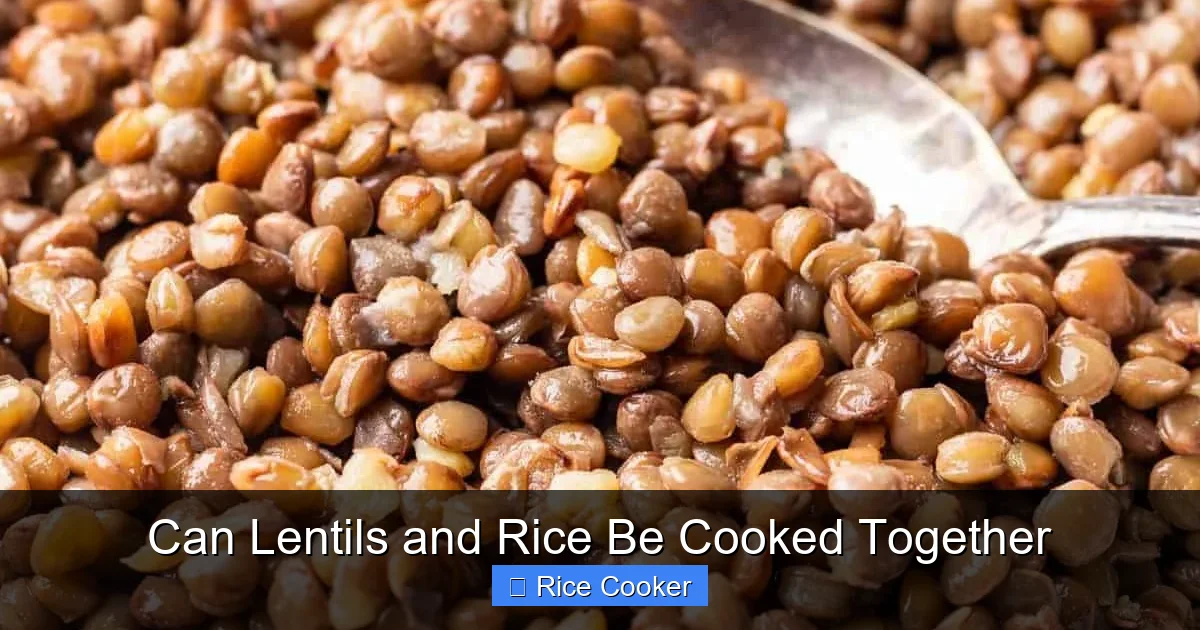
Visual guide about Can Lentils and Rice Be Cooked Together
Image source: homecookedroots.com
Think of it like building with LEGO blocks—rice provides some pieces (amino acids), lentils provide others, and together they create something stronger and more complete than either could alone. This scientific synergy means your body gets all the building blocks it needs for muscle repair, immune function, and overall health.
Cooking Time Synchronization
One of the biggest advantages of cooking rice and lentils together is their remarkably similar cooking requirements. Most lentil varieties (except split ones) take about 20-25 minutes to cook, while white rice typically needs 15-20 minutes. Brown rice might need up to 45 minutes, which gives us some flexibility in timing.
This synchronization means you can add both ingredients to your pot at the same time without worrying about overcooking one or undercooking the other. It’s a beautiful example of nature providing solutions that make cooking easier!
Texture and Mouthfeel
The texture combination is another reason this pairing works so well. The slightly firm texture of well-cooked lentils adds substance and interest, while the creamy consistency of rice creates a smooth base. Together, they create a satisfying mouthfeel that keeps you feeling full longer.
This textural contrast also helps with digestion—the fiber in lentils slows down the absorption of carbohydrates from the rice, helping maintain steady blood sugar levels throughout the meal.
Types of Lentils and Their Perfect Rice Partners
Green Lentils: The Versatile Classic
Green lentils hold their shape beautifully during cooking, making them ideal for mixed grain dishes. They have a slightly peppery taste that works wonderfully with basmati rice, giving you that authentic Indian dal khichdi experience.
For the best results with green lentils, try using brown rice instead of white—the extra cooking time needed for brown rice won’t overwhelm the lentils, and the nuttier flavor complements the green lentils perfectly.
Red Lentils: Quick and Mild
If you’re short on time, red lentils are your best friend. They cook in just 12-15 minutes and break down into a soft, creamy texture that pairs excellently with long-grain rice like jasmine or arborio.
The mild, sweet flavor of red lentils makes them perfect for adding to rice dishes where you want the rice to remain distinct and fluffy. Try them with wild rice for a restaurant-quality presentation.
Brown Lentils: The Nutrient Powerhouse
Brown lentils offer the highest fiber content and a robust, earthy flavor that stands up well to longer cooking times. They work beautifully with brown rice, creating a hearty, filling meal that will keep you satisfied for hours.
For this combination, use a 1:1 ratio by volume and plan for about 45 minutes of total cooking time. The result is a dense, nutritious meal that’s perfect for meal prep or cold lunches.
Cooking Methods for Perfect Rice and Lentil Combinations
The Traditional One-Pot Method
Here’s the simplest approach that works for most combinations: rinse your lentils and rice separately, then combine them in your pot with twice the amount of water (or broth for extra flavor). Bring to a boil, then reduce heat and simmer covered until tender.
Pro tip: Add a teaspoon of oil or ghee to the cooking liquid—this helps prevent sticking and gives your dish a lovely sheen. It also helps the grains separate nicely.
The Pressure Cooker Approach
For busy days, a pressure cooker can cut cooking time dramatically. Use a 1:1.5 rice-to-lentils ratio and cook for 6 minutes at high pressure for white rice combinations, or 8 minutes for brown rice varieties.
Don’t forget to allow natural release for 10 minutes before quick releasing any remaining pressure. This gentle approach ensures perfectly cooked grains without mushiness.
The Stovetop Simmer Method
Sometimes slow and steady wins the race. For the most nuanced flavors, try the simmer method: bring your liquid to a boil first, then add the dry ingredients, reduce heat to low, and cover tightly.
Let it bubble gently for the majority of the cooking time—this prevents scorching and allows the flavors to meld beautifully. Check periodically toward the end to ensure everything is cooked through but still holds its shape.
Seasoning and Flavor Enhancement Strategies
Herbs and Spices That Shine
Garlic and onion form the flavor foundation for countless rice and lentil dishes. Sauté them gently before adding your grains—this builds layers of flavor rather than overwhelming the final dish.
Cumin, coriander, and turmeric are classic choices that enhance both ingredients without hiding their individual characteristics. A pinch of cinnamon can add surprising depth to savory dishes—try it in red lentil and basmati rice.
Acidity and Brightness
A splash of lemon juice or vinegar at the end of cooking brightens the entire dish and balances the richness of the lentils and rice. This is especially important if you’re using oil or butter in your recipe.
Tahini or yogurt can also add creaminess and tang without making the dish heavy. These additions work particularly well in Mediterranean-inspired versions of this dish.
Umami Boosters
Vegetable broth instead of plain water adds incredible depth to your rice and lentil mixture. If you want even more complexity, try adding a piece of kombu seaweed or a few dried mushrooms to the cooking liquid.
A tablespoon of tomato paste sautéed with your aromatics can add wonderful color and richness—perfect for Indian or Middle Eastern inspired versions of this classic dish.
Common Mistakes and How to Avoid Them
Overcrowding the Pot
Adding too much rice or lentils to your cooking vessel can lead to uneven cooking and poor texture. Stick to a reasonable ratio—usually about 1 cup of each per serving, plus some extra for safety.
If you’re making a large batch, consider cooking in multiple smaller pots rather than risking overcrowding. This ensures every grain gets proper attention during the cooking process.
Improper Rinsing
Rinsing removes excess starch from rice and helps prevent clumping. It also cleans away any dust or debris from lentils. Always rinse until the water runs clear before cooking.
Skip rinsing only if you specifically want sticky rice—but remember that sticky rice doesn’t mix well with lentils, as they’ll all become one cohesive mass.
Incorrect Water Ratios
The golden rule is to use twice the volume of liquid as dry ingredients. Too little water leads to dry, undercooked grains; too much results in mushy, soupy food.
Start with the minimum recommended ratio and add more liquid gradually if needed. It’s better to add small amounts of additional water than to start with too much.
Serving Suggestions and Creative Variations
Simple Side Dish Presentation
For everyday meals, serve your rice and lentils alongside grilled chicken, roasted vegetables, or a fresh salad. A dollop of yogurt or a squeeze of lemon really elevates the presentation.
Keep it colorful by adding diced carrots, peas, or bell peppers to the cooking liquid—they’ll steam gently and add visual appeal without requiring extra cooking time.
Gourmet Restaurant-Style Versions
Elevate your dish by adding sautéed mushrooms, toasted nuts, or fresh herbs just before serving. A drizzle of olive oil or a sprinkle of cheese can transform a simple meal into something special.
Consider adding a poached egg on top for breakfast or brunch—the runny yolk mingles beautifully with the rice and lentils, creating an instant comfort food masterpiece.
International Inspiration
Indian-style khichdi combines rice and moong dal with warming spices like turmeric, cumin, and ginger. Serve with ghee and a side of mango chutney for an authentic taste experience.
Mediterranean versions might include olives, tomatoes, and fresh parsley. Middle Eastern variations often feature lemon juice, garlic, and tahini dressing—all served chilled or at room temperature.
Nutritional Benefits: Why This Combination Rocks
Protein Powerhouse
While neither ingredient alone is a complete protein, together they provide all essential amino acids in adequate amounts. This makes them particularly valuable for vegetarians, vegans, and anyone looking to diversify their protein sources.
For context, a single cup of cooked lentils and rice provides about 15-20 grams of protein—comparable to a smaller portion of meat. The key advantage is that you get this protein without the saturated fat and cholesterol found in animal products.
Fiber for Gut Health
Lentils are exceptionally high in soluble and insoluble fiber, which supports digestive health and helps regulate blood sugar. Rice adds some fiber too, though not as much as lentils do.
This combination promotes satiety and can help with weight management by keeping you feeling full longer. The fiber also feeds beneficial gut bacteria, supporting overall immune function.
Iron Absorption Magic
Lentils are naturally rich in non-heme iron, which isn’t absorbed as efficiently as heme iron from animal sources. However, vitamin C from other foods eaten with your rice and lentil dish can boost absorption significantly.
If you’re concerned about iron deficiency, consider serving your meal with a glass of orange juice or adding bell peppers, tomatoes, or citrus to your dish. These vitamin C-rich additions can nearly double iron absorption.
Budget-Friendly Nutrition
Both ingredients are incredibly affordable compared to meat, fish, or specialty protein powders. This makes the rice and lentil combination an excellent choice for families on tight budgets or anyone looking to eat healthier without breaking the bank.
You can stretch this meal further by using vegetable scraps to make homemade broth, or by incorporating seasonal vegetables that are currently on sale.
Storage and Meal Prep Tips
Refrigeration Guidelines
Freshly cooked rice and lentils can be stored in airtight containers in the refrigerator for up to 5 days. Make sure they cool completely before refrigerating to prevent bacterial growth.
When reheating, add a splash of water or broth to refresh the texture—refrigerated grains tend to dry out and become stiff.
Freezing for Future Meals
This dish freezes beautifully! Portion into freezer-safe containers and freeze for up to 3 months. Thaw overnight in the refrigerator before reheating.
For best results, don’t add any dairy or delicate herbs until after thawing—these ingredients don’t handle freezing well and can affect texture and flavor.
Repurposing Leftovers Creatively
Leftover rice and lentils make excellent additions to stir-fries, frittatas, or grain bowls. You can also puree them into soups or use them as a filling for stuffed peppers or baked potatoes.
For breakfast, try mixing some with scrambled eggs and cheese for a protein-packed morning meal. The possibilities are truly endless!
Conclusion: Your New Kitchen Staple Awaits
After exploring all the ways lentils and rice can come together, it’s clear that this isn’t just another cooking trend—it’s a time-tested strategy for creating nutritious, satisfying meals that work for everyone. Whether you’re cooking for one or feeding a crowd, this combination delivers on flavor, nutrition, and practicality.
The beauty of this pairing lies in its adaptability. You can make it as simple or as elaborate as you like, depending on your mood, available ingredients, and time constraints. From a quick weeknight dinner to a special occasion meal, rice and lentils have got you covered.
Next time you’re planning your meals, consider giving this dynamic duo a try. Start with the basic one-pot method, then gradually experiment with different spices, cooking techniques, and serving suggestions. Before long, you’ll be the go-to person for creating delicious, nutritious meals that everyone will love.
Frequently Asked Questions
Can I cook different types of lentils with different types of rice together?
Yes, you can combine different lentil and rice varieties, but pay attention to cooking times. Brown lentils and brown rice need longer cooking than white varieties, so adjust accordingly. Red lentils break down quickly and pair well with long-grain rice like basmati or jasmine.
How do I prevent my rice and lentils from becoming mushy?
Use the right water ratio (about twice the volume of dry ingredients), avoid over-stirring, and don’t lift the lid during cooking. For extra insurance, add the lentils first, let them soften slightly, then add rice and continue cooking.
Can I substitute other grains for rice in this combination?
Absolutely! Quinoa, barley, farro, or even millet can work well with lentils. Just adjust cooking times based on the grain you choose—quinoa cooks faster than rice, while barley takes longer.
Is it necessary to soak lentils before cooking them with rice?
Soaking isn’t required for most lentil varieties, but it can reduce cooking time by 5-10 minutes and make them easier to digest. For red lentils specifically, soaking isn’t recommended as they break down easily.
How can I make this dish spicier?
Add spices during the sauté stage—start with cumin, coriander, and turmeric for a warm base. For heat, add red pepper flakes, cayenne, or a chopped chili pepper. Finish with fresh herbs like cilantro or mint for brightness.
Can I add vegetables to my rice and lentil dish?
Yes! Add chopped carrots, peas, or bell peppers early in the cooking process, or add leafy greens like spinach or kale in the last few minutes. Beets, sweet potatoes, or corn also work beautifully in this combination.