
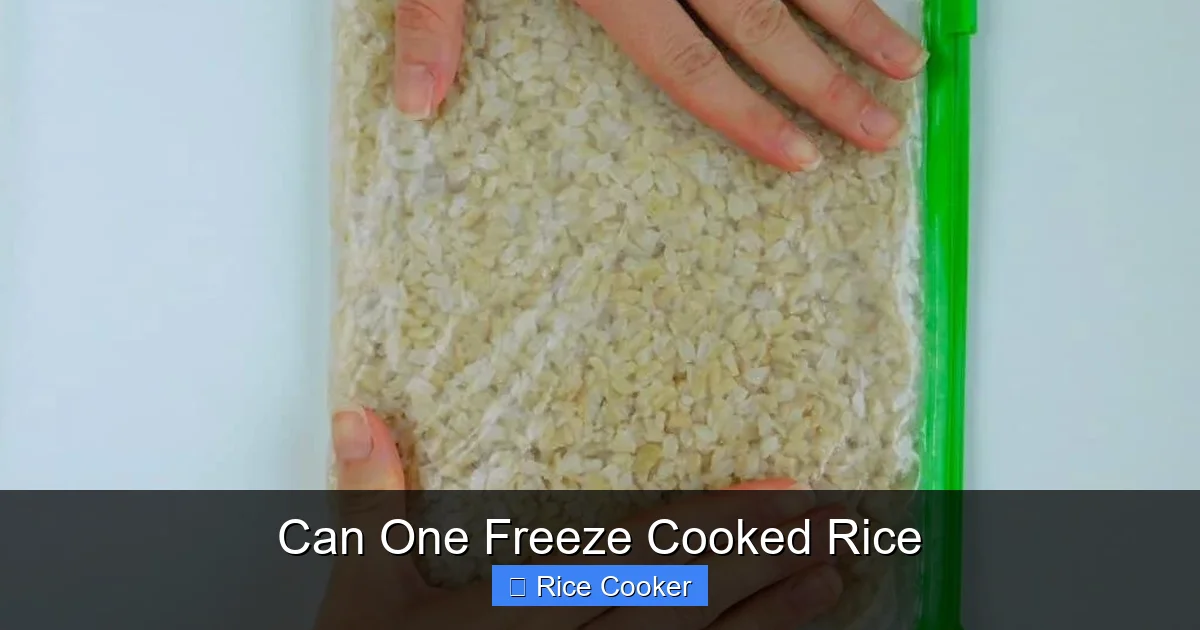
Can one freeze cooked rice? Absolutely — it’s a smart way to reduce food waste and save time. When done correctly, frozen rice retains flavor and texture and stays safe for up to 3 months. Whether you’re meal prepping or leftovers are piling up, freezing cooked rice is a practical solution that works with most rice cookers and storage techniques.
Key Takeaways
- Freezing preserves quality: Cooked rice can be safely frozen for up to 3 months while maintaining taste and texture.
- Proper cooling prevents ice crystals: Cool rice quickly in shallow containers to avoid large ice formations that affect rehydration.
- Label and date every batch: Use freezer-safe containers or bags with labels to track storage time and prevent confusion.
- Reheating matters: Steam frozen rice using a microwave or stovetop to restore softness and prevent dry spots.
- Portion control saves space: Freeze rice in small portions (about 1–1.5 cups) for easier thawing and reheating.
- Use within recommended timeframes: For best results, consume frozen rice within 1–3 months to ensure optimal safety and quality.
📑 Table of Contents
- Introduction: Why Freeze Cooked Rice?
- Understanding Rice Storage Basics
- The Science Behind Freezing Cooked Rice
- How to Properly Freeze Cooked Rice
- Best Practices for Long-Term Storage
- Reheating Frozen Rice Like a Chef
- Meal Prep Tips Using Frozen Rice
- Common Mistakes to Avoid
- Conclusion: Yes, You Can Freeze Cooked Rice — And Should
Introduction: Why Freeze Cooked Rice?
Have you ever opened your fridge to find leftover rice staring back at you like an uninvited guest? Or maybe you just made a big batch of jasmine rice for dinner and now have more than enough for the week. You might think, “Can one freeze cooked rice?” The short answer is yes — and doing so could change how you handle leftovers forever.
Freezing cooked rice isn’t just possible; it’s practical. It reduces food waste, saves money, and gives you ready-to-eat meals on busy days. With today’s fast-paced lifestyles, having pre-cooked grains in your freezer means less last-minute takeout or rushed meals. Plus, properly frozen rice holds up surprisingly well when reheated. Whether you’re using a traditional rice cooker, instant pot, or even a stovetop method, freezing is compatible with almost any cooking setup.
But before you toss that bowl into the freezer, there are important steps to follow. From cooling times to container choices, getting it right ensures your rice stays fresh, safe, and delicious. In this guide, we’ll walk through everything you need to know about freezing cooked rice — from preparation to reheating — so you can make informed decisions every time.
Understanding Rice Storage Basics
Visual guide about Can One Freeze Cooked Rice
Image source: freezeit.net
Before diving into freezing, let’s talk about why storing rice matters. Rice is a staple food worldwide, but it can spoil quickly if not handled properly. When rice cools after cooking, bacteria like *Bacillus cereus* can begin growing — especially if left at room temperature for too long. This bacteria produces toxins that cause food poisoning, often mistaken for stomach flu.
That’s where proper cooling and storage come in. The USDA recommends refrigerating cooked rice within two hours of cooking. But what if you don’t plan to eat it soon? That’s when freezing becomes essential. Freezing halts bacterial growth entirely, making it one of the safest long-term storage methods for cooked grains.
It’s also worth noting that different types of rice behave slightly differently when frozen:
– White rice freezes well and maintains a neutral flavor.
– Brown rice has more oil content, which can lead to faster spoilage if not stored correctly.
– Jasmine and basmati rice may lose some aroma over time but still remain edible.
– Sushi rice can become sticky when frozen and is best used for non-sushi dishes after thawing.
Knowing these nuances helps you choose the best approach based on your rice type and intended use.
The Science Behind Freezing Cooked Rice
Freezing isn’t magic — it’s science. When water inside cells turns to ice, it expands and forms tiny cracks. In rice, this affects texture. If frozen slowly or improperly, large ice crystals develop, breaking down cell walls and leading to mushiness upon thawing. That’s why speed and technique matter.
The ideal freezing process involves rapid cooling. This minimizes crystal formation and preserves structure. Think of it like flash-freezing vegetables — quick action keeps things crisp. For rice, spreading it in thin layers or shallow containers achieves this goal.
Also, consider starch retrogradation. After cooking, rice absorbs water and gelatinizes its starches. Upon freezing, these starches recrystallize. While this doesn’t harm safety, it does impact mouthfeel. Reheating helps realign starches, restoring tenderness. So even if your rice feels firmer after thawing, a quick steam session brings back comfort.
Another factor is moisture loss. Air exposure causes freezer burn — dry, discolored patches that ruin taste. Using airtight containers or vacuum-sealed bags prevents this by eliminating oxygen contact.
In short, freezing cooked rice works because it stops microbial activity and slows chemical changes. With proper handling, you’re not just preserving food — you’re protecting its integrity.
How to Properly Freeze Cooked Rice
Now let’s get hands-on. Here’s a step-by-step method to freeze cooked rice like a pro:
Step 1: Cool Quickly
Don’t leave hot rice sitting out. Transfer it to a wide, shallow dish or tray. Spread it evenly — no more than 2 inches deep — so it cools rapidly. Stir occasionally to release heat. Aim to cool from 140°F to 70°F within two hours.
Step 2: Portion Wisely
Divide cooled rice into meal-sized portions (about 1–1.5 cups). Smaller amounts freeze faster and thaw more evenly. Avoid refreezing already frozen portions unless necessary.
Step 3: Choose the Right Container
Use freezer-safe containers with tight lids, silicone bags, or wax paper-wrapped cubes. Leave ½ inch of headspace for expansion. Label each with contents and date.
Step 4: Seal Tightly
Remove as much air as possible from plastic bags or wrap containers securely. Double-bagging adds extra protection against leaks and odors.
Step 5: Freeze Flat
Lay bags flat or store containers upright to save space and prevent crushing. Stack only when needed.
Following these steps ensures your rice stays fresh and avoids freezer burn. Remember: quality starts with preparation.
Best Practices for Long-Term Storage
Even with perfect freezing, timing affects outcome. Most experts agree that cooked rice should be consumed within 1–3 months for peak quality. Beyond that, flavor fades and texture suffers. Brown rice, due to higher oil content, typically lasts 1 month max.
To maximize shelf life:
– Store in the coldest part of your freezer (usually the back).
– Keep freezer temperature at 0°F (-18°C) or lower.
– Avoid opening the door frequently during storage.
For those who freeze regularly, investing in clear, stackable containers helps organize inventory visually. Apps like Google Keep or Notion can remind you when batches were frozen — simple tools that prevent forgotten leftovers.
If you’re freezing rice with added ingredients (like curry, stir-fry veggies, or fried eggs), note that flavors blend over time. Still, it’s fine for soups or casseroles where taste blends anyway.
Lastly, never thaw rice at room temperature. Always do so in the refrigerator or under cold running water to maintain safety standards.
Reheating Frozen Rice Like a Chef
This is where many people go wrong. Frozen rice isn’t meant to be microwaved straight from the bag. Doing so creates uneven heating and soggy spots. Instead, follow these proven techniques:
Microwave Method
Place rice in a microwave-safe dish. Add 1–2 teaspoons of water per cup to reintroduce moisture. Cover with a damp paper towel or lid. Heat on high in 30-second intervals, stirring between cycles until steaming hot throughout.
Stovetop Revival
Sauté frozen rice in a nonstick pan over medium heat. Add a splash of broth or water. Stir constantly until heated through. This method mimics fresh cooking and yields fluffier results.
Steaming Basket Trick
Put rice in a steamer basket over boiling water. Cover and steam for 5–7 minutes. Ideal for keeping grains separate and light.
No matter the method, always check internal temperature reaches 165°F (74°C). Cold spots mean undercooked rice — a health risk.
Meal Prep Tips Using Frozen Rice
Frozen rice shines in meal prep. Pre-make bowls, wraps, or stir-fries and freeze them individually. Here are creative ideas:
– Breakfast burritos: Scrambled eggs, black beans, salsa — wrap tightly and reheat.
– Lunch boxes: Combine with roasted chicken, corn, and avocado. Thaw overnight in fridge.
– Dinner shortcuts: Add to soup or chili for extra body without extra prep.
Batch-cooking rice weekly cuts down kitchen time significantly. Use a rice cooker with keep-warm function to maintain warmth before freezing. Just remember: keep-warm settings aren’t designed for long-term holding — freeze promptly once cooled.
For families, dividing rice into labeled portions makes sharing easy. Kids love grabbing pre-made mini meals from the freezer. Teachers and coworkers appreciate thoughtful homemade gifts packed with care.
Common Mistakes to Avoid
Even experienced cooks slip up. Watch out for these pitfalls:
– Skipping the cooling phase: Putting hot rice directly into the freezer strains the appliance and promotes condensation.
– Using improper containers: Glass jars without lids crack. Thin plastic bags tear.
– Overfilling containers: Rice expands when frozen. Too much leads to cracking.
– Ignoring labels: Without dates, you risk eating old rice.
– Refreezing thawed rice: Once thawed, rice should be eaten immediately or discarded.
By avoiding these errors, you protect both safety and satisfaction.
Conclusion: Yes, You Can Freeze Cooked Rice — And Should
So, can one freeze cooked rice? The evidence is clear: yes, absolutely. Done right, it’s safe, convenient, and economical. Freezing turns surplus into savings, reducing waste while feeding your family better meals.
Whether you’re using a basic rice cooker or experimenting with wild rice varieties, the principles remain the same. Cool fast, portion small, seal tight, and label clearly. Reheat with care, and enjoy restored texture every time.
This simple habit transforms chaotic kitchens into organized ones. No more wasted leftovers or last-minute stress. Just smooth, savory rice waiting whenever hunger strikes.
Start today. Cook a little extra, pop it in the freezer, and discover the peace of mind that comes with smart food management. Your future self will thank you — one perfectly reheated grain at a time.
Frequently Asked Questions
Can I freeze rice immediately after cooking?
It’s not ideal, but you can freeze hot rice if you transfer it to shallow containers and place them in the freezer within 30–60 minutes. However, rapid cooling (cooling quickly first) yields better texture. Never let rice sit at room temperature for more than 2 hours before refrigerating or freezing.
How long does frozen cooked rice last?
Frozen cooked rice is safe indefinitely due to halted bacterial growth, but quality declines after 1–3 months. White rice lasts 2–3 months, brown rice 1–2 months, and sushi rice 1 month. For best taste and texture, consume within 1–3 months.
Can I freeze rice from my rice cooker?
Yes, rice cooked in any appliance — including rice cookers, pots, or pressure cookers — can be frozen. Just ensure it cools properly before packaging. The method doesn’t depend on the cooking device, only on storage technique.
Is frozen rice safe to eat?
Yes, if handled correctly. Freezing stops all microbial activity. As long as rice is cooled, stored in airtight containers, and not refrozen after thawing, it remains safe. Always reheat to 165°F (74°C) to kill any potential bacteria introduced during handling.
Does freezing ruin the taste of rice?
Not if done right. Improper freezing (like slow cooling or exposure to air) can cause freezer burn or mushiness. But with quick cooling, airtight sealing, and gentle reheating, flavor and texture stay nearly identical. Some rice varieties (like jasmine) may lose subtle aromas over time, but they remain delicious.
Can I freeze rice with sauce or mix-ins?
Absolutely. Rice mixed with curry, stir-fry vegetables, or protein freezes well for soups, casseroles, or bowls. Note that flavors blend more over time, so this is great for dishes where taste combines anyway. Avoid delicate items like raw herbs or dairy-based sauces that may separate upon thawing.