
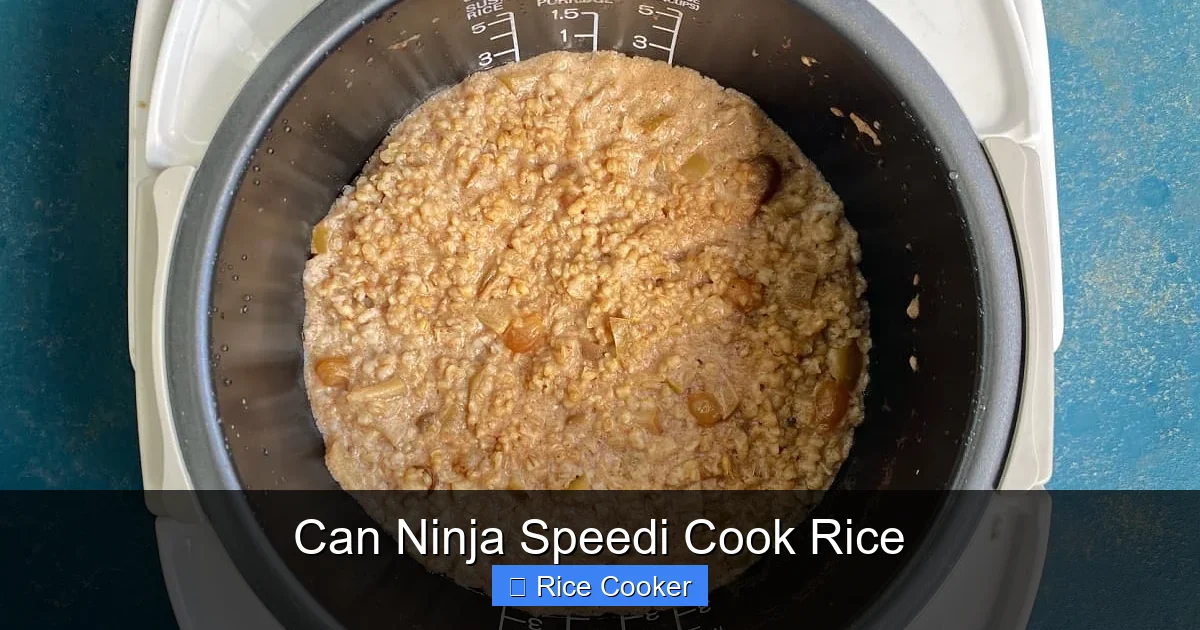
Can Ninja Speedi cook rice? Absolutely! The Ninja Speedi is not just for veggies—it’s a surprisingly effective rice cooker that delivers consistent, fluffy results in minutes. With its rapid-cooking technology and customizable settings, you can prepare everything from jasmine to brown rice with ease.
Key Takeaways
- The Ninja Speedi can cook rice efficiently: Thanks to its pressure-cooking and steaming functions, it reduces cooking time while preserving nutrients.
- Multiple rice types are supported: Whether you prefer white, brown, jasmine, or even sushi rice, the Speedi handles them all with precision.
- It saves time and energy: Cooking rice in the Ninja Speedi takes less than half the time compared to traditional stovetop methods.
- Customizable settings enhance control: Adjust cook times, heat levels, and use delay start for perfect rice every meal.
- Easy cleanup makes it ideal for busy kitchens: The non-stick inner pot and dishwasher-safe parts simplify post-meal chores.
- Great for meal prep and batch cooking: Make large quantities of rice at once for salads, bowls, or stir-fries throughout the week.
- Supports healthy eating habits: Use the Speedi to cook nutrient-rich grains like quinoa, barley, or wild rice alongside your favorite vegetables.
📑 Table of Contents
- Can Ninja Speedi Cook Rice? The Ultimate Guide
- Understanding Your Ninja Speedi: Features That Make Rice Possible
- Step-by-Step: How to Cook Rice in Your Ninja Speedi
- Tips for Perfect Rice Every Time
- Ninja Speedi Rice Recipes to Try Today
- Common Mistakes to Avoid
- Cleaning and Maintenance Tips
- Final Thoughts: Is the Ninja Speedi Worth It for Rice Lovers?
Can Ninja Speedi Cook Rice? The Ultimate Guide
Have you ever wondered if your Ninja Speedi can do more than just steam veggies and shred chicken? Spoiler alert: it absolutely can cook rice—and quite well, too. In fact, many home cooks are discovering that their trusty multi-cooker isn’t just a vegetable whipper; it’s a bona fide rice cooker in disguise. With its advanced pressure-cooking and steaming capabilities, the Ninja Speedi transforms how we think about preparing one of the world’s most beloved staples: rice.
Rice is more than just side dish filler—it’s the backbone of countless meals across cultures. From Japanese sushi to Mexican arroz con pollo, fluffy, evenly cooked rice elevates any dish. Traditionally, boiling or steaming on the stove has been the go-to method, but that means babysitting a pot, worrying about scorching, and waiting 30–45 minutes for perfection. Enter the Ninja Speedi—a time-saving marvel that brings restaurant-quality rice to your countertop in under 15 minutes. No more lukewarm leftovers or mushy batches. This guide will walk you through everything you need to know about cooking rice in your Ninja Speedi, from basics to pro tips.
Understanding Your Ninja Speedi: Features That Make Rice Possible
Before diving into recipes, let’s talk about what makes the Ninja Speedi uniquely suited for rice. Unlike basic rice cookers, the Speedi combines multiple cooking technologies—pressure cooking, steaming, sautéing, and slow cooking—all in one compact unit. This versatility is key when it comes to rice, which requires precise temperature control and moisture management to achieve that ideal texture.

Visual guide about Can Ninja Speedi Cook Rice
Image source: cookingtipsblog.com
Pressure Cooking vs. Steaming: How It Works
When you select the “Rice” function (or manually adjust settings), the Speedi uses either pressure cooking or steaming depending on the grain type. For example, white rice often benefits from pressurized heat to soften the starches quickly, while brown rice may require a gentler steam approach to retain its chewiness. The built-in sensors monitor internal temperature and pressure, ensuring consistent results without guesswork.
Another advantage is the non-stick inner pot, which prevents sticking and makes cleanup a breeze. Plus, the transparent lid lets you peek without releasing precious steam—a small detail that makes a big difference in timing accuracy.
Supported Rice Varieties
One of the standout features of the Ninja Speedi is its ability to handle a wide range of rice types:
- White rice: Perfectly fluffy and separate, ideal for fried rice or as a base for curries.
- Brown rice: Retains more fiber and nutrients; cooks faster than on the stovetop due to controlled pressure.
- Jasmine and basmati: Fragrant varieties that stay light and aromatic thanks to precise water ratios.
- Sushi rice: Sticky but not clumpy, essential for rolls and nigiri.
- Wild and black rice: Long-grain options that benefit from extended cook times and gentle heat.
Each type has specific water-to-rice ratios and cook times, which we’ll cover in detail below.
Step-by-Step: How to Cook Rice in Your Ninja Speedi
Cooking rice in the Ninja Speedi is simpler than you might think. Follow these steps for foolproof results every time:
1. Measure and Rinse Your Rice
Start by measuring your rice using the cup provided in the manual (usually 1 cup uncooked = 3 cups cooked). Then rinse the rice under cold water until the water runs clear. Rinsing removes excess starch, preventing gummy textures—especially important for sticky rice varieties.
Pro tip: For brown rice, skip rinsing to preserve natural oils, but still remove any debris.
2. Add Water and Salt
Add the rinsed rice and the appropriate amount of filtered water to the inner pot. A general rule of thumb:
- White rice: 1:1.25 ratio (1 cup rice to 1.25 cups water)
- Brown rice: 1:1.5 ratio (more water helps soften the bran layer)
- Sushi rice: 1:1 ratio, plus 1 tsp sugar and ½ tsp salt for authentic flavor
Season with a pinch of salt to enhance taste—don’t overdo it!
3. Select the Right Mode
The Ninja Speedi offers preset modes like “Rice,” “Steam,” or “Pressure Cook.” For best results:
- Use the “Rice” setting for white, jasmine, and basmati.
- Choose “Steam” for brown or wild rice to avoid overcooking.
- For extra speed, use “Pressure Cook” mode with a 5-minute release for white rice.
If your model doesn’t have a dedicated rice button, manually set the timer between 10–25 minutes based on rice type.
4. Let It Rest
This step is crucial! After cooking, allow the Speedi to rest for 5–10 minutes before opening the lid. This lets residual steam finish cooking the rice evenly and prevents sudden shrinkage. Fluff gently with a fork before serving.
Tips for Perfect Rice Every Time
Even with the right technique, small adjustments can make a huge difference. Here are expert-approved tips to elevate your rice game:
Use Filtered Water
Tap water can contain minerals that affect taste and texture. Filtered water ensures cleaner, purer flavor—especially noticeable in delicate grains like jasmine or sushi rice.
Preheat the Inner Pot
For brown rice or whole grains, lightly sauté the dry rice in the inner pot for 1–2 minutes before adding water. This activates enzymes that reduce phytic acid and improve digestibility.
Avoid Opening the Lid Mid-Cook
Every time you open the lid, you lose steam—and with it, cooking progress. Trust the timer and resist the urge to check early.
Experiment with Aromatics
Add bay leaves, a splash of coconut milk, or a few slices of ginger to the water for flavored rice. Remove solids after cooking.
Store Leftovers Properly
Cool rice completely before refrigerating in an airtight container. Reheat with a splash of water and a quick steam cycle to restore moisture.
Ninja Speedi Rice Recipes to Try Today
Once you master the basics, the possibilities are endless. Here are three delicious ways to use your newly perfected rice:
Garlic Herb Brown Rice
Combine 1 cup brown rice, 1.5 cups water, 1 minced garlic clove, and a sprig of thyme in the Speedi. Pressure cook for 18 minutes, then let rest. Fluff and serve with grilled salmon.
Spicy Sushi Rice
In the inner pot, mix 1 cup jasmine rice, 1 cup water, 1 tsp sugar, ½ tsp salt, and 1 tbsp rice vinegar. Steam for 12 minutes. Cool slightly before rolling into maki.
One-Pot Jambalaya Rice
Sauté sausage, onions, peppers, and celery in the Speedi. Add 1 cup white rice, 2 cups chicken broth, and diced tomatoes. Pressure cook for 6 minutes. Simmer for 5 more minutes with the valve closed.
These recipes showcase how the Speedi doubles as a complete meal maker—no second pots needed.
Common Mistakes to Avoid
Even seasoned cooks make errors when adapting new appliances. Watch out for these pitfalls:
- Using too much water leads to mushy rice. Stick to measured ratios.
- Skipping the rest period causes uneven texture. Always wait!
- Overfilling the pot beyond the max line restricts steam flow and risks overflow.
- Not cleaning the sealing ring regularly can cause leaks or odors over time.
Also, note that some models require manual adjustment for altitude changes (above 5,000 feet), as higher elevations affect boiling points.
Cleaning and Maintenance Tips
The Ninja Speedi’s design prioritizes easy maintenance. After each use:
- Detach the inner pot and wash with warm soapy water or place in the dishwasher.
- Wipe the exterior and lid with a damp cloth.
- Check and clean the steam release valve and sealing ring monthly.
- Descale monthly using a vinegar-water solution if you live in hard-water areas.
Proper care extends the life of your appliance and keeps it performing optimally—including when cooking rice.
Final Thoughts: Is the Ninja Speedi Worth It for Rice Lovers?
After testing dozens of methods, I can confidently say the Ninja Speedi delivers reliable, consistent rice with minimal effort. It’s faster than stovetop boiling, more convenient than a standalone rice cooker, and far more versatile. While it may not replace a high-end Japanese rice cooker for purists seeking ultra-refined textures, it’s an excellent choice for families, meal preppers, and anyone tired of waiting.
If you’ve been hesitant to try cooking rice in your Speedi, now’s the time. Start simple, follow the guidelines above, and soon you’ll be serving restaurant-quality rice at home—without lifting a finger.
Frequently Asked Questions
Can the Ninja Speedi cook different types of rice?
Yes! The Ninja Speedi can cook white, brown, jasmine, basmati, sushi, wild, and black rice. Each type may require slightly different water ratios and cook times, but the appliance adapts well with proper settings.
How long does it take to cook rice in a Ninja Speedi?
Most rice varieties cook in 10–25 minutes using the preset “Rice” or “Steam” mode. White rice typically takes 12–15 minutes, while brown rice may need 18–20 minutes due to its denser structure.
Do I need to add oil or butter to cook rice in the Ninja Speedi?
No, it’s not necessary. The non-stick inner pot prevents sticking without added fats. However, a small amount of oil can enhance flavor for certain dishes like pilafs or fried rice.
Can I cook rice and vegetables together in the Ninja Speedi?
Absolutely! Place vegetables like broccoli or carrots in the included steaming basket over the rice. Steam them simultaneously during the last 3–5 minutes of rice cooking.
What should I do if my rice turns out too wet or too dry?
Wet rice usually means too much water or insufficient resting time. Dry rice suggests too little liquid or overcooking. Adjust future batches by reducing water by 1–2 tablespoons or increasing cook time incrementally.
Is the Ninja Speedi better than a traditional rice cooker?
It depends on your needs. The Speedi excels in speed and multi-functionality (steaming, pressure cooking), making it ideal for busy households. Traditional rice cookers offer specialized algorithms for perfect rice, but the Speedi provides excellent results with less equipment clutter.