
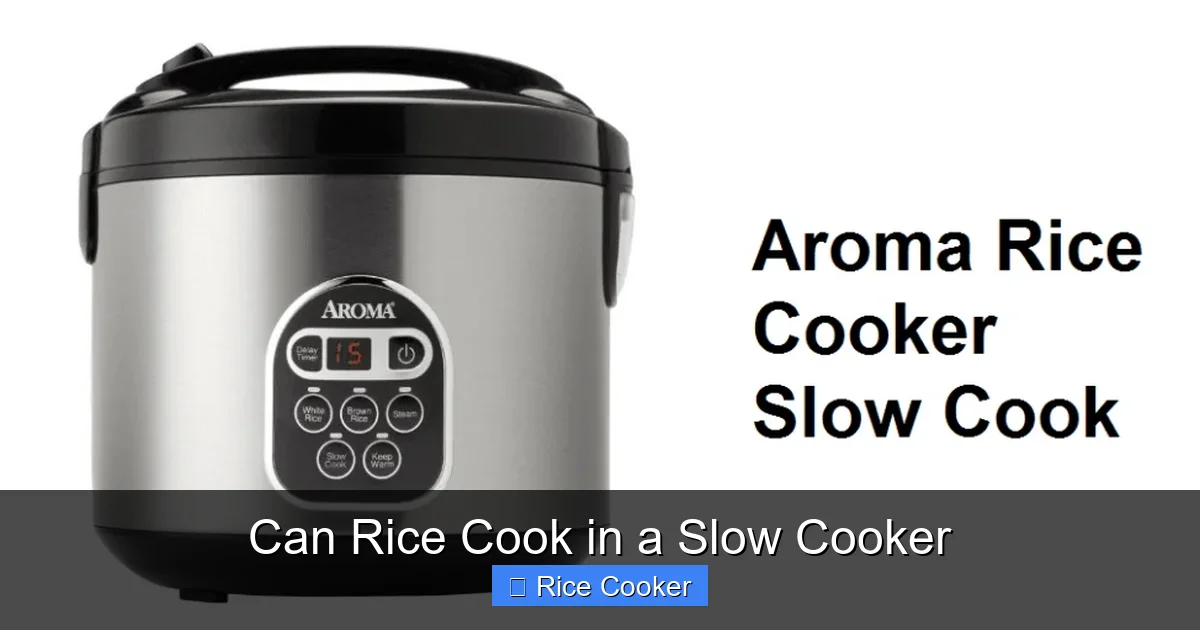
Can rice cook in a slow cooker? Absolutely! While not as common as using a rice cooker, your slow cooker can produce delicious, fluffy rice with the right technique. It’s especially helpful when you don’t have a dedicated rice maker or want to multitask on a busy day.
With proper water-to-rice ratios and the right cooking settings, slow-cooker rice comes out tender and evenly cooked. This method is ideal for pilafs, one-pot meals, or even leftover grains. With a few simple adjustments, you’ll never look at your slow cooker the same way again.
Key Takeaways
- Yes, rice cooks perfectly in a slow cooker when using the correct water-to-rice ratio (typically 1:1.25 to 1:1.5).
- White rice works best for slow cooking due to its starch content and ability to absorb moisture evenly.
- Use the “Cook” setting on low for most rice types—high heat can cause uneven cooking or burnt bottom layers.
- Don’t lift the lid during cooking; steam release disrupts temperature and timing.
- Let rice rest for 5–10 minutes after cooking to allow steam to distribute and grains to firm up.
- Experiment with flavors by adding broth, herbs, or spices directly into the slow cooker.
- Clean-up is easy—just wipe the insert and avoid scrubbing stuck-on rice with metal utensils.
📑 Table of Contents
- Can Rice Cook in a Slow Cooker? The Surprising Truth
- The Science Behind Cooking Rice in a Slow Cooker
- Which Types of Rice Work Best in a Slow Cooker?
- Step-by-Step Guide: How to Cook Rice in a Slow Cooker
- Flavor Variations and Creative Uses
- Troubleshooting Common Issues
- Tips for Success Every Time
- Slow Cooker Rice vs. Other Methods
- Frequently Asked Questions
- Conclusion: Embrace the Versatility of Your Slow Cooker
Can Rice Cook in a Slow Cooker? The Surprising Truth
Have you ever found yourself staring into your slow cooker, wondering what to make for dinner, only to realize you forgot to buy rice? Or maybe you’ve got a batch of leftover chicken and want to turn it into a warm, comforting casserole—without the hassle of boiling water on the stove? If so, you’re in luck. Yes, rice can absolutely cook in a slow cooker, and doing so can actually result in surprisingly fluffy, flavorful results.
While rice cookers are designed specifically for the job—using precise temperature control and timed cycles to achieve perfect grains—slow cookers aren’t inherently bad at making rice. In fact, many home cooks swear by the method. The key lies in understanding how slow cookers work, what kind of rice responds best to their gentle heat, and how to adapt your expectations slightly compared to a rice cooker.
This article dives deep into everything you need to know about cooking rice in a slow cooker. From choosing the right rice and measuring ingredients correctly, to troubleshooting common issues like mushiness or dryness, we’ll walk you through the process step-by-step. By the end, you’ll feel confident turning your slow cooker into a versatile kitchen tool capable of more than just stews and soups.
The Science Behind Cooking Rice in a Slow Cooker
How Slow Cookers Work
A slow cooker uses low, consistent heat over several hours to gently cook food. Unlike stovetop methods that rely on direct flame or electric coils, slow cookers maintain a steady internal temperature—usually between 170°F and 200°F—depending on whether you’re using the “low” or “high” setting. This indirect heating method is great for tough cuts of meat, beans, and soups, but can it handle something as delicate as rice?
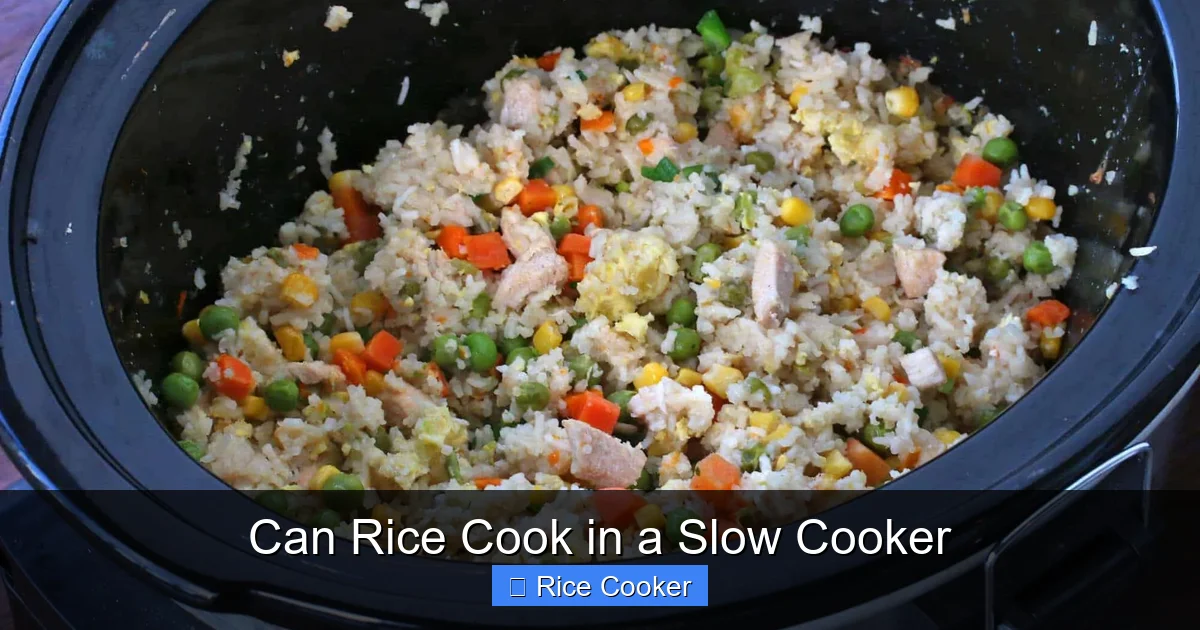
Visual guide about Can Rice Cook in a Slow Cooker
Image source: daringgourmet.com
Rice contains starch, mostly amylose and amylopectin, which gelatinize when heated in water. This process turns raw, hard grains into soft, edible ones. For this to happen properly, the grain must reach around 185°F and stay there long enough to fully hydrate. A slow cooker’s low-and-slow approach gives rice ample time to absorb water and cook evenly—but only if managed correctly.
Why Rice Cookers Are Specialized
Rice cookers operate on a two-stage process: first, they boil water rapidly to cook the rice quickly; then, once the water evaporates, they switch to a warming mode to prevent burning. Some advanced models even sense when the rice is done and shut off automatically. That level of precision is hard to replicate with a standard slow cooker, which lacks sensors and automatic shut-off for specific foods like rice.
However, rice cookers also tend to be smaller and use non-stick inner pots, making them less ideal for large batches. A slow cooker, by contrast, can handle enough rice for a family of four—and still leave room for vegetables or proteins.
Which Types of Rice Work Best in a Slow Cooker?
White Rice: The Top Choice
If you’re new to slow-cooking rice, start with white rice—specifically long-grain varieties like jasmine or basmati, or medium-grain like regular long-grain white rice. These types have the right balance of starch and moisture absorption to work well under low, constant heat.
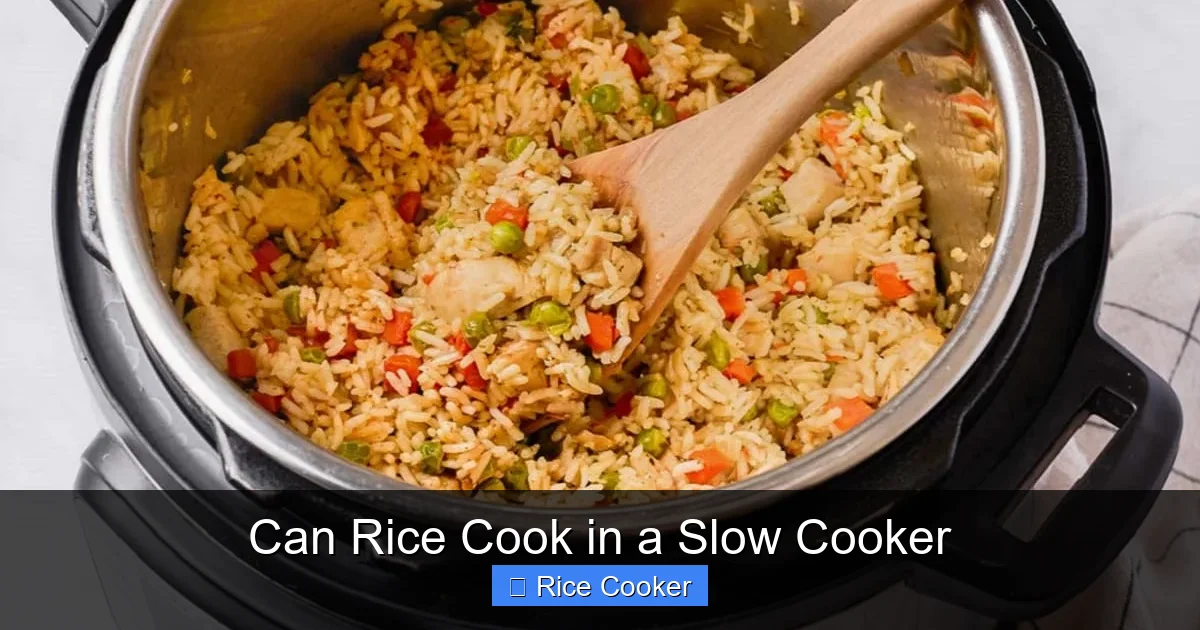
Visual guide about Can Rice Cook in a Slow Cooker
Image source: storables.com
Long-grain white rice is particularly forgiving because its elongated shape allows it to cook evenly without clumping. Jasmine rice, with its slightly sticky texture, can be tricky on the stovetop, but in a slow cooker, it tends to fluff up beautifully.
Cooked Rice vs. Raw Rice
You might wonder: should you add already-cooked rice to the slow cooker? Technically, yes—but it defeats the purpose. Adding uncooked rice means you’re essentially rehydrating it, which can lead to overcooked, mushy results unless carefully monitored. Always use raw rice for the best texture.
Brown Rice: Possible, But Tricky
Brown rice has a tougher outer bran layer and takes longer to cook than white rice. You can cook it in a slow cooker, but you’ll need significantly more liquid (about 1.5 cups of water per cup of brown rice) and longer cooking times (4–6 hours on low). Even then, the texture may be softer than desired, and it’s harder to get consistent results across multiple batches.
Wild Rice and Other Varieties
Wild rice and red rice varieties require even more patience and liquid. They often need 5–7 hours on low and careful monitoring. Unless you’re experimenting, it’s safer to stick with white rice for reliable outcomes.
Step-by-Step Guide: How to Cook Rice in a Slow Cooker
Gather Your Ingredients and Tools
Before you begin, make sure you have:
- Raw white rice (long or medium grain)
- Water or broth (for extra flavor)
- Slow cooker with removable liner
- Measuring cups
- Wooden spoon or silicone spatula
- Towel or lid lifter (to minimize steam loss)
Measure the Right Ratio
The magic number here is water-to-rice ratio. Most sources recommend starting with 1 cup of rice to 1.25 to 1.5 cups of liquid. For example:
- 1 cup rice : 1.25 cups water → fluffy, slightly separate grains
- 1 cup rice : 1.5 cups water → softer, creamier texture
Start with the lower ratio and adjust next time based on your preference. Remember, slow cookers retain moisture differently than stovetops, so you may need to tweak slightly.
Combine and Stir
Place the raw rice and liquid into the slow cooker insert. Stir once to remove any clumps. Avoid over-stirring—this can break the grains and lead to mushiness later.
Set the Timer and Heat Setting
For most white rice types, cook on LOW for 2–3 hours. High heat can cause the bottom layer to burn before the top is fully cooked. If you’re in a pinch, you can try HIGH for 1.5 hours, but monitor closely.
Do Not Lift the Lid!
This is critical. Every time you open the lid, you lose precious heat and steam. Rice needs consistent warmth to finish cooking evenly. Cover the slow cooker tightly and let it do its thing.
Test for Doneness
After 2 hours, check a few grains by poking them. They should be tender but not crunchy. If still hard, return to LOW for another 30–45 minutes.
Rest and Fluff
Once done, turn off the slow cooker and let the rice sit, covered, for 5–10 minutes. This allows residual steam to finish softening any stubborn grains. Then, fluff gently with a fork.
Flavor Variations and Creative Uses
Cooking Rice in Broth Instead of Water
Swap plain water for chicken, vegetable, or beef broth to infuse subtle flavor. This works especially well in grain bowls, risottos, or when building layered dishes like casseroles.
Add Herbs and Spices During Cooking
Toss in bay leaves, thyme sprigs, garlic cloves, or a pinch of turmeric while the rice cooks. Remove solids before serving, or leave them in for a rustic presentation.
Sweet Rice Options
Try cooking white rice with coconut milk, cinnamon, and a splash of vanilla extract. Serve warm with fresh fruit or drizzle with honey. Perfect for breakfast or dessert.
One-Pot Meals Made Easy
Combine cooked rice with sautéed onions, shredded chicken, black beans, and salsa in the slow cooker. Let it simmer together for 30 minutes for a no-fuss Tex-Mex meal.
Rice Pudding Revamped
Instead of traditional stovetop rice pudding, try slow-cooking rice with milk, sugar, raisins, and nutmeg on LOW for 3–4 hours. Stir occasionally until thickened. It’s creamy, rich, and hands-off.
Troubleshooting Common Issues
Mushy Rice
Too much liquid or overcooking causes mushiness. Reduce water by ¼ cup next time, and avoid opening the lid. Also, ensure your rice isn’t old—stale rice absorbs liquid faster.
Dry or Hard Rice
Not enough liquid or too-short cooking time. Add an extra ¼ cup of liquid and extend cooking time by 15–30 minutes. Check periodically.
Burnt Bottom Layer
This happens when the insert doesn’t distribute heat evenly or when rice sticks to the bottom. Use a heavier-gauge ceramic or enamel-coated insert, and consider greasing it lightly before adding rice.
Unevenly Cooked Grains
Stirring too much or not stirring enough can cause clumps. Just a single stir at the beginning usually suffices. Also, use fresh rice—old rice loses potency.
Grains Sticking to the Insert
Don’t scrape with metal utensils. Use wood or silicone instead. For stubborn spots, soak the insert in warm, soapy water immediately after cooking.
Tips for Success Every Time
- Preheat the insert: Lightly grease the slow cooker insert to prevent sticking.
- Use a timer: Set reminders so you don’t forget to check progress.
- Invest in a rice paddle: A flat-edged utensil makes fluffing easier.
- Label your batches: Especially useful if you cook rice ahead for meal prep.
- Store properly: Cool completely, cover tightly, and refrigerate within 2 hours. Reheat with a splash of water to revive texture.
Slow Cooker Rice vs. Other Methods
| Method | Time | Texture | Best For |
|---|---|---|---|
| Stovetop (boiled) | 15–20 mins | Light, fluffy | Quick meals, small batches |
| Rice cooker | 20–30 mins | Consistently perfect | Everyday rice, meal prep |
| Slow cooker | 2–3 hours | Soft, moist | Hands-off cooking, flavor infusion |
| Oven-baked | 45–60 mins | Even, dry | Large quantities, rustic style |
While stovetop and rice cooker methods win on speed and consistency, the slow cooker offers unbeatable convenience and flavor depth—especially when combined with other ingredients.
Frequently Asked Questions
Can I cook brown rice in a slow cooker?
Yes, but it requires more liquid (about 1.5–2 cups per cup of rice) and longer cooking time (4–6 hours on low). Results may vary in texture, so it’s best suited for dishes where softness is acceptable.
How much water do I use per cup of rice in a slow cooker?
Start with 1.25 to 1.5 cups of liquid per cup of uncooked white rice. Adjust based on your desired texture—less water for fluffier rice, more for creamier.
Can I cook rice and vegetables together in a slow cooker?
Absolutely! Add diced carrots, peas, or broccoli during the last 30–45 minutes of cooking. Make sure vegetables won’t overcook—they need less time than rice.
What if my rice comes out too wet?
Next time, reduce the water by ¼ cup and avoid opening the lid. You can also transfer the rice to a baking sheet and bake at 350°F for 10–15 minutes to evaporate excess moisture.
Can I freeze slow-cooked rice?
Yes! Cool completely, portion into containers, and freeze for up to 3 months. Thaw overnight in the fridge and reheat with a bit of water or broth.
Is it safe to cook rice in a slow cooker overnight?
No. Rice should never sit at room temperature for more than 2 hours. Cooking it overnight risks bacterial growth. Stick to 2–3 hours max on low.
Conclusion: Embrace the Versatility of Your Slow Cooker
So, can rice cook in a slow cooker? Without a doubt—yes. It may not replace your rice cooker for everyday use, but as a backup plan, a multitasking hero, or a flavor-enhancing tool in complex recipes, the slow cooker proves its worth time and again.
With the right technique, patience, and a few tried-and-true tricks, you can enjoy perfectly cooked, aromatic rice straight from your crockpot. Whether you’re whipping up a quick side dish or building a hearty one-pot meal, this method saves time and effort without sacrificing taste.
Next time you’re short on appliances or craving something warm and comforting, remember: your slow cooker isn’t just for soups and stews. It’s a hidden gem for grains, too. Give it a try—you might just fall in love with slow-cooked rice all over again.
Frequently Asked Questions
Can I cook brown rice in a slow cooker?
Yes, but it requires more liquid (about 1.5–2 cups per cup of rice) and longer cooking time (4–6 hours on low). Results may vary in texture, so it’s best suited for dishes where softness is acceptable.
How much water do I use per cup of rice in a slow cooker?
Start with 1.25 to 1.5 cups of liquid per cup of uncooked white rice. Adjust based on your desired texture—less water for fluffier rice, more for creamier.
Can I cook rice and vegetables together in a slow cooker?
Absolutely! Add diced carrots, peas, or broccoli during the last 30–45 minutes of cooking. Make sure vegetables won’t overcook—they need less time than rice.
What if my rice comes out too wet?
Next time, reduce the water by ¼ cup and avoid opening the lid. You can also transfer the rice to a baking sheet and bake at 350°F for 10–15 minutes to evaporate excess moisture.
Can I freeze slow-cooked rice?
Yes! Cool completely, portion into containers, and freeze for up to 3 months. Thaw overnight in the fridge and reheat with a bit of water or broth.
Is it safe to cook rice in a slow cooker overnight?
No. Rice should never sit at room temperature for more than 2 hours. Cooking it overnight risks bacterial growth. Stick to 2–3 hours max on low.