

Can rice burn in a rice cooker? Yes, it absolutely can—especially if water ratios are off or the appliance isn’t maintained properly. A rice cooker is designed to cook rice evenly, but overfilling, using old rice, or skipping cleaning can lead to burnt grains at the bottom. With proper technique and regular care, you can avoid burning and enjoy fluffy, delicious rice consistently.
Key Takeaways
- Rice can burn in a rice cooker when heat distribution is uneven or settings are misused.
- Common causes include incorrect water ratios, overfilling, and lack of maintenance.
- Proper cleaning and timely replacement of parts help prevent scorching.
- Different rice types require specific cooking methods, and using the wrong one increases burn risk.
- Some modern rice cookers have anti-scorch features, but they aren’t foolproof.
- Using a trivet or parchment paper can act as a barrier between rice and the heating plate.
- Always rinse rice and measure ingredients accurately to ensure even cooking.
📑 Table of Contents
Can Rice Burn in a Rice Cooker? What You Need to Know
We’ve all been there: you open your rice cooker after a long day, excited to dig into a warm bowl of perfectly steamed rice—only to find a dark, charred crust at the bottom of the pot. It’s not just unappetizing; it’s wasteful and frustrating. So, can rice burn in a rice cooker? The short answer is yes—but understanding why helps you prevent it.
A rice cooker is one of the most reliable kitchen appliances for preparing staple foods like white rice, brown rice, jasmine, basmati, and even quinoa. But despite their convenience, they’re not immune to mistakes. When things go wrong, burnt rice is often the result. Whether you’re a beginner cook or someone who’s used a rice cooker for years, knowing how to avoid scorching ensures every meal starts on the right foot.
In this article, we’ll explore everything you need to know about whether rice can burn in a rice cooker—and how to stop it from happening. From common causes of burning to expert tips for perfect rice every time, you’ll learn how to master your appliance and say goodbye to burnt, bitter rice forever.
The Science Behind Rice Cooking
How a Rice Cooker Works
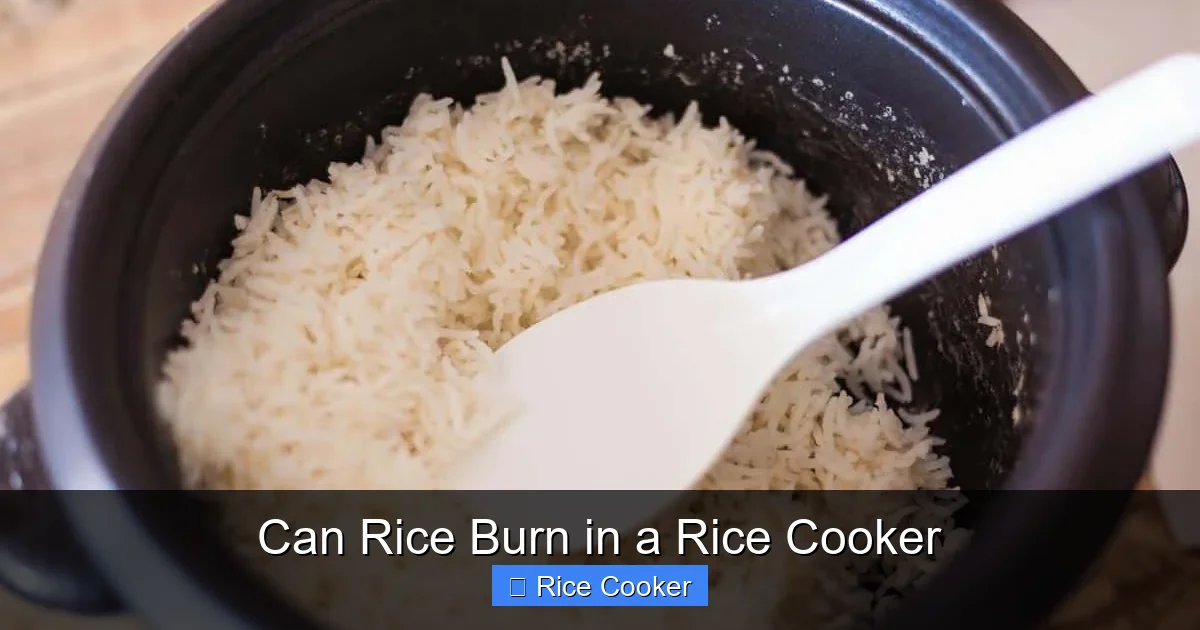
A rice cooker uses a combination of heat and steam to cook rice grains evenly. Inside the inner pot, a heating element warms the bottom while a thermostat monitors temperature. Once the water evaporates and the internal temperature rises above 100°C (212°F), the thermostat triggers the switch to “keep warm” mode. This cycle prevents overcooking and keeps rice tender.
Visual guide about Can Rice Burn in a Rice Cooker
Image source: kitchenseer.com
Modern rice cookers often feature multiple settings—like quick cook, brown rice, sushi rice, or porridge—each calibrated for different grain types. Some even include fuzzy logic technology that adjusts cooking time based on ambient conditions. However, no matter how advanced the technology, the core principle remains the same: consistent heat and proper water absorption.
Why Rice Burns: Heat Distribution & Water Balance
When rice burns, it’s usually because the bottom layer of grains gets too hot without enough moisture to carry them through the cooking process. Rice needs water to swell and soften. Without sufficient liquid, the starch at the base begins to caramelize and eventually burn. This is especially true in older models with less precise temperature control.
Another factor is uneven heat distribution. If the heating plate is dirty or damaged, certain areas may become hotter than others. Over time, this can create hotspots where rice chars before the rest is done. Even a small crack in the inner pot can allow direct contact with the heating surface, increasing burn risk.
Common Causes of Burnt Rice
Incorrect Water-to-Rice Ratios
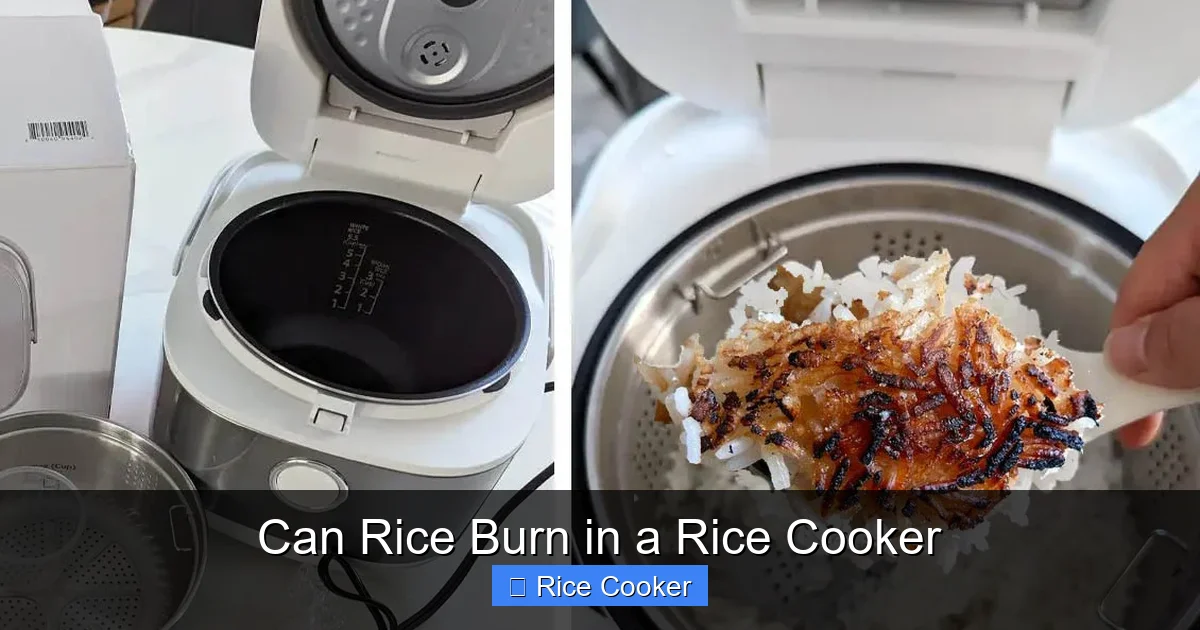
One of the most frequent culprits behind burnt rice is using the wrong amount of water. Most rice cookers rely on precise measurements. Too little water means the rice dries out and scorches; too much results in mushy, undercooked grains.
Visual guide about Can Rice Burn in a Rice Cooker
Image source: kitchenflock.com
For example, white rice typically requires a 1:1.5 to 1:2 ratio (one part rice to one-and-a-half to two parts water). Brown rice needs more water—about 1:2 to 1:2.5—because its outer bran layer slows absorption. Using a measuring cup and following recommended ratios is essential.
Overfilling the Cooker
Most rice cookers have a maximum fill line. Exceeding this limit means the rice expands beyond the cooking capacity, trapping heat and creating pressure that leads to uneven cooking. When rice is packed too tightly, steam can’t circulate properly, and the bottom layer dries out faster.
If you’re cooking large batches, consider doing so in smaller portions. Overfilling also strains the heating element and can damage the thermostat over time.
Dirty or Damaged Inner Pot
A grimy inner pot can harbor burnt residue that transfers heat unevenly. Food particles left behind form a carbonized layer that acts like a wick, drawing moisture away from the rice and increasing burn potential.
Similarly, a scratched or cracked pot may expose metal to the heating plate, creating direct contact and localized overheating. Always clean your inner pot thoroughly after each use and replace it if it shows signs of wear.
Using Old or Stale Rice
Rice can absorb odors and moisture from storage containers, becoming stale over time. Stale rice doesn’t absorb water as well, leading to dry, hard grains—or worse, a burnt center. Store rice in an airtight container in a cool, dry place, and try to use it within six months.
Ignoring Pre-Cooking Steps
Skipping the rinsing step removes excess starch that can cause clumping or sticking. While rinsing isn’t always necessary, it’s particularly helpful for long-grain varieties like jasmine or basmati. Rinsing also helps prevent scorching by ensuring even water distribution.
Can All Types of Rice Burn?
White vs. Brown Rice
Yes—both white and brown rice can burn, but for slightly different reasons. White rice has a softer texture and cooks quickly, making it more prone to drying out if under-watered. Brown rice, with its fibrous bran layer, takes longer to absorb moisture and often benefits from soaking before cooking.
Sushi, Jasmine, and Basmati Rice
These aromatic varieties are delicate and require careful handling. Sushi rice, for instance, needs precise temperature control to achieve the sticky consistency required for rolling. Jasmine rice absorbs water rapidly and can scorch if stirred or agitated during cooking.
Instant and Parboiled Rice
While these are pre-cooked or partially cooked, they still require hot water in the rice cooker. Overheating can cause them to turn mushy or develop a burnt taste. Follow package instructions closely.
How to Prevent Rice from Burning
Use the Right Amount of Water
Always measure water using a clear, marked cup. For white rice, start with 1 cup rice to 1.5 cups water. Add a pinch of salt or a drop of oil to improve texture and reduce sticking. For brown rice, increase water to 2 cups per 1 cup rice.
Clean Your Rice Cooker Regularly
After each use, remove the inner pot and wash it with warm, soapy water. Use a soft sponge to avoid scratching. Don’t put the inner pot in the dishwasher—it can warp the non-stick coating. Dry completely before reassembling.
Don’t Overfill
Stick to the manufacturer’s fill line. If you need to cook more, do it in batches. Overfilling reduces efficiency and increases burn risk.
Try a Trivet or Parchment Paper
Placing a heat-resistant trivet or a piece of parchment paper at the bottom creates a barrier between the rice and the heating plate. This simple trick can prevent direct contact and reduce scorching—especially useful for older models.
Soak Brown Rice Before Cooking
Soaking brown rice for 20–30 minutes helps it absorb water evenly, reducing cook time and preventing dry spots that lead to burning.
Check the Thermostat and Heating Element
If your rice cooker frequently burns rice despite correct usage, the thermostat might be faulty. Test it by running a full cycle and checking if it switches to “warm” mode at the right time. If not, consult the manual or contact customer support.
What to Do If Rice Does Burn
Remove the Burnt Layer
If only the bottom layer is burned, scoop out the charred portion and serve the rest. Discard any blackened bits—they can contain acrylamide, a potential carcinogen formed during high-heat cooking.
Fluff and Mix Gently
Use a fork to gently fluff the remaining rice. Avoid stirring too vigorously, as this can break apart the grains and make them look messy.
Add Liquid to Revive
If the rice is slightly undercooked due to burning, add a splash of hot water and let it sit covered for 5–10 minutes. This helps revive the texture.
Prevent Future Burns
Once you’ve salvaged what you can, take note of what went wrong. Was it too little water? A dirty pot? Adjust accordingly next time.
Advanced Tips for Perfect Rice Every Time
Invest in a Quality Rice Cooker
Not all rice cookers are created equal. Look for models with stainless steel inner pots, multiple cooking modes, and good reviews for burn prevention. Japanese brands like Zojirushi or Tiger often perform better in this regard.
Use Rice Cooker Accessories
Some cookers come with accessories like steaming baskets or rice padders that elevate the inner pot slightly, improving airflow and reducing burn risk.
Cook in Batches for Large Families
If you’re feeding a crowd, cook rice in smaller portions rather than maxing out the capacity. This ensures even heat distribution and consistent results.
Keep a Rice Journal
Note down your ratios, soak times, and outcomes. Over time, you’ll develop a personalized system that works best for your household.
Conclusion: Mastering Your Rice Cooker
So, can rice burn in a rice cooker? Absolutely. But with awareness and attention to detail, you can eliminate this problem entirely. The key lies in understanding how rice cooks, maintaining your appliance, and following proven techniques.
From proper water ratios to regular cleaning and mindful filling, small steps make a big difference. Whether you’re cooking plain white rice or experimenting with wild rice and risotto, the principles remain the same: balance, patience, and care.
By applying the tips in this guide, you’ll never have to deal with another batch of burnt, bitter rice again. Instead, you’ll enjoy fluffy, flavorful grains that bring comfort to every meal. After all, great rice is the foundation of countless dishes—and mastering your rice cooker is a skill worth cultivating.
Frequently Asked Questions
Can rice actually burn in a rice cooker?
Yes, rice can definitely burn in a rice cooker. This happens when there’s insufficient water, the inner pot is dirty or damaged, or the appliance isn’t functioning properly. Burnt rice is unpleasant and wasteful, but it’s avoidable with proper technique.
Why does my rice keep burning at the bottom?
Rice burns at the bottom mainly due to low water levels, overfilling, or a dirty heating plate. Food residue can create hotspots that dry out the rice. Cleaning your cooker regularly and using accurate water ratios can solve this issue.
Is it safe to eat burnt rice?
It’s not recommended to eat heavily burnt rice, as it may contain harmful compounds like acrylamide. If only a small portion is scorched, discard it and serve the rest. Always prioritize safety over saving a few grains.
Can a new rice cooker still burn rice?
Even new rice cookers can produce burnt rice if misused. Factors like incorrect water amounts, overfilling, or improper storage affect performance. Following the manufacturer’s guidelines ensures optimal results.
Does type of rice affect burn risk?
Yes. White rice cooks quickly and dries out fast, while brown rice needs more water and time. Delicate varieties like sushi or jasmine require precise handling. Each type has specific needs that influence burn likelihood.
How often should I clean my rice cooker?
Clean the inner pot after every use. Wipe the exterior and lid weekly. Deep clean the heating plate monthly to remove buildup. Proper maintenance prevents residue accumulation and extends appliance life.