
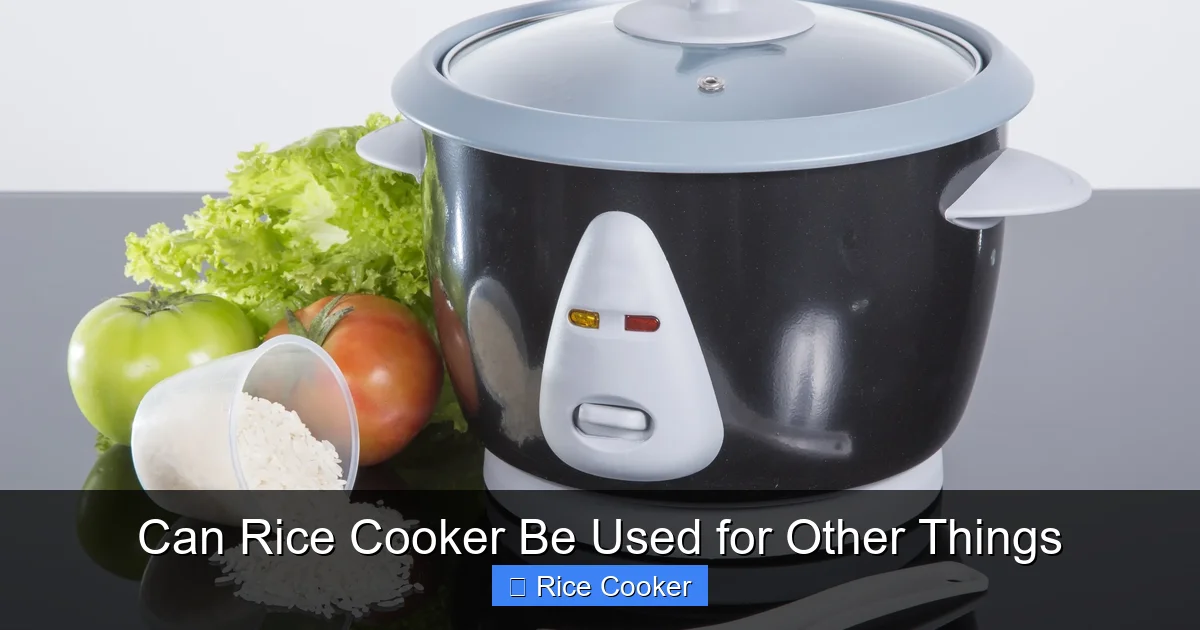
Can rice cooker be used for other things? Absolutely! While most people know rice cookers are great for cooking rice, they’re actually incredibly versatile kitchen tools. You can steam vegetables, make soups, bake cakes, and even prepare one-pot meals—all with minimal effort. In fact, many modern rice cookers come with extra functions that expand their usefulness far beyond just grains.
This article explores creative and practical uses for your rice cooker, helping you get more value out of this essential appliance. Whether you’re short on time, trying to eat healthier, or just love experimenting in the kitchen, there’s a lot more to your rice cooker than meets the eye.
Key Takeaways
- Yes, rice cookers are highly versatile: They can cook more than just rice—steaming, slow cooking, and baking are all possible with the right settings.
- Healthy meal prep made easy: Use your rice cooker to prepare balanced meals like grain bowls, stews, and even overnight oats.
- Energy-efficient alternative: Cooking multiple dishes at once saves time and electricity compared to using separate appliances.
- Perfect for dorm rooms or small kitchens: Compact and simple, rice cookers are ideal for students or anyone with limited space.
- Fun recipes to try: From steamed dumplings to chocolate cakes, the possibilities are endless once you explore beyond basic rice.
- Cleaning is simple: Most parts are dishwasher-safe, making cleanup after multi-use cooking a breeze.
- Investment in long-term kitchen efficiency: Learning how to use your rice cooker creatively reduces reliance on other gadgets.
📑 Table of Contents
- The Rice Cooker Revolution: More Than Just a Grains Machine
- Why Rice Cookers Are Surprisingly Versatile Appliances
- Cooking Beyond Rice: Practical Examples and Tips
- Creative Recipes to Try in Your Rice Cooker
- Tips for Maximizing Your Rice Cooker’s Potential
- Common Misconceptions About Rice Cookers
- Choosing the Right Rice Cooker for Multi-Purpose Cooking
- Conclusion: Turn Your Rice Cooker Into a Kitchen Star
The Rice Cooker Revolution: More Than Just a Grains Machine
If you’ve ever owned a rice cooker, chances are you mostly use it to cook rice. It’s quick, foolproof, and reliable—but what if I told you your rice cooker could do so much more? That compact white box on your counter isn’t just for grains. In fact, many modern rice cookers come with multiple functions built right in, allowing you to steam vegetables, slow-cook stews, even bake desserts. The secret? Understanding how heat, moisture, and timing work together in your appliance.
For years, rice cookers were seen as single-purpose devices—great for students, travelers, or people who just want perfectly cooked rice without watching a pot. But as home cooks have discovered, these little machines are surprisingly adaptable. With the right recipe and mindset, your rice cooker becomes a multi-functional kitchen powerhouse. Whether you’re looking to save time, eat healthier, or simply enjoy cooking more, expanding your rice cooker’s role can transform your daily routine.
Why Rice Cookers Are Surprisingly Versatile Appliances
At first glance, a rice cooker seems limited: you add water and rice, press a button, and wait. But dig a little deeper, and you’ll find that the same principles that make rice fluffy—controlled heat and steam—can be applied to many foods. Unlike stovetop cooking, which requires constant attention, a rice cooker automates the process. This means you can set it and forget it, freeing up your time for other tasks.
Visual guide about Can Rice Cooker Be Used for Other Things
Image source: mashed.com
Most modern rice cookers feature programmable timers, delay-start options, and multiple cooking modes like steam, slow cook, and warm. Some even come with special inserts like bamboo steamers or yogurt makers. These features open up a whole world of possibilities beyond plain white rice. Think of your rice cooker as a mini smart oven—one that’s especially good at handling moist-heat cooking methods.
The Science Behind Multi-Use Cooking
Understanding how a rice cooker works helps explain why it’s so adaptable. When you cook rice, the appliance heats the bottom of the pot just enough to create steam, which rises and cooks the grains evenly. This same steam environment is perfect for tenderizing proteins, softening vegetables, and infusing flavors. Because the cooker maintains consistent temperature and humidity, it prevents overcooking while keeping food moist.
This is why steaming broccoli in a rice cooker yields brighter green, crisper florets than boiling them. And because the cooker automatically shifts to “warm” mode after cooking, there’s no risk of burning or drying out your food. This gentle, hands-off approach makes it ideal for delicate tasks like making yogurt or reheating leftovers without turning them into mush.
Cooking Beyond Rice: Practical Examples and Tips
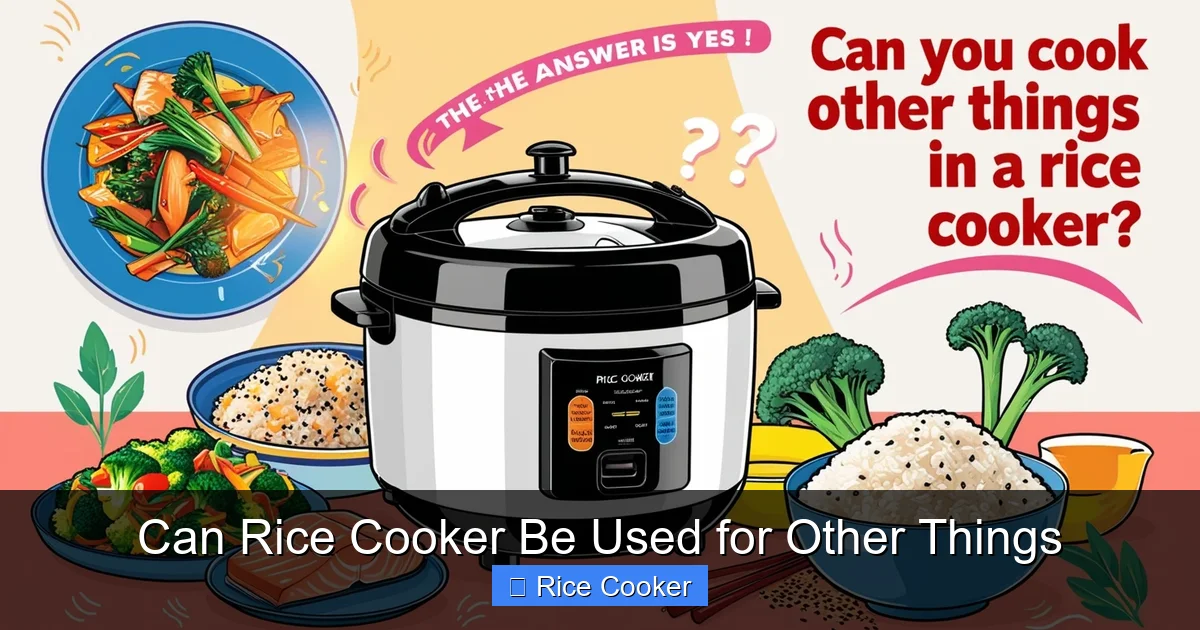
Let’s get real—you probably didn’t buy a rice cooker expecting to make chocolate cake or chili. But that’s exactly what’s possible. Here are some practical, everyday uses that go way beyond plain rice.
Visual guide about Can Rice Cooker Be Used for Other Things
Image source: toolsofkitchen.com
Steaming Vegetables Like a Pro
One of the easiest and healthiest ways to use your rice cooker is for steaming vegetables. Simply place a steamer basket (or even a colander) inside the inner pot, add water to the bottom, and toss in your favorite veggies. Broccoli, carrots, cauliflower, and Brussels sprouts all cook beautifully this way in under 10 minutes.
Pro tip: Add a splash of lemon juice or garlic to the water for extra flavor. You can also steam fish fillets or chicken breasts for a complete, healthy meal. Because the cooker keeps everything covered and humid, nutrients stay intact, and flavors stay fresh.
Making Soups and Stews Effortlessly
Did you know your rice cooker can replace your slow cooker for many recipes? Yes, really. Just add diced onions, carrots, celery, beans, and broth to the pot, along with your choice of protein. Close the lid, select the “slow cook” or “porridge” setting, and let it simmer for 6–8 hours. The result? Rich, flavorful soups and stews with minimal effort.
Popular recipes include lentil soup, chicken and vegetable stew, and even creamy tomato basil soup. Because the cooker maintains a low, steady heat, ingredients don’t scorch, and flavors meld beautifully. Plus, you can prep everything the night before and set the timer to start cooking when you wake up.
Baking Desserts and Breakfast Treats
This might sound surprising, but rice cookers are excellent for baking. The enclosed environment traps heat and moisture, creating a mini oven effect. You can make banana bread, muffins, even cheesecakes in your rice cooker with the right batter consistency.
Example: Mix mashed bananas, eggs, flour, sugar, and cinnamon, then pour into a greased insert. Set to “cook” mode for 35–40 minutes. The top will be golden, and the center will hold its shape—just like a conventional oven. No need for a separate baking dish or oven space.
Preparing Overnight Oats or Porridge
Overnight oats are a breakfast favorite—soft, creamy, and ready to eat when you are. But why stop there? You can make steel-cut oats, quinoa porridge, or even muesli in your rice cooker by adding the dry ingredients and liquid, then setting it to “porridge” mode overnight.
Additives like chia seeds, nuts, dried fruit, and honey can be stirred in after cooking. The result is a warm, comforting bowl of porridge that rivals café-style versions—without the hassle.
Creative Recipes to Try in Your Rice Cooker
Now that we’ve covered the basics, let’s dive into some fun, creative recipes that showcase your rice cooker’s full potential.
Chicken and Rice Casserole
This one-pan meal is perfect for busy weeknights. Brown chicken thighs in a bit of oil, then add rice, diced tomatoes, onion, garlic, and broth. Stir in frozen peas and corn. Cover and cook on “rice” mode until done—about 30–35 minutes. The result is juicy chicken and fluffy rice, all seasoned with herbs and spices.
Vegan Lentil Curry
For plant-based eaters, lentils cook quickly in the rice cooker and absorb incredible flavor. Combine red lentils, coconut milk, curry powder, ginger, and turmeric. Add diced potatoes and carrots. Cook on “rice” mode for 20 minutes, then stir in spinach until wilted. Serve over rice or quinoa.
Steamed Fish with Ginger and Soy
Place a piece of firm white fish (like cod or tilapia) in a greased dish. Top with sliced ginger, scallions, and soy sauce. Add water to the rice cooker pot, place the fish above it using a steamer rack. Steam for 12–15 minutes. The result is tender, aromatic fish—no stove needed.
Chocolate Mug Cake (Mini Version)
Mix ¼ cup flour, 2 tbsp sugar, 2 tbsp cocoa, ¼ tsp baking soda, a pinch of salt, and 3 tbsp milk. Pour into a greased insert. Cook on “cook” mode for 5–7 minutes. It won’t rise much, but it will be fudgy and delicious.
Tips for Maximizing Your Rice Cooker’s Potential
To get the most out of your rice cooker, keep these tips in mind.
- Use the right amount of water: Too much water ruins texture; too little risks burning. Follow recipe guidelines or experiment to find your preference.
- Don’t overcrowd the pot: Leave room for steam to circulate, especially when steaming multiple items.
- Clean the inner pot regularly: Sticky residues can affect future cooking. Most are non-stick and dishwasher-safe.
- Experiment with timers: Set it to cook during off-peak hours or overnight for convenience.
- Check your model’s manual: Not all rice cookers have the same functions. Knowing yours inside and out unlocks its true capabilities.
Common Misconceptions About Rice Cookers
There are a few myths about rice cookers that hold people back from exploring their full potential.
Myth 1: “Rice cookers only make rice.”
While rice is their original purpose, modern models are designed for versatility. Many come with steamers, yogurt makers, and slow-cook functions. Even basic models can handle a variety of moist-heat cooking tasks.
Myth 2: “It’s hard to clean after non-rice dishes.”
In reality, most rice cooker pots are non-stick and easy to wipe down. After cooking soups or stews, just rinse with warm soapy water. For baked goods, a quick soak in soapy water does the trick.
Myth 3: “You need special accessories.”
While optional accessories like steamer baskets enhance functionality, many recipes work just fine using common kitchen tools like bowls, cups, or even foil pouches.
Choosing the Right Rice Cooker for Multi-Purpose Cooking
If you’re shopping for a new rice cooker, look for models with multiple settings. Options like steam, slow cook, warm, and delay timer greatly expand usability. Pressure cookers with rice cooker modes are also gaining popularity for faster cooking times.
Consider capacity based on household size. A 5-cup model suits singles or couples, while families may prefer 8–10 cups. Digital displays and voice reminders add convenience, especially for beginners.
Brands like Zojirushi, Cuisinart, and Instant Pot offer reliable multi-function models. Read reviews focusing on versatility and ease of cleaning before purchasing.
Conclusion: Turn Your Rice Cooker Into a Kitchen Star
So, can rice cooker be used for other things? The answer is a resounding yes. This humble kitchen appliance is far more than a rice-making machine. With a little creativity, it can become your go-to tool for steaming, slow cooking, baking, and even reheating. It saves energy, reduces clutter, and simplifies meal prep.
Whether you’re a busy parent, a college student, or someone who loves experimenting in the kitchen, your rice cooker has untapped potential. Start small—try steaming vegetables or making overnight oats—and gradually explore more complex recipes. Before long, you’ll wonder how you ever lived without it.
Remember: the best kitchen tools aren’t always the fanciest. Sometimes, it’s the simplest ones—like a rice cooker—that do the most. So next time you reach for the rice, ask yourself: what else could I make here?
Frequently Asked Questions
Can a rice cooker replace a pressure cooker?
Not entirely. While both cook quickly, pressure cookers use high-pressure steam for faster results, especially with tough cuts of meat. Rice cookers use lower heat and are better suited for gentle cooking. However, some hybrid models combine both functions.
Is it safe to cook pasta in a rice cooker?
Yes, but not traditional boiled pasta. Use short-grain or risotto-style pasta, which absorbs liquid. Add pasta, broth, and seasonings. Cook until al dente—usually 15–20 minutes. Avoid long noodles, as they can clump.
Can you cook meat in a rice cooker?
Absolutely. Chicken, beef, pork, and fish all cook well. Brown meat first for flavor, then add broth or sauce. Slow-cooking meats for several hours results in tender, juicy dishes. Always ensure internal temperatures reach safe levels.
Do rice cookers use less electricity than ovens or stoves?
Yes, typically. Rice cookers consume about 300–500 watts, much less than an oven (1,500+ watts). Their efficient design makes them ideal for small batches and energy-conscious cooking.
Can you make yogurt in a rice cooker?
Yes, if your model has a yogurt function. Otherwise, use the “warm” setting. Heat milk to 180°F, cool it, add starter culture, and let it ferment for 8–12 hours. Keep the lid closed to maintain warmth.
What should I avoid cooking in my rice cooker?
Avoid dry-heat dishes like roasted nuts or crispy snacks—they won’t brown properly. Also, skip very thick sauces that may burn, and don’t use metal utensils that can scratch non-stick surfaces.