
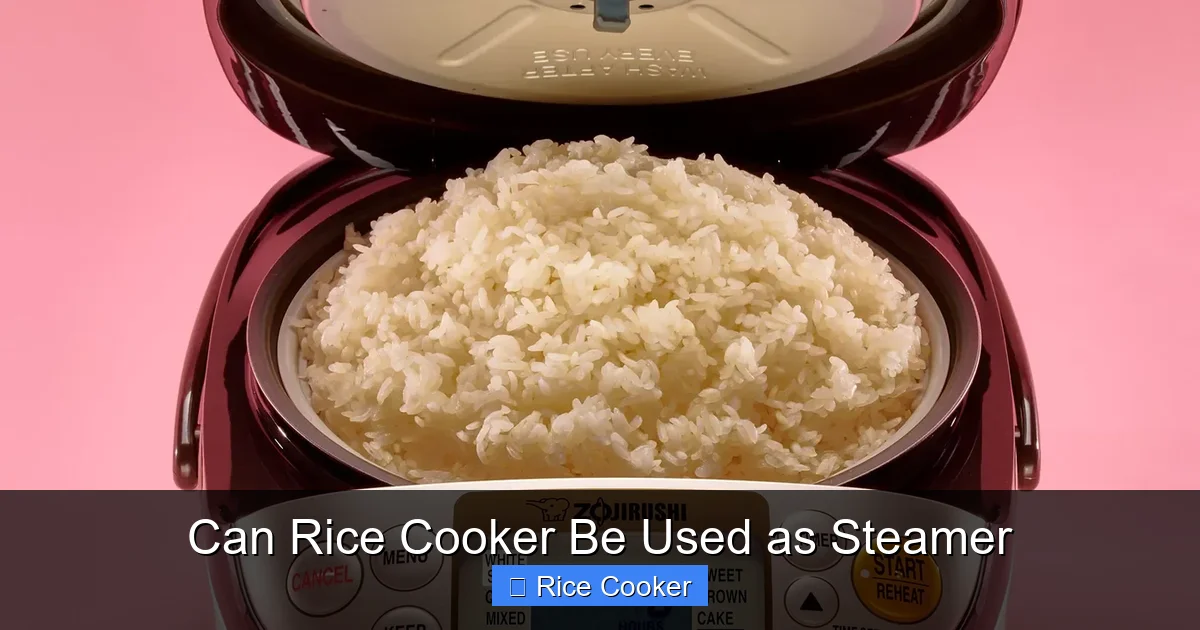
Yes, most modern rice cookers can be used as steamers, making them versatile kitchen tools. With the right accessories or techniques, you can steam vegetables, fish, dumplings, and more—saving time and effort. This guide covers everything you need to know about steaming with a rice cooker, from safety tips to creative recipes.
Key Takeaways
- Most rice cookers support steaming functionality – Look for models with a dedicated steam tray or the ability to produce consistent steam.
- You can steam a variety of foods – From delicate greens to protein-rich dishes like fish or chicken, steaming preserves nutrients and flavor.
- Proper water levels are crucial – Always use enough water to generate steam without running dry during cooking.
- Accessories make all the difference – A steamer basket insert or trivet helps keep food elevated above boiling water.
- Cleaning and maintenance matter – Steam residue can build up; regular cleaning prevents odor and extends appliance life.
- Not all rice cookers are created equal – Some older or budget models lack sufficient power or design features for effective steaming.
- Time management is key – Steaming usually takes less time than boiling; plan accordingly to avoid overcooking.
📑 Table of Contents
- Can Rice Cooker Be Used as Steamer? The Complete Guide
- How Does Steaming Work in a Rice Cooker?
- What Can You Steam in a Rice Cooker?
- Choosing the Right Rice Cooker for Steaming
- Step-by-Step Guide: How to Steam Food in Your Rice Cooker
- Tips for Perfect Steamed Dishes Every Time
- Common Mistakes to Avoid
- Maintenance and Cleaning After Steaming
- Creative Recipe Ideas Using Your Rice Cooker as a Steamer
- Final Thoughts: Is It Worth It?
Can Rice Cooker Be Used as Steamer? The Complete Guide
Have you ever stood over a pot of boiling water, wondering if there’s a simpler way to cook healthy meals? Or maybe you’ve bought a rice cooker thinking it only makes fluffy grains—only to realize your appliance might do so much more. The truth? Many rice cookers can absolutely double as steamers, offering a convenient, energy-efficient method to prepare everything from tender broccoli to succulent fish fillets. In this article, we’ll explore exactly how to use your rice cooker for steaming, what models work best, and practical tips to get the most out of this clever kitchen trick.
Steaming is one of the healthiest cooking methods around. It locks in vitamins, keeps flavors light, and requires no added fat. But traditionally, steaming means using a separate steamer basket on top of a pot of water. That’s where rice cookers shine: they already generate steady heat and often include built-in steam trays or can create their own steam through internal mechanisms. Plus, once your food steams perfectly, you still have the option to switch back to rice mode if needed. So yes—your rice cooker isn’t just for rice anymore!
How Does Steaming Work in a Rice Cooker?
Understanding the science behind steaming helps explain why it works so well—and why your rice cooker is such a great vessel for it.
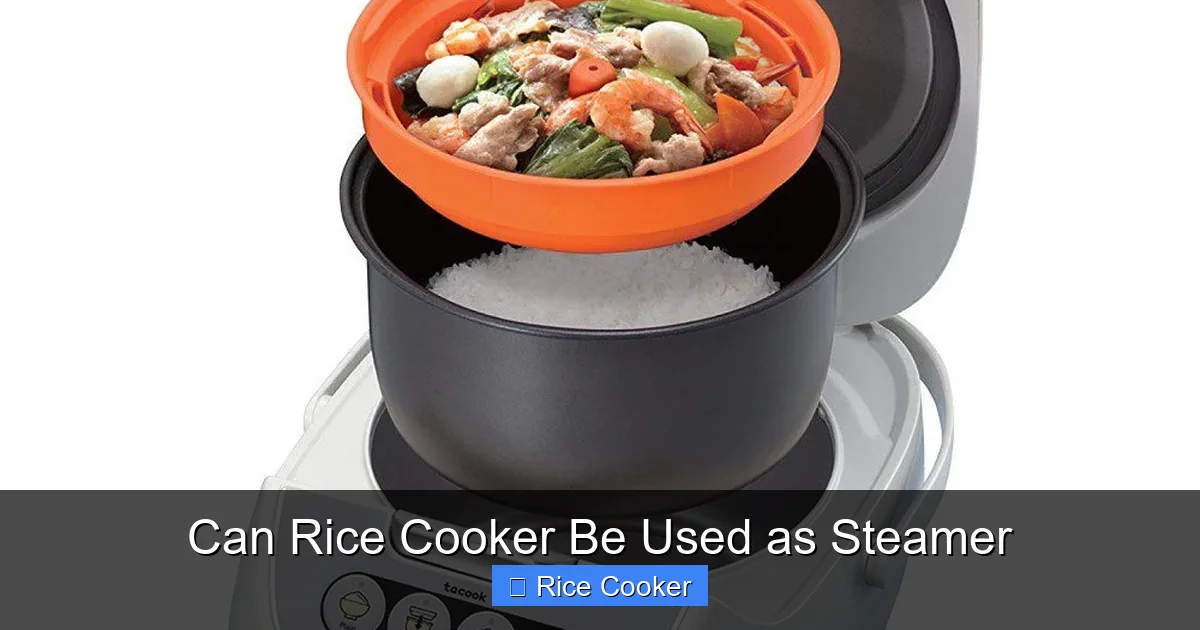
Visual guide about Can Rice Cooker Be Used as Steamer
Image source: threetwohome.com
The Science Behind Steam Cooking
Steam cooking involves transferring heat through water vapor rather than direct contact with hot surfaces. When water boils, it turns into steam, which carries latent heat energy. This gentle heat cooks food evenly without drying it out or breaking down delicate textures. Unlike frying or roasting, steaming preserves moisture, color, and nutritional value—especially important for leafy greens, seafood, and proteins like tofu or eggs.
Rice Cooker Steam Mechanism
In traditional rice cookers, a small amount of water is heated until it evaporates, creating steam that circulates inside the cooking chamber. Modern models often feature a separate steam tray positioned above the inner pot, allowing food to sit above the boiling water without touching it. Some advanced units even monitor humidity levels to maintain optimal steaming conditions automatically.
Why Rice Cookers Are Ideal for Steaming
- Consistent Temperature Control: Most rice cookers maintain precise temperatures between 100°C and 120°C (212°F–248°F), ideal for gentle steaming.
- Self-Contained System: No extra pots or baskets needed—everything happens in one appliance.
- Energy Efficient: Uses less electricity than stovetop steamers since it doesn’t require open flames.
- Multi-Functionality: You can steam while the main compartment cooks rice, soups, or stews simultaneously.
What Can You Steam in a Rice Cooker?
The versatility of steaming opens up endless possibilities—but not all foods are created equal when it comes to rice cooker compatibility.
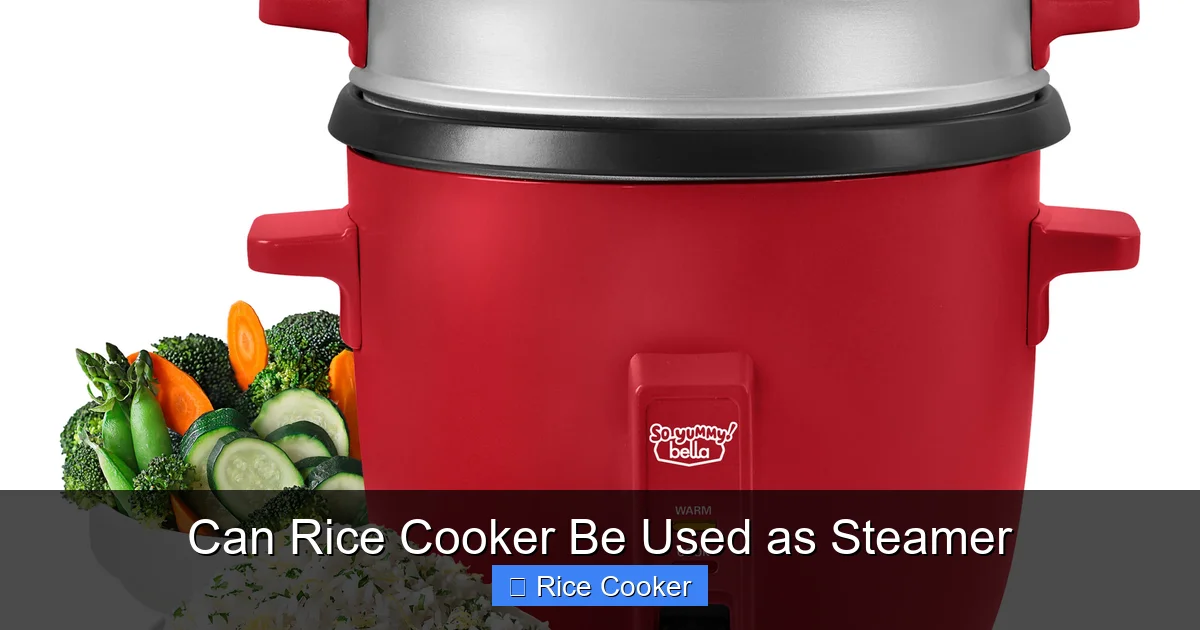
Visual guide about Can Rice Cooker Be Used as Steamer
Image source: soyummy.com
Veggies That Shine Under Steam
Broccoli, carrots, asparagus, green beans, zucchini, and bok choy all respond beautifully to quick steaming. Just cut them uniformly, place in a lined steamer basket, and cook for 5–10 minutes depending on thickness. Steamed veggies retain their vibrant color and crisp-tender texture—perfect for salads, stir-fries, or side dishes.
Seafood Delicacies
Fish like salmon, cod, tilapia, and shrimp cook quickly under steam. Season simply with lemon, herbs, or soy sauce, then steam for 6–8 minutes until flakes easily. For added flavor, toss in aromatics like ginger slices or scallions before covering.
Eggs and Tofu
Soft-boiled eggs or silken tofu can be gently steamed for silky-smooth results. Use a heat-safe container placed in the steam tray, add a splash of broth or water, and cover tightly with foil or a lid. Steam for 15–20 minutes for custard-like textures.
Dumplings and Buns
If you’re craving Chinese-style steamed buns (baozi) or dumplings, your rice cooker can handle them! Line the steamer basket with parchment, arrange uncooked dumplings evenly, and steam for 12–15 minutes. Avoid overcrowding to ensure even heat distribution.
Fruits and Desserts
Apples, pears, or peaches can be poached in spiced syrup using the steaming function. For dessert, try steaming puddings or fruit compotes—just ensure the water doesn’t touch the bottom of the container.
Choosing the Right Rice Cooker for Steaming
Not every rice cooker is designed with steaming in mind. Here’s how to pick one that delivers reliable results.
Look for Built-In Steam Trays
The easiest way to steam? Choose a model with a removable or fixed steam tray included. Brands like Zojirushi, Panasonic, and Instant Pot offer excellent options with multi-tier setups that let you cook rice and steam veggies at the same time.
Check Power Output
A minimum of 300 watts is recommended for effective steaming. Lower-powered models may struggle to sustain consistent steam, especially in colder environments.
Consider Smart Features
Some high-end rice cookers come with pre-programmed “steaming” settings that adjust timing and temperature automatically. These are especially helpful if you’re new to steaming or want foolproof results.
Budget vs. Performance
Entry-level rice cookers may claim steaming capability, but they often lack durability and precision. If you plan to steam regularly, investing in a mid-range model ($60–$150) pays off in performance and longevity.
Size Matters
Large families benefit from bigger cookers (10-cup capacity or more), but even small 3-cup models work great for single servings. Just remember that larger batches may require longer steaming times.
Step-by-Step Guide: How to Steam Food in Your Rice Cooker
Ready to give it a try? Follow these simple steps for perfect steamed dishes every time.
Gather Your Supplies
- Your rice cooker with steam tray (or a compatible steamer basket)
- Fresh or frozen produce, seafood, or other ingredients
- Liquid (water, broth, or juice) – at least ½ cup
- Heat-resistant container or lined steamer basket
- Optional: seasonings, aromatics, or cooking oil spray
Prepare the Inner Pot
Add ½ to 1 cup of water to the inner pot of your rice cooker. Too little water won’t create enough steam; too much risks overflow. For sensitive items like eggs, use a bit more liquid to prevent scorching.
Set Up the Steamer Basket
Place your steamer basket inside the pot, ensuring it sits above the water level. If your model doesn’t include one, purchase a stainless steel or bamboo steamer insert that fits snugly.
Arrange Your Food
Distribute ingredients evenly across the basket. Don’t stack too many layers—airflow is essential for even cooking. Cover loosely with a lid or aluminum foil to trap steam.
Start Steaming
Close the rice cooker lid securely and turn it on. Let it reach full steam before timing begins. For most foods, start checking around 5–7 minutes and adjust as needed.
Monitor and Test
Use tongs or a fork to test doneness. Veggies should be bright and slightly tender; fish should flake apart; eggs should jiggle softly. Avoid opening the lid frequently—it releases precious steam!
Cool Down Safely
Once done, remove the basket carefully (steam burns are real!). Let food rest for 1–2 minutes before serving. Wipe down the inner pot and clean the steamer basket immediately to prevent residue buildup.
Tips for Perfect Steamed Dishes Every Time
Even with the right technique, small details make a big difference in taste and texture.
Use Fresh Ingredients
Frozen vegetables can work, but they release extra water and extend cooking time. Whenever possible, opt for fresh, seasonal produce.
Season Before Steaming
Add salt, pepper, garlic, or herbs to the food itself rather than the water—this prevents over-salting or bitter flavors from seeping in.
Prevent Overflow
If using broth or sugary liquids, line the inner pot with parchment paper to catch any splatters. Also, never fill the pot beyond halfway.
Rotate for Even Cooking
For large batches, rotate the steamer basket halfway through cooking to ensure uniform exposure to steam.
Don’t Overcrowd
Give each ingredient room to breathe. Crowding blocks airflow and leads to uneven results.
Keep It Clean
Wipe the exterior and interior of the rice cooker after each use. Remove mineral deposits regularly to maintain efficiency and prevent odors.
Experiment with Recipes
Try steaming sweet potatoes, corn on the cob, or even oatmeal overnight in the morning. The possibilities are endless!
Common Mistakes to Avoid
Learning from others’ errors saves time and frustration.
Using Too Little Water
This is the #1 cause of failed steaming. Without adequate water, your rice cooker won’t produce enough steam to cook food properly.
Ignoring Manufacturer Guidelines
Always consult your user manual for specific instructions. Some models have unique steaming protocols or safety limits.
Opening the Lid Frequently
Each time you lift the lid, you lose heat and steam. Plan ahead so you only check once near the end.
Sticking Food Directly to the Pot
Never place food directly in the water or on the heating element. Always use a container or basket to elevate it.
Skipping Preheating
Letting the rice cooker reach full steam before adding food ensures consistent results—don’t rush the process!
Maintenance and Cleaning After Steaming
Keeping your rice cooker clean ensures safe, hygienic operation and extends its lifespan.
Immediate Wiping
After steaming, wipe the inner pot, steam tray, and lid with warm, soapy water. Avoid abrasive scrubbers that scratch non-stick coatings.
Descale Regularly
Hard water leaves mineral buildup that affects performance. Use vinegar or a commercial descaler monthly to remove limescale.
Inspect Seals and Gaskets
Check rubber seals around the lid for cracks or wear. Damaged gaskets compromise steam containment and increase fire risk.
Store Properly
Once fully dry, store the rice cooker with the lid slightly ajar to prevent mold or musty smells.
Deep Clean Monthly
Remove all detachable parts and soak them in warm water with dish soap. Scrub stubborn residues gently with a soft brush.
Creative Recipe Ideas Using Your Rice Cooker as a Steamer
Let inspiration strike with these easy, delicious ideas.
Honey-Glazed Carrots
Slice carrots thinly, place in a steamer basket with 1 tbsp honey and 1 tsp olive oil. Steam for 8 minutes until tender-crisp. Garnish with sesame seeds.
Lemon Herb Salmon
Season salmon fillets with lemon zest, dill, salt, and pepper. Steam for 7 minutes until opaque. Serve with steamed asparagus.
Steamed Dumplings
Arrange frozen potstickers in a single layer. Add ¼ cup water, cover, and steam for 12 minutes. Brush with soy-ginger glaze before serving.
Poached Eggs in Broth
Crumble spinach into a bowl, pour in chicken broth, place over eggs, and steam for 15 minutes. Top with crumbled feta.
Apple Compote
Cored apples with cinnamon stick, steam with apple cider for 10 minutes. Serve warm with yogurt.
Final Thoughts: Is It Worth It?
So, can rice cooker be used as steamer? Absolutely—and it’s a game-changer for busy households, health-conscious eaters, and anyone who loves quick, nutritious meals. While not every model performs equally, the right rice cooker offers unmatched convenience, speed, and versatility. Whether you’re whipping up weekday dinners or weekend feasts, mastering this dual-function trick saves counter space, reduces cleanup, and boosts your culinary creativity.
Just remember: success depends on choosing the right appliance, following basic guidelines, and practicing a little patience. With time, you’ll find your sweet spot for timing, water levels, and ingredient prep. And soon, steaming will feel as natural as pressing “cook” on your favorite grain.
Frequently Asked Questions
Can all rice cookers be used as steamers?
No, only rice cookers with built-in steam trays or sufficient power (300+ watts) can effectively steam food. Older or low-wattage models may not generate enough steam.
Do I need a special steamer basket for my rice cooker?
While some models include one, you can use a compatible stainless steel or bamboo steamer basket. Ensure it fits securely and sits above the water line.
How long does it take to steam vegetables in a rice cooker?
Most vegetables take 5–10 minutes. Delicate greens like spinach cook faster (3–5 min); thicker carrots or broccoli may need up to 10 minutes.
Can I steam meat in a rice cooker?
Yes, but poultry or pork require longer steaming times (15–25 minutes) and should be cooked to safe internal temperatures. Fish cooks much faster—about 6–8 minutes.
Is it safe to leave food unattended while steaming?
Generally yes, since rice cookers auto-shut off. However, always follow recommended cooking times and check periodically to avoid overcooking or dry-out.
Can I steam rice and other food at the same time?
Only if your model has multiple compartments or a large enough steam tray. Otherwise, steaming typically replaces rice cooking unless you’re using a dual-decker setup.