
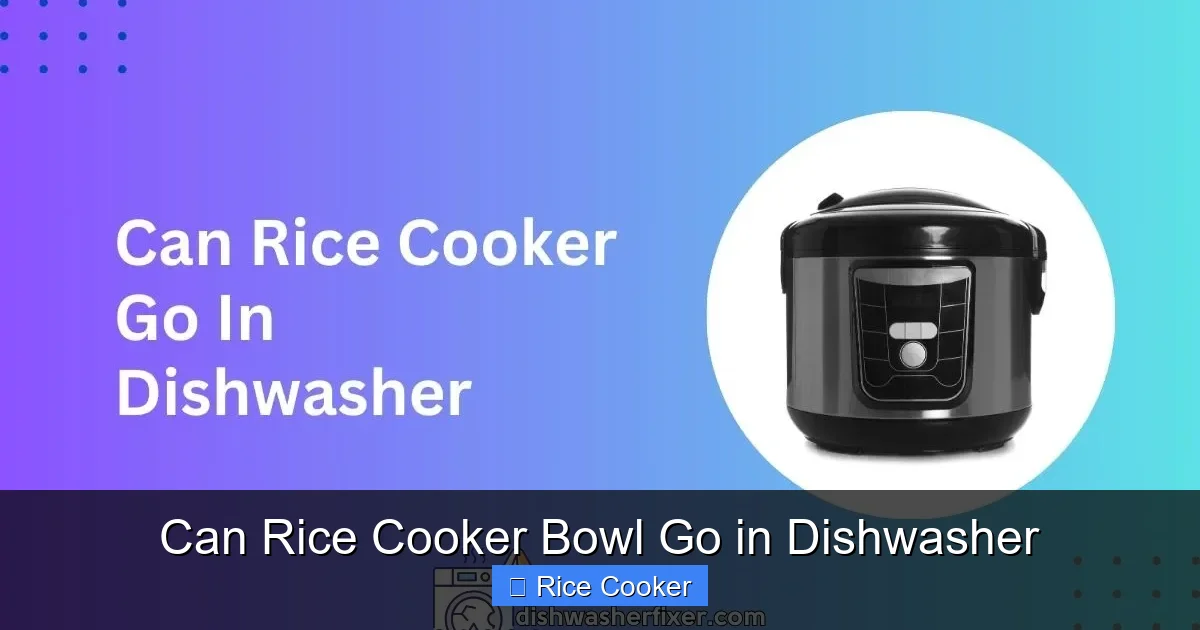
Yes, most rice cooker bowls can go in the dishwasher—but not all. The key is knowing your bowl’s material and manufacturer instructions. Using the dishwasher incorrectly can warp or damage your bowl, leading to leaks or poor performance. Always check labels, avoid high heat, and prioritize hand washing for delicate parts. With a few smart tips, you can keep your rice cooker clean, safe, and long-lasting.
Key Takeaways
- Material matters: Stainless steel, ceramic, and some plastic bowls are dishwasher-safe, but non-stick coatings and certain plastics may degrade.
- Check the manual: Manufacturer guidelines always override general advice—some brands explicitly warn against dishwasher use.
- Use gentle cycles: Opt for short, low-heat cycles to reduce wear on sensitive materials and prolong bowl life.
- Hand wash delicate parts: Non-stick surfaces, lids, and silicone components should usually be washed by hand to prevent coating damage.
- Inspect regularly: Look for warping, discoloration, or cracks after dishwashing—signs that your bowl needs replacement.
- Clean promptly: Don’t let rice or starch dry inside; rinse immediately to avoid stubborn residue that dishwashers can’t fully remove.
- Consider eco-friendly options: Reusable dishwasher-safe mats or steamers can help protect your bowl while keeping things green.
📑 Table of Contents
- Can Rice Cooker Bowl Go in Dishwasher?
- Understanding Your Rice Cooker Bowl Materials
- How to Tell if Your Bowl Is Dishwasher Safe
- What Happens When You Put a Rice Cooker Bowl in the Dishwasher?
- Safe Dishwasher Practices for Rice Cooker Bowls
- When to Hand Wash Your Rice Cooker Bowl
- Common Mistakes to Avoid
- Signs Your Rice Cooker Bowl Needs Replacement
- Eco-Friendly and Budget-Friendly Cleaning Tips
- Conclusion: Make an Informed Choice
Can Rice Cooker Bowl Go in Dishwasher?
You just finished cooking a perfect pot of jasmine rice, savoring every grain. Now comes the part no one looks forward to: cleaning up. That glossy, smooth bowl—so essential to your daily meals—can feel like a chore if you’re not sure how to care for it. One question keeps popping up: can rice cooker bowl go in the dishwasher? It seems convenient, right? Just pop it in with the rest of the dirty dishes and let the machine do the work. But before you load it up, let’s dig into what really happens when you put a rice cooker bowl in the dishwasher—and whether it’s safe or not.
Most modern rice cookers come with removable inner bowls designed for easy cleaning. These bowls are often made from stainless steel, ceramic, or high-quality plastic. Some even feature non-stick coatings to prevent rice from sticking. While these materials are durable, they’re not all created equal when exposed to dishwasher conditions. High heat, harsh detergents, and strong water pressure can affect different materials in surprising ways. So, the short answer? It depends. Let’s explore why, how to tell what’s safe, and what to do if you’ve already made a mistake.
Understanding Your Rice Cooker Bowl Materials
Before deciding whether to toss your rice cooker bowl into the dishwasher, it helps to know what it’s made of. The material plays a huge role in determining its dishwasher compatibility. Let’s break down the most common types you’ll find.
Visual guide about Can Rice Cooker Bowl Go in Dishwasher
Image source: dishwasherfixer.com
Stainless Steel Bowls
Stainless steel is the gold standard for kitchenware. It’s tough, rust-resistant, and holds up well under heat and moisture. Most rice cooker bowls made from stainless steel are fully dishwasher-safe. The dishwasher’s hot water and detergent won’t harm the metal, and it dries quickly without leaving water spots.
However, there’s a catch: if your stainless steel bowl has a decorative finish or enamel coating, those can chip or fade in the dishwasher. Always look for markings like “dishwasher-safe” or check the user manual. For example, the Zojirushi NS-ZCC18 model uses a stainless steel bowl that’s safe for top-rack dishwashers—but only if the coating is intact.
Ceramic Bowls
Ceramic rice cooker bowls are popular for their even heat distribution and elegant look. Many ceramic bowls are microwave and oven-safe, but not all are dishwasher-safe. The glaze on ceramic can crack or peel under prolonged exposure to high heat and strong detergents.
If your ceramic bowl has a label saying “dishwasher safe,” you’re good to go—just place it on the top rack to avoid direct spray from the upper jets. But if it’s unmarked or labeled “hand wash only,” resist the urge to run it through the cycle. A cracked ceramic bowl can harbor bacteria and lose its non-stick properties over time.
Plastic Bowls (BPA-Free)
Some newer rice cookers use BPA-free plastic bowls to reduce weight and cost. These are lightweight and great for travel models, but plastic is tricky in the dishwasher. High heat can warp plastic, causing the bowl to lose its shape and seal properly.
Look for plastic bowls marked “top-rack safe” or “dishwasher safe.” Even then, use caution. Avoid placing plastic bowls near heating elements or using heavy-duty detergents. Over time, repeated dishwasher cycles can cause yellowing or brittleness. If your plastic bowl starts to warp or smell off, it’s time to replace it—even if it’s still usable otherwise.
Non-Stick Coated Bowls
This is where things get delicate. Non-stick coatings, like Teflon, are amazing for preventing rice from sticking—but they’re also vulnerable to damage. Dishwashers are notorious for stripping away non-stick surfaces, especially when abrasive sponges or harsh detergents are used.
Most manufacturers strongly recommend hand washing non-stick rice cooker bowls. Even if the bowl says “dishwasher safe,” it’s risky. The high heat can soften the coating, and the spray jets might scratch it unevenly. Instead, use warm soapy water and a soft sponge. This preserves the non-stick layer and ensures your rice never sticks again.
How to Tell if Your Bowl Is Dishwasher Safe
So, how do you know for sure? There are several clues to look for before loading your rice cooker bowl into the dishwasher.
Visual guide about Can Rice Cooker Bowl Go in Dishwasher
Image source: dishwasherfixer.com
Check the Label or Sticker
Look closely at your bowl. Many brands print a small label or sticker inside or on the base that says “Dishwasher Safe” or “Not Dishwasher Safe.” For example, Instant Pot bowls often have this marking. If you see it, follow the instruction—no guessing required.
Read the Manual
The user manual is your best friend. It contains specific cleaning instructions for your model. Some brands, like Cuckoo or Panasonic, explicitly state that their bowls should only be hand-washed to preserve seals and coatings. Ignoring the manual can void your warranty or damage the product.
Observe the Design
If your bowl has rubber seals, silicone gaskets, or decorative elements, those are likely not dishwasher-safe. Rubber can degrade, silicone can melt, and paint can flake off. In such cases, hand washing is the safest bet.
Test It (Safely)
You can do a simple test: run a cold water rinse through the dishwasher cycle without detergent. Place the bowl on the top rack and run it for 5 minutes. Afterward, inspect the bowl for warping, discoloration, or odor. If nothing changes, it’s probably safe—but this doesn’t guarantee long-term safety. When in doubt, don’t risk it.
What Happens When You Put a Rice Cooker Bowl in the Dishwasher?
Let’s say you’ve decided to try the dishwasher route. What actually happens during a typical cycle?
Heat Exposure
Modern dishwashers reach temperatures between 130°F and 160°F during the wash cycle. For stainless steel or ceramic, this is fine. But for plastic or coated bowls, sustained heat can cause warping or softening. Plastics expand when heated, and if they’re not rigid enough, they can lose their shape permanently.
Chemical Interaction
Dishwasher detergents contain surfactants, enzymes, and bleach. These break down food residue effectively—but they can also react with certain materials. For instance, bleach can weaken plastic over time, while enzymes might degrade rubber seals. Non-stick coatings can absorb detergent molecules, reducing their effectiveness.
Mechanical Stress
The dishwasher spray arms blast water at high pressure from multiple angles. This constant jetting can loosen small parts or scratch surfaces. If your bowl has ridges, handles, or intricate designs, these areas are prone to damage from direct spray.
Water Residue
Even with a dry cycle, some water remains in corners or crevices. Over time, mineral deposits can build up, especially in hard water areas. This affects heat transfer and can lead to scorching or uneven cooking.
In short, while one dishwasher cycle might seem harmless, repeated exposure increases the risk of cumulative damage. That’s why many experts recommend hand washing for longevity.
Safe Dishwasher Practices for Rice Cooker Bowls
If you’re set on using the dishwasher—and your bowl is approved—follow these tips to minimize risks.
Use the Top Rack Only
Always place the bowl on the top rack, away from the heating element and lower spray jets. This reduces direct exposure to heat and water pressure. Top racks are gentler, making them ideal for delicate items.
Choose Gentle Cycles
Select “Eco” or “Normal” cycles instead of “Heavy” or “Sanitize.” These use less heat and shorter durations. Avoid high-temperature sanitizing cycles, which can exceed 170°F and damage plastics or coatings.
Skip Harsh Detergents
Use mild, phosphate-free detergents. Avoid powdered detergents with built-in scrubbers, as they can be too abrasive. Liquid detergents are generally safer for coated surfaces.
Rinse Before Loading
Pre-rinse the bowl to remove loose rice and starch. This prevents clogging the dishwasher filter and reduces the need for aggressive scrubbing later. Plus, fresh residue cleans better than dried-on gunk.
Avoid Abrasive Tools
Never use steel wool or stiff brushes in the dishwasher. Even if the bowl survives the cycle, these tools can leave micro-scratches that trap bacteria. Stick to soft sponges or brushes.
Air Dry When Possible
If your dishwasher has an air-dry option, use it. Heat drying can accelerate wear on plastics and coatings. Air drying is gentler and helps prevent warping.
When to Hand Wash Your Rice Cooker Bowl
Despite all the convenience, hand washing is still the recommended method for most rice cooker bowls—especially non-stick ones. Here’s why.
Preserves Non-Stick Surfaces
Hand washing with warm, soapy water and a soft cloth maintains the integrity of non-stick coatings. You avoid the heat and abrasion that dishwashers bring. This means your bowl stays smooth and effective for years.
Prevents Warping
Plastic and rubber parts are more stable in warm water than in boiling dishwasher cycles. Hand washing keeps them flexible and functional.
Reduces Chemical Exposure
Without detergent fumes and residues, your bowl doesn’t absorb harmful chemicals. This is better for both the material and your health, especially if you reheat food in the bowl later.
Gentler on Decorative Elements
Enamel, paint, or metallic finishes can fade or chip in the dishwasher. Hand washing protects the appearance and extends the bowl’s lifespan.
Quick and Effective
Most rice cooker bowls are small and easy to clean by hand. A quick soak in warm water with a drop of dish soap does the trick. No need to wait for the full cycle.
In fact, many chefs and home cooks prefer hand washing for precision. You can spot tiny scratches, cracks, or residue that the dishwasher might miss. It’s a small effort for a big payoff in cleanliness and longevity.
Common Mistakes to Avoid
Even experienced cooks make mistakes when cleaning their rice cooker bowls. Let’s look at the most common ones—and how to avoid them.
Putting Non-Stick Bowls in the Dishwasher
This is the #1 mistake. Non-stick coatings break down under heat and detergent. Once damaged, they can flake into your food and lose their effectiveness. Always hand wash non-stick bowls.
Using Harsh Cleaners
Abrasive powders, bleach, or vinegar can etch or discolor your bowl. Stick to mild, pH-neutral cleaners.
Skipping Immediate Cleaning
Leaving rice to dry overnight makes it harder to clean. Starchy residue bonds to the surface and becomes nearly impossible to remove. Rinse immediately after use.
Ignoring Manufacturer Warnings
If your manual says “Do Not Use Dishwasher,” don’t ignore it. Warranties often require adherence to care instructions.
Overloading the Dishwasher
Placing heavy pots on top of your rice cooker bowl can dent it. Keep delicate items separate.
Using Hot Water Immediately
While soaking is okay, pouring boiling water directly onto a cold bowl can cause thermal shock and cracking—especially in ceramic.
Signs Your Rice Cooker Bowl Needs Replacement
Even with careful cleaning, rice cooker bowls don’t last forever. Watch for these signs that it’s time to retire the old bowl and get a new one.
Pitting or Scratches
Deep scratches or pitting reduce heat distribution and can trap bacteria. Non-stick bowls with visible damage should be replaced.
Warping or Deformation
If the bowl no longer sits flat in the cooker, the seal may be compromised. This leads to steam leaks and inefficient cooking.
Discoloration or Odor
Persistent stains or smells that won’t go away indicate material breakdown. This can affect food taste and safety.
Loose or Damaged Seals
Rubber gaskets that crack or become brittle allow steam to escape. This reduces cooking efficiency and can damage the base.
Cracks or Chips
Any crack in ceramic or plastic is a contamination risk. Bacteria can grow deep inside, and sharp edges pose injury hazards.
Loss of Non-Stick Properties
If rice starts sticking despite proper cleaning, the coating is likely worn out. Replace it to restore performance.
Replacing your bowl is a small investment compared to buying a new rice cooker. Many brands sell compatible replacement bowls online or at appliance stores.
Eco-Friendly and Budget-Friendly Cleaning Tips
Want to keep your rice cooker bowl clean without wasting water or energy? Try these sustainable methods.
Baking Soda Paste
Make a paste with baking soda and water. Apply it to stained areas, let it sit for 10 minutes, then scrub gently. It’s non-toxic and effective on most surfaces.
Vinegar Soak
For mineral buildup, soak the bowl in white vinegar for 30 minutes. Then rinse thoroughly. Vinegar breaks down limescale naturally.
Steam Cleaning
Instead of soaking, use steam from your rice cooker itself. Run a cycle with just water, then wipe the bowl clean. This saves water and removes residue.
Reusable Cleaning Mats
Place a silicone mat under the bowl during cooking to prevent splatters. These are dishwasher-safe and reusable, reducing the need for frequent deep cleaning.
Microfiber Cloths
Use a damp microfiber cloth to wipe the bowl after each use. It picks up residue without scratching and can be washed separately.
These small changes add up. You save money, protect the environment, and keep your rice cooker in top shape.
Conclusion: Make an Informed Choice
So, can rice cooker bowl go in dishwasher? The answer isn’t black and white. It depends on the material, the brand, and how you care for it. Stainless steel and some ceramics are usually safe, but non-stick and plastic bowls often require hand washing. Always check your manual, listen to your bowl, and err on the side of caution.
The convenience of the dishwasher is tempting—but it’s worth asking: is it worth risking your bowl’s longevity for a few minutes of saved effort? In most cases, the answer is no. Hand washing takes seconds, preserves your investment, and ensures your rice cooker performs at its best.
By understanding your bowl’s material, following safe practices, and avoiding common mistakes, you’ll keep your rice cooker clean, efficient, and ready for countless meals. And who knows? You might even enjoy cleaning it more than you thought.
Frequently Asked Questions
Can all rice cooker bowls go in the dishwasher?
No, only bowls made of dishwasher-safe materials like stainless steel or marked ceramic should go in the dishwasher. Non-stick and plastic bowls are usually not safe due to heat sensitivity and coating damage.
Is it bad to put a non-stick rice cooker bowl in the dishwasher?
Yes, it can strip the non-stick coating, cause warping, and reduce the bowl’s effectiveness. Most manufacturers recommend hand washing to preserve the surface.
How can I tell if my rice cooker bowl is dishwasher safe?
Check for labels, consult the user manual, or look for design features like rubber seals that suggest hand washing. When in doubt, assume it’s not safe.
Can I put the lid in the dishwasher?
Only if the lid is made of dishwasher-safe materials and has no rubber or silicone parts. Otherwise, hand wash it to protect seals and coatings.
What should I do if my rice cooker bowl warped after dishwasher use?
Stop using the dishwasher for it immediately. If it no longer fits properly, replace the bowl. Continued use can damage the cooker base and reduce performance.
Are there any benefits to using the dishwasher for rice cooker bowls?
Convenience and faster cleaning time are the main benefits. However, these must be weighed against potential long-term damage to the bowl and cooker.