
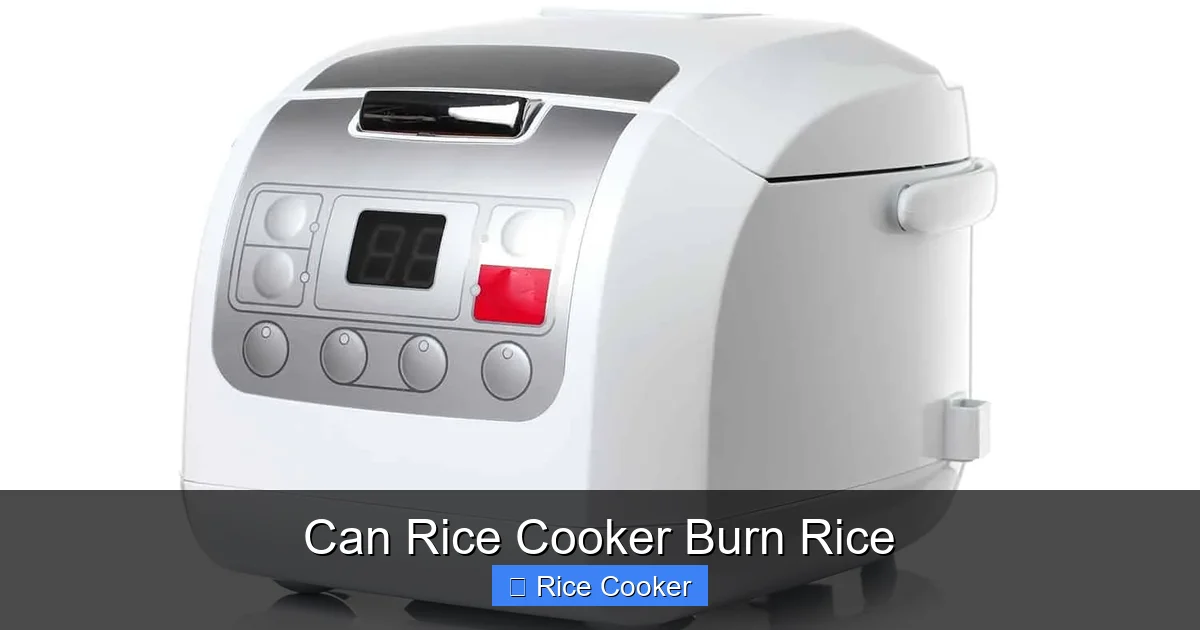
Yes, a rice cooker can definitely burn rice, but it’s usually due to user error or equipment issues—not the appliance itself. Understanding why this happens and how to fix it can save you from wasted ingredients and ruined meals. With the right water-to-rice ratio, clean settings, and proper maintenance, your rice cooker will cook perfect, fluffy rice every time.
Key Takeaways
- Burned rice in a rice cooker is rare but possible: Unlike stovetop cooking, rice cookers are designed to shut off automatically, so burning typically results from overheating, low water, or malfunctioning parts.
- Common causes include incorrect ratios and buildup: Too little water, old or clogged inner pots, or mineral deposits can lead to scorching and burning.
- Cleaning prevents burning: Regularly cleaning the heating plate and inner pot removes residue that interferes with heat distribution.
- Quality matters: Lower-end models may lack precise temperature control, increasing the risk of burning compared to premium brands.
- Preventive measures work: Soaking rice, using the right amount of water, and avoiding high heat settings can eliminate most burning issues.
- Troubleshooting steps are simple: From checking water levels to inspecting heating elements, small fixes often solve the problem quickly.
- Know when to replace your rice cooker: Persistent burning despite correct use may signal a failing heating element or timer mechanism.
📑 Table of Contents
Can Rice Cooker Burn Rice?
Imagine opening your rice cooker after a perfectly timed 20-minute cycle, only to be greeted by a smoky, bitter smell and blackened rice clinging stubbornly to the bottom of the pot. If this sounds familiar, you’re not alone. While rice cookers are celebrated for their convenience and consistency, the question remains: can a rice cooker actually burn rice?
The short answer is yes—rice cookers can burn rice, though it’s far less common than on the stove. Most modern rice cookers are engineered to detect when the water has been absorbed and automatically switch to a “keep warm” mode, preventing overcooking. However, several factors can interfere with this process, leading to scorched or burnt grains. Whether it’s a miscalculation in water quantity, a buildup of carbonized starch, or a mechanical fault, understanding the causes and solutions empowers you to avoid this kitchen mishap.
In this comprehensive guide, we’ll explore every angle of rice cooker burning—from the science behind why it happens to practical steps for prevention and cleanup. You’ll also learn how to distinguish between normal browning (which isn’t harmful) and actual burning, how to troubleshoot common problems, and when it might be time to retire an older model. By the end, you’ll have all the knowledge needed to ensure your next bowl of rice is light, fluffy, and delicious—no smoke involved.
Why Rice Cookers Are Designed to Prevent Burning
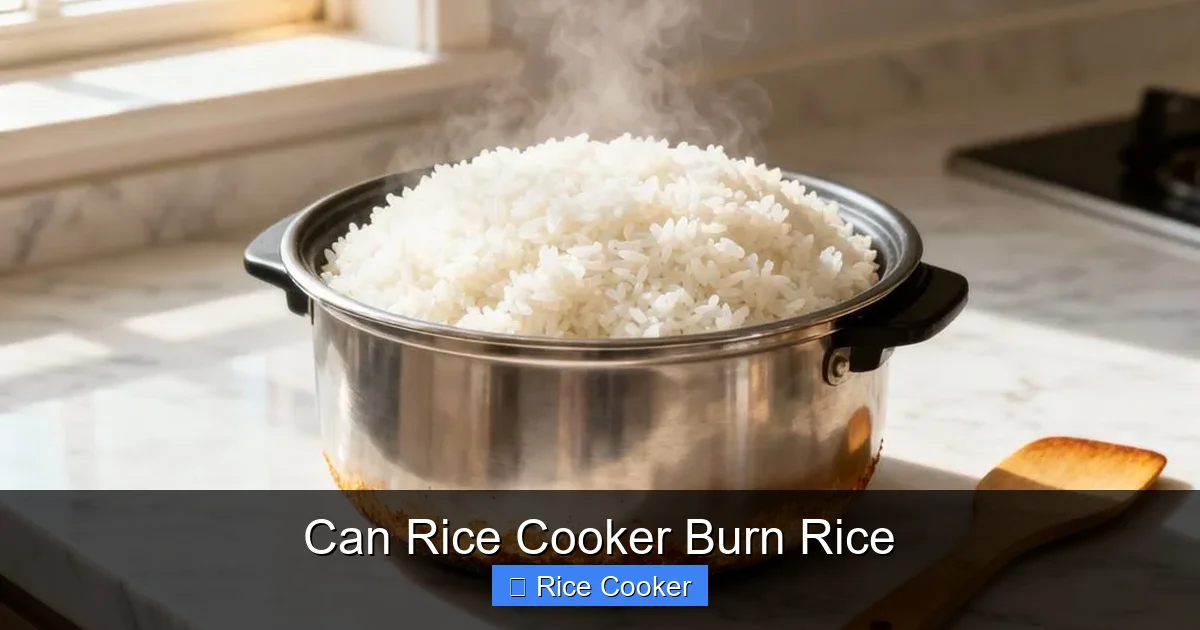
Rice cookers operate on a simple yet brilliant principle: they use a thermostat and thermal sensor to monitor the cooking process. Once the internal temperature rises above boiling point (around 100°C or 212°F), steam builds up and triggers the thermostat to cut off power. This is why you never need to watch your rice while it cooks—it just knows when it’s done.
Visual guide about Can Rice Cooker Burn Rice
Image source: ricecookerjunkie.com
The Science Behind the Safety Mechanism
This automatic shut-off is key to preventing burning. Unlike stovetop pots, where you must manually remove the heat or stir constantly, rice cookers stop cooking as soon as the moisture evaporates. In theory, this should eliminate the risk of scorching. But reality is more complicated. Over time, residue from previous batches can accumulate on the heating plate, altering heat transfer. Similarly, if the inner pot develops scratches or warps, uneven heating can occur, creating hotspots that brown rather than cook the rice.
Another factor is the type of rice being used. Long-grain white rice, jasmine, basmati—they all absorb liquid differently. A rice cooker calibrated for one variety may struggle with another, especially if the water level isn’t adjusted accordingly. For example, sticky or glutinous rice requires more water and a different cooking profile, and using standard settings may result in dry, hard, or even burnt grains at the base.
How Modern Models Differ
High-end rice cookers—especially Japanese or multi-function models—often feature fuzzy logic or microprocessors that adjust cooking time and temperature based on input (like rice type or quantity). These intelligent systems reduce the chance of burning by fine-tuning the process. In contrast, basic electric rice cookers rely solely on fixed timers and thermostats, making them slightly more prone to user error. That said, even top-tier appliances aren’t immune if misused.
Common Causes of Burnt Rice in Rice Cookers
If your rice cooker has produced burnt rice, don’t panic—it’s usually fixable. The first step is identifying the root cause. Below are the most frequent culprits behind scorched rice, along with explanations and examples.
Visual guide about Can Rice Cooker Burn Rice
Image source: kitchenseer.com
Insufficient Water or Wrong Ratios
One of the biggest mistakes beginners make is underestimating the amount of water needed. The general rule is 1 cup of uncooked rice to 1.5 cups of water, but this varies by grain type. Using too little water means the rice dries out before the cooker detects completion, leaving a charred layer at the bottom. For instance, if you cook 1 cup of jasmine rice with only 1 cup of water, the result is likely dry, hard, and possibly blackened at the edges.
Conversely, using too much water can dilute the rice and create excess steam, which may flood the thermostat and delay shutdown. While this doesn’t cause burning, it leads to mushy rice. The key is precision: measure carefully, rinse the rice (to remove excess starch), and follow trusted ratios.
Dirty Heating Plate or Inner Pot
Over time, food particles, mineral deposits, and carbonized starch can build up on the heating surface or inside the pot. When these residues re-enter the cooking cycle, they act as insulators, trapping heat and causing localized overheating. Imagine placing a thin film of grease on a hot pan—it creates uneven heat distribution. Similarly, a dirty heating plate prevents efficient energy transfer, leading to scorched spots.
A real-life example: Sarah noticed her rice cooker started burning rice after six months of use. After cleaning both the heating plate and inner pot thoroughly, she found a dark crust around the edges. Once removed, her rice returned to its usual perfection. Regular maintenance isn’t just about hygiene—it directly affects performance.
Malfunctioning Temperature Sensor or Thermostat
The thermostat is the brain of the rice cooker. If it fails or becomes misaligned, the appliance may continue heating past the optimal point, resulting in burnt rice. This is rarer in newer models but more common in older units. Signs include the rice cooker staying on longer than usual or not shutting off at all. In such cases, professional repair or replacement may be necessary.
For example, David bought a second-hand rice cooker that consistently produced burnt rice. After ruling out water ratios and cleanliness, he tested the thermostat with a multimeter and discovered it was stuck closed. Replacing it solved the issue immediately.
Using the Wrong Type of Rice
Not all rice is created equal. Some varieties, like sushi rice or wild rice, have unique absorption rates and textures. Cooking them in a standard rice cooker without adjusting settings can lead to inconsistent results. Wild rice, for instance, takes longer to cook and requires more water. If you rush the process or use default settings, the outer layers may burn while the center remains undercooked.
Solution: Use the “multi-grain” or “specialty rice” setting if available. If not, consult the manual for recommended adjustments. Alternatively, soak the rice beforehand to reduce cooking time and improve texture.
Poor-Quality or Warped Inner Pot
The inner pot sits directly on the heating element. If it’s scratched, dented, or warped, it won’t make full contact, causing hotspots. Cheap aluminum pots, in particular, are prone to warping over time. When heat concentrates in one area, rice near that zone chars instead of steaming evenly.
Tip: Check the bottom of your inner pot for smoothness and alignment. If it wobbles or leaves gaps, consider replacing it. Many manufacturers sell compatible replacements, and it’s a cost-effective fix compared to buying a new cooker.
How to Prevent Rice Cooker Burn: Practical Tips
Prevention is always better than cleanup. Here’s a step-by-step guide to ensuring your rice cooker never produces burnt rice again.
Measure Accurately and Rinse Rice
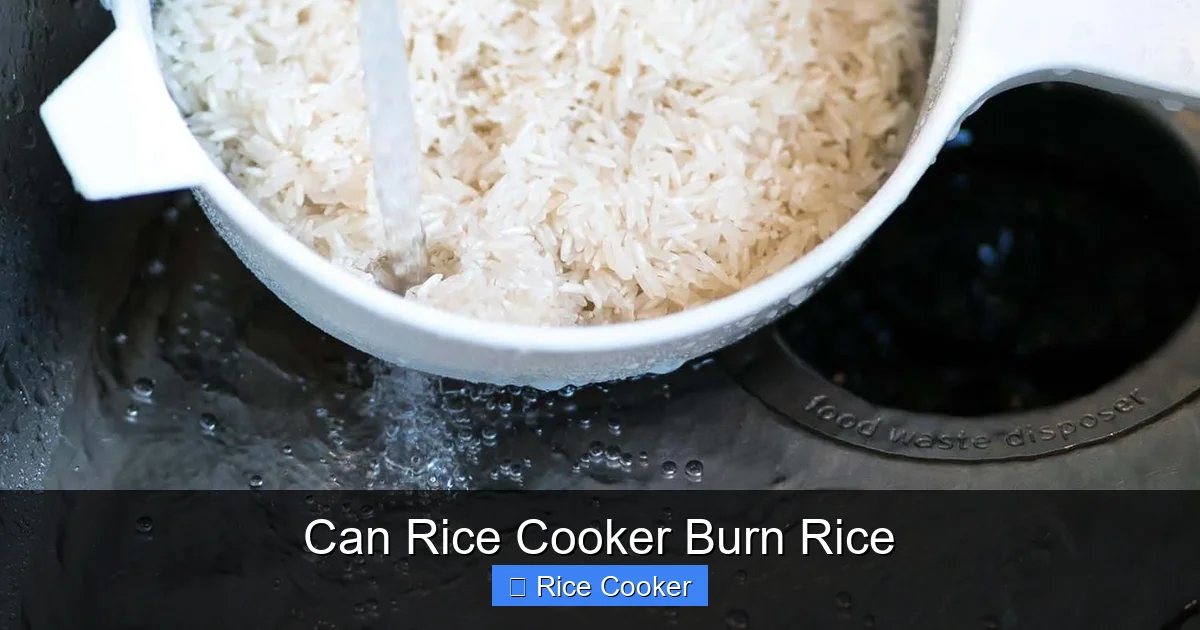
Use a clear measuring cup and level off the rice before adding water. Rinsing removes excess starch, which reduces stickiness and helps prevent clumping and burning. Swirl the rice in cold water until the water runs clear—this takes about 30 seconds.
Soak Rice Before Cooking
Soaking softens the grains and ensures even hydration. For best results, soak long-grain rice for 20–30 minutes. This reduces cooking time and minimizes the chance of scorching, especially in models with less precise controls.
Clean Regularly
After each use, wipe down the heating plate with a damp cloth and mild soap. Remove the inner pot and wash it with warm, soapy water. Avoid abrasive scrubbers that could damage non-stick coatings. Monthly deep cleans with vinegar or baking soda help dissolve mineral buildup.
Check the Manual for Specific Instructions
Different rice types require different settings. Refer to your owner’s manual for recommended water ratios and cooking modes. For example, brown rice needs more water and longer time than white rice.
Avoid Opening the Lid During Cooking
Every time you open the lid, steam escapes, lowering the internal temperature and forcing the cooker to reheat. This cycle can extend cooking time and increase burn risk. Only open to add seasonings or check progress—not during active cooking.
Use Distilled or Filtered Water
Hard water contains minerals that can leave deposits on the heating element and alter taste. Softened or filtered water reduces scaling and promotes even cooking.
Replace Worn Parts Promptly
If the inner pot shows signs of wear or the heating plate feels rough, replace it. Even small imperfections can disrupt heat flow and lead to burning.
What to Do When Your Rice Cooker Burns Rice
Accidents happen. If you wake up to a smoking rice cooker, stay calm. Follow these steps to minimize damage and salvage your meal.
Turn Off and Unplug Immediately
Safety first. Disconnect the unit to prevent further overheating or fire hazards. Never attempt to remove burnt rice with wet hands or while plugged in.
Let It Cool Completely
Burnt rice can release toxic fumes if reheated. Allow the cooker to cool for at least 30 minutes before handling. This also makes cleanup easier and safer.
Scrape Gently
Once cooled, use a wooden or plastic spatula to remove loose debris. Avoid metal tools that could scratch the pot or heating plate. If the burnt crust is stubborn, soak the pot in warm water with dish soap for 15 minutes before scrubbing.
Dispose of Burnt Rice Properly
Burnt rice is not safe to eat—it contains acrylamide, a potential carcinogen formed when starches break down under high heat. Throw it away in a sealed bag to avoid attracting pests.
Deep Clean the Cooker
After removing visible residue, clean the heating plate and inner pot thoroughly. Pay attention to corners and crevices where carbonized bits may hide. Dry everything completely before reuse.
Test with a Small Batch
Before cooking a full meal, test with a half-cup of rice and the usual water ratio. This helps confirm that the issue is resolved without wasting ingredients.
When to Replace Your Rice Cooker
Even with perfect technique, some rice cookers eventually fail. Here’s how to tell if yours needs retirement.
Persistent Burning Despite Correct Use
If you’ve followed all guidelines—correct water, clean parts, proper rice type—and still get burnt rice, the appliance may be beyond repair. This often indicates a faulty thermostat or heating element.
Frequent Power Cycling or Error Codes
Modern rice cookers display error messages when sensors fail. If yours beeps or flashes lights inconsistently, it’s a sign of internal malfunction.
Physical Damage or Wear
Cracked lids, broken handles, or warped pots compromise safety and performance. Continuing to use damaged appliances increases burn and fire risks.
Lack of Features You Need
If you frequently cook specialty grains or want programmable settings, an outdated model may no longer meet your needs. Upgrading can improve both safety and versatility.
Age of the Appliance
Most rice cookers last 5–10 years with regular use. Past 10 years, components degrade, and efficiency drops. If repairs cost more than a new unit, replacement is wise.
Conclusion: Mastering the Art of Perfect Rice
While rice cookers can indeed burn rice, it’s rarely the appliance’s fault—more often, it’s a combination of human error, poor maintenance, or equipment failure. With attention to detail, consistent cleaning, and mindful usage, you can enjoy flawless rice every time. Remember: the best rice cookers aren’t magic—they’re tools, and like any tool, they perform best when cared for properly.
By understanding the science behind cooking, respecting the limits of your machine, and learning from mistakes, you transform your rice cooker from a mere convenience into a reliable kitchen partner. Whether you’re preparing everyday meals or hosting dinner guests, knowing how to prevent and handle burnt rice puts you in control. And who knows? You might even become the go-to person for perfect pilaf at family gatherings.
Frequently Asked Questions
Can a rice cooker really burn rice if it turns off automatically?
Yes, even with automatic shut-off, rice cookers can burn rice if there’s too little water, residue buildup, or a faulty thermostat. These factors can create hotspots or prolong heating beyond safe limits.
Is burnt rice from a rice cooker dangerous to eat?
Burnt rice contains acrylamide, a chemical formed when carbohydrates cook at high temperatures. While occasional small amounts aren’t immediately harmful, regular consumption may pose health risks, so it’s best to discard burnt rice.
Why does my rice cooker burn rice even when I use the right amount of water?
This usually indicates residue on the heating plate or inner pot, a warped cooking surface, or a malfunctioning thermostat. Cleaning thoroughly or testing the heating element can resolve the issue.
Can I prevent burning by soaking rice before cooking?
Absolutely. Soaking rice softens the grains and ensures even hydration, reducing cooking time and minimizing the risk of scorching, especially in models with less precise controls.
How often should I clean my rice cooker to prevent burning?
Clean the inner pot and heating plate after each use. Perform a deep clean monthly with vinegar or baking soda to remove mineral deposits and food residue that interfere with heat distribution.
Should I replace my rice cooker if it burns rice occasionally?
Only if the problem persists despite correct usage and cleaning. Occasional burning may result from user error, but frequent issues suggest internal faults—evaluate repair costs versus a new unit.