
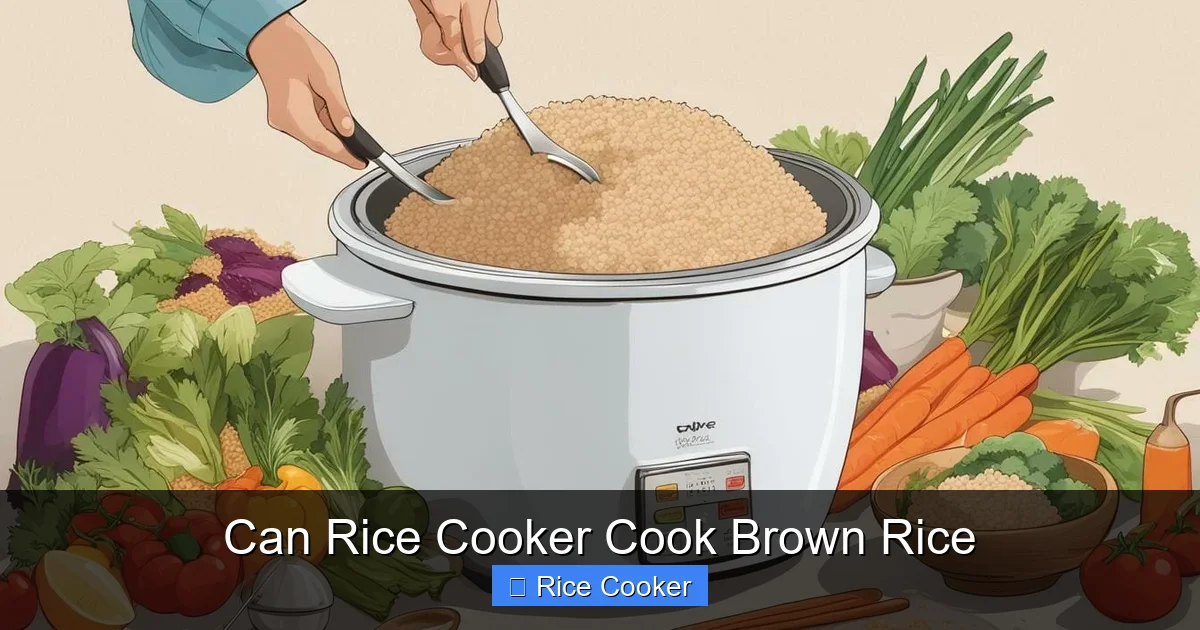
Can a rice cooker cook brown rice? Absolutely! While it may take slightly longer than white rice, most modern rice cookers handle brown rice beautifully. With the right water ratio and settings, you’ll enjoy fluffy, nutty-tasting brown rice every time—no stove needed. This guide walks you through everything from preparation to troubleshooting.
Key Takeaways
- Yes, rice cookers are fully capable of cooking brown rice: Unlike older models, today’s rice cookers come with settings or timers optimized for brown rice’s longer grain structure and higher fiber content.
- Water ratio is crucial: Brown rice generally needs 1 cup of rice to 1.5–2 cups of water, depending on variety and desired texture—always check your cooker’s manual.
- Soaking shortens cooking time: Rinsing and soaking brown rice for 20–30 minutes before cooking improves texture and reduces stickiness.
- Texture varies by model: Some advanced rice cookers offer dedicated “brown rice” modes; others work best with manual adjustments using the standard setting.
- Post-cook care matters: Letting brown rice sit covered for 5–10 minutes after cooking helps absorb excess moisture and fluff evenly.
- Brown rice cooks slower: Expect 45–60 minutes total (including soaking), compared to 20–30 minutes for white rice.
- Storage and reheating are simple: Store cooked brown rice in an airtight container and reheat with a splash of water to restore softness.
📑 Table of Contents
- Introduction: Why Brown Rice Deserves a Spot in Your Kitchen
- Understanding Brown Rice: What Makes It Different?
- Do All Rice Cookers Work for Brown Rice?
- Step-by-Step Guide: How to Cook Brown Rice in a Rice Cooker
- Troubleshooting Common Brown Rice Issues
- Tips for Perfect Brown Rice Every Time
- Health Benefits of Brown Rice: More Than Just Nutrition
- Creative Ways to Serve Brown Rice
- Conclusion: Embrace the Versatility of Brown Rice
Introduction: Why Brown Rice Deserves a Spot in Your Kitchen
If you’re looking to eat healthier without sacrificing convenience, brown rice might just be your new kitchen hero. Unlike its polished white cousin, brown rice retains its bran and germ layers, packing more fiber, vitamins, and minerals into every bite. But here’s the catch—brown rice has a denser structure and takes longer to cook than white rice. That’s why many people default to boiling or steaming, which can be time-consuming and require constant attention.
Enter the humble rice cooker. You might think it’s only for fluffy white rice, but modern rice cookers—especially those with programmable timers and multiple settings—are actually excellent tools for preparing brown rice. In fact, using a rice cooker ensures even heat distribution, consistent results, and zero guesswork. Whether you’re meal prepping for the week or whipping up dinner after work, knowing how to make perfect brown rice in your rice cooker makes life easier—and tastier.
In this complete guide, we’ll walk you through everything you need to know about cooking brown rice in a rice cooker. From choosing the right model to mastering the ideal water ratio, we’ve got you covered. So grab your measuring cup, fire up that rice cooker, and let’s get started!
Understanding Brown Rice: What Makes It Different?
Before diving into the cooking process, it helps to understand why brown rice behaves differently from white rice—and how that affects your rice cooker method.
Visual guide about Can Rice Cooker Cook Brown Rice
Image source: familychoice.com.ph
The Science Behind the Grain
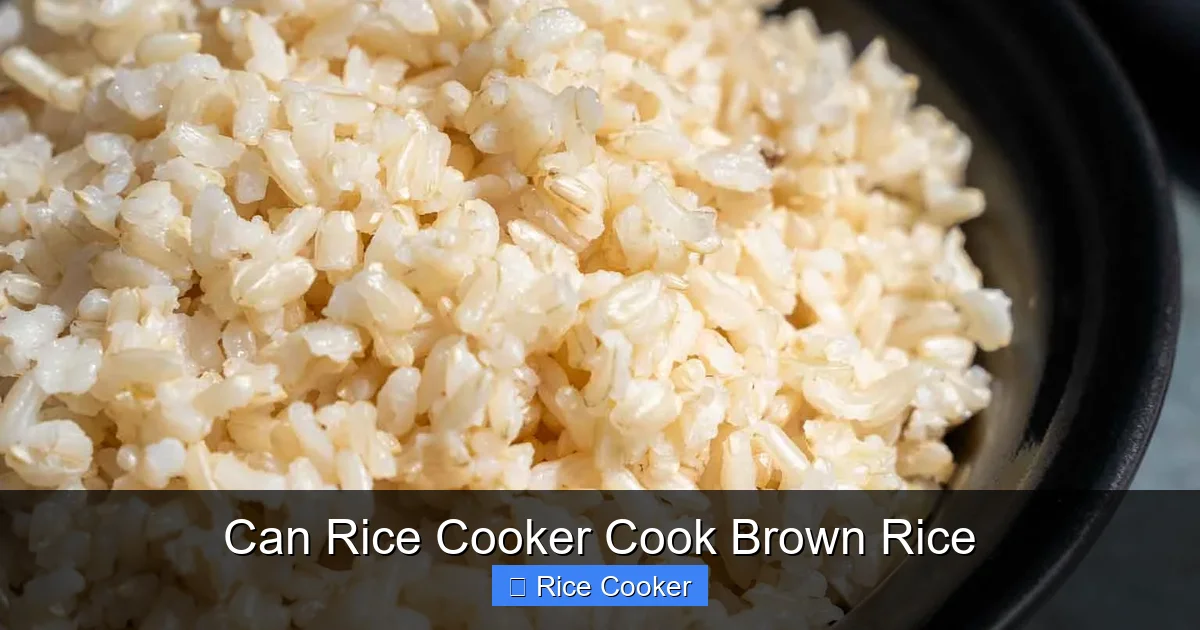
White rice is processed to remove the outer hull, bran layer, and germ. This gives it a softer texture and shorter cooking time but strips away nutrients like B vitamins, magnesium, and fiber. Brown rice keeps these layers intact, giving it a nuttier flavor, chewier texture, and significantly higher nutritional value.
Because of its intact bran layer, brown rice absorbs water more slowly and requires longer cooking times. It also tends to release more starch during cooking, which can lead to stickiness if not managed properly. That’s where your rice cooker shines—its sealed environment controls moisture levels better than open-pot methods.
Types of Brown Rice and Their Cooking Needs
Not all brown rice is created equal. Here are the most common varieties and their unique traits:
- Long-grain brown rice: The most popular type, found in grocery stores everywhere. Cooks up light and separate—ideal for pilafs or side dishes.
- Medium-grain brown rice: Slightly rounder grains that hold together well, great for risottos or stuffed peppers.
- Short-grain brown rice: Very sticky when cooked; best for sushi or Japanese-style dishes like onigiri.
- Red rice and black rice: Less common but increasingly available. They have deeper colors, earthier flavors, and even higher antioxidant content. Red rice typically needs slightly less water than regular brown rice, while black rice often requires extra soaking time.
When buying brown rice, look for uniform color and avoid packages that smell sour or musty—this could indicate rancidity.
Do All Rice Cookers Work for Brown Rice?
Here’s a common myth: “Only fancy rice cookers can do brown rice.” Not true! While high-end models with advanced features certainly help, even basic rice cookers can handle brown rice—it just might take a little tweaking.
Visual guide about Can Rice Cooker Cook Brown Rice
Image source: hungrylankan.com
Standard vs. Advanced Rice Cookers
Basic rice cookers usually have one or two settings: “white rice” and “quick cook.” These work fine for brown rice if you manually adjust the water ratio and don’t mind slightly firmer results.
Multi-function rice cookers, on the other hand, often include dedicated settings like “brown rice,” “porridge,” or “slow cook.” These machines sense moisture levels and adjust heating cycles accordingly—making them ideal for achieving consistently tender grains.
Even if your rice cooker doesn’t have a brown rice setting, don’t panic! Many users successfully adapt the standard mode by increasing water slightly and extending cooking time. The key is patience and consistency.
What to Look for in a Rice Cooker
If you’re shopping for a new rice cooker specifically for brown rice, consider these features:
- Adjustable timer: Allows pre-soaking and delayed start for busy schedules.
- Keep-warm function: Maintains temperature without overcooking.
- Non-stick inner pot: Easier cleanup and prevents sticking.
- Large capacity: Useful if you cook large batches for meal prep.
- Steam vent: Helps release excess steam during cooking, improving texture.
Brands like Zojirushi, Panasonic, Tiger, and Instant Pot are known for reliable performance with brown rice. But again—even a $20 basic model works if used correctly.
Step-by-Step Guide: How to Cook Brown Rice in a Rice Cooker
Ready to make your first pot? Follow this foolproof method for perfect, fluffy brown rice every time.
Gather Your Ingredients and Tools
You’ll need:
- 1 cup uncooked brown rice
- 1.5 to 2 cups water (start with 1.75 cups)
- Rice cooker with measuring cup and spatula
- Fine-mesh strainer
- A bowl for soaking
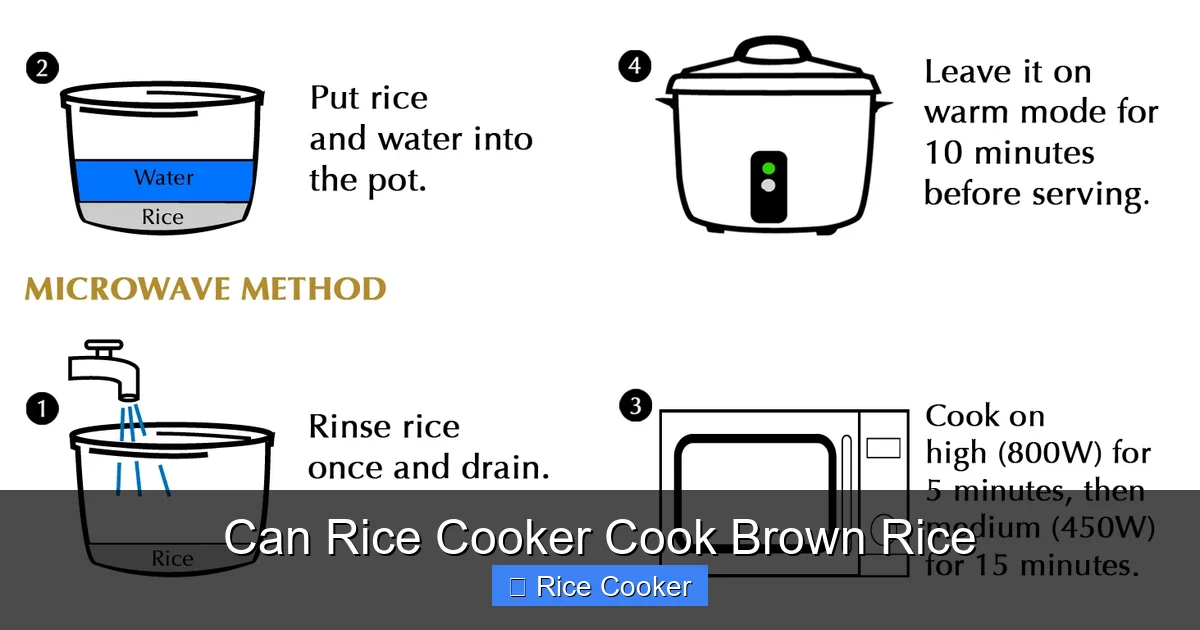
Step 1: Rinse the Rice
Place the brown rice in a fine-mesh strainer and rinse under cool running water for 30–60 seconds. This removes surface starch that can cause clumping. Gently rub the grains with your fingers—don’t scrub too hard or you’ll damage the delicate bran layer.
Pro tip: Skip rinsing if you prefer a creamier texture or are using instant brown rice, which is pre-rinsed.
Step 2: Soak the Rice (Optional but Recommended)
Transfer rinsed rice to a bowl and cover with warm water. Let it soak for 20–30 minutes. Soaking softens the grain and reduces cooking time by up to 10 minutes. For extra tenderness, try soaking overnight in the fridge.
Note: If you skip soaking, expect slightly firmer rice and extend cooking time by 5–10 minutes.
Step 3: Drain and Add to Rice Cooker
Drain soaked rice completely. Add it to the inner pot of your rice cooker. Pour in 1.75 cups of water per cup of rice (adjust based on your desired consistency).
Tip: Use the rice cooker’s built-in measuring cup—it’s calibrated for accurate ratios.
Step 4: Start Cooking
Close the lid and select the “brown rice” setting if available. If not, use the standard “white rice” setting. Press start and let the magic happen!
Total cooking time will be around 45–60 minutes. Avoid opening the lid frequently—this lets heat escape and disrupts the cooking cycle.
Step 5: Rest and Fluff
Once done, turn off the cooker and let the rice rest for 10 minutes with the lid closed. This allows residual steam to finish cooking the center and firms up the crust (called “tadka” in Indian cuisine). After resting, gently fluff with a fork or rice paddle.
Troubleshooting Common Brown Rice Issues
Even experienced cooks run into hiccups now and then. Here’s how to fix the most common problems.
Problem: Rice Is Too Dry or Crunchy
Cause: Not enough water or insufficient soaking.
Solution: Increase water by ¼ cup next time. Also, ensure you’re using fresh rice—old stock loses moisture and becomes harder to cook.
Problem: Rice Sticks Together
Cause: Over-rinsing or too much starch buildup.
Solution: Rinse only briefly and avoid pressing down on the cooked rice. A quick rinse under cold water after cooking can help loosen clumps.
Problem: Excess Foam During Cooking
Cause: Brown rice naturally releases more foam due to its bran content.
Solution: Leave the vent open slightly or place a wooden spoon across the lid to prevent overflow. Don’t stir during cooking—just let it do its thing.
Problem: Burnt Bottom Layer
Cause: Uneven heating or dirty inner pot.
Solution: Clean the non-stick coating regularly and never use metal utensils. If burning persists, add a thin layer of oil or butter to the bottom before adding rice.
Problem: Rice Doesn’t Fully Expand
Cause: Old rice or incorrect water ratio.
Solution: Buy small batches (use within 6 months) and verify water amounts. Fresh rice should expand to 1.5–2 times its original size.
Tips for Perfect Brown Rice Every Time
Want to level up your brown rice game? Try these pro tips.
Use Warm Water for Soaking
Warm (not hot) water helps activate enzymes in the grain, making it easier to digest and cook faster.
Add Flavor Without Salt
Instead of salt, try cooking rice in vegetable broth, coconut milk, or a handful of dried mushrooms for extra umami depth.
Try the “Float Test”
After rinsing, let rice sit uncovered for 5 minutes. If grains rise to the top (like they’re floating), they’re ready for cooking. If not, give them another minute.
Meal Prep Hack: Cook in Batches
Cook 2–3 cups at once, divide into portions, and freeze in ice cube trays for easy grab-and-go meals. Thaw overnight and reheat with a splash of water.
Reheat Like a Pro
To revive day-old brown rice, microwave with a damp paper towel or add a teaspoon of water per cup and steam for 2–3 minutes.
Health Benefits of Brown Rice: More Than Just Nutrition
Switching to brown rice isn’t just about swapping carbs—it’s about upgrading your overall wellness.
Fiber Powerhouse
One cup of cooked brown rice provides about 3.5 grams of dietary fiber. That’s nearly 15% of your daily needs! Fiber supports digestion, stabilizes blood sugar, and keeps you full longer.
Lower Glycemic Index
Brown rice has a lower glycemic index than white rice, meaning it causes a slower, steadier rise in blood sugar—great news for diabetics and weight management.
Packed with Micronutrients
It’s rich in manganese, selenium, magnesium, and B vitamins. Selenium acts as an antioxidant, while magnesium supports muscle and nerve function.
Supports Gut Health
The fiber feeds beneficial gut bacteria, promoting a healthy microbiome. Studies link high-fiber diets to reduced inflammation and lower risk of colon cancer.
Heart-Protective Properties
Regular consumption of whole grains like brown rice is associated with reduced LDL cholesterol and improved arterial health.
Creative Ways to Serve Brown Rice
Brown rice isn’t just a side dish—it’s a versatile base for countless meals.
Buddha Bowls
Layer brown rice with roasted sweet potatoes, chickpeas, spinach, avocado, and tahini dressing. Top with pumpkin seeds for crunch.
Sushi Rolls
Use short-grain brown rice (available at Asian markets) mixed with rice vinegar, sugar, and a touch of nori powder. Roll with cucumber, carrot, and smoked salmon.
Mexican Street Corn Salad
Cook brown rice, mix with corn, cherry tomatoes, red onion, cilantro, lime juice, and crumbled feta. Serve chilled.
Stuffed Bell Peppers
Fill halved peppers with a mixture of brown rice, ground turkey, black beans, corn, and spices. Bake until tender.
Breakfast Porridge
Cook brown rice with almond milk, cinnamon, and berries. Simmer until creamy—a hearty alternative to oatmeal.
Conclusion: Embrace the Versatility of Brown Rice
Cooking brown rice in a rice cooker isn’t just possible—it’s simple, reliable, and delicious. With the right techniques, your rice cooker becomes a gateway to healthier eating, freeing you from the hassle of stovetop monitoring. Whether you’re new to whole grains or a seasoned fan, mastering this skill opens doors to endless flavor combinations and nutritious meals.
Remember: consistency is key. Experiment with water ratios, soaking times, and seasonings until you find what works best for your taste and lifestyle. And don’t forget—your rice cooker is a loyal companion, whether you’re making a single serving or feeding a crowd.
So go ahead—measure out that brown rice, add some water, press start, and enjoy the satisfaction of a perfectly cooked, nutrient-packed meal made with minimal effort. Your body (and taste buds) will thank you.
Frequently Asked Questions
Can any rice cooker cook brown rice?
Yes, even basic rice cookers can cook brown rice. While multi-function models with dedicated brown rice settings offer more control, standard rice cookers work fine with adjusted water ratios and longer cooking times.
How much water do I use for brown rice in a rice cooker?
Use 1.5 to 2 cups of water per cup of brown rice. Start with 1.75 cups for medium texture. Adjust based on your preferred consistency and rice variety.
Should I soak brown rice before cooking in a rice cooker?
Soaking is optional but recommended. Soak for 20–30 minutes to reduce cooking time and improve texture. Overnight soaking in the fridge yields even softer results.
Why does my brown rice come out sticky?
Stickiness usually comes from over-rinsing or too much starch buildup. Rinse briefly (30 seconds max) and avoid stirring after cooking. Letting rice rest helps separate grains.
How long does brown rice take to cook in a rice cooker?
Total time is 45–60 minutes, including soaking. Cooking time alone is typically 35–50 minutes, depending on the model and rice type.
Can I reheat leftover brown rice?
Yes! Store in an airtight container and reheat with a splash of water in the microwave or on the stovetop. Cover while reheating to retain moisture.