
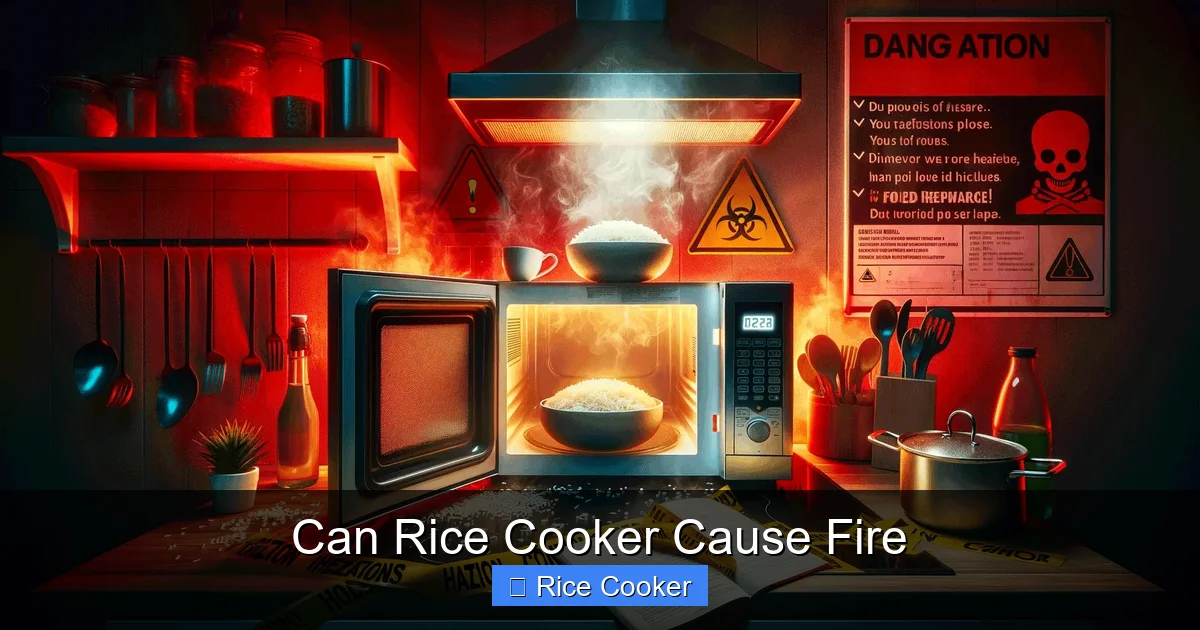
Rice cookers are generally safe appliances, but they can pose a fire risk if not used properly or maintained. Common causes include overheating, faulty wiring, or using damaged components. By following basic safety practices—like cleaning regularly, avoiding overcrowding, and inspecting cords—you can keep your kitchen safe and your meals delicious.
Key Takeaways
- Overheating is a major fire hazard: Leaving a rice cooker unattended for long periods can lead to excessive heat buildup, especially if the inner pot is empty or improperly placed.
- Faulty electrical components increase risk: Damaged power cords, frayed wires, or malfunctioning heating elements can spark or ignite nearby materials.
- Using the wrong accessories matters: Non-compatible lids, pots, or utensils may block ventilation or cause uneven heating, raising the chance of fire.
- Regular maintenance prevents accidents: Cleaning residue buildup, checking seals, and replacing worn parts keeps your rice cooker operating safely.
- Proper storage reduces danger: Unplugging and storing your rice cooker in a dry, cool place when not in use minimizes exposure to moisture and dust.
- Know the warning signs: Smells, smoke, unusual noises, or visible damage are red flags that should prompt immediate disuse and inspection.
- Follow manufacturer guidelines: Always read the manual for model-specific instructions on usage, cleaning, and troubleshooting.
📑 Table of Contents
- Can Rice Cooker Cause Fire? Understanding the Risks and How to Stay Safe
- How Rice Cookers Work: The Basics of Safety
- Common Causes of Rice Cooker Fires
- Warning Signs That Your Rice Cooker Might Be Dangerous
- Practical Tips to Prevent Rice Cooker Fires
- What to Do If Your Rice Cooker Catches Fire
- Conclusion: Rice Cookers Are Safe—If You Use Them Right
Can Rice Cooker Cause Fire? Understanding the Risks and How to Stay Safe
Have you ever wondered whether your trusty rice cooker could turn into a kitchen hazard? You’re not alone. With millions of households relying on rice cookers daily, it’s natural to question their safety—especially after hearing about small appliance fires. While rice cookers are designed to be convenient and reliable, like any electrical device, they can pose a fire risk under certain conditions. But don’t worry—most rice cooker fires are preventable with a few simple precautions.
This article dives deep into the real risks associated with rice cookers, explains what causes them, and gives you practical advice to keep your kitchen safe. Whether you’re cooking up a pot of jasmine rice, steaming vegetables, or making oatmeal, understanding how to use your rice cooker responsibly is key. We’ll cover everything from common mistakes people make to the science behind why overheating happens, and how to spot early warning signs before things go wrong.
How Rice Cookers Work: The Basics of Safety
The Inner Mechanics That Keep It Running Safely
A rice cooker operates by using an internal heating element—usually located at the bottom of the unit—to warm water and cook rice. Once the water evaporates, the temperature rises sharply, triggering a thermostat that cuts off power. This cycle repeats until the rice is fully cooked and the cooker switches to “warm” mode. Most modern models also feature a keep-warm function, which maintains the desired temperature without boiling.
Visual guide about Can Rice Cooker Cause Fire
Image source: expertreviewsbestricecooker.com
This design relies heavily on proper airflow and consistent contact between the heating plate and the inner pot. If the pot isn’t sitting correctly or is warped, heat distribution becomes uneven. That’s where problems start. Additionally, many rice cookers come with safety features like automatic shut-off, thermal fuses, and non-stick coatings—but these aren’t foolproof. Even the best-built models can fail if neglected.
Why Most Rice Cookers Don’t Catch Fire
In truth, rice cookers are among the safer kitchen appliances when used as intended. They typically run on low wattage (around 300–600 watts), generate minimal flame, and are engineered with multiple fail-safes. According to fire safety organizations, kitchen appliance fires account for nearly 50% of home fires—but rice cookers are rarely the top offender. Microwaves, toasters, and space heaters tend to be bigger culprits due to higher power output and frequent misuse.
Still, every year, incidents involving rice cookers do occur—often because users ignore basic care instructions. For example, leaving a rice cooker on overnight while sleeping, using it without water, or stacking items on top during cooking all increase the likelihood of overheating. These behaviors override built-in protections and push the appliance beyond its safe operating range.
Common Causes of Rice Cooker Fires
1. Overheating Due to Empty Cooking
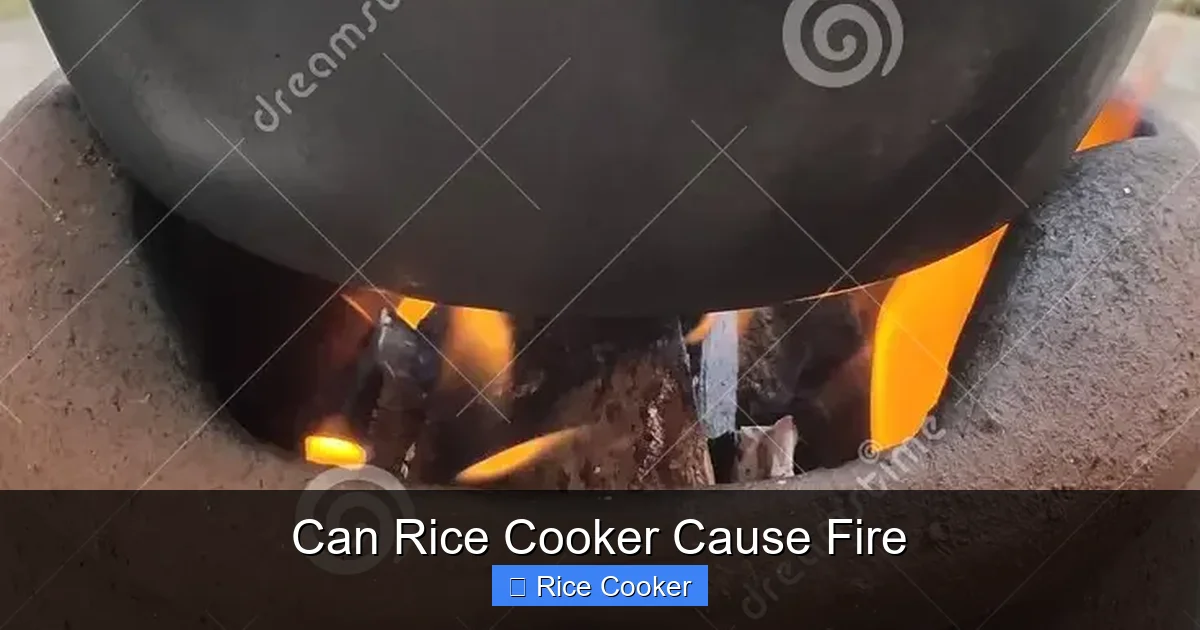
One of the most frequent causes of rice cooker fires is running the unit without any liquid or food inside. Unlike stovetop pots, rice cookers aren’t meant to be heated dry. When there’s no water or rice, the heating element continues to produce intense heat with nothing to absorb it. Within minutes, the internal components can overheat, melt insulation, and even ignite nearby plastic parts.
Visual guide about Can Rice Cooker Cause Fire
Image source: thumbs.dreamstime.com
For instance, imagine setting your rice cooker to cook while you step out to answer the door—only to return hours later and find smoke rising from the counter. That’s exactly what happened to several homeowners reported in consumer safety databases. Always double-check that your rice cooker contains rice and water before turning it on, and never leave it unattended during the initial heating phase.
2. Faulty Electrical Cords and Plugs
Cord damage is another leading factor in rice cooker-related fires. Over time, power cords can become frayed, cracked, or chewed by pets. If the live and neutral wires inside the cord touch each other or the ground wire, they create a short circuit—resulting in sparks, heat buildup, and potentially flames. Similarly, loose plugs that don’t make full contact can generate resistance, causing the outlet or cord to overheat.
If you notice your rice cooker’s cord feels hot to the touch, has visible burns, or emits a burning smell, stop using it immediately. Replace the entire power cord or take the appliance to a certified repair technician. Never attempt DIY fixes unless you’re trained—electrical issues are serious business.
3. Using the Wrong Inner Pot or Accessories
The inner pot is more than just a container—it’s part of the thermal system. Rice cookers require pots made of specific materials (like aluminum or stainless steel) with precise dimensions to ensure proper heat transfer. Using a mismatched pot—say, one too small or made of thin, warped metal—can block airflow, trap steam, or create hotspots that exceed safe temperatures.
Some users try to repurpose old kettles or saucepans as rice cookers, which is a big no-no. These alternatives lack the right weight, shape, and compatibility with the heating plate. Always use only the pot provided by the manufacturer or an officially approved replacement. Check the user manual for part numbers if needed.
4. Residue Buildup and Poor Maintenance
Sticky rice grains, grease, and mineral deposits can accumulate inside the cooker over time. If left unchecked, this gunk insulates the heating element, trapping heat and reducing efficiency. In extreme cases, carbonized residue can act like kindling, catching fire when exposed to high heat. This is especially true in hard water areas where limescale builds up quickly.
Cleaning your rice cooker regularly is simple: remove the inner pot, wipe the heating plate with a damp cloth, and scrub away any stuck-on food. Some models allow dishwasher-safe parts, but always unplug the unit first. Avoid abrasive cleaners that might scratch surfaces and compromise safety seals.
5. Environmental Factors and Improper Storage
Where and how you store your rice cooker also affects its safety. Keeping it in a humid bathroom or near a sink increases the risk of corrosion and electrical faults. Similarly, placing heavy objects on top of a plugged-in cooker can crush wires or block vents. Moisture from steam condensation can seep into connections, creating dangerous shorts.
When not in use, unplug your rice cooker and store it in a dry cabinet. Make sure the area is free of clutter and away from flammable items like paper towels, curtains, or wooden cabinets. A little attention to storage goes a long way in preventing unexpected fires.
Warning Signs That Your Rice Cooker Might Be Dangerous
Strange Odors Before the Smoke Appears
If you catch a faint burning smell coming from your rice cooker—even before it starts smoking—that’s your body’s way of saying “stop!” Common scents include ozone (from arcing electricity), melted plastic (from overheated components), or even burnt rice (which can spontaneously combust if left too long). These odors often precede actual flames, giving you a chance to intervene.
Visible Damage or Discoloration
Check the base and lid for blackened spots, bubbled paint, or warped plastic. These are telltale signs of prolonged exposure to high heat. Similarly, if the power cord shows scorched insulation or the plug has burn marks, discard the appliance immediately. Don’t assume it’s just cosmetic damage—what looks minor could be hiding a critical fault.
Unusual Noises During Operation
While some humming or clicking is normal (due to the thermostat cycling), loud buzzing, popping, or sizzling sounds are red flags. These may indicate loose internal parts, failing relays, or trapped steam exploding against metal. If your rice cooker behaves erratically, unplug it and have it inspected.
Frequent Auto-Shutoff or Failure to Turn On
If your rice cooker keeps turning off mid-cycle or refuses to start altogether, it could be due to a blown thermal fuse or sensor malfunction. While not always a fire hazard, persistent electrical issues suggest deeper problems that shouldn’t be ignored. Consult a professional rather than attempting repairs yourself.
Practical Tips to Prevent Rice Cooker Fires
Always Use the Right Amount of Water and Rice
Follow the ratio recommended in your recipe or manual. Too much water leads to soggy rice; too little risks scorching and incomplete cooking. A good rule of thumb: for white rice, use a 1:1.5 ratio (one cup rice to one-and-a-half cups water). Brown rice needs more liquid—about 1:2. Always measure accurately.
Never Leave It Unattended While Heating
Set a timer if you need to step away. Many rice cooker fires happen because someone falls asleep while cooking or forgets they left it on. Modern models have timers, but they aren’t infallible. Stay nearby until you hear the final shut-off click.
Clean After Every Use
Wipe down the exterior and heating plate weekly. Remove the inner pot after each meal and rinse it thoroughly. For stubborn stains, soak in warm soapy water for 15 minutes before scrubbing. Dry completely before reassembling.
Inspect the Power Cord Monthly
Gently tug on the cord to check for looseness. Look for cracks, cuts, or pet damage. If your cat likes chewing cables, consider using a cord protector or keeping the rice cooker in a closed cabinet when not in use.
Store Properly When Not in Use
Keep your rice cooker in a cool, dry place. Avoid attics, garages, or basements prone to humidity. Unplug it unless it’s actively being used. Label the cord clearly so others know it belongs to an appliance.
Replace Old or Damaged Units
Most rice cookers last 5–7 years. If yours is older, exhibits repeated issues, or lacks safety certifications (like UL or ETL), it’s time for an upgrade. Newer models often include improved sensors, better insulation, and recall protection programs.
What to Do If Your Rice Cooker Catches Fire
Step-by-Step Emergency Response
If your rice cooker does catch fire, stay calm and follow these steps:
- Turn Off the Power: Unplug the appliance immediately. If the fire is large, turn off the main circuit breaker instead of the individual switch.
- Smother the Flame: Use a metal lid or fire blanket to cover the cooker—not water! Pouring water on an electrical fire can spread the current and worsen the situation.
- Evacuate and Call 911: If the fire spreads or you feel unsafe, leave the house and alert emergency services. Do not re-enter until authorities declare it safe.
- Use a Class C Fire Extinguisher: Only if you have one rated for electrical fires. Aim at the base of the flames, not the flames themselves.
Prevention is far better than firefighting. Installing smoke detectors near your kitchen and having a fire extinguisher within reach adds extra layers of protection.
Conclusion: Rice Cookers Are Safe—If You Use Them Right
Rice cookers won’t suddenly burst into flames just because you’re making dinner. Like any tool, their behavior depends on how you treat them. Most rice cooker fires stem from human error—neglect, misuse, or ignoring warning signs—rather than inherent flaws in the design. By staying vigilant, maintaining your appliance, and following basic safety rules, you can enjoy perfectly cooked rice without worry.
Remember: convenience doesn’t mean carelessness. Taking five minutes to clean, inspect, and store your rice cooker makes all the difference. And if something feels off—smell, sound, or sight—trust your instincts. Better safe than sorry when it comes to fire hazards in your home.
With the right knowledge and habits, your rice cooker will remain a loyal kitchen companion for years to come—safe, efficient, and ready whenever hunger strikes.
Frequently Asked Questions
Can a rice cooker catch fire if left on overnight?
Yes, leaving a rice cooker on overnight increases fire risk, especially if it’s empty or poorly maintained. Modern models have auto-shutoff, but failures can still occur. Always unplug after use or set a timer to avoid accidents.
Is it safe to use a rice cooker without water?
No, running a rice cooker without water or rice causes overheating. The heating element generates intense heat with no liquid to absorb it, which can melt internal parts or ignite nearby materials. Always add water before turning it on.
How often should I clean my rice cooker?
Clean your rice cooker after every use. Wipe the heating plate and interior with a damp cloth, and wash the removable pot in soapy water. Deep-clean monthly to remove mineral buildup and residue that could contribute to overheating.
What should I do if my rice cooker smells like burning?
Stop using it immediately. Burning smells often signal overheating, damaged wiring, or carbonized food. Unplug the unit, inspect for visible damage, and consult a technician. Do not resume use until professionally checked.
Are all rice cooker fires caused by faulty products?
No, most rice cooker fires result from misuse or neglect, such as leaving it unattended, using wrong accessories, or skipping maintenance. While defective units can cause fires, responsible use significantly reduces risk.
Can I replace my rice cooker’s power cord myself?
It’s not recommended unless you’re qualified. Electrical repairs require precision and safety knowledge. Instead, contact the manufacturer or a certified repair service to replace the cord or send the unit in for servicing.