
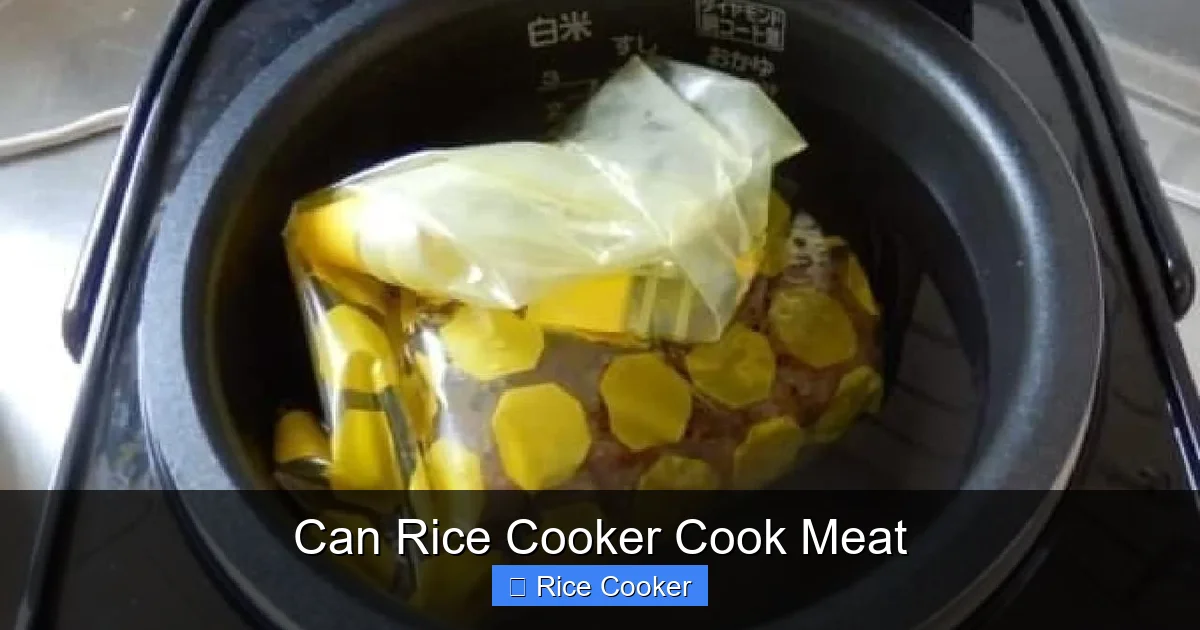
Can a rice cooker cook meat? Absolutely! With the right techniques, your rice cooker can do more than just make fluffy grains—it can tenderize tough cuts, infuse rich flavors, and save you time. Whether you’re simmering stews, braising chicken, or steaming fish, this kitchen workhorse adapts beautifully to meat-based dishes. In this article, we’ll explore how, when, and why using your rice cooker for meat is not only possible but often superior to traditional methods.
Key Takeaways
- Yes, rice cookers can cook meat effectively: Modern electric rice cookers are versatile appliances capable of boiling, steaming, and simmering—making them ideal for preparing various types of meat.
- Different cooking modes matter: Use the “Keep Warm” setting after cooking to retain moisture, or switch to “Soup” or “Manual” settings for longer, slow-cooked meals like stews and roasts.
- Meat preparation is key: Marinate tougher cuts before cooking to ensure tenderness, and always preheat the appliance slightly for even heat distribution.
- Safety and food handling: Always ensure internal temperatures reach safe levels (165°F/74°C for poultry, 145°F/63°C for beef with rest time), and clean the inner pot promptly to avoid bacterial growth.
- Time and convenience savings: Cooking meat in a rice cooker frees up your stove and oven, allowing multitasking while hands-off cooking does the work.
- Creative recipe possibilities: From Korean galbi to Chinese steamed fish and American pot roast, rice cooker meat dishes offer global flavors with minimal effort.
- Not all rice cookers are equal: Look for models with multiple cooking functions (e.g., soup, slow cook) and non-stick, easy-to-clean interiors for best results.
[FEATURED_IMAGE_PLACEHOLDER]
Introduction: Beyond White Rice—The Hidden Versatility of Rice Cookers
You probably know your rice cooker as the trusty sidekick that turns raw rice and water into perfectly cooked grains every morning. But what if I told you it could also become your go-to appliance for making tender pulled pork, succulent chicken thighs, or flaky steamed fish? That’s right—your humble kitchen gadget has capabilities far beyond plain white rice.
In recent years, home cooks have rediscovered the surprising versatility of rice cookers, especially when it comes to cooking meat. Unlike traditional pots on the stove, which require constant attention and monitoring, a quality rice cooker uses precise temperature control and automated timing to deliver consistent results. This makes it an excellent tool for both novice and experienced cooks who want to simplify their meal prep without sacrificing flavor or texture.
Whether you’re feeding a family, meal-prepping for busy weekdays, or experimenting with international cuisines, learning how to cook meat in a rice cooker opens up a world of culinary possibilities. No more overcrowding the oven during dinner rush or worrying about burning sauces on the stovetop. Just add ingredients, press a button, and let science do the rest.
How Rice Cookers Work: Understanding the Science Behind the Magic
The Basic Mechanism
A standard electric rice cooker operates using a simple yet ingenious system. At its core is a heating element at the bottom of the inner pot and a thermostat that monitors temperature. When you add water and ingredients—whether rice or meat—the appliance heats the contents uniformly. Once the liquid reaches boiling point (around 212°F / 100°C), the thermostat detects the drop in temperature caused by evaporation and automatically switches to “warm” mode to maintain optimal cooking conditions.
Why It Works for Meat
This same process applies when cooking meat. The controlled heat allows proteins in the muscle fibers to break down gradually, resulting in tender textures—especially important for cheaper cuts like chuck or brisket. Additionally, because there’s no direct flame or uneven hot spots (unlike gas burners), meats cook more evenly throughout, reducing the risk of dry edges or undercooked centers.
Types of Rice Cookers Matter
Not all rice cookers are created equal. While basic models may only offer “Cook” and “Warm” settings, advanced versions come equipped with specialized programs such as:
- Soup/Slow Cook: Ideal for long, gentle braises
- Steam: Perfect for delicate proteins like fish or dumplings
- Manual/Custom Timer: Allows precise control over duration and temperature
If you plan to cook meat regularly, investing in a multifunctional model will give you greater flexibility and better outcomes.
Types of Meat You Can Cook in a Rice Cooker
Poultry: Chicken, Duck, Turkey
Chicken breasts, thighs, and whole chickens cook beautifully in rice cookers. Thighs, in particular, stay moist due to their higher fat content and don’t require brining or marinating. Simply season, place in the pot, add a splash of broth or wine, and let it simmer. For whole chickens, consider adding aromatics like onions, garlic, and herbs to enhance flavor.
Red Meats: Beef, Lamb, Pork
Tougher cuts such as chuck steak, short ribs, or pork shoulder benefit greatly from low-and-slow cooking. These meats contain connective tissue that breaks down into gelatin when heated slowly—resulting in melt-in-your-mouth tenderness. A classic example is Korean-style galbi (marinated beef short ribs), where the soy-ginger-glaze caramelizes beautifully inside the sealed environment.
Seafood and Fish
Delicate white fish fillets steam perfectly in a rice cooker. Place them on top of a bed of vegetables or aromatics, cover with a lid, and use the “steam” function for about 8–12 minutes depending on thickness. Steaming preserves moisture and prevents sticking, yielding restaurant-quality results at home.
Processed Meats: Sausages, Bacon, Deli Cuts
Bacon renders efficiently in a rice cooker since excess fat drips away naturally. Similarly, sausages cook evenly without needing oil. Just arrange them in a single layer and select “soup” or manual mode for 20–30 minutes until golden brown and fully cooked through.
Step-by-Step Guide: How to Cook Meat in Your Rice Cooker
Prepping Your Ingredients
Start by selecting fresh, high-quality meat. Trim visible fat if desired, but leave some behind to keep the dish moist. Marinades work wonders—especially acidic ones like yogurt, citrus, or vinegar—to tenderize fibers. For red meats, consider a dry rub with spices, salt, and sugar to form a flavorful crust.
Choosing the Right Inner Pot
Use the non-stick inner pot that came with your rice cooker. Avoid metal utensils that could scratch the surface. If your model lacks one, line it with parchment paper or aluminum foil for easier cleanup.
Layering Ingredients Smartly
Place harder vegetables (carrots, potatoes) at the bottom to prevent burning, then add meat on top. Liquid should be added—enough to create steam but not so much that it dilutes flavors. Broth, wine, coconut milk, or even plain water all work well depending on the recipe.
Selecting the Correct Setting
For most meats, start with the “Soup” or “Manual” setting set to 30–60 minutes. Monitor early on; once boiling subsides, reduce heat manually if possible. After cooking ends, let the pressure release naturally for at least 10 minutes before opening the lid to avoid splatters.
Finishing Touches
Once done, remove meat carefully using tongs or a slotted spoon. Rest it briefly before slicing or shredding. Thicken any leftover juices with cornstarch slurry or reduce over low heat on the stove. Garnish with fresh herbs and serve over rice, noodles, or mashed potatoes.
Top 5 Meat Recipes You Can Make in a Rice Cooker
1. Korean-Style Galbi (Marinated Beef Short Ribs)
Slice short ribs into thin strips and marinate in a blend of soy sauce, brown sugar, garlic, ginger, sesame oil, and pear juice for at least 2 hours. Add marinade and optional vegetables to the rice cooker, select “Manual” for 45 minutes. Serve with steamed rice and kimchi.
2. Honey Garlic Chicken Thighs
Dry-brine chicken thighs with salt and pepper. Sear skin-side down in a hot pan before transferring to the rice cooker. Pour in honey, minced garlic, soy sauce, and a splash of apple cider vinegar. Cook on “Soup” for 30 minutes. Finish by broiling for 2 minutes for crispier skin.
3. Moroccan Tagine with Lamb and Apricots
Brown lamb pieces lightly in oil (optional). Layer with onions, carrots, apricots, cinnamon, cumin, and chicken broth. Set timer for 60 minutes on “Manual.” The slow cook creates a rich, aromatic stew perfect for sharing.
4. Steamed Whole Salmon
Place salmon fillet on top of sliced lemons and dill. Drizzle with olive oil and lemon juice. Steam for 12 minutes. The gentle heat keeps the flesh flaky and infused with citrus notes.
5. Pulled Pork Shoulder
Rub pork shoulder with BBQ spice mix. Sear briefly, then add apple cider vinegar, tomato paste, smoked paprika, and enough water to cover halfway. Cook on “Slow Cook” for 90 minutes. Shred with forks and toss in extra sauce.
Common Mistakes to Avoid When Cooking Meat in a Rice Cooker
Overfilling the Pot
Never fill beyond two-thirds capacity. Overcrowding restricts airflow, leading to uneven cooking and potential overflow when liquids boil over.
Skipping Preheating
Just like with rice, starting with a warm pot helps distribute heat evenly. Turn the unit on 5–10 minutes before adding ingredients.
Using Too Little Liquid
Meat needs sufficient liquid to create steam and prevent sticking. As a rule, aim for at least ¼ inch of liquid beneath the meat.
Opening the Lid Frequently
Each time you open the lid, you lose heat and extend cooking time unnecessarily. Only check once halfway through.
Neglecting Cleanup
Residue left in the pot can harden and become difficult to scrub off. Rinse immediately after use with warm, soapy water.
Ignoring Food Safety Guidelines
Always verify internal temperatures using a thermometer. Poultry must reach 165°F (74°C); ground meats 160°F (71°C); steaks/chops 145°F (63°C) with a 3-minute rest.
Cleaning and Maintenance Tips
Immediate Care
After each use, unplug the unit and allow it to cool completely. Wash the inner pot with warm soapy water. Never submerge the base in water—only wipe it gently with a damp cloth.
Deep Cleaning
For burnt-on residue, soak the pot in hot water mixed with baking soda for 15–20 minutes. Scrub softly with a nylon brush. Avoid steel wool or abrasive pads.
Storing Properly
Ensure all parts are completely dry before reassembling. Store in a cool, dry place away from direct sunlight.
Regular Checks
Inspect the sealing ring and lid periodically for wear and tear. Replace if cracked or misshapen to maintain proper steam containment.
Benefits of Using a Rice Cooker for Meat
- Energy Efficiency: Uses less electricity than ovens or stoves for prolonged cooking sessions.
- Hands-Off Convenience: Set it and forget it—ideal for busy schedules or unattended cooking.
- Consistent Results: Automated systems eliminate guesswork and human error.
- Space-Saving: Frees up counter and cabinet space compared to bulky appliances.
- Healthier Options: Minimal oil needed; steaming and braising preserve nutrients better than frying.
Conclusion: Unlock New Culinary Horizons with Your Rice Cooker
So, can a rice cooker cook meat? The answer is a resounding yes—and with growing popularity, it’s becoming clear that this unassuming kitchen appliance deserves a spot in every modern home. From beginner-friendly one-pot meals to gourmet-inspired global dishes, the possibilities are endless.
What started as a tool for perfecting rice has evolved into a multipurpose cooking powerhouse. By understanding how your rice cooker works, choosing the right ingredients, and following proven techniques, you’ll soon find yourself reaching for it more often than any other device.
Next time you’re planning dinner, skip the complicated recipes and crowded ovens. Gather your favorite cut of meat, throw in some bold flavors, and let your rice cooker handle the rest. You might just discover your new favorite way to eat.
This is a comprehensive guide about can rice cooker cook meat.
Key Takeaways
- Understanding can rice cooker cook meat: Provides essential knowledge
Frequently Asked Questions
Can I cook frozen meat directly in a rice cooker?
It’s not recommended. Frozen meat takes too long to thaw properly and may result in uneven cooking. Always thaw meat completely before placing it in the rice cooker for safety and best texture.
Do I need to sear meat before cooking it in a rice cooker?
Searing isn’t required but adds flavor and color. For richer taste, quickly brown the meat in a skillet before transferring it to the rice cooker. Otherwise, direct cooking works fine for many recipes.
Is it safe to cook meat in a rice cooker?
Yes, absolutely—as long as you follow food safety guidelines. Ensure internal temperatures reach recommended levels (165°F for poultry, 145°F for whole cuts of beef/pork with rest time). Clean the unit promptly to avoid bacterial growth.
Can I cook bone-in meat in a rice cooker?
Yes! Bone-in cuts like chicken thighs, drumsticks, or spare ribs cook wonderfully. The bones add flavor and help retain moisture. Just make sure they fit comfortably in the pot without blocking airflow.
How long does it take to cook meat in a rice cooker?
It varies by cut and method. Tender meats like chicken breasts take 20–30 minutes; tougher cuts like pork shoulder may need 60–90 minutes. Always refer to specific recipes and monitor early to adjust timing.
Can I use a regular pot instead of a rice cooker to cook meat?
Absolutely—traditional pots work great too. However, rice cookers offer superior automation, energy efficiency, and consistent results without constant monitoring, making them uniquely suited for hands-off cooking.