
Yes, you can absolutely cook noodles in a rice cooker! This convenient kitchen appliance is surprisingly versatile—beyond just cooking rice. With the right technique, you can prepare everything from instant ramen to fresh pasta dishes with minimal effort. It’s a game-changer for busy cooks looking for simplicity and speed.
Key Takeaways
- Rice cookers are versatile: They can handle more than just rice—noodles, grains, and even soups are all possible with the right settings.
- Different noodle types require different methods: Instant noodles cook quickly, while dried or fresh pasta may need longer soaking or simmering times.
- Proper water ratio is crucial: Too little water leads to dry noodles; too much makes them mushy. Aim for 3–4 cups per serving.
- Timing matters: Most noodles take 5–15 minutes to cook fully. Set a timer to avoid overcooking.
- Use a steamer basket wisely: It helps keep noodles out of direct contact with water, preserving texture and preventing sticking.
- Experiment with flavors: Add sauces, vegetables, or proteins during the last few minutes for a complete meal.
- Cleanup is easy: Rice cooker bowls are typically non-stick and dishwasher-safe, making post-meal cleanup a breeze.
📑 Table of Contents
- Can Rice Cooker Cook Noodles? The Surprising Answer
- Why Use a Rice Cooker for Noodles?
- Types of Noodles That Work Best in a Rice Cooker
- Step-by-Step Guide: How to Cook Noodles in a Rice Cooker
- Tips for Perfect Noodle Results
- Common Mistakes to Avoid
- Rice Cooker vs. Stovetop: Which Is Better?
- Creative Noodle Recipes You Can Make in a Rice Cooker
- Maintenance Tips for Your Rice Cooker
- Final Thoughts: Is Your Rice Cooker Ready for Noodles?
Can Rice Cooker Cook Noodles? The Surprising Answer
Have you ever stood over the stove, staring at a pot of boiling water, wondering if there’s an easier way to whip up a quick bowl of noodles? Enter the humble rice cooker—a kitchen workhorse that most people associate only with fluffy white rice. But here’s a secret: your rice cooker might be the best noodle-making machine you never knew you needed.
Yes, you read that right. Whether you’re craving instant ramen, udon, or even egg noodles, a rice cooker can handle it—no stovetop required. In this article, we’ll explore exactly how to use your rice cooker to cook noodles, why it works so well, and when it might not be the best option. By the end, you’ll be convinced that your rice cooker is about to become your new favorite kitchen multitasker.
Why Use a Rice Cooker for Noodles?
The idea of cooking noodles in a rice cooker might sound unconventional, but it actually makes a lot of sense. Unlike traditional boiling, which requires constant monitoring and stirring, a rice cooker operates on automation. Once you add water and noodles, you press a button and let science do the rest. This hands-off approach reduces the risk of burning or overcooking—common pitfalls when boiling noodles.
Visual guide about Can Rice Cooker Cook Noodles
Image source: ricecookerjunkie.com
The Science Behind It
Rice cookers use a combination of heat and steam to cook grains evenly. When adapted for noodles, this same principle applies. The water heats up consistently, and the insulated environment ensures gentle, even cooking. For dried or fresh pasta, this means better texture control compared to rapid boiling on the stove.
Convenience and Safety
For many home cooks, especially those with small kitchens or limited mobility, a rice cooker offers unmatched convenience. You don’t have to stand over a hot stove, watch the water boil over, or worry about splatters. Just set it and forget it—perfect for busy mornings or lazy weeknight dinners.
Types of Noodles That Work Best in a Rice Cooker
Not all noodles are created equal when it comes to rice cooker cooking. Some respond beautifully to this method, while others may fall apart or undercook. Here’s a breakdown of the most compatible noodle types:
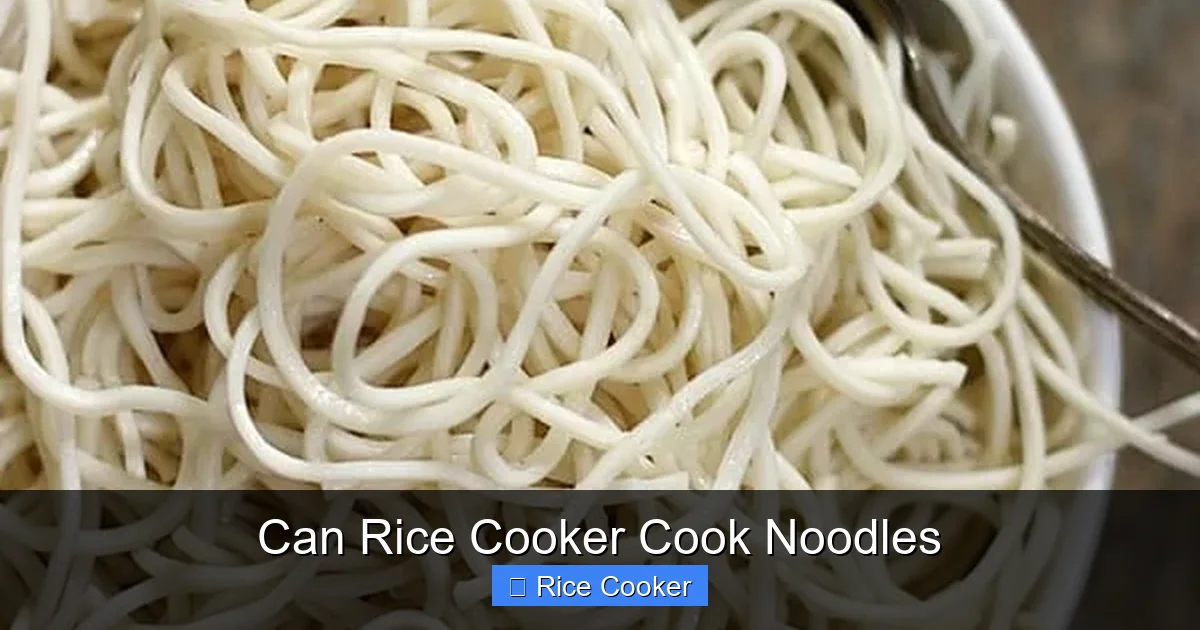
Visual guide about Can Rice Cooker Cook Noodles
Image source: cookclickndevour.com
Instant Noodles (e.g., Ramen)
Instant noodles are the easiest and most common choice for rice cooker cooking. Brands like Maruchan, Nissin, or Cup Noodles all work great. Simply break the package into pieces, add them directly to the inner pot with water, and cook for about 5–7 minutes.
Tip: For extra flavor, toss in the seasoning packet during the last minute of cooking. You can also add soft-boiled eggs, frozen vegetables, or a splash of soy sauce for a gourmet touch.
Dried Pasta (e.g., Spaghetti, Penne, Fettuccine)
Dried pasta takes longer to cook than instant noodles, usually needing 10–15 minutes in a rice cooker. Because rice cookers don’t boil as vigorously as a stovetop, the cooking time increases slightly. To prevent sticking, stir once halfway through cooking.
Pro Tip: Use a ratio of 4 cups of water per 8 oz of pasta. This mimics traditional pasta cooking and ensures proper hydration.
Fresh or Egg Noodles
Fresh noodles, such as Chinese egg noodles or Italian fettuccine, cook quickly—usually in just 3–5 minutes. Their delicate texture benefits from the gentle heat of a rice cooker, which prevents them from becoming tough or gummy.
Noodle Soups and Broths
This is where rice cookers truly shine. You can cook entire noodle soups like miso ramen, chicken pho, or Vietnamese bun bo Hue right inside the appliance. Just add broth, noodles, and any desired ingredients (like tofu, mushrooms, or greens), and let it simmer until heated through.
Step-by-Step Guide: How to Cook Noodles in a Rice Cooker
Cooking noodles in a rice cooker is simpler than you think. Follow these steps for foolproof results every time.
Step 1: Prepare Your Rice Cooker
Start by ensuring your rice cooker is clean and dry. If you’re using a model with a removable inner pot, take it out and wash it with warm, soapy water. Dry thoroughly before adding ingredients.
Step 2: Measure Water and Add Noodles
For most noodle types, use 3–4 cups of water per serving. Add the noodles directly into the pot. If you’re using instant noodles, break the package into smaller pieces to help them cook evenly.
Step 3: Select the Right Setting
Most rice cookers have a “Cook” or “White Rice” setting. For noodles, this works perfectly since it provides consistent heat without high boiling. Avoid the “Keep Warm” setting until after cooking is complete.
Step 4: Start Cooking
Close the lid and press the cook button. The rice cooker will begin heating the water. Once it reaches boiling point (usually within 5–10 minutes), it will switch to a simmer mode and maintain temperature automatically.
Step 5: Monitor and Stir (Optional)
For dried pasta, give the noodles a gentle stir after 5 minutes to prevent sticking. Don’t open the lid frequently—this lets heat escape and slows cooking.
Step 6: Test for Doneness
After the estimated cooking time (check your noodle package for guidelines), taste a strand to ensure it’s tender but still has a slight bite. Overcooked noodles will turn mushy.
Step 7: Drain and Serve
Once done, carefully pour the noodles and water into a colander or use a slotted spoon to remove them. Discard excess liquid. Rinse briefly with cold water if you want to stop the cooking process and reduce stickiness.
Tips for Perfect Noodle Results
Even with the right technique, small adjustments can make a big difference. Here are some expert tips to elevate your rice cooker noodle game.
Use a Steamer Basket (Optional)
If your rice cooker comes with a steamer basket, place the noodles inside it and suspend it over the water. This keeps noodles above the waterline, reducing the chance of sogginess. Great for delicate or long noodles like spaghetti.
Add Oil Sparingly
A teaspoon of oil can prevent noodles from sticking together. However, too much oil can leave a film on the inner pot and affect future rice cooking. A light spray is plenty.
Layer Ingredients Smartly
For one-pot meals, add harder-to-cook ingredients (like root vegetables) first, followed by noodles, then softer items (like spinach) near the end. This ensures everything cooks evenly.
Don’t Overfill
Never fill the rice cooker beyond ⅔ full. This leaves room for expansion as noodles absorb water and prevents overflow.
Experiment with Flavor Boosters
Add garlic, ginger, soy sauce, or sesame oil during the last minute of cooking for rich, aromatic results. Toss in frozen dumplings or edamame for added protein and texture.
Common Mistakes to Avoid
While rice cooker noodles are forgiving, a few common errors can ruin your meal. Here’s what to watch out for.
Mistake #1: Using Too Little Water
Underwatering leads to dry, clumpy noodles. Always follow the recommended water-to-noodle ratio. If you’re unsure, start with more water and drain off excess later.
Mistake #2: Opening the Lid Too Often
Each time you lift the lid, heat escapes. This prolongs cooking time and can result in unevenly cooked noodles. Only open the lid when necessary.
Mistake #3: Ignoring Cooking Times
Different noodles cook at different speeds. Instant noodles take 5 minutes; dried pasta may need 12. Use a timer and taste-test to avoid mushiness.
Mistake #4: Skipping the Drain Step
Leaving noodles sitting in their cooking water makes them soggy. Always drain thoroughly unless you’re making soup.
Mistake #5: Using Sticky or Greasy Packages
Some instant noodle packages are hard to open. Try breaking them with scissors or a knife to avoid messy spills inside the pot.
Rice Cooker vs. Stovetop: Which Is Better?
So, should you ditch the pot and stick to your rice cooker? Let’s compare the two methods.
| Feature | Rice Cooker | Stovetop |
|---|---|---|
| Ease of Use | Very easy—set and forget | Requires monitoring and stirring |
| Energy Efficiency | Uses less energy over time | Boiling water uses more gas/electricity |
| Cooking Control | Limited—depends on appliance settings | Full control over heat and timing |
| Texture Results | Consistent, gentle cooking | Can vary based on skill level |
| Cleanup | Easy—non-stick, often dishwasher-safe | More scrubbing required |
Verdict: For convenience and consistency, the rice cooker wins. But for precise control or large batches, the stovetop still has its place.
Creative Noodle Recipes You Can Make in a Rice Cooker
Ready to get creative? Here are three delicious recipes that showcase the rice cooker’s versatility.
1. Creamy Garlic Parmesan Pasta
Ingredients: 8 oz pasta, 3 cups water, 2 cloves garlic (minced), ¼ cup heavy cream, ½ cup grated Parmesan, salt, pepper.
Instructions:
- Cook pasta and garlic in rice cooker for 10 minutes.
- Drain excess water, leaving about ½ cup.
- Stir in cream and Parmesan. Cook on “Keep Warm” for 2 minutes.
- Season with salt and pepper. Serve immediately.
2. Vegetable Ramen Bowl
Ingredients: 1 pack instant ramen, 3 cups water, ½ cup frozen peas, ¼ cup shredded carrots, 1 green onion, 1 soft-boiled egg (optional).
Instructions:
- Add water and ramen to rice cooker. Break noodles into pieces.
- Cook for 5 minutes.
- Add peas, carrots, and egg (if using). Cook 2 more minutes.
- Garnish with green onions and enjoy.
3. Thai Coconut Noodle Soup
Ingredients: 8 oz rice noodles, 4 cups coconut milk, 2 cups chicken broth, 1 tbsp red curry paste, 1 cup sliced mushrooms, 1 cup bean sprouts, lime wedges.
Instructions:
- Combine coconut milk, broth, and curry paste in rice cooker. Cook 10 minutes.
- Add rice noodles and mushrooms. Cook 5 more minutes.
- Stir in bean sprouts. Serve hot with lime wedges.
Maintenance Tips for Your Rice Cooker
To keep your rice cooker performing well—especially after cooking noodles—follow these care instructions.
Clean Immediately After Use
Wipe the inner pot and lid while still warm. Use a soft sponge and mild detergent. Avoid abrasive scrubbers that can damage the non-stick coating.
Check the Heating Element
Over time, starch from noodles can build up on the bottom. If you notice scorching or uneven heating, clean the heating plate with a damp cloth and baking soda paste.
Store Properly
Ensure all parts are completely dry before storing. Moisture can lead to mold or rust. Keep the unit in a cool, dry place.
Avoid Metal Utensils
Always use silicone, wood, or plastic utensils to prevent scratching the non-stick surface. This preserves both the pot and your health (metal can flake off into food).
Final Thoughts: Is Your Rice Cooker Ready for Noodles?
In a world where kitchen appliances are expected to do more with less, the rice cooker stands out as a true multitasker. Its ability to cook noodles—whether instant, dried, or fresh—opens up a whole new realm of meal possibilities. No more cluttered stovetops, no more constant stirring, just simple, consistent results.
Of course, it’s not perfect for every situation. Large batches of pasta or complex broths might still require a pot. But for everyday meals, quick fixes, and flavorful one-pot wonders, your rice cooker is more than capable.
So next time you’re craving noodles, skip the boiling water. Grab your rice cooker, add a handful of ingredients, and let it work its magic. You might just discover your new go-to method for fast, delicious meals—with zero stress.
Frequently Asked Questions
Can I cook fresh pasta in a rice cooker?
Yes, fresh pasta works well in a rice cooker and usually takes just 3–5 minutes to cook. The gentle heat helps preserve its delicate texture without overcooking.
Do I need special noodles for a rice cooker?
No special noodles are required. Instant, dried, and fresh noodles all work, though cooking times vary. Stick to standard varieties for best results.
How much water do I use for rice cooker noodles?
Use about 3–4 cups of water per serving. Adjust based on noodle type—more for dried pasta, less for instant.
Can I make soup in a rice cooker with noodles?
Absolutely! Add broth, noodles, and your favorite ingredients. Cook until noodles are tender and soup is heated through.
Will noodles stick together in a rice cooker?
They might cling slightly, especially dried pasta. Stir once halfway through and avoid overfilling the pot to minimize sticking.
Is it safe to cook noodles in a rice cooker long-term?
Yes, as long as you clean the inner pot regularly. Starch buildup can affect future rice cooking, so maintenance is key.