

Yes, many rice cooker pots can go in the dishwasher—but not all. The key is understanding your specific model’s materials and manufacturer instructions. Using the dishwasher incorrectly may damage your cooker or void your warranty. We’ll walk you through how to check, clean, and maintain your rice cooker pot with confidence.
Have you ever finished cooking a perfect batch of jasmine rice only to wonder: *Can I just throw this pot in the dishwasher?* You’re not alone. Rice cookers are kitchen staples for busy households, but cleaning them properly can be tricky. After all, you want to keep your appliance safe, last longer, and continue cooking delicious meals without issues. One of the most common questions people ask is: **Can rice cooker pot go in dishwasher?** The answer isn’t a simple yes or no—it depends on several factors.
Let’s dive into everything you need to know about cleaning your rice cooker pot. From understanding materials and checking labels to learning when to hand wash versus machine wash, we’ve got you covered. Whether you’re using a basic electric rice cooker or a high-end multi-functional model, these tips will help you make informed decisions. And remember—cleaning your rice cooker isn’t just about convenience; it’s also about food safety and appliance longevity.
Key Takeaways
- Check the manufacturer’s manual: Always start by looking at your rice cooker’s user guide. It tells you exactly whether the pot is dishwasher-safe and under what conditions.
- Look for symbols on the pot: Dishwasher-safe indicators like the “Dishwasher Safe” symbol or a dishwasher icon stamped or printed on the handle or base are strong clues.
- Beware of non-stick coatings: Many modern rice cooker pots use non-stick surfaces that can degrade under high heat and harsh detergents found in dishwashers.
- Handle with care during loading: Even if dishwasher-safe, avoid placing heavy utensils on top of the pot or stacking it tightly to prevent chipping or warping.
- Hand washing is often safer: For long-term durability and performance, hand washing with mild soap and warm water is recommended for most rice cooker pots.
- Inspect regularly for damage: Cracks, scratches, or discoloration may indicate it’s time to replace the pot—especially if it affects heating or food safety.
- Warranty matters: Using a dishwasher when not approved can void your warranty, so always verify before tossing it in.
📑 Table of Contents
- Understanding Your Rice Cooker Pot Materials
- How to Tell if Your Rice Cooker Pot Is Dishwasher-Safe
- Pros and Cons of Using a Dishwasher for Rice Cooker Pots
- Step-by-Step Guide: How to Clean Your Rice Cooker Pot Safely
- Maintenance Tips for Long-Lasting Performance
- Common Mistakes People Make When Cleaning Rice Cooker Pots
- Alternatives to Dishwashing: Other Ways to Clean Rice Cooker Pots
Understanding Your Rice Cooker Pot Materials
Before you decide to toss your rice cooker pot into the dishwasher, take a close look at what it’s made of. Different materials respond differently to heat, detergent, and water pressure. Most modern rice cooker pots fall into one of three main categories: stainless steel, aluminum with non-stick coating, or ceramic.
Stainless steel pots are durable and resistant to corrosion. They’re often found in higher-end models and tend to hold up well in dishwashers—if they’re designed for it. Aluminum pots, while lightweight and great conductors of heat, are usually lined with a non-stick coating (like PTFE or ceramic). These coatings can break down over time when exposed to high temperatures and strong detergents, leading to peeling or flaking.
Ceramic-coated pots are another popular option. While they offer a smooth surface that’s easy to clean, they’re generally more delicate than stainless steel. High heat from the dishwasher cycle can cause cracking or fading of the glaze, which compromises both appearance and functionality.
So, the first step is identifying your pot’s material. Check the bottom or side of the pot for any markings indicating its composition. If you’re unsure, refer to your owner’s manual or contact the manufacturer directly.
Common Materials Used in Rice Cooker Pots
| Material Type | Durability | Dishwasher-Safe? | Notes |
|———————|————|——————|——-|
| Stainless Steel | High | Often Yes | Best for dishwashers if labeled |
| Aluminum + Non-Stick| Medium | Usually No | Heat & detergent damage risk |
| Ceramic-Coated | Low-Medium | Rarely | Prone to cracking in dishwashers |
As shown above, stainless steel tends to be the safest bet for dishwasher use—but only if your model allows it. Aluminum and ceramic options usually require gentler handling.
Why Material Matters for Cleaning
The way you clean your rice cooker pot affects not just its lifespan but also how well it cooks future meals. A scratched non-stick surface can release tiny particles into your food, and degraded coatings might leave behind unpleasant flavors or textures. Plus, if water seeps into cracks caused by aggressive cleaning, rust or mold could develop inside—leading to hygiene concerns.
That’s why knowing your pot’s material helps you choose the right cleaning method. When in doubt, err on the side of caution. Hand washing with soft sponges and mild soap usually preserves the integrity of your pot better than harsh machine cycles.
How to Tell if Your Rice Cooker Pot Is Dishwasher-Safe
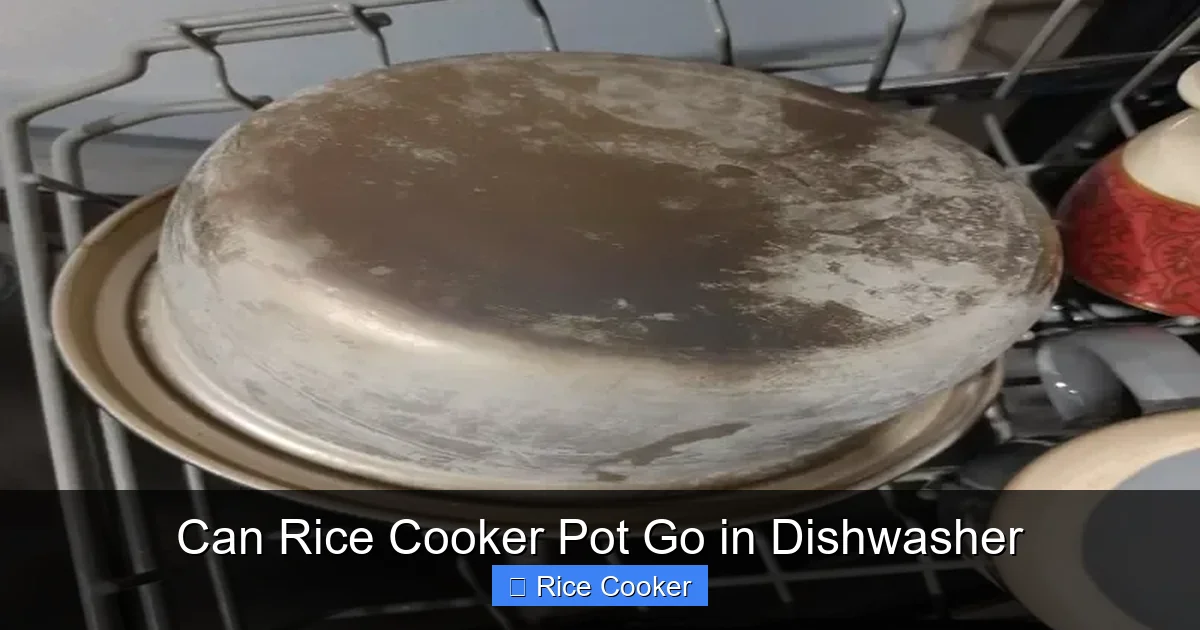
Visual guide about Can Rice Cooker Pot Go in Dishwasher
Image source: powersadvisor.com
So how do you actually determine whether your rice cooker pot can go in the dishwasher? Start with the obvious: check the label. Manufacturers often include clear instructions right on the packaging or on the pot itself.
Look for phrases like “Dishwasher Safe,” “Top Rack Only,” or “Not Recommended for Dishwashers.” Some brands even stamp a small dishwasher symbol onto the handle or rim—a triangle with waves inside. This is your green light!
But what if there’s no label? Or what if you inherited an old model without documentation? In those cases, consult the user manual. If you don’t have it anymore, search online using your rice cooker’s brand and model number. Manuals are frequently available as PDF downloads on manufacturer websites.
If you still can’t find information, call customer support. Reputable companies usually respond quickly and provide accurate guidance. It’s better to ask than risk damaging your appliance or voiding your warranty.
Signs Your Pot Might Not Be Dishwasher-Safe
Even if your pot looks fine, certain signs suggest it shouldn’t go in the dishwasher:
– The non-stick surface feels rough or bubbled after washing.
– There are visible cracks around the edges or base.
– The color has faded or changed significantly.
– Food sticks more easily than before (a sign of coating wear).
– You notice metallic taste in cooked rice—this indicates coating breakdown.
If you see any of these red flags, stop using the dishwasher immediately. Instead, switch to hand washing and monitor the condition closely.
What About Older Models?
Older rice cooker models may lack modern labeling standards. In such cases, assume the pot is not dishwasher-safe unless proven otherwise. Early non-stick coatings were less stable, making them especially vulnerable to machine washing. When upgrading or replacing older units, always read reviews and check specs to ensure compatibility with standard cleaning methods.
Pros and Cons of Using a Dishwasher for Rice Cooker Pots
Many people love using dishwashers because they save time and effort. But before you load up your rice cooker pot, consider both sides of the coin.
On the plus side, dishwashers provide consistent hot water and powerful scrubbing action, which can remove stubborn residue—like burnt-on rice or starch buildup—without extra elbow grease. For daily maintenance between deep cleans, a quick top-rack cycle might seem harmless.
However, the downsides often outweigh the benefits. Dishwashers expose dishes to extreme temperatures (up to 140°F+), prolonged moisture, and concentrated detergents. Over time, this can warp handles, fade labels, or weaken seals. For non-stick pots, the result is often permanent damage that ruins cooking performance.
Also, some dishwasher racks are too cramped, forcing you to place the pot upside down or crammed next to other items. This increases the chance of chipping or denting.
Ultimately, while occasional dishwasher use might seem okay, regular cycling can shorten your pot’s life dramatically.
When It Might Be Okay (Once in a While)
There are rare exceptions. If your rice cooker pot is fully stainless steel and explicitly marked as dishwasher-safe, you can occasionally run it through a gentle cycle. Just make sure:
– It goes on the top rack only.
– No heavy plates or utensils press against it.
– You use mild detergent and skip the heated dry setting.
Still, even then, hand washing remains the gold standard for preserving quality.
Step-by-Step Guide: How to Clean Your Rice Cooker Pot Safely
No matter whether you choose hand washing or the dishwasher, proper cleaning technique makes a big difference. Follow these steps to keep your rice cooker pot in top shape:
Hand Washing Instructions
- Cool Down First: Never wash a hot pot immediately after cooking. Let it cool completely to avoid thermal shock, which can crack the inner lining or base.
- Rinse Off Residue: Rinse the pot under warm water to remove loose rice grains or sauce.
- Use Mild Soap: Apply a drop of gentle dish soap to a soft sponge or cloth. Avoid abrasive scrubbers that scratch surfaces.
- Gently Scrub: Focus on areas with stuck-on food, but avoid scrubbing too hard—especially on non-stick coatings.
- Rinse Thoroughly: Make sure all soap residue is gone. Leftover suds can affect taste and texture.
- Dry Completely: Use a clean towel or let air-dry upside down on a rack. Moisture trapped inside promotes bacteria growth.
Dishwasher Tips (If Approved)
- Place on Top Rack: Bottom racks get hotter and have harsher spray patterns. Top racks are gentler.
- Face Upward: Position the pot so the opening faces upward, allowing drainage without pooling water inside.
- Avoid Heated Dry: Skip this feature if your pot has plastic parts or delicate finishes.
- Skip Harsh Detergents: Stick to mild, phosphate-free formulas.
Following these steps ensures your rice cooker stays hygienic and functional for years.
Maintenance Tips for Long-Lasting Performance
Beyond cleaning, regular maintenance keeps your rice cooker working smoothly. Here are some pro tips:
– Season New Pots: If your pot has a seasoned cast-iron base (rare in rice cookers), lightly coat it with oil and bake at low heat once before first use.
– Store Properly: Keep the lid on and store in a dry place. Don’t stack heavy items on top.
– Deep Clean Monthly: Once a month, soak the pot in warm vinegar-water solution (1:1 ratio) to dissolve mineral deposits from hard water.
– Replace When Needed: If the pot becomes pitted, cracked, or loses its non-stick properties, it’s time to buy a new one. Continuing to use damaged cookware risks health and performance.
Remember, investing a little extra time in care pays off in reliability and taste.
Common Mistakes People Make When Cleaning Rice Cooker Pots
Even experienced cooks sometimes slip up. Here are frequent errors to avoid:
– Using Steel Wool or Scouring Pads: These scratch surfaces permanently.
– Boiling Water Immediately After Cooking: Thermal shock causes warping.
– Ignoring Manufacturer Guidelines: Assuming “all pots are alike” leads to unnecessary damage.
– Skipping Drying Steps: Mold and odors develop in damp environments.
– Putting Lids and Handles in Together: They can chip or bend if jostled.
By steering clear of these traps, you’ll extend your appliance’s life and enjoy consistent results.
Alternatives to Dishwashing: Other Ways to Clean Rice Cooker Pots
If you’re hesitant about the dishwasher altogether, try these alternatives:
– Soak Before Washing: Fill the pot with warm water and let it sit for 15–20 minutes. Starchy residue loosens up, making scrubbing easier.
– Vinegar Soak: Mix equal parts white vinegar and water. Pour in, let sit overnight, then rinse. Great for removing odors and mineral buildup.
– Baking Soda Paste: For tough stains, mix baking soda with a little water into a paste. Apply, wait 10 minutes, then wipe away.
These methods are gentle, effective, and preserve your pot’s finish.
Frequently Asked Questions
Can rice cooker pot go in dishwasher if it has a non-stick coating?
Generally, no. Most non-stick coatings degrade under high dishwasher heat and harsh detergents. Hand washing is strongly recommended to maintain the coating’s integrity and prevent food contamination.
Is it safe to put my rice cooker pot on the top rack of the dishwasher?
Only if your pot is specifically labeled as dishwasher-safe. If so, place it on the top rack and avoid direct contact with other dishes. However, even then, hand washing is usually safer for longevity.
What happens if I accidentally put my rice cooker pot in the dishwasher?
If the pot wasn’t meant for dishwashers, you may notice warping, fading, or loss of non-stick properties. In severe cases, cracks or peeling could compromise food safety. Inspect carefully and discontinue dishwasher use immediately.
How often should I clean my rice cooker pot?
Clean after every use to prevent residue buildup. Perform a deeper clean monthly with vinegar or baking soda solutions to remove mineral deposits and maintain hygiene.
Can I use bleach or harsh cleaners on my rice cooker pot?
Never use bleach or abrasive chemicals. They damage finishes, create toxic fumes, and can leach harmful substances into your food. Stick to mild soap and natural cleaners.
Will using a dishwasher void my rice cooker warranty?
Yes, if your model isn’t dishwasher-safe and you use the dishwasher anyway. Always follow manufacturer guidelines to keep your warranty valid.