
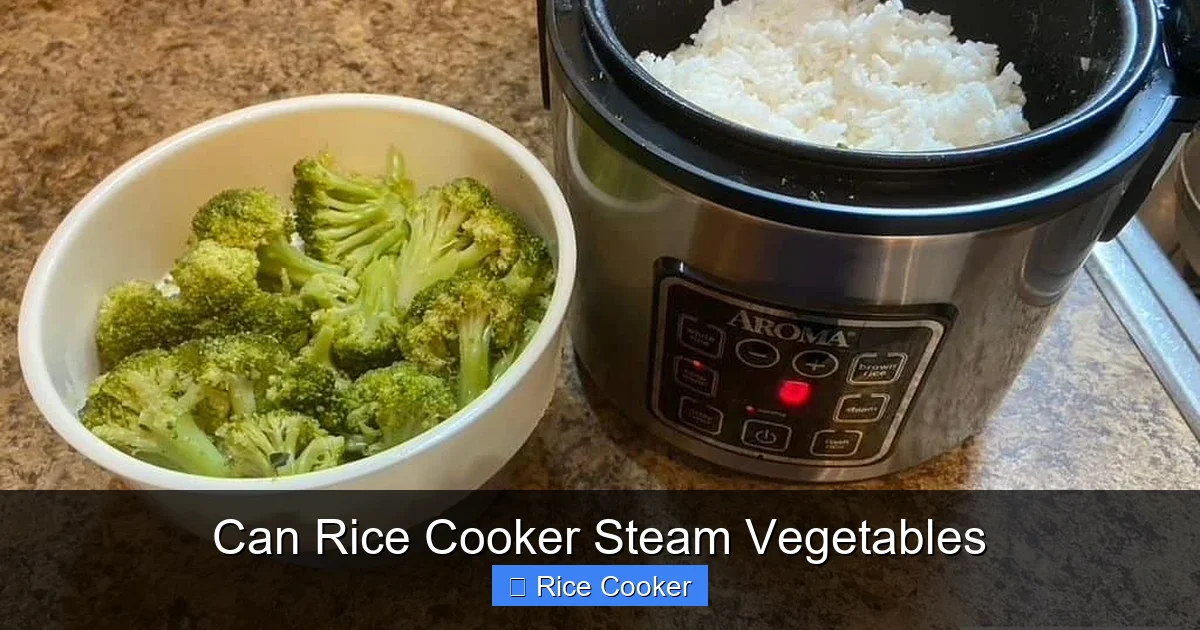
Yes, you can absolutely steam vegetables in a rice cooker! This clever kitchen appliance uses hot steam to cook veggies evenly while locking in nutrients and natural flavors. Not only is it simple and hands-off, but it also saves time and energy compared to boiling or microwaving.
Whether you’re prepping a quick side dish or meal-prepping for the week, steaming vegetables in your rice cooker delivers tender, vibrant results with minimal effort. It’s an eco-friendly, budget-friendly way to enjoy healthier meals without extra gadgets.
Key Takeaways
- Rice cookers are versatile: Beyond cooking rice, they excel at steaming vegetables using built-in steam trays and controlled heat settings.
- Nutrient retention: Steaming preserves vitamins like vitamin C and folate better than boiling, thanks to minimal water contact and shorter cooking times.
- Energy-efficient: Rice cookers use less electricity than stovetop steaming or microwaves, making them a green choice for daily cooking.
- Hands-off convenience: Once set up, the process requires no constant monitoring—perfect for busy lifestyles or multitasking in the kitchen.
- Customizable textures: Adjust cooking time based on vegetable type (e.g., carrots vs. broccoli) for ideal tenderness without overcooking.
- No special tools needed: Most modern rice cookers come with steaming baskets, eliminating the need for additional steamers.
- Ideal for meal prep: Batch-steam multiple portions at once, then refrigerate or freeze for quick, healthy sides throughout the week.
📑 Table of Contents
- Can Rice Cooker Steam Vegetables? The Surprising Kitchen Hack You Need to Try
- Why Steaming Vegetables Matters
- How a Rice Cooker Works for Steaming
- Best Vegetables to Steam in a Rice Cooker
- Tips for Perfectly Steamed Veggies Every Time
- Common Mistakes to Avoid
- Creative Ways to Serve Steamed Rice Cooker Veggies
- Are Rice Cooker-Steamed Veggies Healthier?
- Comparing Rice Cooker Steaming to Other Methods
- Final Thoughts: Why Upgrade Your Vegetable Game?
Can Rice Cooker Steam Vegetables? The Surprising Kitchen Hack You Need to Try
If you’ve ever stood over a pot of boiling water wondering how to cook vegetables without losing their color or crunch, you’re not alone. Many home cooks reach for the microwave or pop open a steamer basket—but what if I told you that your trusty rice cooker could do all the work? Yes, you read that right: your rice cooker isn’t just for oatmeal and jasmine rice. It’s actually one of the most underused appliances when it comes to healthy, hands-off vegetable cooking.
Steaming vegetables in a rice cooker is more than possible—it’s practical, nutritious, and shockingly easy. Whether you’re whipping up a last-minute dinner or planning ahead with meal prep, this method delivers perfectly cooked greens every time. In this article, we’ll walk through exactly how it works, why it’s better than other cooking methods, and give you foolproof tips to master vegetable steaming with your rice cooker.
Why Steaming Vegetables Matters
The Science Behind Steaming
Steaming is widely considered one of the healthiest ways to cook vegetables. Unlike boiling, which leaches water-soluble vitamins like vitamin C and B-complex into the cooking water, steaming uses dry heat from vapor to gently cook food. This means more nutrients stay locked inside your broccoli, spinach, or zucchini.
Visual guide about Can Rice Cooker Steam Vegetables
Image source: m.media-amazon.com
According to nutritional studies, boiling reduces vitamin C content by up to 50%, while steaming retains over 80%. Plus, because there’s no added fat or oil, steamed veggies maintain their natural flavors and vibrant colors—something fried or sautéed sides often lose.
Benefits Over Other Cooking Methods
- Boiling: Wastes nutrients in water; often results in mushy, flavorless vegetables.
- Sautéing/Frying: Adds unnecessary calories and can destroy heat-sensitive vitamins.
- Microwaving: Can create uneven spots and may alter texture, though it’s faster than boiling.
- Conventional Oven Roasting: Great for caramelization but takes longer and uses more energy.
Enter the rice cooker—a device designed to produce consistent, gentle heat and moisture, making it ideal for steaming delicate foods like leafy greens and root vegetables.
How a Rice Cooker Works for Steaming
The Basics of Your Rice Cooker
Most modern rice cookers have two main parts: the inner pot (where ingredients go) and a separate steaming tray or basket that sits above it. When you add water to the pot and turn it on, steam rises and circulates around the food in the tray. The heat remains steady, mimicking professional steamers without the bulk or cost.
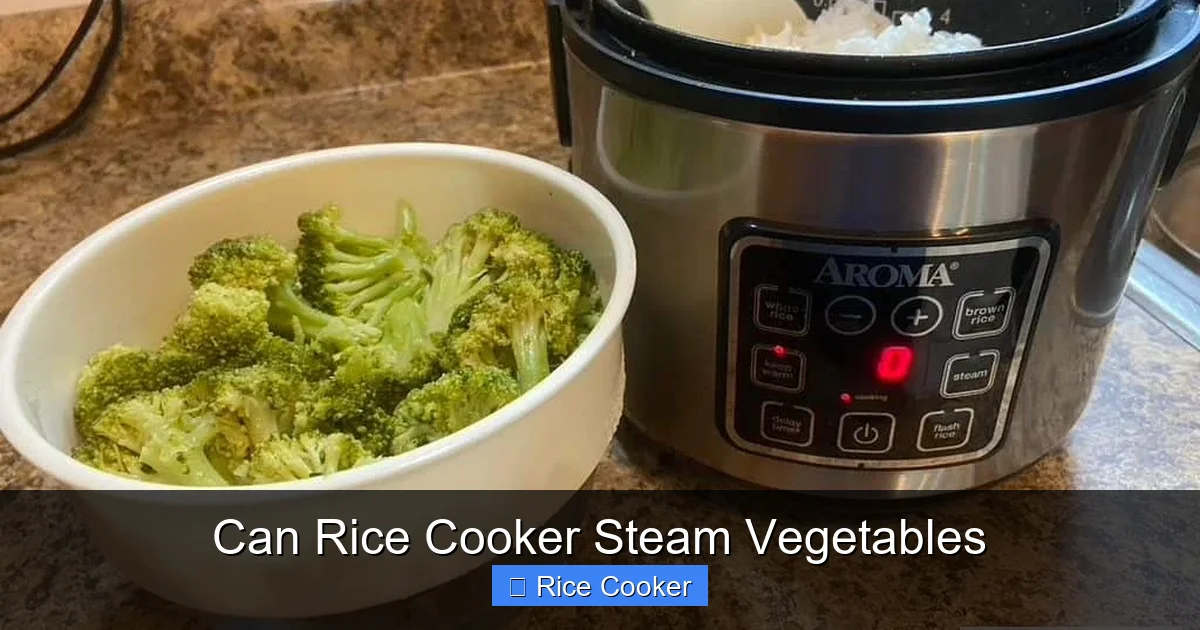
Visual guide about Can Rice Cooker Steam Vegetables
Image source: stretchrecipes.com
There are three common types of rice cookers:
- Basic Automatic: Simple on/off switch; ideal for beginners.
- Fuzzy Logic: Uses sensors to adjust temperature and timing; great for precise cooking.
- Programmable: Allows scheduled cooking; perfect for meal prep.
Regardless of model, all can be used for steaming—even older ones with manual controls.
Step-by-Step Process
- Add 1–2 cups of water to the inner pot (check your manual—some require less).
- Place a steaming basket inside the pot (ensure it doesn’t touch the bottom).
- Add chopped or whole vegetables to the basket (don’t overcrowd).
- Close the lid and select the “Steam” setting if available, or simply “Cook” mode.
- Cook for 5–15 minutes, depending on vegetable type and desired doneness.
- Check for tenderness with a fork; drain excess moisture before serving.
Pro tip: For leafy greens like spinach or kale, 5–7 minutes is usually enough. Harder vegetables like carrots or potatoes may need 10–15 minutes.
Best Vegetables to Steam in a Rice Cooker
Leafy Greens & Soft Vegetables
These cook quickly and benefit most from gentle steaming:
- Spinach & Kale: Retain bright green color and soft texture.
- Bok Choy & Swiss Chard: Keep crisp-tender with minimal cooking time.
- Arugula & Romaine: Best lightly steamed for salads or wraps.
Avoid over-steaming these—they become slimy if left too long. Use tongs to remove them as soon as they wilt slightly.
Root Vegetables & Hearty Options
Harder vegetables need more time but still shine in a rice cooker:
- Carrots, Beets, & Parsnips: Steam until fork-tender; pair with herbs like thyme.
- Sweet Potatoes: Cut into wedges; steam 10–12 minutes for creamy interiors.
- Zucchini & Summer Squash: Cook 6–8 minutes to avoid sogginess.
Mushrooms & Delicate Produce
Fungi and certain fruits respond well to low-heat steaming:
- Crimini & Shiitake Mushrooms: Steam 5–7 minutes to enhance umami flavor.
- Asparagus Tips & Artichoke Hearts: Perfect for elegant appetizers.
- Peas & Green Beans: Add toward the end of cooking to preserve snap.
Note: Avoid starchy tubers like potatoes if you plan to eat rice and potatoes together—the flavors might mix unintentionally.
Tips for Perfectly Steamed Veggies Every Time
Prep Like a Pro
Chopping vegetables uniformly ensures even cooking. Aim for pieces no larger than 1 inch thick. If using whole items (like cherry tomatoes or small mushrooms), toss them lightly with olive oil and a pinch of salt before steaming to prevent drying out.
Don’t Skip the Water
Even though you’re steaming, you still need water in the base pot. Too little = no steam. Too much = water ending up in your food. Start with 1 cup and adjust based on how long you’re cooking. A general rule: ½ cup per 5 minutes of steam time.
Use a Trivet or Silicone Mat
Placing a small trivet or silicone mat between the basket and pot prevents condensation from dripping onto your veggies. This keeps them dry and maintains texture.
Season After Cooking
Steamed vegetables taste best when seasoned post-cooking. Drizzle with lemon juice, sprinkle with sea salt, or finish with toasted sesame oil. Adding spices beforehand can make them bitter due to high heat exposure.
Batch Cooking Made Easy
Want to meal prep? Steam a large batch of mixed vegetables (carrots, broccoli, cauliflower) on Sunday. Cool completely, portion into containers, and store in the fridge for up to 4 days—or freeze for up to 3 months. Reheat quickly in the microwave or rice cooker with a splash of water.
Common Mistakes to Avoid
Overcrowding the Basket
Packing too many veggies blocks airflow, leading to uneven cooking. Always leave space between pieces so steam can circulate freely.
Using the Wrong Setting
Some rice cookers don’t have a dedicated “steam” button. Don’t worry—just press “Cook” and let it run. The key is patience; don’t open the lid frequently, or steam escapes and slows cooking.
Neglecting Drainage
After steaming, always drain any collected water from the basket. Leftover moisture makes veggies soggy. Use a colander or pat dry with a paper towel before adding dressings or seasonings.
Ignoring Natural Moisture
Veggies like eggplant or mushrooms release their own water during cooking. Add them last if you’re steaming a mix, or place them on top for quicker evaporation.
Not Cleaning the Basket
Food residue sticks to steaming trays. Rinse immediately after use, or soak in warm, soapy water. Some baskets are dishwasher-safe—check your manual!
Creative Ways to Serve Steamed Rice Cooker Veggies
Simple Side Dishes
Toss steamed carrots with honey, cinnamon, and a dash of butter for a kid-friendly dessert side. Or mix zucchini with garlic powder, olive oil, and fresh parsley for Mediterranean flair.
Meal Prep Bowls
Layer steamed broccoli, sweet potato cubes, and chickpeas over brown rice. Top with tahini dressing or sriracha mayo for a protein-packed lunch.
Stuffed Bell Peppers
Steam bell peppers until soft, then stuff with quinoa, corn, and black beans. Bake briefly for a hearty vegetarian meal.
Vegetable Medley Salads
Cool steamed asparagus and snap peas, then combine with arugula, shaved fennel, and pomegranate seeds. Finish with balsamic glaze.
Global Flavors
- Korean Style: Steam cabbage leaves with soy sauce, ginger, and sesame oil for kimchi base.
- Indian-Inspired: Add cumin, turmeric, and coconut milk to steamed cauliflower for a curry-like side.
- Italian Twist: Steam green beans with lemon zest, garlic, and pine nuts for Caprese-style bites.
Are Rice Cooker-Steamed Veggies Healthier?
Absolutely. Because steaming happens in a closed environment with minimal water and no added fats, it preserves more antioxidants, fiber, and essential minerals than boiling or frying. Studies show that steamed vegetables maintain higher levels of phytochemicals—natural compounds linked to reduced inflammation and disease prevention.
Plus, since you’re not adding butter or cream, you control the calorie count. A 1-cup serving of steamed broccoli has just 25 calories and packs 2 grams of fiber and 100% of your daily vitamin C—all without guilt.
Comparing Rice Cooker Steaming to Other Methods
| Method | Time | Nutrient Retention | Ease of Use | Energy Use |
|---|---|---|---|---|
| Boiling | 8–12 min | Low (nutrients lost in water) | Easy | Medium |
| Microwave | 3–6 min | Medium (varies by power) | Very Easy | Low |
| Oven Roasting | 20–30 min | High (for some veg) | Moderate | High |
| Rice Cooker Steaming | 5–15 min | High | Very Easy | Low |
As shown above, rice cooker steaming strikes the perfect balance between speed, nutrition, and convenience.
Final Thoughts: Why Upgrade Your Vegetable Game?
Let’s face it—healthy eating shouldn’t feel like extra work. With a rice cooker, you get restaurant-quality steamed vegetables in under 15 minutes, with zero babysitting. No splattering pans, no wasted water, and no fancy equipment required.
This kitchen hack is especially valuable for families, college students, or anyone juggling busy schedules. It transforms an ordinary appliance into a multi-tool for wellness. And the best part? You’re not sacrificing flavor or nutrition—you’re enhancing both.
So next time you reach for the microwave, pause and consider your rice cooker instead. Fill it with water, toss in some colorful veggies, and let science do the rest. Your body (and taste buds) will thank you.
Frequently Asked Questions
Can all rice cookers steam vegetables?
Most modern rice cookers with a steam tray can handle steaming. Even basic models work if they have a lid and heating element. Check your manual—some older units may lack a dedicated basket.
Do I need to add oil or butter when steaming vegetables in a rice cooker?
No! Steaming naturally enhances natural flavors. Add seasonings like salt, pepper, lemon juice, or herbs after cooking to preserve freshness and avoid bitterness.
How long does it take to steam vegetables in a rice cooker?
It depends on the vegetable. Leafy greens take 5–7 minutes; carrots or potatoes may need 10–15 minutes. Always check for tenderness with a fork before serving.
Can I steam frozen vegetables in my rice cooker?
Yes, but add extra time—about 2–3 minutes longer than usual. Thaw slightly first for even cooking. Avoid overloading to prevent water buildup.
Is it safe to leave the rice cooker unattended while steaming?
Yes, rice cookers are designed for hands-off operation. Just ensure there’s enough water and don’t open the lid unnecessarily, as steam loss slows cooking.
Can I steam meat or fish along with vegetables?
Absolutely! Fish fillets or chicken breasts steam beautifully in the basket alongside veggies. Cook meats first (usually 10–12 minutes), then add softer vegetables later to prevent overcooking.