
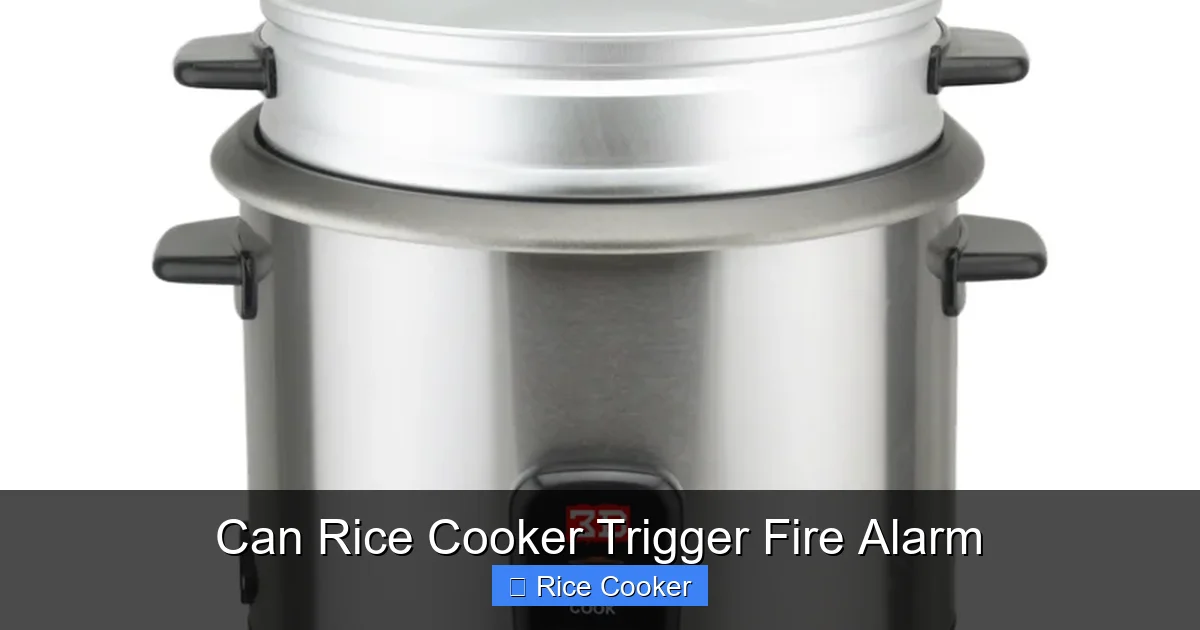
Can a rice cooker set off a fire alarm? Yes—especially if it smokes, burns food, or overheats. While rice cookers are generally safe appliances, improper use or malfunctions can release smoke or steam that activates smoke detectors. Understanding how smoke alarms work and taking simple precautions can help you enjoy your favorite meals without startling the whole house.
Key Takeaways
- Rice cookers can trigger fire alarms when they produce excessive smoke, steam, or burn food, which sets off smoke detectors.
- Smoke and steam are common culprits—even non-fire sources like boiling water or burnt rice can activate sensitive alarms.
- Improper use increases risk: leaving the cooker unattended, using damaged cords, or ignoring warning signs can lead to overheating.
- Location of the alarm matters: placing detectors too close to kitchens raises false alarm chances; proper placement reduces this risk.
- Regular maintenance prevents issues: cleaning the cooker, checking seals, and inspecting cords helps avoid malfunctions that cause smoke.
- Modern smoke detectors vary in sensitivity: ionization vs. photoelectric models react differently to kitchen fumes—understanding this helps manage expectations.
- Having both a fire alarm and a CO detector ensures broader safety coverage, especially in homes with multiple appliances.
📑 Table of Contents
- Can a Rice Cooker Really Trigger a Fire Alarm?
- The Science Behind Smoke Detectors and Kitchen Appliances
- Common Scenarios Where Rice Cookers Set Off Alarms
- How to Prevent Rice Cooker False Alarms
- What to Do If Your Rice Cooker Smokes
- Are All Rice Cookers Equal in Safety Risk?
- Beyond Rice Cookers: Other Kitchen Appliances That Can Trigger Alarms
- Final Thoughts: Cook Safely, Stay Alert
Can a Rice Cooker Really Trigger a Fire Alarm?
Have you ever been in the middle of dinner prep only to hear the shrill blare of a fire alarm echoing through your home? You’re standing in the kitchen, rice bubbling away in your trusty rice cooker, and suddenly—*beep-beep-beep*—the ceiling lights up red. Panic? Not yet. But confusion? Absolutely. So, can a rice cooker really trigger a fire alarm?
The short answer is: yes, it absolutely can. While rice cookers are designed for safe, hands-off cooking, they’re not immune to producing smoke, steam, or burning smells that activate smoke detectors. In fact, many homeowners report false alarms during rice or soup cooking sessions. But why does this happen? And more importantly, how can you cook your favorite dishes without setting off every alarm in the neighborhood?
Let’s dive into the science behind smoke detection, explore real-life scenarios, and arm you with practical tips to keep your kitchen both delicious and alarm-free.
The Science Behind Smoke Detectors and Kitchen Appliances
Visual guide about Can Rice Cooker Trigger Fire Alarm
Image source: thumbs.dreamstime.com
Before we talk about rice cookers specifically, let’s understand how smoke alarms work. Most residential smoke detectors fall into two main types: ionization and photoelectric.
Ionization detectors use a small amount of radioactive material to ionize the air inside a chamber. When smoke particles enter, they disrupt the electrical current, triggering the alarm. These are great at catching fast-flaming fires but sensitive to even tiny amounts of smoke, including those from cooking.
Photoelectric detectors, on the other hand, shine a light across a chamber. When smoke scatters the light, it hits a sensor and sounds the alarm. These are better at detecting smoldering fires and are less likely to go off from steam or grease.
Most modern alarms today use dual-sensor technology, combining both methods for balanced performance. But here’s the catch: no smoke detector is 100% foolproof against kitchen fumes.
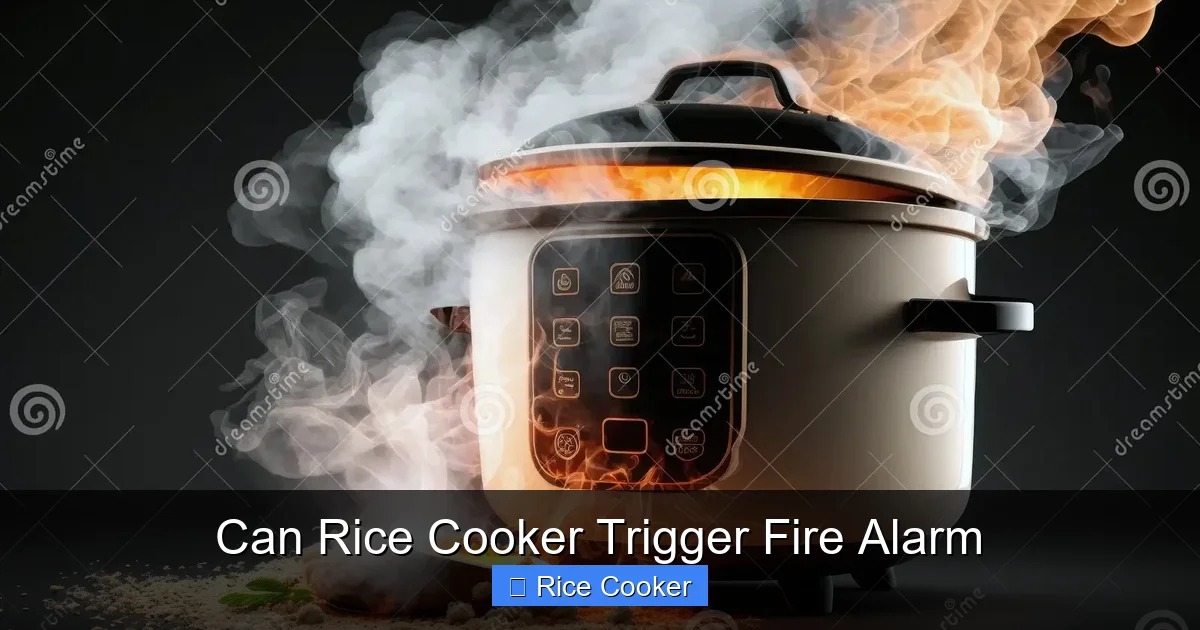
Now, imagine your rice cooker heating up a pot of water and rice. As the water boils, steam rises. If the rice starts to stick or burn near the bottom, tiny particles of carbonized starch float into the air. Even a faint wisp of smoke can be enough to trip an ionization-type alarm—especially if it’s positioned just inches above the stove or countertop.
Why Steam Isn’t Always Safe
You might think, “Steam isn’t smoke—why would it set off an alarm?” But here’s the thing: steam can carry moisture and tiny particles that confuse some detectors. High humidity or rapid temperature changes can also affect sensor accuracy. In fact, many fire departments report that over 90% of false alarms originate in kitchens, often due to cooking activities like boiling pasta, frying bacon, or yes—cooking rice.
So even if your rice cooker isn’t on fire, the act of cooking itself can create conditions ripe for a false alarm.
Common Scenarios Where Rice Cookers Set Off Alarms
Visual guide about Can Rice Cooker Trigger Fire Alarm
Image source: c8.alamy.com
Let’s look at real situations where rice cookers have triggered fire alarms. These aren’t myths—they’re documented incidents reported by homeowners, firefighters, and appliance reviewers.
Burned Rice and Carbon Particles
One of the most frequent causes is burned rice. When rice sticks to the bottom of the inner pot and isn’t stirred or monitored, it carbonizes. This produces a thin layer of blackened residue and releases smoke as the cooker continues to heat. That smoke rises directly upward—right toward any ceiling-mounted detector.
In one case shared by a homeowner in Texas, her smart rice cooker went into auto-warm mode after cooking. A few hours later, she noticed a faint smell of smoke. When she opened the lid, there was a charred crust on the bottom. The next morning, the smoke alarm had gone off during the night, likely triggered by residual particles still circulating in the air.
Overheating Due to Faulty Components
Sometimes, the problem isn’t user error—it’s a faulty thermostat or heating element. If the internal mechanism fails to shut off properly, the cooker can overheat. This may not cause flames, but it can generate enough heat to warp plastic parts, melt wiring insulation, or produce acrid smoke.
In extreme cases, a malfunctioning rice cooker has caused actual fires. While rare, these incidents underscore why regular inspection is crucial. A study by the Consumer Product Safety Commission found that electrical faults in kitchen appliances account for nearly 15% of home fires, with rice cookers being among the top contributors due to their constant heat exposure.
Using the Wrong Pot or Lid
Another overlooked factor is using an incompatible inner pot. Some rice cookers come with specific ceramic or non-stick pots designed for optimal heat distribution. Using a metal pot or one that doesn’t fit snugly can cause uneven heating, leading to hot spots and potential scorching.
Similarly, leaving the lid off during the cooking process increases evaporation and can raise humidity levels dramatically. While this might seem harmless, high moisture combined with warm air can create condensation on nearby surfaces—including smoke detector sensors—leading to false triggers.
How to Prevent Rice Cooker False Alarms
The good news? You don’t have to give up on fluffy jasmine rice or creamy congee. With a few smart habits, you can minimize the risk of triggering your fire alarm—or worse, damaging your appliance.
Choose the Right Location for Your Smoke Detector
If your kitchen already has a smoke detector near the ceiling above the counter, consider relocating it slightly. The National Fire Protection Association (NFPA) recommends installing alarms at least 10 feet away from cooking appliances to reduce false alarms. However, this isn’t always practical.
Instead, opt for photoelectric detectors in the kitchen. These are less prone to reacting to steam and cooking vapors. Many newer models even include “kitchen mode” settings that delay activation during cooking cycles.
Never Leave the Rice Cooker Unattended
This is rule number one. Even though modern rice cookers switch to “keep-warm” mode automatically, the initial cooking phase requires monitoring. If the water level is too low or the rice is packed too tightly, it can dry out and burn before the timer ends.
Set a timer on your phone as a backup reminder. Better yet, invest in a rice cooker with a built-in timer or smart features that alert you via app when cooking begins or completes.
Clean Your Rice Cooker Regularly
Built-up starch, oil residue, or mineral deposits inside the pot or heating plate can cause overheating and smoking. After each use, wash the inner pot with warm soapy water and wipe down the exterior. For stubborn grime, soak the pot overnight in vinegar-water solution (1:1 ratio), then scrub gently.
Also, check the sealing ring around the lid—it should be pliable and free of cracks. A worn seal allows steam to escape unevenly, increasing pressure and heat buildup.
Use the Correct Water-to-Rice Ratio
Too little water = dry, scorched rice. Too much = mushy results and prolonged cooking times that increase the chance of overheating. Follow manufacturer guidelines precisely. As a general rule, use 1 cup of long-grain white rice to 1.2–1.5 cups of water. Adjust slightly based on altitude and humidity.
Pro tip: Rinse rice before cooking. This removes excess starch that can contribute to clumping and burning.
Inspect Cords and Power Outlets
Frayed wires, loose plugs, or overloaded circuits can cause electrical resistance, leading to sparks or overheating. Replace damaged cords immediately. Never daisy-chain power strips under your rice cooker—it increases fire risk and reduces efficiency.
What to Do If Your Rice Cooker Smokes
Accidents happen. Maybe you forgot to rinse the rice, or the power went out mid-cycle and it resumed too hot. Here’s what to do if your rice cooker starts smoking:
- Unplug it immediately—don’t touch it while plugged in.
- Do not open the lid—smoke particles can spread.
- Ventilate the room by opening windows or turning on exhaust fans.
- Check for visible damage—burn marks, melted plastic, or burnt smells indicate internal issues.
- Discontinue use until inspected by a professional.
If the smoke alarm goes off during this process, calmly walk away from the area and allow the detector to reset. Don’t disable the alarm—your home needs protection.
Are All Rice Cookers Equal in Safety Risk?
Not all rice cookers are created equal. Cheaper models may lack advanced safety features like automatic shutoff, temperature control, or thermal fuses. Higher-end brands often include multiple layers of protection:
– Dual thermostats to prevent overheating
– Cool-touch exteriors
– Self-cleaning functions
– Smart sensors that detect abnormal heat patterns
When shopping, look for certifications like UL (Underwriters Laboratories) or ETL. These ensure the product meets strict safety standards.
Additionally, read user reviews for reports of smoking, burning, or electrical issues. Brands like Zojirushi, Panasonic, and Instant Pot consistently rank high in reliability and safety ratings.
Beyond Rice Cookers: Other Kitchen Appliances That Can Trigger Alarms
While rice cookers are common suspects, they’re far from the only culprits. Here’s a quick rundown of other appliances that can set off fire alarms:
– Toasters and toaster ovens: Burnt toast, crumbs igniting, or faulty heating elements.
– Dryers: Lint buildup near vents can spark.
– Coffee makers: Boiling water, steam, or overflow accidents.
– Microwaves: Overheated containers or metal objects.
– Deep fryers: Grease fires are serious business.
The key takeaway? Any appliance that generates heat, steam, or particulates can potentially trigger a smoke detector.
Final Thoughts: Cook Safely, Stay Alert
So, can a rice cooker trigger a fire alarm? Without a doubt. But with awareness and preparation, you can enjoy perfectly cooked grains without waking the neighbors or startling your family.
Remember: prevention beats panic. Clean your cooker, monitor its use, choose the right detector, and never assume “just a few minutes” is safe. And if something does go wrong? Stay calm, unplug the device, and let fresh air clear the way.
Your rice cooker is a kitchen hero—when used wisely. Treat it with care, and it will serve you well for years, delivering comfort meals without a single false alarm.
Frequently Asked Questions
Can a rice cooker actually start a fire?
Yes, although rare, rice cookers can start fires if they overheat due to mechanical failure, blocked ventilation, or improper use. Regular maintenance and following safety guidelines greatly reduce this risk.
Why did my smoke alarm go off while I was making rice?
It’s likely due to steam, burned rice, or tiny smoke particles rising from the cooker. Ionization-type alarms are particularly sensitive to airborne particles generated during cooking.
How far should a smoke detector be from a rice cooker?
Ideally, at least 10 feet away. If that’s not possible, install a photoelectric or dual-sensor alarm labeled “kitchen-safe” to reduce false alarms.
Should I disable my smoke alarm when cooking?
No. Disabling alarms compromises safety. Instead, relocate the detector, use a kitchen-mode setting, or move the cooker temporarily during high-risk cooking.
What type of rice cooker is safest?
Models with automatic shutoff, dual thermostats, and cool-touch designs are safest. Look for brands with strong safety records and UL/ETL certification.
How often should I clean my rice cooker?
After every use. Wipe the interior and exterior weekly to prevent buildup that could cause overheating or smoking during future cooks.