
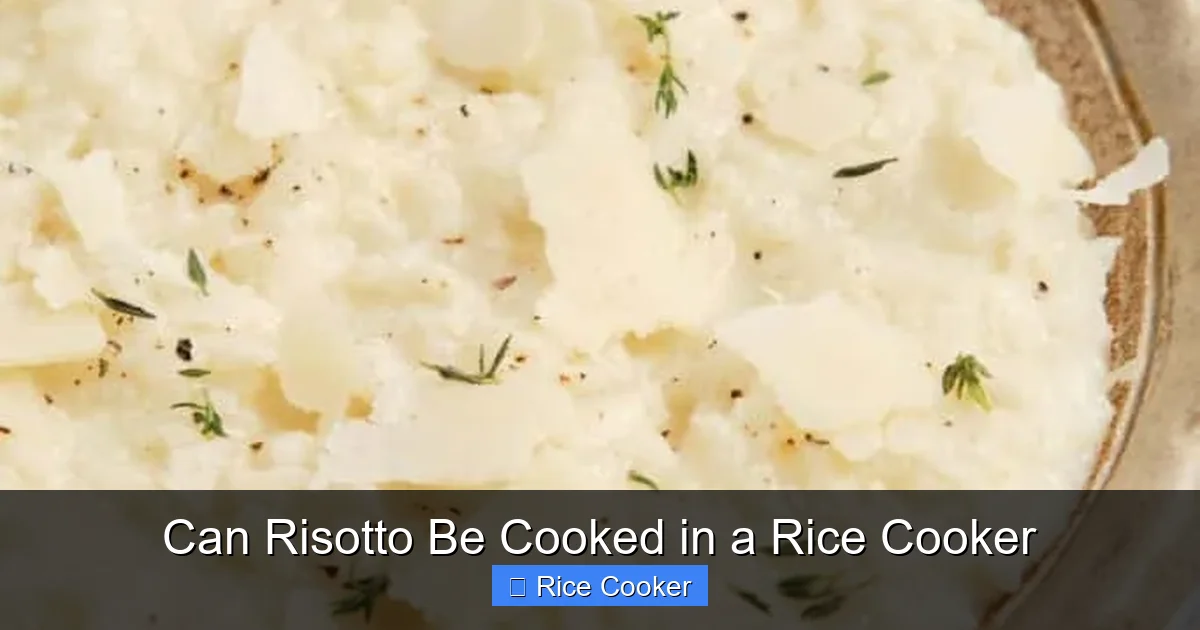
Cooking risotto in a rice cooker is not only possible—it’s easier than you think. With the right technique and ingredients, your rice cooker can produce creamy, tender risotto without constant stirring. Whether you’re a busy parent, a cooking beginner, or just tired of babysitting a pot on the stove, this method saves time while delivering delicious results.
Key Takeaways
- Risotto can absolutely be cooked in a rice cooker. It’s a convenient alternative to traditional stovetop methods and produces consistently creamy results.
- Using the correct rice type is essential. Arborio, Carnaroli, or Vialone Nano rice are ideal because they have high starch content, which gives risotto its signature creaminess.
- Pre-toasting the rice improves flavor. Sautéing the grains in butter or oil before adding liquid enhances depth and prevents sticking.
- The water-to-rice ratio matters. A typical ratio is 1.5 to 2 cups of liquid per 1 cup of rice, depending on desired consistency.
- Patience and timing are key. Most rice cookers take 18–25 minutes total, including absorption and steaming phases.
- Seasoning and finishing touches elevate the dish. Add Parmesan, herbs, or broth gradually for maximum flavor impact.
- Cleanup is simpler with a nonstick rice cooker. The sealed environment reduces splatters and makes washing up a breeze.
📑 Table of Contents
- Can Risotto Be Cooked in a Rice Cooker?
- Why Choose a Rice Cooker for Risotto?
- Choosing the Right Rice for Risotto
- Step-by-Step Guide: Making Risotto in a Rice Cooker
- Troubleshooting Common Issues
- Creative Variations: Beyond Plain Risotto
- Tips for Perfect Results Every Time
- Frequently Asked Questions
Can Risotto Be Cooked in a Rice Cooker?
If you love the creamy texture and rich flavors of risotto but hate the idea of standing over a hot stove, stirring for 20 minutes straight, then yes—you can absolutely make risotto in a rice cooker. In fact, many home cooks swear by this method for its convenience, consistency, and hands-off approach. While traditional risotto requires constant attention and stirring to release starch from the rice grains, a modern rice cooker automates much of that process. The result? A perfectly cooked, velvety risotto with minimal effort.
This method isn’t just a gimmick—it’s grounded in real cooking science. Rice cookers use precise temperature control and steam release mechanisms that mimic the slow absorption technique used in professional kitchens. When you combine that with the right ingredients and timing, you get a dish that rivals what you’d find at your favorite Italian restaurant. Plus, cleanup is way easier. No more scraping dried-on rice from the sides of a heavy pot. Just pop off the inner bowl and rinse it under warm water.
In this article, we’ll walk through everything you need to know—from choosing the best rice to seasoning and serving your homemade risotto. Whether you’re using an electric rice cooker with multiple settings or a basic one-pot model, we’ve got tips to help you succeed every time.
Why Choose a Rice Cooker for Risotto?
Before diving into recipes or techniques, let’s talk about why a rice cooker might be your new best friend in the kitchen. For starters, it removes the guesswork. On the stovetop, timing and heat management are critical. Too little heat, and the rice becomes mushy. Too much, and it dries out. With a rice cooker, you press a button and walk away. That’s it.
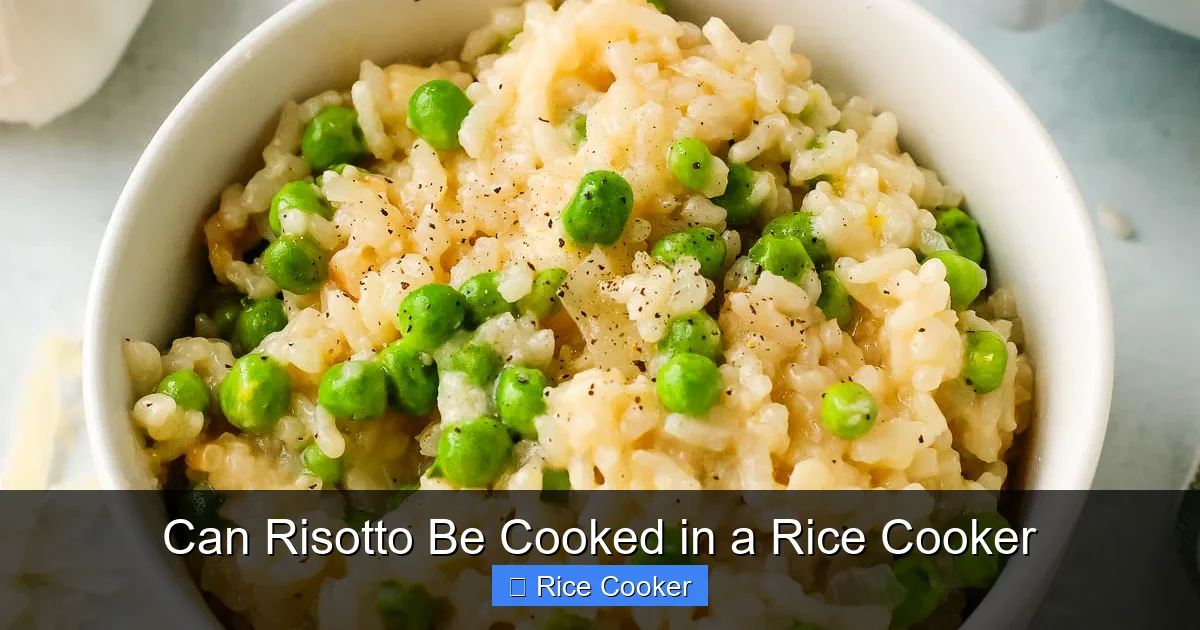
Visual guide about Can Risotto Be Cooked in a Rice Cooker
Image source: iheartvegetables.com
Consistency Over Convenience
One of the biggest advantages is consistency. Every batch comes out nearly identical because the machine handles the exact amount of water and heat needed. This is especially helpful when cooking for guests or meal prepping. You won’t end up with a half-done mess one night and a sticky disaster the next.
Energy Efficiency
Rice cookers use less energy than keeping a pot simmering on the stove. They also retain heat well during the warming phase, so your risotto stays warm without burning or drying out.
Hands-Off Cooking
Let’s be honest: sometimes you just don’t want to stand around stirring pasta for 30 minutes. The rice cooker frees up your time for other tasks—like chopping veggies, setting the table, or enjoying a glass of wine.
Better Texture Control
Many rice cookers come with specific modes like “Porridge,” “Congee,” or “Brown Rice.” Some even have a dedicated “Risotto” setting. These programs adjust water levels and cooking times to optimize texture. Even if yours doesn’t, you can still achieve great results by following the right steps.
Choosing the Right Rice for Risotto
Not all rice is created equal when it comes to risotto. Traditional recipes call for short-grain varieties that are high in amylopectin—a type of starch that gelatinizes easily and creates that luxurious, creamy mouthfeel. If you use long-grain rice like basmati or jasmine, your risotto will turn out dry and separate instead of smooth and cohesive.
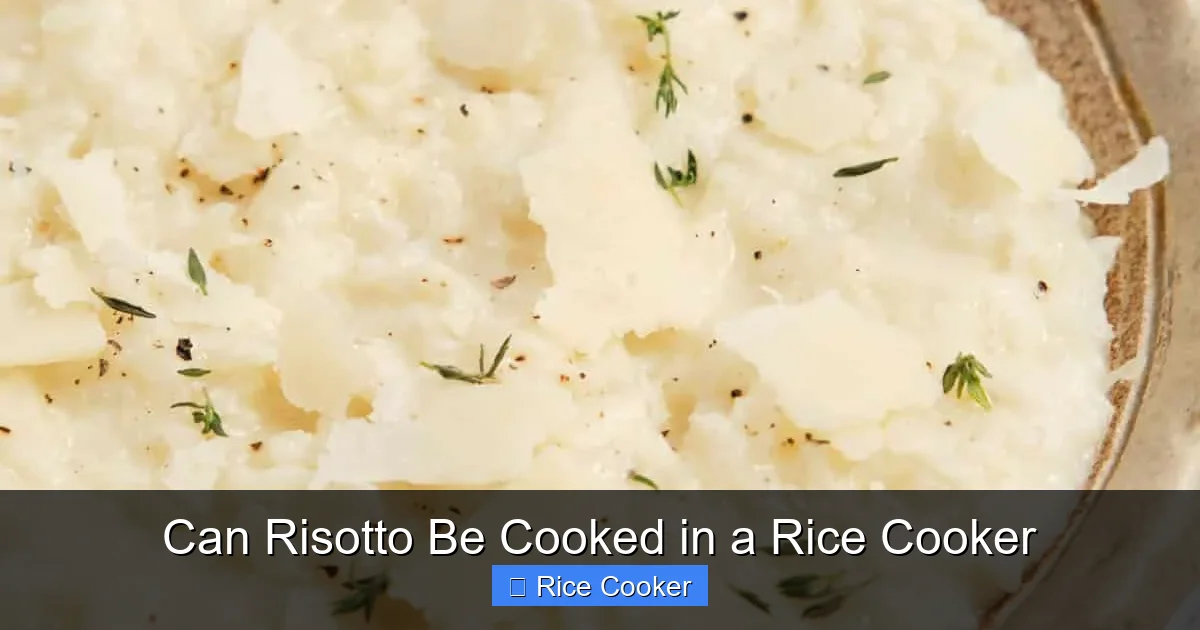
Visual guide about Can Risotto Be Cooked in a Rice Cooker
Image source: cdn.foodfaithfitness.com
Top Rice Types for Risotto
- Arborio: The most popular choice. Creamy, slightly chewy, and absorbs liquid beautifully.
- Carnaroli: Often called the “king of risotto rice.” It has even higher starch content than Arborio and holds its shape better.
- Vialone Nano: A smaller grain from Italy’s Veneto region. Tender yet firm, with excellent creaminess.
- Baldo: Another premium Italian variety known for its ability to absorb flavor without losing structure.
If you can’t find these specialty grains locally, check online retailers or ethnic grocery stores. They’re worth the investment—your risotto will thank you!
Avoid These Rice Varieties
Skip sushi rice (too sticky), converted rice (processed to remove bran), or instant rice (designed for speed, not texture). Stick to short-grain, high-starch options for the best outcome.
Step-by-Step Guide: Making Risotto in a Rice Cooker
Ready to try it yourself? Here’s a foolproof method that works with any standard rice cooker—even the cheapest models.
Gather Your Ingredients
Start with these basics:
- 1 cup Arborio, Carnaroli, or Vialone Nano rice
- 3–4 cups chicken or vegetable broth (warm)
- 2 tablespoons butter or olive oil
- Salt and pepper to taste
- Optional: onion, garlic, white wine, Parmesan cheese
Step 1: Toast the Rice
Heat your rice cooker insert over medium heat (if it’s stovetop-style) or use the sauté function if your model has one. Add butter or oil, then toss in the rice. Stir constantly for 2–3 minutes until the grains become translucent and emit a nutty aroma. This step builds flavor and prevents clumping later.
Step 2: Deglaze with Wine (Optional)
Pour in a splash of white wine (about ¼ cup). Let it bubble and evaporate completely—this adds brightness and complexity. If you skip this, no worries; your risotto will still taste great.
Step 3: Add Broth Gradually
Switch to the rice cooker’s main unit. Pour in enough broth to cover the rice by about an inch. Season lightly with salt. Close the lid and start the cook cycle. As the liquid absorbs, add more broth in small increments—usually every 5–7 minutes—until the rice reaches your preferred tenderness. Total cook time should be around 20–25 minutes.
Step 4: Finish and Serve
Once the rice cooker switches to “warm,” open the lid and fluff the risotto gently with a wooden spoon. Fold in grated Parmesan, extra butter, or fresh herbs like parsley or chives. Taste and adjust seasoning as needed. Serve immediately while hot and creamy.
Troubleshooting Common Issues
Even with the best tools and techniques, mistakes happen. Here’s how to fix them.
Too Watery or Mushy
If your risotto is soupy after cooking, drain excess liquid carefully with a fine-mesh strainer. Then return the rice to the cooker and let it sit for 2–3 minutes with the lid off to evaporate. Alternatively, stir vigorously to redistribute moisture and thicken the texture.
Rice Stuck to the Bottom
This usually happens if you didn’t toast the rice first or didn’t use enough fat. Always start with a hot pan and sufficient butter/oil. A nonstick insert helps, but proper prep is more important.
Undercooked Grains
If some rice remains hard, add another ½ cup of warm broth, close the lid, and cook for 3–5 more minutes on the “Keep Warm” setting. Don’t open the lid too often—it disrupts the cooking process.
Lack of Creaminess
Creaminess comes from starch release. Make sure you’re using the right rice, toasting it properly, and adding liquid gradually. Also, finish with plenty of cheese and butter—they make all the difference.
Creative Variations: Beyond Plain Risotto
The beauty of risotto is its versatility. Once you master the base recipe, you can customize it with almost any ingredient.
Mushroom Risotto
Sauté sliced mushrooms separately, then fold them into the finished risotto along with thyme and a generous handful of Parmesan.
Seafood Risotto
Add cooked shrimp, scallops, or mussels during the last 5 minutes of cooking. Use fish stock instead of chicken broth for extra oceanic flavor.
Asparagus & Lemon Risotto
Cheese Lovers’ Risotto
Mix in crumbled goat cheese, Gruyère, or truffle-infused oil toward the end for decadent indulgence.
Each variation maintains the creamy core while showcasing seasonal ingredients. Experiment freely—that’s part of the fun!
Tips for Perfect Results Every Time
- Use warm broth: Cold liquid slows down cooking and can shock the rice, leading to uneven texture.
- Don’t rush the process: Even though the rice cooker does the work, rushing the broth additions will ruin the mouthfeel.
- Fluff gently: Vigorous stirring can break apart the grains. Use a soft motion to maintain integrity.
- Finish strong: Never underestimate the power of good fats and cheeses at the end. They transform the dish.
- Clean as you go: Rinse the inner bowl while the cooker is still warm—it’s much easier than waiting.
Frequently Asked Questions
Do I need a special rice cooker for risotto?
No, any standard electric rice cooker works fine. However, models with a sauté function or adjustable settings give you more control over the initial toasting step.
Can I use leftover cooked rice?
Absolutely! Reheat it in the rice cooker with a bit of broth until warmed through. Add cheese or butter for extra richness.
How do I store leftovers?
Let cool completely, then transfer to an airtight container. Reheat gently on the stovetop with splashes of broth to restore creaminess. Avoid microwaving—it dries out the rice.
What if I don’t have broth?
You can use water, but add a bouillon cube or pinch of salt for depth. For vegetarians, vegetable stock is ideal.
Can I make risotto ahead of time?
It’s best served fresh, but cooled risotto freezes well for up to 3 months. Thaw overnight in the fridge, then reheat slowly.
Is risotto healthier than regular rice?
Not necessarily. The healthiness depends on added ingredients like butter, cheese, or fatty meats. But risotto provides more complex carbs and fiber due to the whole grain nature of short-grain rice.
Frequently Asked Questions
Do I need a special rice cooker for risotto?
No, any standard electric rice cooker works fine. However, models with a sauté function or adjustable settings give you more control over the initial toasting step.
Can I use leftover cooked rice?
Absolutely! Reheat it in the rice cooker with a bit of broth until warmed through. Add cheese or butter for extra richness.
How do I store leftovers?
Let cool completely, then transfer to an airtight container. Reheat gently on the stovetop with splashes of broth to restore creaminess. Avoid microwaving—it dries out the rice.
What if I don’t have broth?
You can use water, but add a bouillon cube or pinch of salt for depth. For vegetarians, vegetable stock is ideal.
Can I make risotto ahead of time?
It’s best served fresh, but cooled risotto freezes well for up to 3 months. Thaw overnight in the fridge, then reheat slowly.
Is risotto healthier than regular rice?
Not necessarily. The healthiness depends on added ingredients like butter, cheese, or fatty meats. But risotto provides more complex carbs and fiber due to the whole grain nature of short-grain rice.