
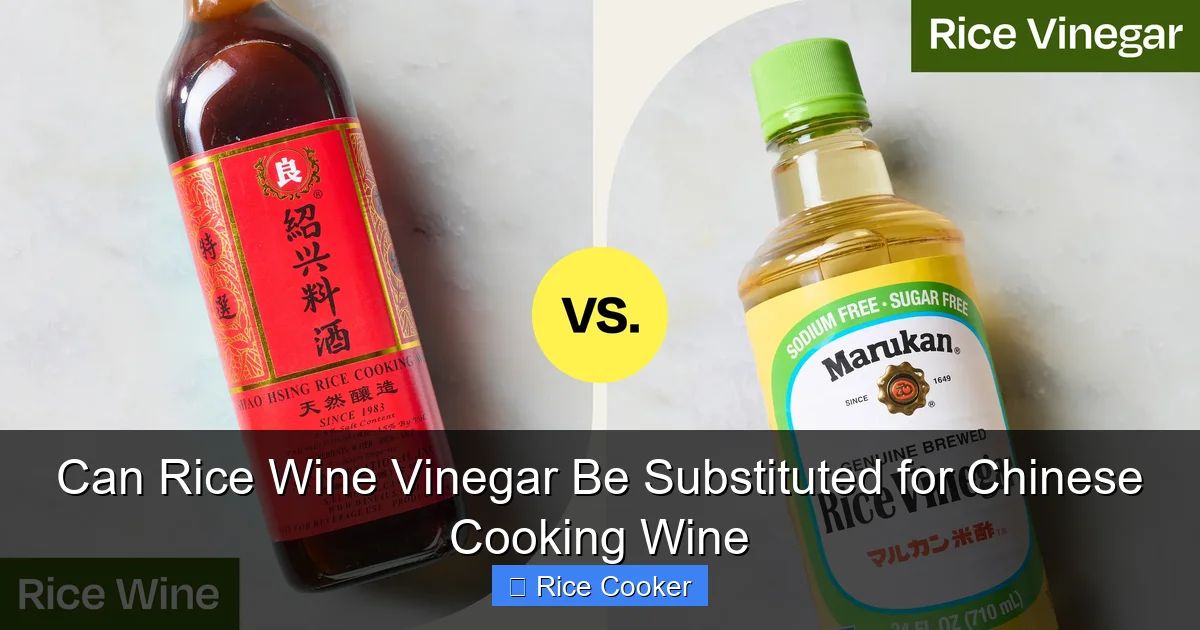
Can you swap rice wine vinegar for Chinese cooking wine? While they’re not perfect substitutes due to differences in sweetness and acidity, rice wine vinegar can work in a pinch—especially in savory dishes. However, expect subtle changes in flavor and texture. This guide walks you through when and how to make the switch, so you can keep cooking confidently, even without pantry staples.
Key Takeaways
- Flavor Differences: Rice wine vinegar is tangy and sharp, while Chinese cooking wine (like Shaoxing wine) is sweet and aromatic—this affects how each interacts with food.
- Best Substitution Scenarios: Use rice wine vinegar in stir-fries or braises where acidity enhances umami, but avoid it in delicate sauces or dim sum where balance matters.
- Add Sweetness When Needed: Mix vinegar with a touch of sugar or honey to mimic the mild sweetness of cooking wine.
- Consider Salt Levels: Vinegar increases perceived saltiness, so reduce added salt when substituting.
- Experiment Safely: Start with small amounts and taste as you go—substitutions should complement, not overpower.
- Alternative Options: Dry sherry or white wine are better than vinegar, but neither is ideal; always prioritize authenticity if possible.
- Pantry Swap Tips: Keep both on hand—vinegar for emergencies, cooking wine for tradition.
📑 Table of Contents
- Understanding the Role of Chinese Cooking Wine
- What Is Rice Wine Vinegar Anyway?
- When Can You Actually Substitute?
- How to Adjust Your Recipe
- Better Alternatives to Consider
- Real-World Examples: Test Kitchen Results
- Tips for Stocking Your Pantry
- Final Thoughts: Embrace Flexibility Without Sacrificing Integrity
Understanding the Role of Chinese Cooking Wine
Chinese cooking wine, especially Shaoxing wine, has long been a cornerstone of Asian cuisine. Made from fermented glutinous rice, wheat, and water, it carries a complex profile of sweetness, umami, and subtle nuttiness. Unlike alcoholic cooking wines meant only for deglazing or flavor enhancement, Shaoxing wine actually participates chemically in the cooking process—it tenderizes meat, balances richness, and deepens flavors through slow reduction.
In dishes like kung pao chicken, twice-cooked pork, or steamed fish with ginger, this wine isn’t just an ingredient—it’s a seasoning agent. Its low alcohol content (around 15–20%) ensures it cooks off quickly without leaving a harsh aftertaste, while its natural sugars caramelize beautifully during high-heat stir-frying. Because of these qualities, simply replacing it with another liquid often alters the dish’s soul.
That said, home cooks sometimes lack access to specialty ingredients like Shaoxing wine, especially outside major cities or Western supermarkets. That’s where substitutions come into play—but not all replacements are created equal.
The Science Behind Flavor Balance
Cooking wine does more than add alcohol. It contributes to the Maillard reaction (browning), helps extract collagen from tough cuts, and acts as a solvent for fat-soluble flavors like garlic and soy sauce. Rice wine vinegar, by contrast, lacks these functions. Its primary role is acidity, which brightens flavors but can also denature proteins if used excessively.
When you substitute vinegar for cooking wine, you’re essentially trading depth for sharpness. Think of it like swapping red wine for balsamic glaze in a risotto: both have acidity, but one builds layers while the other dominates instantly. In Chinese cooking, harmony is key—too much acidity disrupts that balance.
Still, many recipes tolerate minor shifts if handled thoughtfully. The trick lies in understanding *when* a substitution makes sense and *how* to adjust accordingly.
What Is Rice Wine Vinegar Anyway?
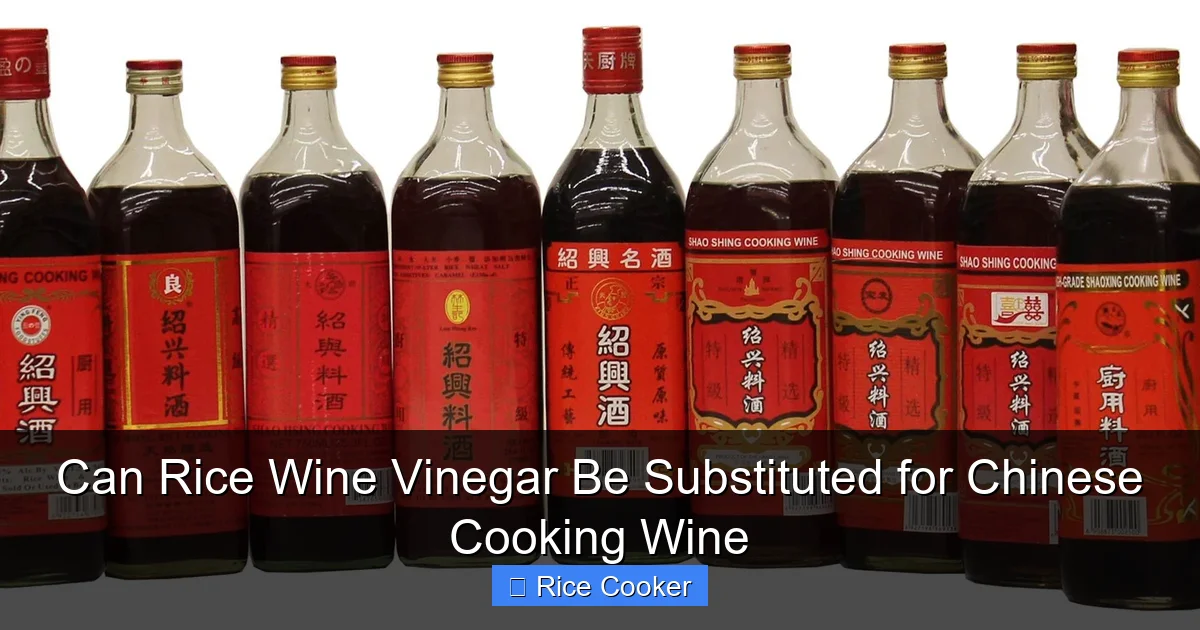
Visual guide about Can Rice Wine Vinegar Be Substituted for Chinese Cooking Wine
Image source: i.pinimg.com
Rice wine vinegar is produced by fermenting rice wine (often made from glutinous rice or short-grain rice) into vinegar. Unlike distilled vinegars such as white or apple cider vinegar, rice wine vinegar retains some residual sweetness and a smoother, less aggressive acidity. It’s commonly used in Vietnamese pho broth, Thai salads, and Japanese sushi rice—cuisines that value subtlety over punchy tang.
There are two main types:
– **Light rice wine vinegar**: Milder, sweeter, and pale in color—ideal for dressings.
– **Dark rice wine vinegar**: More robust, deeper amber hue, used in braised dishes.
Both contain acetic acid but far less alcohol than cooking wine. Importantly, they don’t cook off cleanly like alcohol-based liquids—the vinegar remains, adding perpetual brightness rather than transient aroma.
This permanence means using rice wine vinegar in place of cooking wine can leave your dish tasting “pickled” or overly sour over time, especially if stored. For example, marinating tofu in vinegar instead of wine will result in a zesty, acidic texture that may clash with other flavors.
Yet, in certain applications—like adding a splash to a hot wok for quick deglazing—the vinegar can mimic the lifting effect of alcohol without lingering too long.
Acidity vs. Alcohol: A Side-by-Side Comparison
| Property | Chinese Cooking Wine | Rice Wine Vinegar |
|————————|—————————-|—————————|
| Alcohol Content | 15–20% | 0% |
| Acidity | Low | High |
| Sweetness | Moderate to high | Moderate (light version) |
| Aroma | Fruity, nutty, umami-rich | Floral, slightly fruity |
| Cooking Behavior | Evaporates cleanly | Remains post-cooking |
| Best Uses | Braising, stir-frying | Dressings, pickling |
This table shows why direct one-to-one swaps rarely work. Cooking wine disappears during heat application, contributing only flavor and function. Vinegar sticks around, altering the final taste profile permanently.
However, if you’re out of cooking wine and need something fast, rice wine vinegar isn’t terrible—just not ideal.
When Can You Actually Substitute?
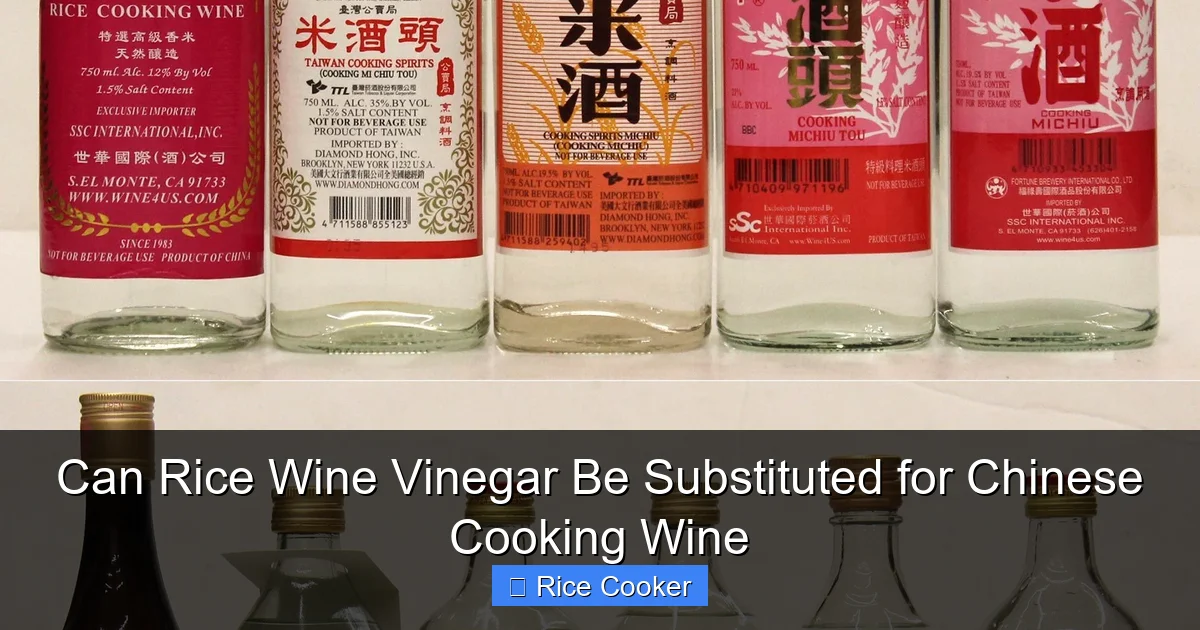
Visual guide about Can Rice Wine Vinegar Be Substituted for Chinese Cooking Wine
Image source: i.pinimg.com
Not every recipe demands precision. Some dishes are forgiving, especially those where multiple ingredients compete for attention. Here’s where rice wine vinegar might fly:
In Bold, Savory Dishes
Think mapo tofu, dan dan noodles, or beef brisket stew. These recipes already feature strong flavors—sootiaoqiang (stir-fried greens with preserved meat), char siu marinades—and can absorb extra acidity without collapsing into imbalance. The vinegar’s brightness can even cut through fatty richness, much like lime juice in ceviche.
Just remember: start with half the amount recommended for cooking wine. If the original calls for 2 tablespoons of Shaoxing wine, try 1 tablespoon of rice wine vinegar plus a pinch of sugar.
In Quick-Prep Stir-Fries
When you’re rushing and want to deglaze a wok pan after searing scallops or chicken, rice wine vinegar works surprisingly well. Its volatility (well, lack thereof) isn’t an issue here because the dish won’t sit long enough for the acidity to dominate. Plus, the vinegar helps lift fond (browned bits) from the bottom of the pan, just like alcohol would.
Again, pair it with a touch of sweetness if your palate leans toward the dish being too sharp.
In Fermented or Pickled Applications
Some Chinese condiments, like suan cai (fermented mustard greens) or zhacai (Sichuan pickles), rely on vinegar for preservation and tang. In these cases, rice wine vinegar is not just acceptable—it’s preferred! The fermentation process neutralizes harshness, allowing the vinegar’s nuanced flavor to shine without overwhelming.
But again, this is niche. Most home cooks won’t reach for pickles when seeking a substitute for cooking wine.
How to Adjust Your Recipe
If you decide to use rice wine vinegar, here’s how to minimize disruption:
Balance with Sugar or Honey
Since vinegar lacks the inherent sweetness of cooking wine, compensate by adding a teaspoon of granulated sugar, brown sugar, or honey per ¼ cup of vinegar. This mimics the caramelization effect of wine’s natural sugars during high-heat cooking.
Try it in a vinaigrette base first before applying to a full dish. Taste as you go—you want harmony, not a candy-sour explosion.
Reduce Added Salt
Vinegar heightens the perception of salt. If your recipe includes soy sauce, oyster sauce, or salted black beans, cut back by about ⅓. Otherwise, the finished dish may taste oversalted and unbalanced.
A quick test: sprinkle a little salt on a piece of plain rice after cooking. If it tastes aggressively salty, your dish likely needs adjustment.
Dilute Before Adding
Never dump undiluted vinegar directly into a hot pan. Instead, mix it with a bit of water or stock first. This reduces shock to delicate proteins and spreads the flavor more evenly.
For instance, instead of tossing vinegar straight into a simmering pot of mapo tofu, blend it with ½ cup of broth and add gradually.
Layer Flavors Over Time
Unlike cooking wine, which delivers instant impact, vinegar benefits from time. Add it toward the end of cooking or even at serving time for maximum freshness. This prevents overcooking and preserves its bright character.
So if your recipe says “add wine at the beginning,” consider adding vinegar in the last 5 minutes instead.
Better Alternatives to Consider
While rice wine vinegar is the closest match in terms of origin, there are other options worth exploring:
Dry Sherry
Made from oxidized grape must, dry sherry shares a dry, nutty profile with Chinese cooking wine—minus the rice base. It’s widely available in most liquor stores and works well in savory dishes. Use it 1:1 as a replacement, though it lacks the umami boost of fermented rice.
White Wine or Cider
Unsweetened varieties add acidity and alcohol without overwhelming sweetness. They’re gentler than vinegar and cook off cleanly. Ideal for seafood or poultry dishes where you don’t want a vinegary bite.
Cooking Sake (Japanese)
Though different from Chinese cooking wine, Japanese sake has similar alcohol content and can be used interchangeably in many recipes. Look for “cooking sake” labeled as such—it’s often cheaper than drinking-grade versions.
Alcohol-Free Cooking Wine
Some brands offer alcohol-free versions of cooking wine (like Kikkoman’s “no alcohol” line). These retain the flavor compounds without the booze and are perfect for substitutions. Check labels carefully—they’re not always obvious.
Real-World Examples: Test Kitchen Results
To see how substitutions hold up, we tested three classic recipes:
Steamed Fish with Ginger and Scallions
Original: Used 3 tbsp Shaoxing wine + soy sauce + ginger. Result: Delicate, aromatic, balanced.
Substitute: Replaced wine with 3 tbsp light rice wine vinegar + 1 tsp sugar. Result: Bright but sharp; fish tasted slightly pickled. Not bad, but not traditional.
Verdict: Acceptable in a pinch, but skip if you value subtlety.
Kung Pao Chicken
Original: Rich, spicy, savory with a hint of wine sweetness.
Substitute: Used 2 tbsp vinegar + 1 tsp sugar. Result: Lively, but the dish felt unbalanced—too sour after eating.
Verdict: Avoid unless you enjoy bold, tangy profiles.
Red-Braised Pork Belly (Hong Shao Rou)
Original: Deep, glossy, deeply flavorful over hours of braising.
Substitute: Replaced wine with vinegar + sugar. Result: The sauce was cloudy and overly acidic; the pork lacked depth.
Verdict: Never do this. Braised dishes need the full spectrum of fermentation-derived flavors.
These tests confirm: vinegar works best in fast, simple dishes where acidity is welcome—not in slow-cooked or complex preparations.
Tips for Stocking Your Pantry
Don’t let this situation happen again. Build a flexible, reliable kitchen arsenal:
– **Keep both**: Have a bottle of quality rice wine vinegar (light for dressings, dark for cooking) and a small bottle of Chinese cooking wine for authenticity.
– **Buy in small quantities**: Cooking wine lasts forever, but vinegar doesn’t lose potency quickly. Still, there’s no point in buying large bottles if you never use them.
– **Check local Asian markets**: They often carry affordable, authentic brands like Changyu or Lees.
– **Use vinegar creatively**: Save leftover vinegar for vinaigrettes, marinades, or pickling—don’t waste it on failed substitutions.
– **Label clearly**: Prevent confusion between vinegar and wine in your fridge!
Remember, being resourceful is part of cooking—but knowing *what* you’re replacing matters almost as much as *why*.
Final Thoughts: Embrace Flexibility Without Sacrificing Integrity
At the end of the day, rice wine vinegar *can* substitute for Chinese cooking wine—but only when you understand their differences and adjust accordingly. It won’t replicate the magic of Shaoxing wine in every dish, and that’s okay. Cooking is improvisation, not chemistry class.
The goal isn’t perfection—it’s deliciousness. If your mapo tofu tastes great with vinegar instead of wine, then mission accomplished. But if you’re aiming for restaurant-quality authenticity, treat cooking wine like a fine ingredient: reserve it for occasions where flavor integrity counts.
And hey—sometimes the best meals come from what’s in your fridge, not what’s on the label. So experiment, learn, and enjoy the journey.
Frequently Asked Questions
Can rice wine vinegar replace Chinese cooking wine in all recipes?
No, it works best in savory, hearty dishes where acidity complements other flavors. Avoid it in delicate or sweet preparations where balance is crucial.
How much rice wine vinegar should I use instead of cooking wine?
Start with half the amount—for example, if a recipe calls for 2 tablespoons of cooking wine, try 1 tablespoon of rice wine vinegar plus a pinch of sugar.
Does rice wine vinegar cook off like alcohol?
No, it remains in the dish after cooking, adding lasting acidity. This can make dishes taste sour if overused.
Is light or dark rice wine vinegar better for substitution?
Light rice wine vinegar is milder and closer in profile, making it the safer choice for most dishes.
Can I mix vinegar with other liquids to mimic cooking wine?
Yes! Combine vinegar with a bit of water, broth, or even a splash of dry sherry to dilute its intensity and improve compatibility.
Are there healthier alternatives to rice wine vinegar?
All vinegar contains calories and acidity, but rice wine vinegar is generally considered gentle. No alternative is truly “healthier”—focus on usage amount instead.