
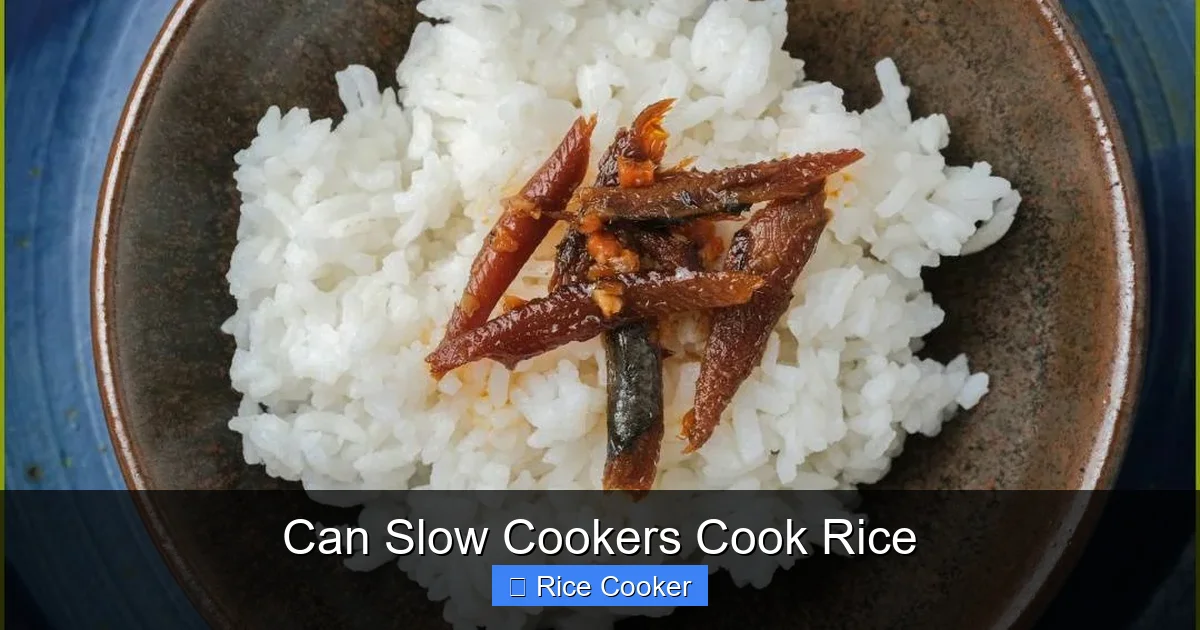
Can slow cookers cook rice? Absolutely — with the right technique, your slow cooker can produce fluffy, tender, and delicious rice without any extra effort. Unlike traditional methods that require constant monitoring, a slow cooker does the hard work for you by using gentle, consistent heat over several hours. Whether you’re cooking white rice, brown rice, or even specialty grains like quinoa, a slow cooker offers convenience and hands-off cooking that fits perfectly into busy lifestyles. Plus, it’s great for meal prep and one-pot meals. Keep reading to learn the best practices, ratios, and troubleshooting tips for mastering rice in your slow cooker.
Key Takeaways
- Slow cookers can cook rice successfully: With proper water-to-rice ratios and cooking times, slow cookers yield fluffy, evenly cooked grains.
- Brown rice requires longer cooking: Brown rice needs more liquid and a longer cook time than white rice due to its bran layer.
- Use the right pot size: Choose a slow cooker insert that matches your rice quantity to prevent overflow or uneven cooking.
- Natural release is key: Let rice rest for 5–10 minutes after cooking to allow steam to distribute and grains to firm up.
- Flavor enhancements are easy: Add broth instead of water, toss in herbs, or mix in vegetables for a complete, nutritious meal.
- Troubleshooting helps avoid mushiness: Adjust liquid if rice is too wet, or stir gently if it sticks — but avoid over-stirring.
Quick Answers to Common Questions
Can I cook rice in a slow cooker without rinsing it?
Yes, but rinsing helps remove excess starch, which can make rice stickier. Rinsing promotes fluffiness, especially for white or jasmine rice.
How long does it take to cook rice in a slow cooker?
White rice takes 2–3 hours on low or 1–2 hours on high. Brown rice needs 3–4 hours on low or 2–3 hours on high. Always check for doneness.
Can I cook frozen rice in a slow cooker?
No, frozen rice won’t cook evenly and may stay icy inside. Always use dry, uncooked rice.
What can I use instead of water?
Chicken, beef, or vegetable broth adds flavor. Apple juice or coconut milk work well for sweet dishes like rice pudding.
Why is my slow-cooked rice mushy?
Too much liquid, opening the lid too often, or not letting it rest can cause mushiness. Check your ratios and avoid peeking.
📑 Table of Contents
- Can Slow Cookers Cook Rice? The Definitive Guide
- How Does a Slow Cooker Work for Cooking Rice?
- Types of Rice That Work Best in a Slow Cooker
- Step-by-Step Guide to Cooking Rice in a Slow Cooker
- Common Mistakes and How to Fix Them
- Creative Ways to Cook Rice in a Slow Cooker
- Tips for Perfect Slow-Cooked Rice Every Time
- Slow Cooker vs. Rice Cooker: Which Is Better?
Can Slow Cookers Cook Rice? The Definitive Guide
You’ve probably seen those handy kitchen gadgets — rice cookers, pressure cookers, air fryers — all promising perfectly cooked grains with minimal effort. But what about your trusty slow cooker? That big, round pot that’s been warming up soups, stews, and chili for years? Can slow cookers cook rice?
The short answer is yes. And not just yes — they can make rice that’s nearly as good as rice from a dedicated appliance. In fact, many home cooks swear by using their slow cooker for rice because it’s convenient, hands-off, and works beautifully when used correctly. Think about it: no standing over the stove, no worrying about burning or sticking. Just set it and forget it — until dinner’s ready.
But before you dump a cup of rice into your crockpot, there are a few things you need to know. Different types of rice behave differently. Water ratios matter. Cooking times vary. And if you don’t let the rice rest afterward, it might turn out gummy or undercooked. So while slow cookers can absolutely cook rice, doing it well takes a little know-how.
How Does a Slow Cooker Work for Cooking Rice?
At first glance, cooking rice in a slow cooker seems counterintuitive. After all, rice needs direct, dry-heat contact with a hot surface — like a saucepan — to absorb moisture properly and develop that fluffy texture. A slow cooker, on the other hand, operates at low temperatures over long periods and keeps everything covered, creating a moist environment.
Visual guide about Can Slow Cookers Cook Rice
Image source: ovenspot.com
But here’s the secret: slow cookers use saturated heat transfer through steam and evaporation. When rice absorbs the right amount of water and heat, the starch molecules break down just enough to create soft, separate grains — exactly what you want. It’s not as fast as boiling or steaming, but the gentle, steady heat allows the rice to cook evenly without scorching.
The Science Behind Slow-Cooked Rice
Rice contains starches that gelatinize when heated in water. In a conventional pot, this happens quickly under high heat. In a slow cooker, the process is slower, but still effective. The low-and-slow method prevents the outer layers from hardening before the center cooks through — a common issue with rushed cooking methods.
Additionally, the sealed lid traps steam, which helps keep the rice moist and tender. This is especially helpful for whole grains like brown rice, which have a higher fiber content and take longer to soften.
Why Use a Slow Cooker Instead of a Rice Cooker?
While dedicated rice cookers are optimized for grain cooking — with precise temperature control and automatic shutoff — slow cookers offer flexibility. You can cook rice alongside beans, meat, or vegetables in one pot. It’s ideal for meal preppers, families, or anyone who wants a full, hands-free meal.
Also, many people already own a slow cooker and don’t want to invest in another appliance. With the right technique, you can get excellent results without extra equipment.
Types of Rice That Work Best in a Slow Cooker
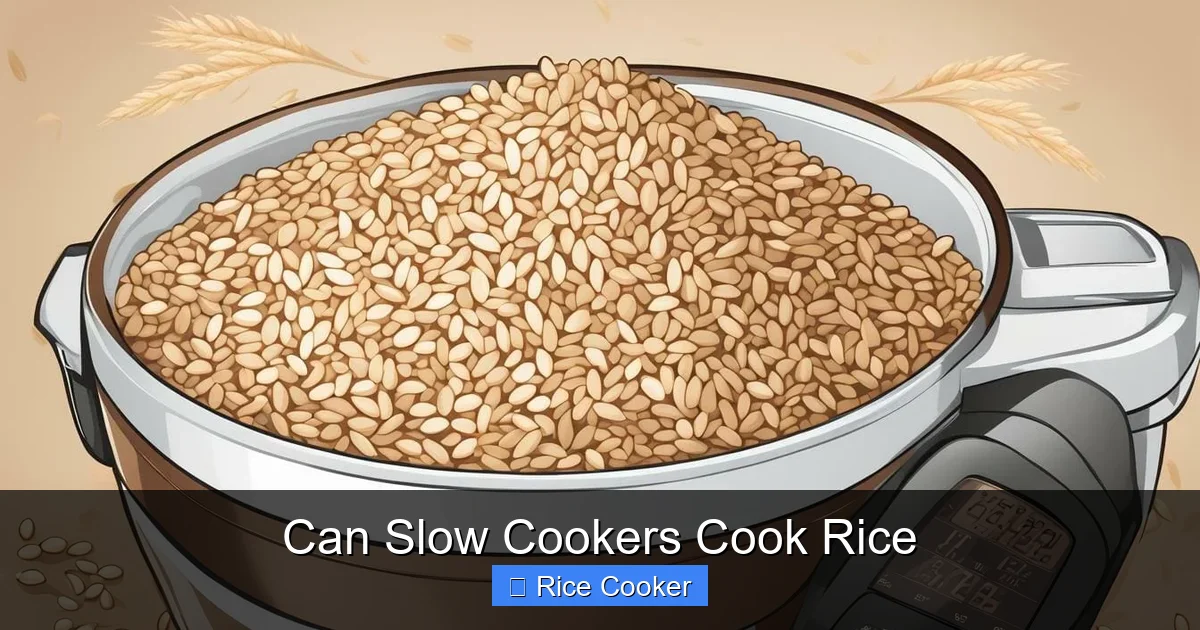
Not all rice is created equal — and some work better in a slow cooker than others. Here’s a breakdown of the most popular types and how to cook them.
Visual guide about Can Slow Cookers Cook Rice
Image source: ricearray.org
White Rice
White rice is the easiest to cook in a slow cooker. Because it’s polished, it cooks quickly and absorbs liquid efficiently. Most varieties will be done in 2 to 4 hours on low or 1 to 2 hours on high.
Best for: One-dish meals, side dishes, rice bowls.
Pro tip: For extra fluffiness, rinse the rice before adding it to remove excess starch.
Brown Rice
Brown rice has a tougher outer layer (the bran), so it needs more time and more liquid. Expect a cook time of 3 to 4 hours on low or 2 to 3 hours on high. Because of its higher fiber content, it tends to be chewier and more nutritious than white rice.
Best for: Health-conscious meals, grain salads, pilafs.
Pro tip: Soak brown rice for 30 minutes beforehand to reduce cook time and improve texture.
Jasmine and Basmati Rice
These aromatic long-grain rices work surprisingly well in slow cookers. Their distinct flavors shine when cooked with broth instead of water. Jasmine rice becomes fragrant and slightly sticky; basmati stays separate and fluffy.
Best for: Thai or Indian-inspired dishes, fragrant rice bowls.
Quinoa and Other Grains
Yes — quinoa, barley, and even wild rice can be cooked in a slow cooker. Quinoa is particularly forgiving because it’s naturally fluffy and doesn’t clump. Barley needs longer cooking (up to 4 hours), and wild rice benefits from a longer soak.
Best for: Gluten-free diets, hearty breakfasts, grain-based casseroles.
Step-by-Step Guide to Cooking Rice in a Slow Cooker
Ready to try it? Follow these simple steps for foolproof results every time.
Step 1: Measure Your Ingredients
Start with the right ratio. As a general rule:
- White rice: 1 cup rice + 2 cups liquid
- Brown rice: 1 cup rice + 2.5 cups liquid
- Quinoa or barley: 1 cup grain + 2.5 cups liquid
For example, if you’re making 2 cups of white rice, use 4 cups of water or broth. If you’re using chicken broth instead of water, the rice will absorb more flavor.
Step 2: Rinse the Rice (Optional but Recommended)
Rinsing removes excess starch, which can lead to gummy rice. Place rice in a fine-mesh strainer and rinse under cold water until the water runs clear. This step is especially important for jasmine or sushi rice.
Step 3: Add Rice and Liquid to the Slow Cooker
Place rinsed rice and liquid in the slow cooker insert. Give it a quick stir to ensure even distribution.
Step 4: Cover and Cook
Cover the slow cooker and cook on LOW for 3–4 hours (brown rice) or 2–3 hours (white rice). Avoid opening the lid during cooking — each time you lift it, heat escapes and cooking time increases.
Step 5: Rest and Fluff
Once the timer goes off, let the rice sit, uncovered, for 10 minutes. Then gently fluff it with a fork. This allows steam to redistribute and grains to firm up.
Step 6: Serve or Store
Serve immediately as a side dish or base for stir-fries. Leftovers store well in an airtight container in the fridge for up to 5 days.
Common Mistakes and How to Fix Them
Even experienced cooks run into issues now and then. Here’s how to avoid (or fix) the most common problems.
Mistake 1: Using Too Much or Too Little Water
Symptom: Rice is either mushy or crunchy.
Solution: Stick to the recommended water-to-rice ratio. If your rice turns out too wet, scoop out excess liquid and cover again for 10–15 minutes to evaporate. If it’s dry, add a splash of warm water and let it sit covered for 10 minutes.
Mistake 2: Not Rinsing the Rice
Symptom: Sticky, clumpy rice.
Solution: Always rinse rice unless the package says otherwise. This removes surface starch and promotes fluffiness.
Mistake 3: Opening the Lid Too Often
Symptom: Unevenly cooked rice.
Solution: Resist the urge to peek! Each time you open the lid, you lose heat and disrupt the cooking process.
Mistake 4: Using the Wrong Pot Size
Symptom: Rice overflows or doesn’t cook evenly.
Solution: Use a slow cooker insert that holds at least 1.5 times the volume of your rice mixture. Overfilling leads to splatter and mess.
Mistake 5: Skipping the Resting Period
Symptom: Gummy or undercooked centers.
Solution: Always let rice rest after cooking. This gives it time to absorb remaining moisture and firm up.
Creative Ways to Cook Rice in a Slow Cooker
Cooking rice doesn’t have to be boring. Try these creative twists to elevate your meals.
One-Pot Jambalaya
Add diced chicken, sausage, onions, bell peppers, celery, and tomatoes along with your rice. Season with Cajun spices, cook on low for 3–4 hours, and enjoy a full Southern-style meal.
Vegetable Rice Pilaf
Sauté mushrooms, carrots, and peas separately, then add rice and vegetable broth. Cook on low for 2–3 hours. Garnish with fresh parsley.
Mexican Rice Bowl
Cook black beans, corn, diced tomatoes, and cumin with rice. Top with avocado, sour cream, and salsa for a hearty vegetarian option.
Sweet Rice Pudding
Combine rice, milk, sugar, cinnamon, and vanilla. Cook on low for 3–4 hours, stirring occasionally. Chill before serving.
Herbed Wild Rice Soup
Simmer wild rice with chicken broth, garlic, thyme, and diced potatoes. Finish with cream and chives.
Tips for Perfect Slow-Cooked Rice Every Time
Want consistent results? Follow these expert tips.
- Use a glass or ceramic insert: These retain heat better than plastic-coated ones.
- Preheat the liquid: Warm water or broth helps rice cook faster and more evenly.
- Stir once halfway through: For stubborn batches, give rice a gentle stir after 1 hour to prevent sticking.
- Adjust for altitude: At higher elevations, rice may need extra liquid and time due to lower boiling points.
- Experiment with seasonings: Add a bay leaf, garlic clove, or onion to infuse flavor.
Slow Cooker vs. Rice Cooker: Which Is Better?
Both appliances have strengths. A dedicated rice cooker uses precise temperature control and automatically switches to warm mode, ensuring perfect texture every time. It’s ideal for people who eat rice daily.
A slow cooker, however, offers versatility. You can cook rice with meat, beans, or vegetables in one pot. It’s great for large families or meal prepping. And if you already own one, why buy another?
In short: if you cook rice occasionally or want a multi-use appliance, a slow cooker works beautifully. If you eat rice multiple times a day and want maximum consistency, consider a rice cooker.
Frequently Asked Questions
Can you cook rice in a slow cooker on high?
Yes, but it’s better to use low heat for even cooking. High heat can cause the rice to cook unevenly or burn. For white rice, high heat works in 1–2 hours.
Do I need to soak rice before cooking it in a slow cooker?
Soaking isn’t necessary, but it helps reduce cook time and improves texture, especially for brown rice or wild rice. Soak for 30 minutes before adding to the slow cooker.
Can I cook rice and beans together in a slow cooker?
Absolutely. Beans need longer cooking, so add them first. Rice goes in during the last hour. This is great for chili, burrito bowls, or Tex-Mex meals.
Is it safe to leave rice in a slow cooker overnight?
It’s not recommended. Rice left in the “warm” setting for more than 2 hours can grow harmful bacteria like Bacillus cereus. Cook it within 4–6 hours and refrigerate leftovers promptly.
Can I reheat leftover slow-cooked rice?
Yes, but only if it was stored safely in the fridge within 2 hours of cooking. Reheat in the microwave or on the stove with a splash of water to restore moisture.
What’s the difference between cooking rice in a slow cooker vs. a rice cooker?
A rice cooker uses precise temperature control and automatically switches to warm mode, ensuring consistent results. A slow cooker is more versatile but requires attention to timing and ratios. Both can make great rice.