
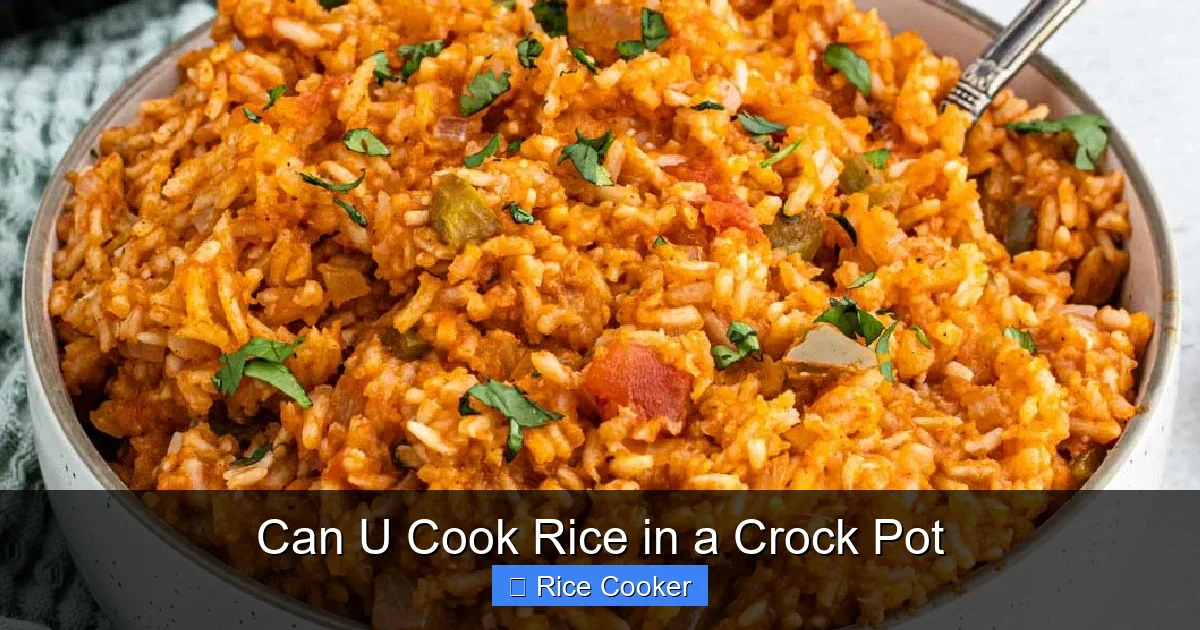
Can you cook rice in a crock pot? Absolutely! While traditional rice cookers are designed for this task, your crock pot can deliver deliciously fluffy results with the right technique. In just 60–90 minutes, you’ll have tender, evenly cooked grains perfect for bowls, sides, or even fried rice. We’ll walk you through the ideal ratios, cooking times, and pro tips to avoid mushy or undercooked rice—so your next meal is foolproof and flavorful.
Have you ever been craving perfectly fluffy rice but realized your rice cooker broke? Or maybe you’re just tired of standing over the stove all day? Well, guess what—you don’t need a fancy appliance to make great rice. In fact, many home cooks swear by using their crock pot (also known as a slow cooker) for everything from soups to roasts… and yes, even rice!
But here’s the honest truth: cooking rice in a crock pot isn’t exactly like using a dedicated rice cooker. Those machines are engineered specifically for rice, with precise temperature control and automatic shut-off features. A crock pot, on the other hand, is more of a gentle simmerer than a precision cooker. That said, with the right method, patience, and a few smart hacks, you can turn out restaurant-quality rice that’s light, fluffy, and ready to elevate any dish.
In this guide, we’re diving deep into everything you need to know about cooking rice in a crock pot—from the science behind why it works (and sometimes doesn’t), to step-by-step instructions, troubleshooting tips, and even recipe ideas. Whether you’re making dinner for one or feeding a crowd, you’ll learn how to get consistently great results every single time.
Key Takeaways
- Crock pots work for rice: Yes, you can cook rice in a slow cooker—it just requires adjusting water ratios and timing compared to stovetop or electric rice cookers.
- Best rice types: Long-grain white rice (like jasmine or basmati) and brown rice both cook well; short-grain may become too sticky.
- Water-to-rice ratio is key: Use 1½ cups water per cup of long-grain rice; brown rice needs more liquid (2 cups water per 1 cup).
- Pre-soaking helps: Soaking white rice for 30 minutes ensures even cooking and reduces stickiness.
- Avoid lifting the lid: Keep the lid on during cooking to maintain consistent heat and prevent evaporation.
- Rest before serving: Let rice sit covered for 5–10 minutes after cooking to finish steaming and fluff up.
- Clean-up is easy: Use a non-stick crock pot or line it with parchment for effortless cleanup.
Quick Answers to Common Questions
Can you cook rice in a crock pot on high?
While possible, it’s not recommended. High heat can cause the rice to cook too quickly on the outside while remaining undercooked inside, or worse—burn at the bottom. Stick to Low for even, gentle cooking.
How long does it take to cook rice in a crock pot?
About 60 to 90 minutes on Low, depending on the rice type. White long-grain rice typically takes 60–75 minutes, while brown rice may need 75–90 minutes.
Do I need to rinse the rice before cooking?
Yes! Rinsing removes excess surface starch, which prevents clumping and ensures fluffy, separated grains.
Can I add flavorings like herbs or broth?
Absolutely! Replace some water with chicken or vegetable broth, or add a bay leaf, garlic clove, or splash of soy sauce for extra taste.
What if my rice turns out sticky?
Sticky rice usually means too much starch was retained or too much water was used. Next time, rinse thoroughly and measure liquids precisely. Also, avoid stirring too much during cooking.
📑 Table of Contents
Why Choose a Crock Pot for Rice?
You might be wondering: why would anyone bother going to the trouble of cooking rice in a crock pot when there are so many other easier ways? Great question! There are actually several compelling reasons people opt for this method:
First off, convenience is king. If you already have a crock pot sitting on your counter—or if you’re prepping meals ahead of time—adding rice to the mix saves you from extra pots, pans, and cleanup. Plus, once you set it and forget it, you’ve got hands-free cooking while you focus on other parts of your meal.
Second, crock pots distribute heat gently and evenly, which can help prevent scorching or uneven cooking. Unlike boiling water on the stove—where hot spots can cause rice to clump or burn at the bottom—the low-and-slow approach of a slow cooker keeps things steady.
And let’s not forget versatility. Why limit yourself to plain white rice? With a crock pot, you can infuse flavors directly into the cooking process. Imagine fragrant coconut milk rice, savory garlic-herb brown rice, or even spiced turmeric-infused basmati. The possibilities are endless!
Of course, there are also some downsides to consider. Cooking rice in a crock pot takes longer than using an electric rice cooker (usually 60–90 minutes vs. 20–30 minutes). And because slow cookers aren’t designed for rapid temperature changes, you can’t easily switch between sautéing, simmering, and finishing—though newer models with multi-function settings are closing that gap.
Still, if you’re willing to trade speed for simplicity and flexibility, a crock pot can become your new best friend in the kitchen.
The Science Behind Crock Pot Rice Success
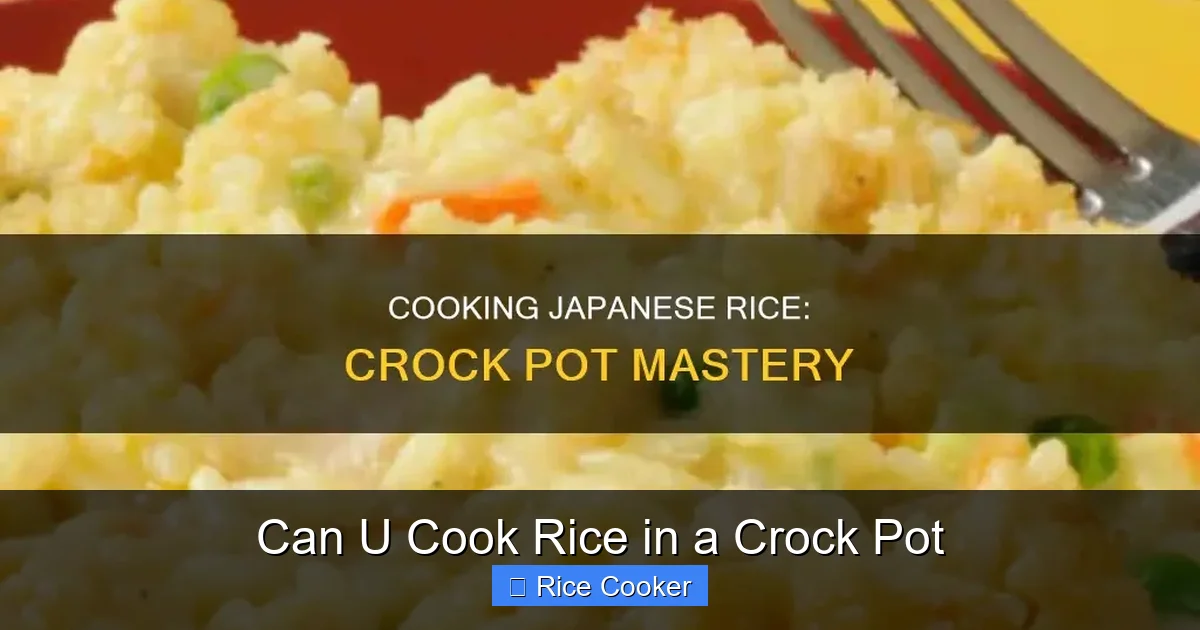
Visual guide about Can U Cook Rice in a Crock Pot
Image source: cycookery.com
Before we jump into recipes and techniques, it helps to understand *why* certain steps matter. Rice is basically starchy seeds—each grain contains a tiny embryo and endosperm. When you add heat and water, the starches absorb moisture and swell, eventually gelatinizing and creating that soft, chewy texture we love.
But here’s the tricky part: if you add too much water or cook too quickly, the starches break down too much, turning your rice into a gluey mess. Too little water, and you end up with hard, chalky grains that never fully hydrate.
That’s where the water-to-rice ratio comes in. Most long-grain white rice needs about 1½ cups of water per cup of uncooked rice. Brown rice, however, has a tougher outer bran layer, so it absorbs more liquid and takes longer to cook—typically 2 cups of water per cup of rice, plus extra time.
Now, unlike a rice cooker—which uses precise pressure and steam release—a crock pot relies on passive heat transfer. This means the rice sits in its own steamy environment for a long time, allowing gradual hydration. But because there’s no active monitoring (like a built-in timer or auto-switch), you need to trust the process and avoid opening the lid unnecessarily.
Also, remember that slow cookers come in different sizes and power levels. A larger 6-quart model will retain heat better than a small 3-quart one, especially if you’re cooking large batches. Always check your manufacturer’s guidelines for optimal performance.
Choosing the Right Rice for Your Crock Pot
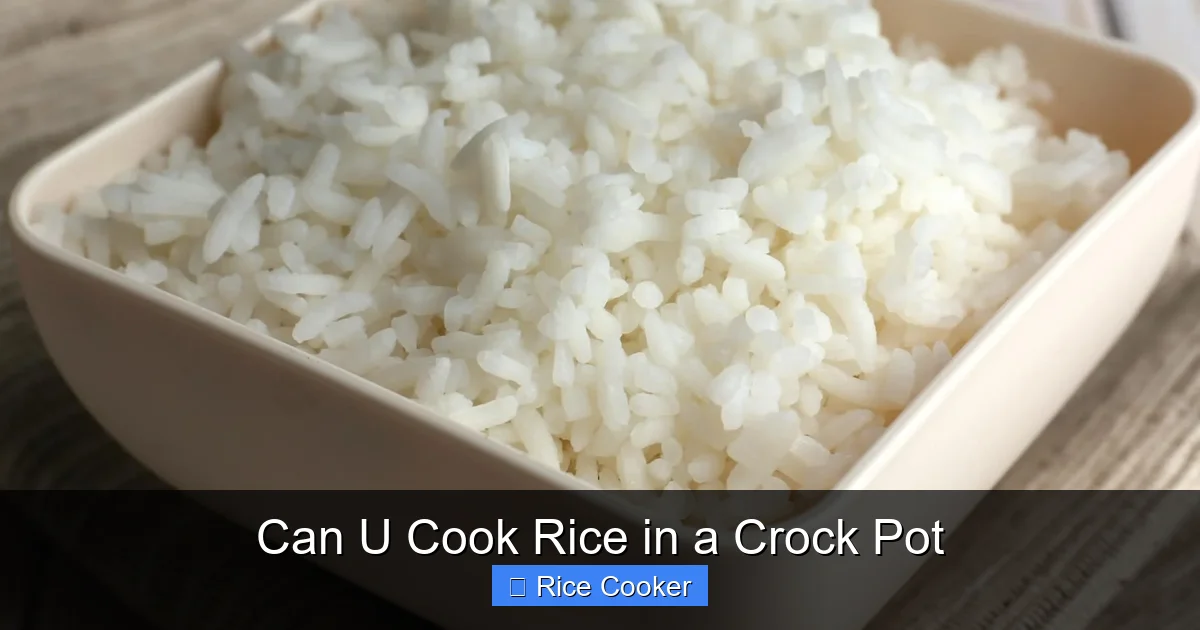
Visual guide about Can U Cook Rice in a Crock Pot
Image source: momswithcrockpots.com
Not all rice is created equal—especially when it comes to slow-cooking methods. Some varieties simply play nicer with the gentle simmer of a crock pot than others.
Long-Grain White Rice
This is your go-to workhorse. Varieties like Jasmine, Basmati, or American long-grain all perform beautifully in a slow cooker. They stay separate after cooking, hold their shape well, and absorb seasonings nicely. Just remember to rinse them first to remove excess starch—this prevents clumping and ensures each grain remains distinct.
Brown Rice
Brown rice is nuttier, chewier, and packed with fiber, but it also demands more attention. Because of its protective bran layer, it needs more water and longer cook time—typically 45–60 minutes on low. If you’re new to slow-cooking rice, start with white rice until you get the hang of it, then experiment with brown.
Short-Grain & Sushi Rice
These tend to be stickier due to higher amylopectin content (that’s the starch that makes rice clingy). While technically possible, they often result in overly gummy textures in a crock pot unless you use a very careful ratio and stir occasionally. Stick to long-grain if you want foolproof fluffiness.
Instant/Minute Rice
Don’t bother. Instant rice is pre-cooked and dried, so adding it to a crock pot leads to mush. Save it for boiling or microwaving.
Step-by-Step Guide: How to Cook Rice in a Crock Pot
Ready to give it a try? Follow these simple steps for perfect crock pot rice every time:
Gather Your Ingredients
– 1 cup long-grain white rice
– 1½ cups water (or broth for extra flavor!)
– Optional: salt, butter, olive oil, or spices
Prepare the Rice
Rinse your rice under cold running water until the water runs clear. This removes surface starch and stops it from getting gummy. Pat dry with a paper towel—don’t skip this!
Add Everything to the Crock Pot
Place rinsed rice in the insert, then pour in water (and any flavorings). Stir once to combine, then cover tightly with the lid.
Cook Low and Slow
Set your crock pot to **Low** for 60–75 minutes. Avoid High—it can scorch the bottom or create uneven texture. After cooking, let the rice rest, covered, for another 5–10 minutes. This allows residual steam to finish hydrating the grains and makes fluffing easier.
Fluff and Serve
Use a fork to gently fluff the rice, separating any clumps. Taste and adjust seasoning if needed. Serve immediately!
Pro Tip: For extra flavor, replace half the water with vegetable or chicken broth. You can also add a bay leaf, a splash of soy sauce, or a pat of butter before covering.
Troubleshooting Common Crock Pot Rice Problems
Even with the best intentions, things can go wrong. Here’s how to fix the most common issues:
Mushy or Gummy Rice
This usually happens when too much water is used or the rice isn’t rinsed properly. Next time, measure carefully and rinse thoroughly. Also, resist the urge to peek—steam loss slows cooking and can lead to inconsistent results.
Undercooked or Hard Grains
If your rice is still crunchy after the recommended time, add another ¼ cup of water and cook for 10–15 more minutes on Low. Cover tightly to trap steam.
Burnt Bottom Layer
Some older crock pots develop hot spots. To prevent burning, stir the rice halfway through cooking (if your model allows it), or place a piece of parchment paper at the bottom before adding rice and liquid.
Too Much Water Evaporated
If your crock pot is particularly dry after cooking, it might be venting steam too aggressively. Try placing a folded kitchen towel over the lid to reduce airflow.
Creative Ways to Use Crock Pot Rice
Plain white rice is great—but it gets boring fast. Here are fun ways to jazz up your crock pot rice:
Fajita Bowls
Cook rice with diced bell peppers, onions, cumin, and chili powder. Top with grilled chicken, black beans, avocado, and salsa for a hearty weeknight meal.
Coconut Curry Rice
Simmer rice in coconut milk with curry paste, ginger, garlic, and a pinch of sugar. Serve over steamed broccoli or pair with tofu.
Garlic Herb Rice Pilaf
Sauté minced garlic and thyme in olive oil before adding rice and broth. The result? A fragrant side dish that pairs with roasted meats or legumes.
Risotto-Style Creamy Rice
For a richer texture, use arborio rice (though it’s trickier in a slow cooker) and substitute half the water with white wine and heavy cream. Stir occasionally for creamy perfection.
Tips for Perfect Every Time
Want to take your crock pot rice game to the next level? Try these expert-approved tricks:
- Use a non-stick insert: Makes cleanup a breeze and reduces sticking.
- Soak white rice beforehand: Soak for 30 minutes to ensure even cooking and softer texture.
- Measure accurately: Invest in a good measuring cup—volume varies by brand and type of rice.
- Don’t lift the lid: Each time you open it, you lose precious steam and extend cooking time.
- Keep a rice journal: Note adjustments (water amount, soak time, etc.) so you can refine your process.
Frequently Asked Questions
Is it safe to cook rice in a crock pot?
Yes, as long as you follow proper ratios and cooking times. Just ensure the rice reaches a safe internal temperature and avoid leaving it unrefrigerated for too long after cooking.
Can I cook other grains like quinoa or barley in a crock pot?
Yes, but they require different water ratios and cook times. Quinoa needs about 2 cups water per cup of grain and cooks in 15–20 minutes; barley takes 45–60 minutes.
Should I use a lid or leave it slightly open?
Always keep the lid tightly sealed during cooking. Opening it releases steam and disrupts the cooking process, leading to uneven results.
Can I cook frozen rice in a crock pot?
No. Frozen rice expands when thawed and will likely become mushy. Only use freshly measured, dry rice.
How do I store leftover crock pot rice?
Let it cool completely, then refrigerate within 2 hours. Reheat with a splash of water or broth to restore moisture. Use within 3–4 days.
What size crock pot should I use for rice?
A 4–6 quart crock pot is ideal for 1–3 cups of rice. Smaller pots may not distribute heat evenly; larger ones can waste energy for small batches.