
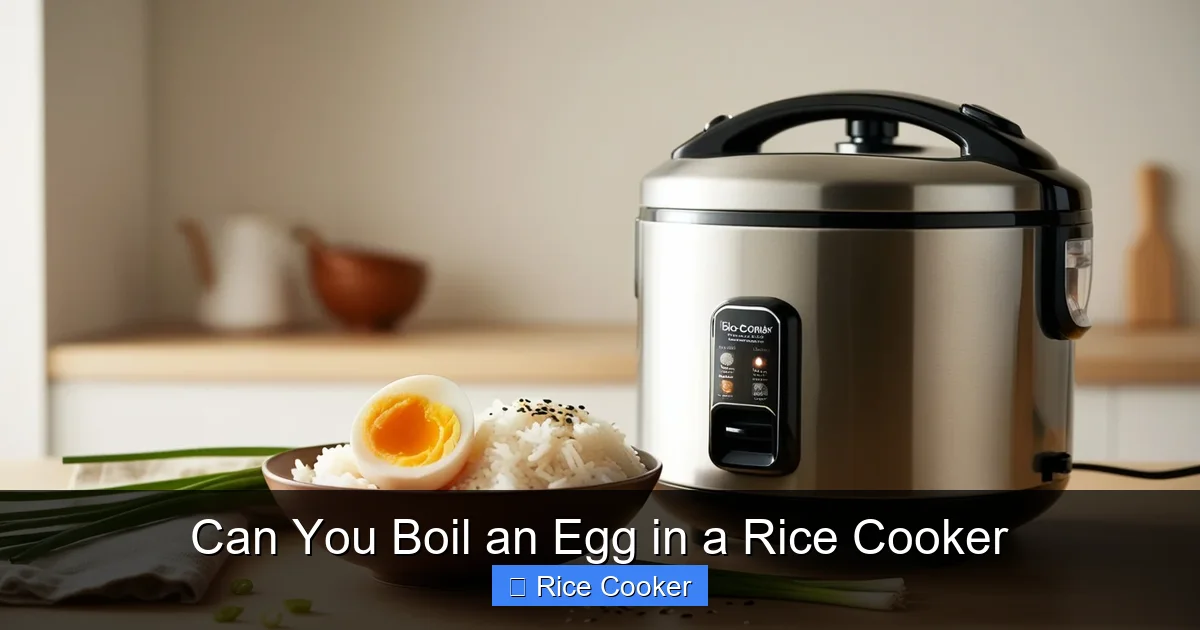
Yes, you can absolutely boil an egg in a rice cooker—and it’s easier than you think! This clever kitchen trick uses your rice cooker’s steaming function to cook eggs without any extra effort. Whether you’re meal prepping or just craving a soft-boiled egg, your rice cooker can do the job safely and efficiently.
Key Takeaways
- Yes, you can boil eggs in a rice cooker: Most modern rice cookers have a steaming function that works perfectly for hard-boiled or soft-boiled eggs.
- It saves time and energy: No need to watch the stove—just add water, place eggs in the basket, and press start.
- Results are consistent: The controlled heat and steam ensure evenly cooked eggs every time.
- Safety is important: Always use a steamer basket to prevent cracking and avoid overfilling the inner pot.
- Ideal for meal prep: Boil several eggs at once for salads, snacks, or breakfast on the go.
- Not all rice cookers are equal: Check if your model has a steaming mode or removable inner pot before trying.
- Egg size matters: Larger eggs take longer to cook—adjust timing accordingly for best results.
Quick Answers to Common Questions
Can I boil multiple eggs at once in my rice cooker?
Yes! Most rice cookers can comfortably steam 6–8 eggs at a time. Just make sure they’re spaced apart in the steamer basket and don’t overcrowd the pot.
Do I need a special rice cooker to boil eggs?
Not necessarily. Any rice cooker with a removable inner pot and steamer basket will work. Even basic models without a “steam” button can still cook eggs using the regular cooking cycle.
How long should I boil eggs in a rice cooker?
For soft-boiled eggs (runny yolk), cook for 8–10 minutes. For hard-boiled eggs (firm yolk), aim for 12–15 minutes. Adjust based on egg size and personal preference.
Will the eggs crack during cooking?
Cracking usually happens due to sudden temperature shifts or rough handling. Use room-temperature eggs, handle them gently, and consider adding a teaspoon of vinegar to the water to reduce risk.
Can I boil eggs in a rice cooker if it doesn’t have a steamer basket?
Unfortunately, no. Without a way to elevate the eggs above the water line, they’ll sit in steam and may not cook evenly. Check if your model includes a detachable steaming tray—many do!
📑 Table of Contents
- Can You Boil an Egg in a Rice Cooker?
- The Science Behind Boiling Eggs in a Rice Cooker
- What You’ll Need to Boil Eggs in a Rice Cooker
- Step-by-Step Guide: How to Boil Eggs in a Rice Cooker
- Tips for Perfect Eggs Every Time
- Common Mistakes to Avoid
- Why This Method Is Worth Trying
- Troubleshooting Common Issues
- Creative Ways to Use Your Boiled Eggs
- Final Thoughts
Can You Boil an Egg in a Rice Cooker?
Have you ever found yourself staring into your rice cooker after making a pot of jasmine rice, wondering what else this handy appliance could do? Well, wonder no more—because yes, you can definitely boil an egg in a rice cooker! It’s one of those kitchen hacks that feels almost too simple to be true, yet delivers delicious, perfectly cooked eggs every single time.
Whether you’re a busy parent trying to feed picky eaters, a college student living off ramen and eggs, or just someone who loves a good soft-boiled egg for breakfast, your rice cooker might already be the secret weapon you didn’t know you needed. Not only does it eliminate the risk of boiling water on the stovetop, but it also frees up your burners for other meals. Plus, the even heating and automatic shut-off make it safer and more reliable than traditional methods.
In this article, we’ll walk you through everything you need to know about boiling eggs in a rice cooker—from setup and timing to troubleshooting common issues. We’ll also share pro tips for getting that ideal yolk consistency and explain why this method is worth adding to your culinary repertoire.
The Science Behind Boiling Eggs in a Rice Cooker
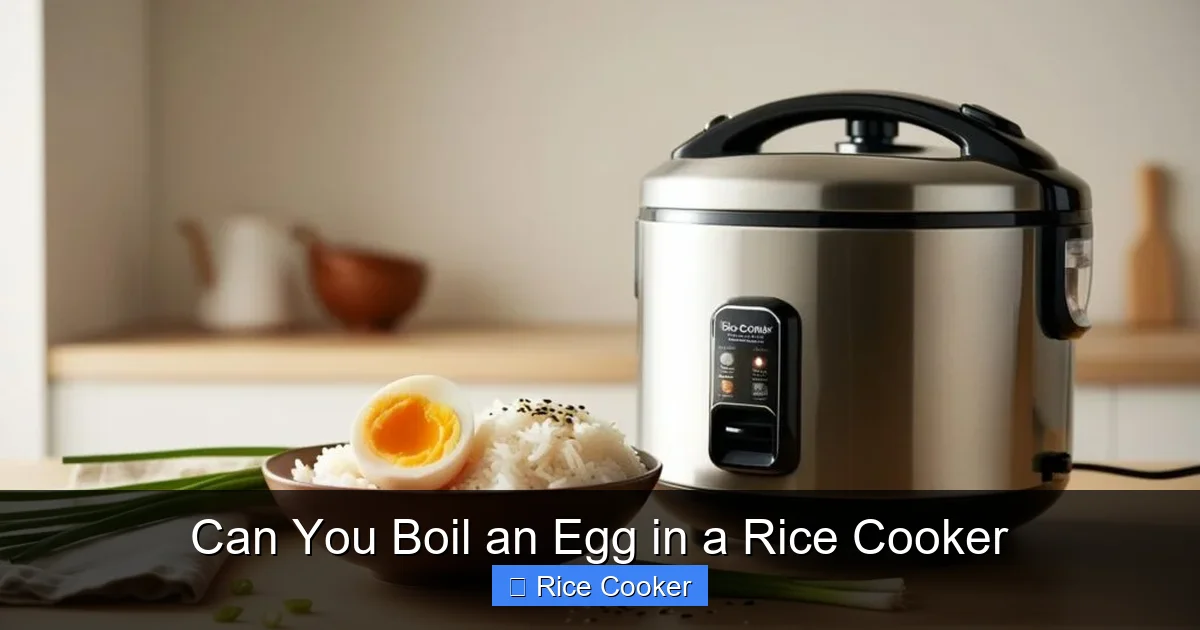
Before diving into the step-by-step process, let’s talk about why this method actually works. At its core, boiling an egg requires transferring heat from a hot liquid (water) to the shell, which then conducts warmth into the albumen and yolk. In a traditional saucepan, this happens via direct contact with boiling water. But in a rice cooker, the magic lies in steam.
Visual guide about Can You Boil an Egg in a Rice Cooker
Image source: toolsofkitchen.com
How Steam Cooks Eggs Safely
Most rice cookers come equipped with a steaming tray or basket that sits above the water reservoir. When you add water and turn the cooker on, it heats the water until it begins to steam. That warm vapor gently cooks the egg from the outside in—no direct submersion required. Because the temperature is regulated by the cooker’s internal thermostat, you don’t run the risk of overcooking or cracking the shell like you might on the stove.
This method is especially useful for achieving soft-boiled eggs with runny yolks. The slower, gentler heat prevents the protein in the egg white from tightening too quickly around the yolk, which can cause it to become rubbery or split. With a rice cooker, you get that creamy center every time.
Why It’s Safer Than the Stovetop
If you’ve ever tried to boil eggs on the stove, you know how easy it is to walk away and forget about them—only to return and find a cracked shell, scorched bottom, or worse, a pot of boiling water that’s evaporated completely. Rice cookers solve these problems by automatically switching to “keep warm” mode once the cycle ends. Even better, many models have non-stick inner pots that make cleanup a breeze.
Additionally, because you’re not dealing with open flames or high-pressure steam, there’s less chance of burns or accidents—especially important if kids are involved or if you’re cooking late at night when you’re half-asleep.
What You’ll Need to Boil Eggs in a Rice Cooker
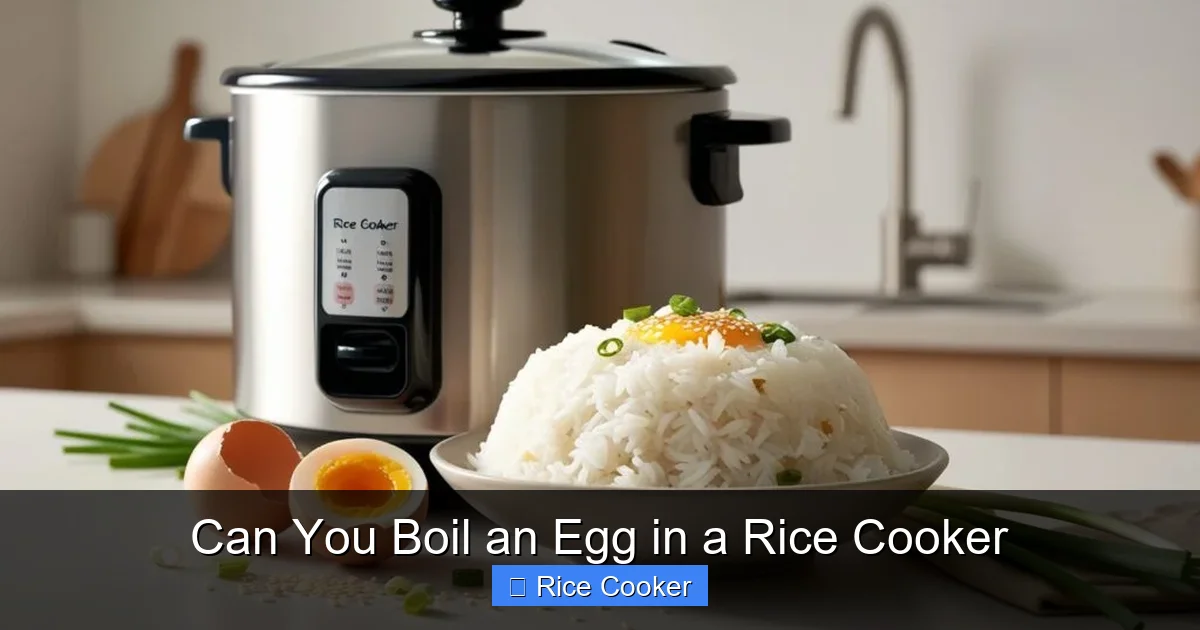
You don’t need fancy equipment or special gadgets. In fact, most of what you need is already sitting in your kitchen cabinet. Here’s a quick checklist:
Visual guide about Can You Boil an Egg in a Rice Cooker
Image source: toolsofkitchen.com
- A working rice cooker with a steaming basket (most modern ones do)
- Fresh eggs (ideally within two weeks of being laid for best texture)
- A bowl of ice water (for easy peeling later)
- Optional: Silicone egg cups or a small colander to elevate eggs slightly above the water line
Make sure your rice cooker isn’t damaged—cracks in the inner pot or lid can affect performance and safety. Also, avoid using aluminum foil liners unless they’re specifically designed for your model, as they can interfere with heat transfer.
Step-by-Step Guide: How to Boil Eggs in a Rice Cooker
Ready to give it a try? Follow these simple steps for foolproof results every time.
Step 1: Prepare Your Eggs
Start with room-temperature eggs if possible. Cold eggs dropped into hot water are more likely to crack. If your fridge is cold (like mine), just leave them out for 15–20 minutes before cooking.
Step 2: Add Water to the Inner Pot
Fill the inner pot with about 1–1½ inches of cool water. Too little water won’t generate enough steam; too much could overflow during cooking. For reference, a standard 6-cup rice cooker needs roughly 1 cup of water for optimal steaming.
Step 3: Place the Steamer Basket
Set the steamer basket inside the pot. Make sure it’s stable and doesn’t touch the bottom directly—this ensures proper airflow and even cooking.
Step 4: Arrange the Eggs
Carefully lower your eggs into the basket. Space them out so they aren’t touching, which helps prevent cracking and promotes uniform cooking. For soft-boiled eggs, consider placing a small silicone cup underneath each egg to keep them elevated.
Step 5: Start Cooking
Close the lid securely and plug in your rice cooker. Set it to “Steam” mode if available, or simply “Cook” if that’s all you have. Most rice cookers will begin heating immediately and switch off automatically when done.
Step 6: Monitor and Time It Right
Cooking times vary depending on egg size and desired doneness:
- Soft-boiled (runny yolk): 8–10 minutes
- Medium-boiled (jammy yolk): 10–12 minutes
- Hard-boiled (firm yolk): 12–15 minutes
Use a timer—rice cookers don’t always indicate when the cycle ends clearly. Once finished, immediately transfer eggs to ice water for 2–3 minutes to stop the cooking process and make peeling easier.
Tips for Perfect Eggs Every Time
Even with a perfect recipe, small tweaks can make a big difference. Here are some pro tips to elevate your egg-boiling game:
- Use older eggs for hard-boiling: Fresh eggs are harder to peel, so opt for eggs 7–10 days old when making deviled eggs or salads.
- Add vinegar to the water: A teaspoon of white vinegar in the inner pot can help seal tiny cracks and reduce peeling issues.
- Don’t overfill the pot: Keep water levels low to avoid splashing when eggs are added.
- Let eggs cool gradually: Sudden temperature changes can cause shells to split. Always use an ice bath.
- Check your egg size: Large eggs may need an extra minute or two compared to medium ones.
Common Mistakes to Avoid
Like any cooking technique, there are pitfalls to watch out for. Here’s how to dodge them:
Mistake #1: Using Cold Water in the Pot
Always start with cold water in the inner pot. If you pour in hot tap water, the temperature shock might cause eggs to crack or cook unevenly.
Mistake #2: Crowding the Basket
Packing too many eggs into the steamer basket limits steam circulation. Stick to 4–6 eggs per batch for best results.
Mistake #3: Ignoring the Timer
Relying solely on the rice cooker’s auto-shutoff can lead to overcooked eggs. Use a separate timer to track actual cooking duration.
Mistake #4: Skipping the Ice Bath
This step is crucial for both texture and ease of peeling. Without it, yolks may continue cooking and shells become stubborn.
Why This Method Is Worth Trying
Beyond convenience, boiling eggs in a rice cooker offers several advantages over traditional methods:
- Energy-efficient: Uses less electricity than keeping a pot on the stove.
- Multitasking friendly: While eggs cook, you can stir your soup, chop veggies, or fold laundry.
- Consistent results: No guesswork—just set it and forget it.
- Great for batch cooking: Perfect for meal preppers who want hard-boiled eggs ready for weeks.
Plus, once you master this trick, you’ll never look at your rice cooker the same way again. Who knew such a humble appliance could double as an egg incubator?
Troubleshooting Common Issues
No method is perfect 100% of the time. If your eggs aren’t turning out quite right, here’s how to fix it:
Problem: Cracked Shells
Cause: Sudden temperature change or rough handling.
Fix: Use room-temp eggs, handle gently, and consider adding vinegar to the water.
Problem: Rubberier Yolks
Cause: Overcooking or using very fresh eggs.
Fix: Reduce cooking time by 1–2 minutes and stick to eggs 5–7 days old.
Problem: Eggs Won’t Peel
Cause: Too-fresh eggs or insufficient cooling.
Fix: Try the vinegar trick or chill eggs in ice water for at least 5 minutes.
Problem: Rice Cooker Doesn’t Have a Steaming Mode
Cause: Older models may lack dedicated steam settings.
Fix: Just press “Cook”—the default heating cycle still produces enough steam for cooking eggs.
Creative Ways to Use Your Boiled Eggs
Once you’ve mastered the basics, let your creativity flow! Hard-boiled eggs are fantastic in:
- Greek salad with feta and olives
- Veggie-packed deviled egg cups
- Avocado toast with a poached egg alternative
- Snackable egg salad sandwiches
For soft-boiled lovers, serve them straight from the shell with salt, pepper, and a drizzle of olive oil—or mash the yolk into mashed potatoes for extra richness.
Final Thoughts
Boiling eggs in a rice cooker isn’t just a clever hack—it’s a game-changer for anyone looking to simplify their kitchen routine. With minimal effort and maximum flavor, you can enjoy restaurant-quality eggs at home, anytime. Whether you’re feeding a family, prepping lunches, or treating yourself to a fancy brunch, this method delivers reliability and ease.
So next time you reach for your rice cooker, remember: it’s not just for grains anymore. Crack open a new world of possibilities—starting with a perfectly boiled egg.
Frequently Asked Questions
Is it safe to boil eggs in a rice cooker?
Yes, it’s completely safe as long as your rice cooker is in good condition and used according to instructions. The controlled heating and automatic shut-off minimize risks associated with stovetop boiling.
What type of eggs work best for boiling in a rice cooker?
Medium to large eggs work well. For easier peeling, use eggs that are 5–10 days old. Very fresh eggs tend to stick to their shells more stubbornly.
Can I boil eggs in a rice cooker overnight?
While technically possible, it’s not recommended. Leaving food in a rice cooker for extended periods can compromise food safety. Instead, cook eggs during the day and store peeled ones in the fridge.
Why do my eggs peel poorly after boiling in a rice cooker?
Peeling issues often stem from overly fresh eggs or inadequate cooling. Try chilling eggs in ice water for 5+ minutes and consider adding vinegar to the cooking water to help separate the membrane.
Can I boil eggs in a rice cooker if it only has a “Keep Warm” setting?
No. You need a heating element that actively generates steam—either through a dedicated “Steam” mode or the standard “Cook” cycle. Models limited to “Keep Warm” alone cannot boil eggs.
Are boiled eggs from a rice cooker as nutritious as those boiled on the stove?
Absolutely. Both methods preserve all nutrients in the egg. The cooking process itself doesn’t significantly alter nutritional value—only the method affects texture and convenience.