
Cooking rice in the oven is not only possible—it’s simple, effective, and perfect for hands-off meals. With the right technique, your oven can replace your rice cooker and deliver perfectly fluffy rice every time. Whether you’re preparing a large batch for meal prep or just want to free up your stovetop, this oven method saves time and energy.
Key Takeaways
- Oven-cooked rice is possible: Yes, you can cook rice using your oven, especially with the bake setting. It works best with covered dishes to trap steam and ensure even cooking.
- It saves stovetop space: Perfect for busy cooks who need extra burner room or are prepping multiple dishes at once.
- Results vary by rice type: Long-grain white rice tends to work best; brown rice may take longer and require adjustments due to its higher fiber content.
- Consistent moisture control is key: Using a lid and measuring water precisely ensures fluffy, non-gummy results every time.
- It’s ideal for batch cooking: Oven methods are great for making large quantities of rice for meal prep, casseroles, or family dinners.
- No special equipment needed: You don’t need a rice cooker—just a heatproof dish with a tight-fitting lid and basic measuring tools.
- Cleanup is easier: One-pot baking means fewer dishes and simpler post-meal cleanup.
📑 Table of Contents
- Can U Cook Rice in the Oven? The Surprising Truth
- The Science Behind Oven-Cooked Rice
- Choosing the Right Rice and Equipment
- Step-by-Step Guide: How to Cook Rice in the Oven
- Troubleshooting Common Issues
- Flavor Hacks: Beyond Plain White Rice
- Meal Prep Made Easy: Batch-Bake Rice
- Is Oven Rice Better Than Stovetop or Rice Cooker?
- Final Thoughts: Embrace the Oven Hack
Can U Cook Rice in the Oven? The Surprising Truth
Have you ever been mid-dinner prep, juggling multiple pots on the stove, only to realize you’ve run out of burner space? Or maybe you’re hosting a crowd and your trusty rice cooker is already full? If so, you might be wondering: Can u cook rice in the oven? The short answer? Absolutely. In fact, many home cooks swear by oven-baked rice as a reliable, hands-free alternative to traditional stovetop methods.
Using the oven to cook rice isn’t a new trick—it’s been used in kitchens worldwide for generations. From Spanish paella (which bakes in a shallow pan) to one-pan casseroles, the oven’s dry heat and ability to retain moisture make it surprisingly effective for rice. While it doesn’t work exactly like a rice cooker (which uses precise temperature controls), with a little know-how, you can achieve fluffy, tender, and evenly cooked grains without ever turning on your stovetop.
In this complete guide, we’ll walk you through everything you need to know about cooking rice in the oven—from choosing the right rice and pot to mastering timing and texture. Whether you’re a beginner or a seasoned cook looking for kitchen hacks, this article will show you how to make perfect oven-baked rice every single time.
The Science Behind Oven-Cooked Rice
How Does Oven Cooking Work for Rice?
Unlike boiling rice on the stove, where water simulates steam and cooks the grains quickly, oven cooking relies on trapped steam and radiant heat. When you place a covered pot of rice and water in the oven, the heat slowly evaporates some of the water, creating steam that penetrates the grains. As the steam condenses inside the lid, it keeps the environment humid—ideal for gelatinizing the starches in rice.
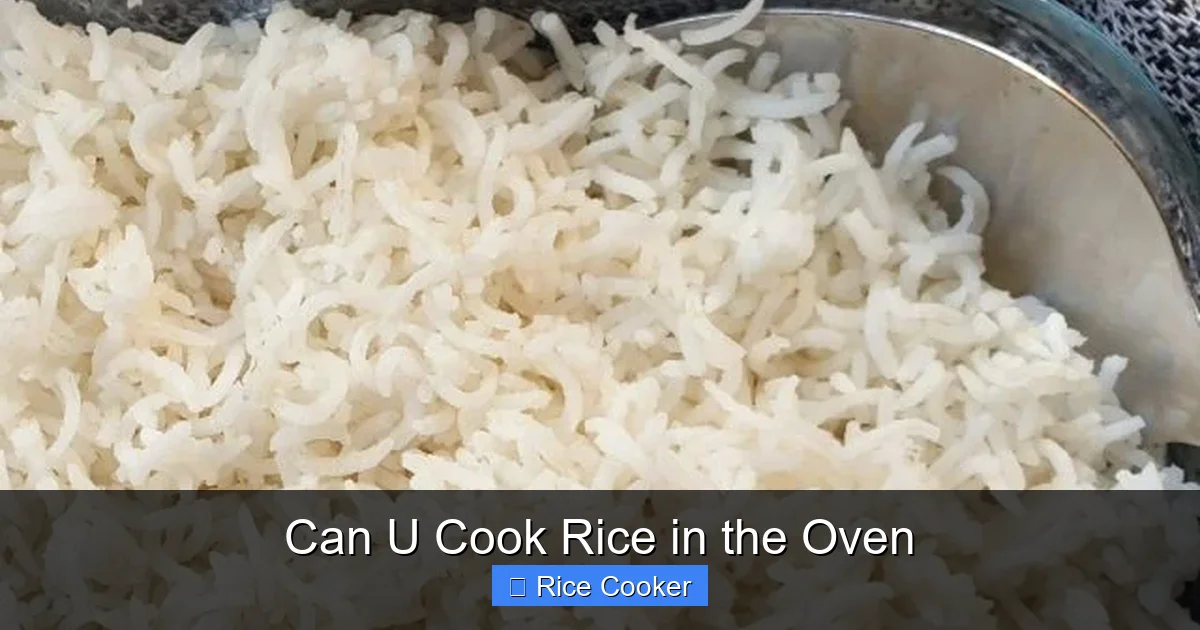
Visual guide about Can U Cook Rice in the Oven
Image source: foodleclub.com
This slow, steady process prevents scorching and allows the rice to absorb moisture evenly. Because the oven maintains a consistent temperature (especially if you preheat it), there’s less risk of overcooking or burning compared to open-pan boiling. Think of it like a low-and-slow roast—only instead of meat, you’re roasting grains.
Why Choose the Oven Over Other Methods?
You might ask: why go through all this trouble when a rice cooker does it automatically? Great question. While rice cookers are convenient, they’re also single-purpose appliances that take up counter space and require electricity. An oven method offers several advantages:
- Free up your stovetop: Perfect when you’re cooking multiple dishes or have limited burner space.
- Ideal for batch cooking: Bake a big tray of rice for meal prep—no constant stirring required.
- Works during power outages: If your electric rice cooker dies, your oven is still an option (as long as it’s gas or working).
- Great for casseroles and one-pans: Combine rice with vegetables, proteins, and sauces in a single dish.
And let’s be honest—sometimes you just want to set it and forget it. That’s where the oven shines.
Choosing the Right Rice and Equipment
Best Types of Rice for Oven Cooking
Not all rice is created equal when it comes to oven baking. While you can technically use any variety, some perform better than others. Here’s what works best:

Visual guide about Can U Cook Rice in the Oven
Image source: wellplated.com
- Long-grain white rice: This is your go-to. Varieties like Jasmine, Basmati, or American long-grain rice absorb water well and stay separate after cooking. They’re less sticky and more forgiving in oven environments.
- Short-grain rice (like sushi rice): Can work, but tends to become mushy unless carefully monitored. Use with caution and reduce water slightly.
- Brown rice: Possible, but requires longer cooking times (45–60 minutes vs. 30–40 for white). It also needs more water due to its bran layer. Not recommended for beginners.
- Pregrained or instant rice: These are designed for speed and may fall apart in the oven. Stick to regular uncooked rice.
Essential Tools and Cookware
To get started, you’ll need a few basics:
- Heavy-bottomed oven-safe pot or Dutch oven: A 3-quart or larger stainless steel or enameled cast iron pot with a tight-fitting lid works best. Avoid aluminum—it can react with acidic ingredients.
- Measuring cup and spoon: Precision matters. Too much water = soggy rice; too little = undercooked.
- Cutting board and knife (optional): For adding veggies or herbs before baking.
- Spatula or wooden spoon: For fluffing rice once done.
Pro tip: If you don’t have a covered pot, improvise with foil! Just fold a double layer of heavy-duty foil into a loose seal over your uncovered pan—it won’t be as airtight, but it helps retain some steam.
Step-by-Step Guide: How to Cook Rice in the Oven
1. Rinse and Measure Your Rice
Start by rinsing 1 cup of long-grain rice under cold running water until the water runs clear. This removes excess starch, which can make rice gummy. Drain thoroughly.
For every 1 cup of dry rice, you’ll typically need 1¾ to 2 cups of water. Some recipes call for a 1:1.7 ratio, others 1:2. We recommend starting with 1½ cups of water per 1 cup of rice—you can always add more later if needed.
2. Combine Ingredients in the Pot
Add the rinsed rice and measured water to your oven-safe pot. Stir once to combine. If you’re adding flavor (like broth, garlic, or bay leaves), do it now. Cover the pot with its lid—make sure it seals tightly.
3. Preheat the Oven
Preheat your oven to 375°F (190°C). This moderate heat allows the water to slowly evaporate and cook the rice without boiling over or drying out.
4. Bake Covered
Place the covered pot in the center rack of the preheated oven. Bake for 30 minutes without opening the lid. Opening the oven door lets heat escape, which can affect cooking time and texture.
5. Check and Finish Uncovered
After 30 minutes, remove the pot and carefully lift the lid. The rice should be tender and the liquid mostly absorbed. If there’s still liquid, return the pot to the oven, uncovered, for another 5–10 minutes. Fluff with a fork before serving.
6. Rest and Serve
Let the rice sit, covered, for 5 minutes off the heat. This allows residual steam to finish cooking the grains evenly and makes fluffing easier.
Troubleshooting Common Issues
Rice Is Too Dry or Crunchy
This usually means you didn’t use enough water. Try increasing the water ratio to 1:2 (e.g., 2 cups water for 1 cup rice) next time. Also, avoid stirring while baking—it breaks up the grains.
Rice Is Sticky or Gummy
Over-stirring or too much starch from unrinsed rice can cause this. Always rinse well, and don’t peek during baking. If it happens anyway, fluff gently with a fork and serve with a drizzle of oil or butter to loosen the texture.
Water Boils Over or Steam Escapes
Make sure your lid fits snugly. If using foil, create a small vent or fold it loosely. A pot that’s too full can also cause overflow—stick to the recommended water ratio.
Uneven Cooking
Low oven temperatures or uneven heat distribution can lead to some grains being done while others aren’t. Rotate the pot halfway through baking (if safe) or use an oven thermometer to confirm accuracy.
Flavor Hacks: Beyond Plain White Rice
Plain rice is fine—but why stop there? The oven’s dry heat locks in flavor better than boiling, making it perfect for seasoned or infused rice.
Infused Rice with Herbs and Spices
Try this: Add 1 clove of crushed garlic, 1 bay leaf, and a pinch of saffron threads to your rice-water mixture before baking. The gentle heat draws out subtle aromas without bitterness.
Cheesy Rice Bake
Mix in ½ cup grated Parmesan or cheddar cheese during the last 10 minutes of baking. The residual heat will melt it smoothly into the grains.
Veggie-Packed Rice
Sauté diced onions, carrots, and peas briefly before adding rice and water. Bake together for a complete, nutritious side dish.
Fragrant Rice Bases for Paella or Risotto
Use chicken or vegetable broth instead of water, and add smoked paprika or turmeric for color and depth. Serve with grilled shrimp or sausages for a restaurant-worthy meal.
Meal Prep Made Easy: Batch-Bake Rice
One of the biggest perks of oven cooking is scalability. Need 4 cups of rice for a week’s worth of stir-fries? No problem.
How to Bake Large Quantities
Double or triple your recipe, but keep in mind that larger volumes may take longer to cook through. Use a deep roasting pan or multiple smaller pots if needed. Cool completely before refrigerating or freezing.
Storage Tips
- Refrigerate: Store in airtight containers for up to 5 days.
- Freeze: Portion into freezer bags or containers. Thaw overnight in the fridge and reheat with a splash of water to restore moisture.
- Reheating: Warm in the microwave or oven with a damp paper towel to prevent drying.
Perfect Pairings
Oven-baked rice pairs beautifully with:
- Grilled chicken or fish
- Vegetable curries and stews
- Mexican dishes (think arroz con pollo)
- Asian-inspired bowls with soy-glazed tofu
Is Oven Rice Better Than Stovetop or Rice Cooker?
Each method has pros and cons:
| Method | Pros | Cons |
|---|---|---|
| Stovetop | Quick, interactive control | Needs constant attention; easy to overcook |
| Rice Cooker | Automated, foolproof | Single-use appliance; limited capacity |
| Oven | Hands-off; frees up stove; great for batches | Slower; requires monitoring; less precise |
In truth, the “best” method depends on your needs. For daily use, a rice cooker wins. For occasional large meals or when your stovetop is full, the oven is a fantastic backup.
Final Thoughts: Embrace the Oven Hack
So, can u cook rice in the oven? Without a doubt. It’s a simple, effective technique that turns your kitchen’s most overlooked appliance into a versatile cooking tool. Whether you’re making a side dish, building a main course, or prepping for the week, oven-baked rice delivers consistent, delicious results with minimal fuss.
Give it a try tonight. Start with our basic 1:1.5 rice-to-water ratio, use a good lid, and resist the urge to peek. Before long, you’ll be recommending this hack to friends and family—and maybe even skipping the rice cooker altogether.
Happy baking—and eating!
Frequently Asked Questions
Can I cook rice in the oven without a rice cooker?
Absolutely. You don’t need a rice cooker—just a covered oven-safe pot, water, and your oven. The process relies on steam and slow heat, not electronics.
How much water do I use per cup of rice for oven cooking?
Start with 1½ to 2 cups of water per 1 cup of long-grain rice. Adjust based on your preferred texture—more for softer, less for firmer.
Does oven-cooked rice taste different from stovetop rice?
It has a slightly more neutral flavor since there’s no direct contact with a metal pot, but the texture can be equally fluffy if done right.
Can I add seasonings or broth to oven-baked rice?
Yes! Use vegetable, chicken, or beef broth instead of water, and toss in herbs, garlic, or spices for extra flavor.
How long does it take to cook rice in the oven?
About 30–40 minutes at 375°F (190°C), depending on quantity and rice type. Brown rice takes longer—around 45–60 minutes.
Can I bake rice directly in a casserole dish?
Yes, but ensure the dish has a lid or cover with foil tightly sealed. Avoid shallow pans that dry out too quickly.