
Can you eat cold cooked rice? Absolutely—but with important caveats. While eating cold rice is common in dishes like sushi and rice salads, improper storage can lead to foodborne illness. The key lies in how quickly and safely you cool and store your rice. When done right, cold rice is not only safe but delicious and convenient.
Key Takeaways
- Yes, cold cooked rice is generally safe to eat, provided it’s cooled and refrigerated within 1–2 hours of cooking to prevent bacterial growth.
- Bacillus cereus is a common bacterium that thrives in cooked rice left at room temperature, causing food poisoning if ingested.
- Proper cooling techniques—like spreading rice thinly or using an ice bath—help reduce the risk of contamination.
- Cold rice is used in many cuisines, including sushi, rice bowls, fried rice, and salads like tabbouleh or bibimbap.
- Reheating cold rice is safe and can enhance flavor and texture when done carefully with moisture and heat.
- Freezing rice is a great way to extend its shelf life for weeks, making meal prep easier.
- Always check for spoilage signs: off smells, unusual textures, or mold mean the rice should be discarded.
📑 Table of Contents
- Introduction: Is Cold Cooked Rice Safe to Eat?
- The Science Behind Rice and Food Safety
- How to Safely Store Cold Cooked Rice
- Delicious Ways to Enjoy Cold Cooked Rice
- Reheating Cold Cooked Rice Safely
- Freezing Rice: A Game-Changer for Meal Prep
- Signs That Rice Has Gone Bad
- Special Considerations: Rice in Different Cuisines
- Tips for Home Chefs: Making Cold Rice Easier and Safer
- Conclusion: Cold Rice Can Be Safe, Delicious, and Convenient
Introduction: Is Cold Cooked Rice Safe to Eat?
Have you ever scooped up a bowl of leftover rice straight from the fridge and wondered, “Is this actually okay to eat?” You’re not alone. Cold cooked rice is a staple in many kitchens—whether it’s for making sushi rolls, crunchy fried rice, or a quick grain salad. But concerns about food safety often creep in. After all, rice is known to harbor a sneaky bacteria called *Bacillus cereus*, which can multiply when rice sits out too long.
So, can you eat cold cooked rice? The short answer is yes—but only if you handle it correctly. In this article, we’ll dive deep into everything you need to know about eating cold rice, from the science behind why it can be risky to the best ways to store and enjoy it safely. Whether you’re meal prepping, making sushi at home, or just cleaning out your fridge, understanding how to manage cold rice will keep you safe and satisfied.
The Science Behind Rice and Food Safety
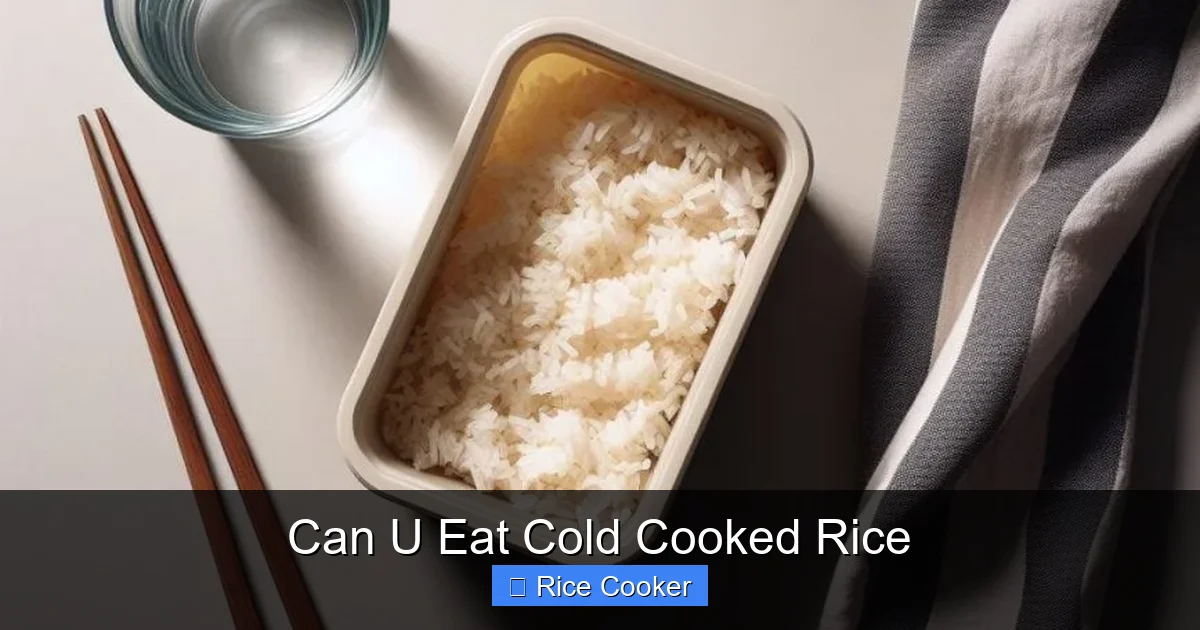
Visual guide about Can U Eat Cold Cooked Rice
Image source: cookedbest.com
Cooking rice kills most bacteria, but here’s the catch: some spores survive. These are the tough little seeds of bacteria like *Bacillus cereus*. When cooked rice is left at room temperature, these spores can wake up, grow, and produce toxins that cause food poisoning. Symptoms usually appear within 6 to 18 hours and include nausea, vomiting, and diarrhea.
The danger zone for food is between 40°F (4°C) and 140°F (60°C). Bacteria multiply fastest in this range. If rice cools slowly—say, sitting on the counter for hours—it spends too much time in this danger zone, giving harmful bacteria a chance to thrive.
That’s why experts recommend cooling and refrigerating rice within 1 to 2 hours of cooking. The faster it cools, the lower the risk.
How to Safely Store Cold Cooked Rice
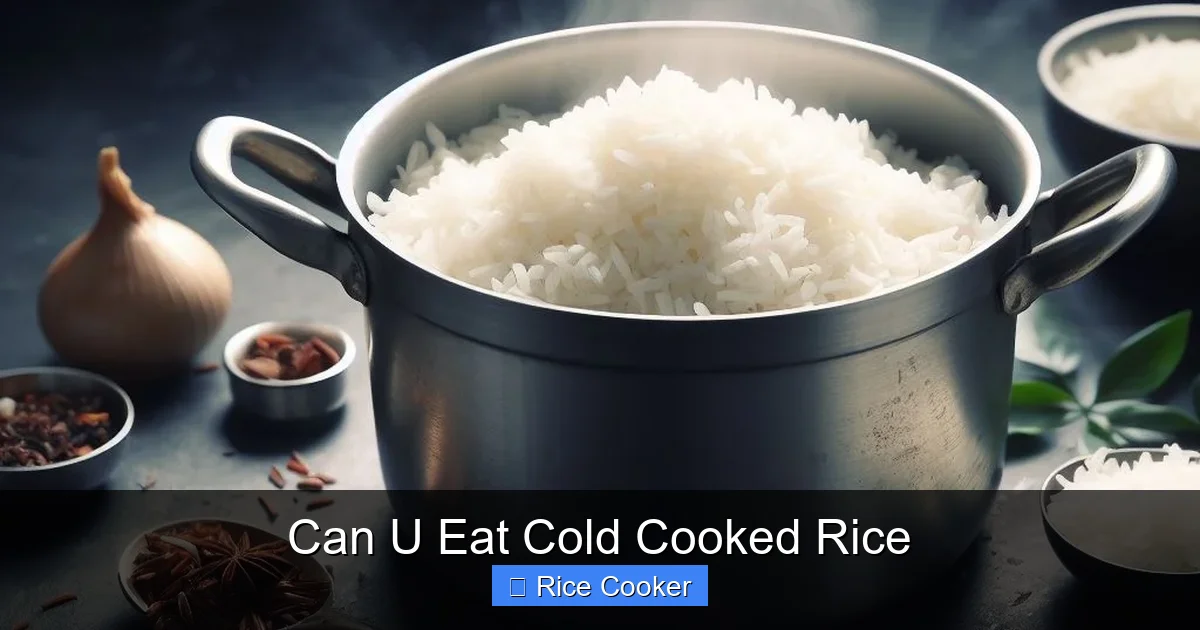
Visual guide about Can U Eat Cold Cooked Rice
Image source: cookedbest.com
Storing rice properly is the first line of defense against foodborne illness. Here’s how to do it right:
Cool It Quickly
Don’t let rice sit at room temperature for more than 2 hours. To speed up cooling:
– Spread the rice in a shallow pan or tray to increase surface area.
– Place it in front of a fan or near a window.
– Use an ice bath: submerge the container in cold water with ice cubes (change the water every 15 minutes).
Store in Airtight Containers
Once cooled, transfer rice to clean, airtight containers. Glass or BPA-free plastic works well. Don’t leave rice in the pot—heat continues to cook it from the inside, raising temperatures and encouraging bacterial growth.
Refrigerate Promptly
Put the container in the refrigerator within 1 hour of cooking. Cold rice stays safe in the fridge for up to 4 days when stored properly.
Label and Date
Write the date on the container so you remember when it was made. This helps avoid confusion later—especially important if you’re meal prepping for the week.
Avoid Cross-Contamination
Use clean utensils when handling refrigerated rice. Never scoop directly from the container with your hands unless they’re clean.
Delicious Ways to Enjoy Cold Cooked Rice
Cold rice isn’t just for leftovers—it’s a versatile ingredient that shines in many dishes. Here are some popular and tasty options:
Sushi and Sashimi Bowls
Sushi-grade rice is always served cold. Season it with rice vinegar, sugar, and salt, then shape it into rolls or serve as sashimi bowls with fresh fish, avocado, and pickled vegetables. Make sure your ingredients are also fresh and handled safely.
Rice Salad and Grain Bowls
Mix cold rice with chopped veggies, herbs, beans, and a tangy dressing. Try combinations like black bean and corn salad, Mediterranean quinoa-style rice, or Thai basil rice with lime and chili.
Fried Rice
While traditional fried rice is made with warm rice, cold rice works better! Its dryness prevents mushiness. Just sauté it with eggs, soy sauce, green onions, and your favorite proteins for a crispy, flavorful dish.
Poke Bowls
Popular in Hawaiian cuisine, poke bowls feature raw fish over a bed of cold rice. Pair it with seaweed, edamame, cucumber, and spicy mayo for a refreshing, protein-packed meal.
Snacks and Side Dishes
Cold rice can be formed into patties, grilled, or eaten plain with dips. In Japan, it’s common to eat cold rice with miso soup or onigiri (rice balls wrapped in nori).
Reheating Cold Cooked Rice Safely
You might wonder if reheating cold rice makes it unsafe. Not necessarily—if the rice was stored properly. Here’s how to reheat it without drying it out:
Microwave Method
Place rice in a microwave-safe dish. Add a splash of water or broth to prevent dryness. Cover with a damp paper towel or lid. Microwave in 30-second intervals, stirring in between, until heated through.
Stovetop Method
Heat rice in a saucepan over low heat. Stir frequently and add a bit of liquid (water, broth, or oil) to keep it moist. Cover to trap steam.
Oven Method
Spread rice on a baking sheet. Drizzle with oil or broth, cover with foil, and bake at 350°F (175°C) for 10–15 minutes, stirring halfway.
Important Tip:
Never reheat rice more than once. Repeated heating increases the risk of bacterial growth.
Freezing Rice: A Game-Changer for Meal Prep
Freezing cooked rice is one of the best ways to extend its shelf life and simplify your week. Properly frozen rice can last up to 6 months in the freezer.
How to Freeze Rice
– Cool rice completely before freezing.
– Portion it into small batches (about 1–2 cups each).
– Place portions in freezer-safe bags or containers, removing as much air as possible.
– Label with the date.
Thawing and Using Frozen Rice
– Thaw overnight in the refrigerator.
– Reheat thoroughly, adding moisture as needed.
– Avoid thawing at room temperature to prevent bacterial growth.
Frozen rice is perfect for stir-fries, casseroles, soups, and more. It’s especially useful for busy people who want to prep ahead.
Signs That Rice Has Gone Bad
Even with proper storage, rice can spoil. Watch for these warning signs:
Unusual Smells
Fresh rice should smell neutral or slightly nutty. If it smells sour, rancid, or fermented, toss it.
Mold
White, gray, or green fuzzy spots mean bacteria or mold have grown. Discard immediately.
Texture Changes
If rice feels slimy, overly sticky, or develops a strange film, it’s time to say goodbye.
Spoilage Isn’t Always Visible
Remember, some toxins from *Bacillus cereus* aren’t detectable by smell or taste. When in doubt, throw it out.
Special Considerations: Rice in Different Cuisines
Different cultures have unique ways of preparing and serving cold rice, often with centuries of tradition behind them.
Japanese Cuisine
In Japan, cold rice is a daily staple. Onigiri (rice balls), bento boxes, and even cold soba are common. Sushi rice is specifically seasoned to stay fresh and flavorful when chilled.
Korean Cuisine
Bibimbap often includes cold rice topped with vegetables, meat, and gochujang. Kimchi fried rice uses cold rice for a crispier texture.
Middle Eastern and Mediterranean
Rice salads like tabbouleh (though technically bulgur, it’s similar) and orzo-based dishes use cold grains. They’re dressed with lemon, olive oil, and herbs for a light, refreshing meal.
American and Global Fusion
Cold rice appears in poke bowls, rice crispy treats, and grain-based salads. It’s a flexible base for creative, healthy meals.
Tips for Home Chefs: Making Cold Rice Easier and Safer
Here are practical tips to make handling cold rice safer and more enjoyable:
Invest in a Good Rice Cooker
A quality rice cooker ensures consistent results and reduces waste. Many models have keep-warm functions that maintain ideal temperatures without overcooking.
Make Extra Rice for Later
Cook a larger batch once a week and freeze portions. This saves time and ensures you always have safe, ready-to-eat rice.
Use Rice Storage Containers
Containers with vented lids allow steam to escape while keeping moisture in. Some even have built-in cooling racks.
Educate Your Household
Teach family members or roommates about proper rice storage. A little awareness goes a long way in preventing foodborne illness.
Keep a Rice Journal
Track how long rice sits out after cooking. This helps build habits and ensures consistency.
Don’t Skip the Cooling Step
Even if you’re in a hurry, take 10 minutes to cool rice properly. It’s a small effort with big safety rewards.
Conclusion: Cold Rice Can Be Safe, Delicious, and Convenient
So, can you eat cold cooked rice? Yes—just follow the rules. With proper cooling, storage, and handling, cold rice is not only safe but incredibly versatile. From sushi to salads to fried rice, it’s a kitchen hero that deserves a place in your routine.
The key is awareness: understand the risks, act quickly, and store wisely. Whether you’re meal prepping, exploring global cuisines, or simply enjoying leftovers, knowing how to manage cold rice empowers you to eat confidently and creatively.
Next time you reach for that bowl of chilled rice, remember: with the right steps, it’s not just okay—it’s delicious.
Frequently Asked Questions
Is it safe to eat cold rice from the day before?
Yes, if it was cooled and refrigerated within 1–2 hours of cooking. Store it in an airtight container and consume within 4 days. Always reheat thoroughly if needed.
Can I eat cold rice if I have a sensitive stomach?
It depends on how the rice was stored. Improperly handled rice increases the risk of food poisoning. If you’re unsure, it’s safer to avoid it or reheat it completely.
Does cooking rice longer kill Bacillus cereus?
No, the spores are resistant to normal cooking. Once rice is cooked, the spores survive. The key is preventing bacterial growth during storage.
Can I eat cold rice straight from the fridge?
Yes, but make sure it was stored safely. Cold rice from the fridge is generally safe, especially if consumed within a few days.
How long can cold cooked rice stay in the fridge?
Up to 4 days when stored in an airtight container and kept at 40°F (4°C) or below. After that, the risk of spoilage increases.
Is cold rice healthier than hot rice?
Not necessarily. Both provide similar nutrients. However, cold rice can be more satiating due to resistant starch formation during cooling, which supports digestion.