
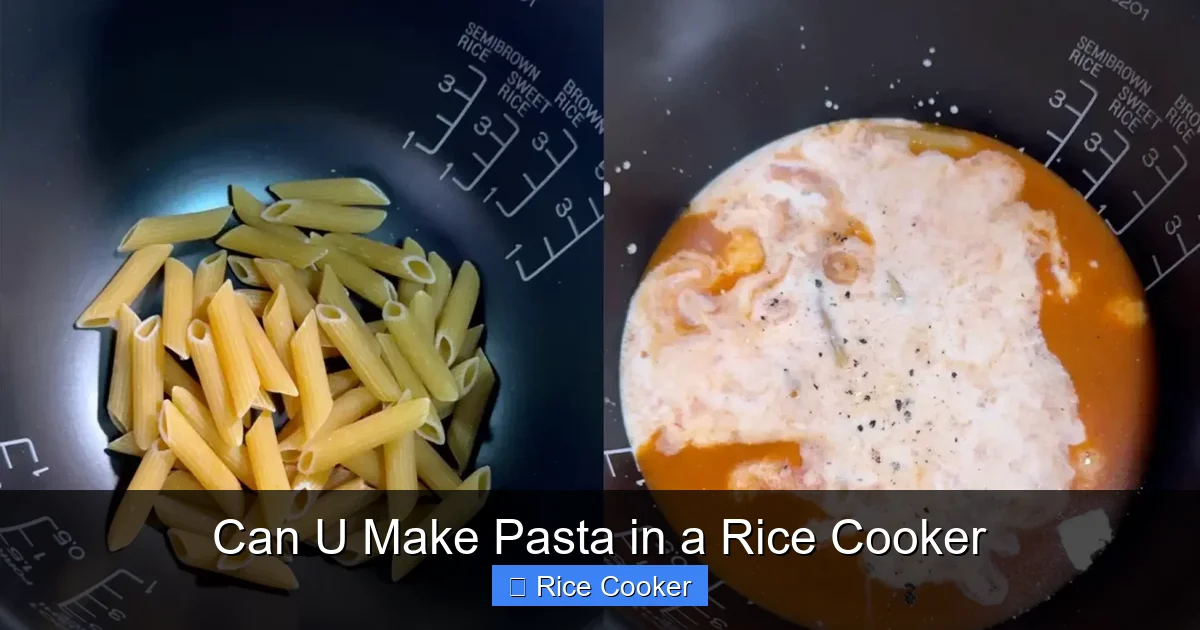
Can u make pasta in a rice cooker? Absolutely! With the right technique and ingredients, your rice cooker can become your new go-to kitchen tool for fluffy pasta every time. This simple method saves water, reduces cleanup, and delivers consistent results—no stovetop needed. Whether you’re cooking for one or feeding a crowd, using a rice cooker to make pasta is a smart, efficient choice that proves yes, you really can enjoy restaurant-quality pasta at home with minimal effort.
Key Takeaways
- Pasta cooks evenly: The controlled heat and steam environment of a rice cooker prevent overcooking and ensure uniform texture.
- Less water, less mess: Using a rice cooker requires significantly less water than boiling pasta on the stove, reducing splatters and cleanup.
- Hands-off convenience: Once you add ingredients, the rice cooker does the work—perfect for busy days or multitasking.
- Works with most pasta shapes: From penne and rotini to spaghetti and fusilli, nearly all dry pasta types adapt well to this method.
- Customizable and healthy: Add vegetables, lean proteins, or whole-grain pasta for nutritious, satisfying meals in under 30 minutes.
- Energy-efficient option: Rice cookers use less electricity than stovetops, making them an eco-friendly alternative for cooking pasta.
- No special setup required: Most standard rice cookers work without modifications—just add water, pasta, and your favorite seasonings.
📑 Table of Contents
- Can U Make Pasta in a Rice Cooker? The Ultimate Guide to Effortless Cooking
- The Science Behind Cooking Pasta in a Rice Cooker
- Step-by-Step: How to Make Pasta in a Rice Cooker
- Tips for Perfect Pasta Every Time
- Creative Recipes to Try in Your Rice Cooker
- Troubleshooting Common Issues
- Is Making Pasta in a Rice Cooker Worth It?
- Final Thoughts: Embrace the Simplicity
Can U Make Pasta in a Rice Cooker? The Ultimate Guide to Effortless Cooking
Have you ever stared into your pantry, wondering what to cook for dinner, only to realize you have pasta and a rice cooker but no pot big enough to boil the noodles? If so, you’re not alone. The modern kitchen is full of clever gadgets, and sometimes the simplest solutions are the most overlooked. One such gem? Your trusty rice cooker. That compact, unassuming appliance tucked away on your counter might just be the unsung hero for quick, hands-free meals—including pasta.
So, can u make pasta in a rice cooker? The answer is a resounding yes. In fact, many home cooks swear by this method for its ease, consistency, and ability to produce perfectly cooked pasta every time. No more watching the clock, stirring constantly, or dealing with overflowing pots. With a few simple adjustments, your rice cooker becomes a pasta powerhouse, capable of turning plain elbow macaroni into a creamy, flavorful dish with just the push of a button.
This guide walks you through everything you need to know about making pasta in a rice cooker—from basic techniques to creative recipe ideas. Whether you’re a college student, a busy parent, or a kitchen newbie, you’ll find that mastering this method is easier than you think. Let’s dive in and unlock the hidden potential of your rice cooker!
The Science Behind Cooking Pasta in a Rice Cooker
Before we get into the how-to, let’s talk about the why. Why does pasta even cook in a rice cooker? After all, it’s not designed for starchy grains like rice or barley—it’s meant for making fluffy white rice, right? Well, it turns out that the principles of cooking pasta and rice are surprisingly similar. Both rely on absorbing liquid and reaching a specific internal temperature to achieve the desired texture. And since rice cookers maintain steady heat and monitor moisture levels automatically, they create the perfect environment for pasta to cook through without burning or sticking.
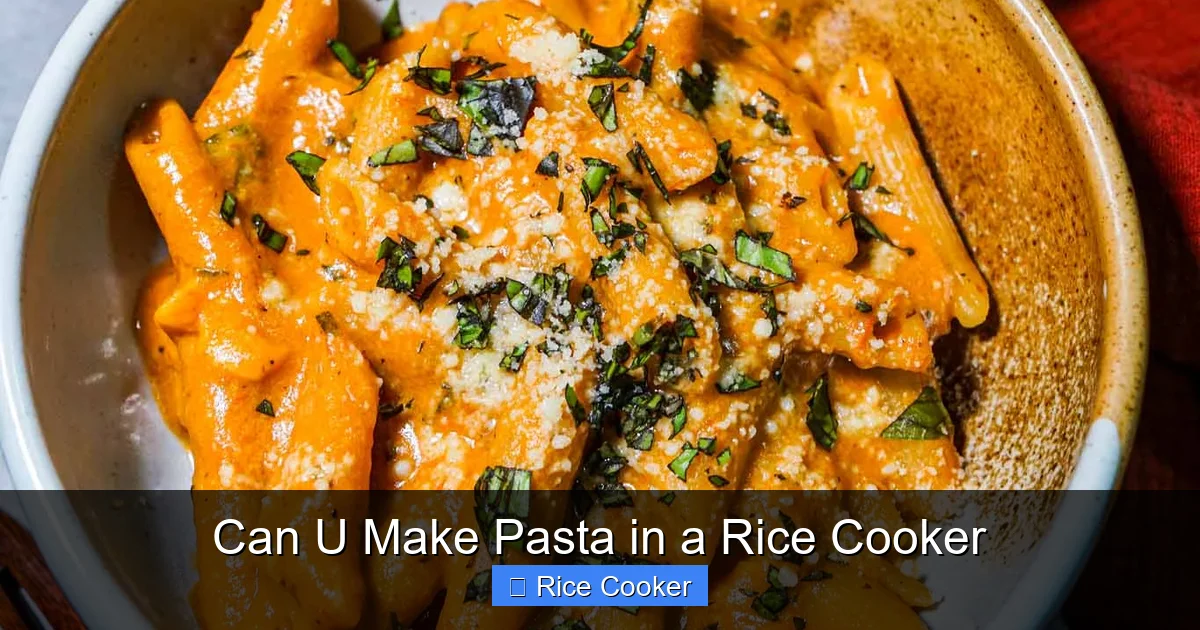
Visual guide about Can U Make Pasta in a Rice Cooker
Image source: nomadette.com
How Heat and Moisture Work Together
When you boil pasta on the stovetop, you’re essentially creating a boiling environment where water rapidly absorbs into the pasta strands. But in a rice cooker, the process is gentler and more controlled. The appliance heats water gradually, allowing the pasta to absorb moisture evenly. As the water level drops, the rice cooker senses the change and adds steam to maintain the cycle—this mimics the simmering action of a pot while preventing scorching.
Because rice cookers are sealed environments, they trap heat efficiently. This means the pasta cooks from the inside out, much like rice grains do when they plump up in their own juice. The result? A tender yet firm bite (al dente), especially if you time it just right.
Why It Works Better Than You Think
You might worry that pasta will turn mushy or stick together in a rice cooker. But thanks to the constant circulation of steam and the non-stick inner pot, that risk is minimized. Plus, most rice cookers come with a “Keep Warm” function that gently holds cooked pasta at the perfect serving temperature—no reheating needed.
Step-by-Step: How to Make Pasta in a Rice Cooker
Ready to give it a try? Follow these easy steps to make foolproof pasta using just your rice cooker and a few basic ingredients. No fancy equipment required.
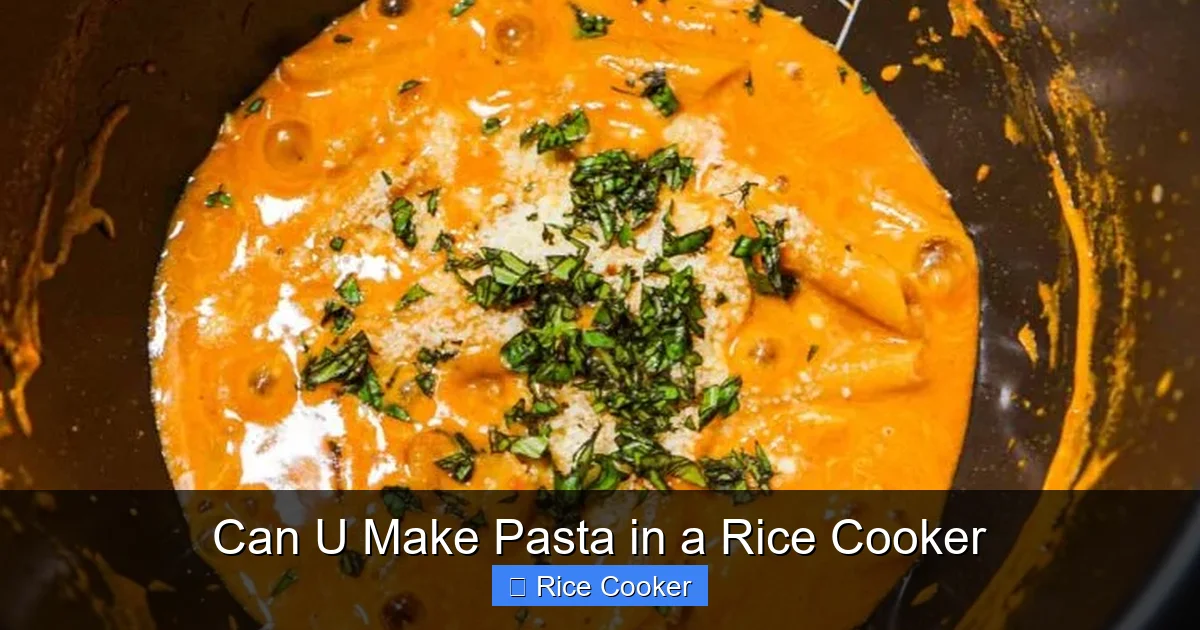
Visual guide about Can U Make Pasta in a Rice Cooker
Image source: nomadette.com
Gather Your Ingredients and Tools
Start by collecting the essentials:
- 1 cup dry pasta (any shape)
- 2 cups water (or broth for extra flavor)
- A pinch of salt (optional)
- Olive oil (1–2 teaspoons, to prevent sticking)
- Your rice cooker with a non-stick inner pot
Pro tip: Use a rice cooker with a larger capacity if you’re cooking for more than two people. Some models also include a steamer basket—great for adding veggies while the pasta cooks.
Prepare the Pasta and Water Ratio
The key to success lies in the water-to-pasta ratio. For most rice cookers, a good starting point is 2 parts water to 1 part pasta. So for 1 cup of pasta, use 2 cups of water. Too little water, and your pasta will dry out; too much, and it may become soggy.
Add the pasta to the rice cooker pot first, then pour in the water. Stir briefly to distribute the pasta evenly. A splash of olive oil helps keep strands separate, reducing clumping.
Set the Right Cooking Time
Most rice cookers don’t have a dedicated pasta setting, so you’ll need to time it manually. On average, pasta takes 8–12 minutes to cook fully in a rice cooker. Start checking at the 8-minute mark using a fork to test tenderness. Remember, you want it slightly firm—al dente is best.
If your rice cooker has a “Timer” or “Delay” function, you can set it to start cooking later. Perfect for meal prep or when dinner’s ready early.
Let It Rest Before Serving
Once the rice cooker switches to “Keep Warm,” let the pasta sit for 2–3 minutes. This allows any remaining moisture to distribute evenly and gives you time to prepare sauces or sides. Don’t skip this step—it makes a noticeable difference in texture.
Tips for Perfect Pasta Every Time
Even though the rice cooker does most of the work, a few small tweaks can elevate your pasta game.
Choose the Right Pasta Shape
Not all pasta shapes are created equal when it comes to rice cooker cooking. Short, sturdy shapes like penne, rigatoni, and fusilli hold up best because they don’t break apart easily. Longer strands like spaghetti or linguine can tangle and stick, so break them into smaller pieces or opt for pre-cut versions if possible.
Don’t Overcrowd the Pot
Just like with rice, overcrowding the pot leads to uneven cooking. Stick to one pound (about 4 cups) of pasta max per batch unless your rice cooker is specifically designed for larger quantities.
Boost Flavor with Broth or Stock
Instead of plain water, try using chicken, vegetable, or beef broth. The extra flavor infuses directly into the pasta, eliminating the need for heavy sauces. You can even toss in herbs like thyme or rosemary before closing the lid.
Experiment with Add-Ins
Want to turn your pasta into a full meal? Add ingredients during the last 3–5 minutes of cooking time:
- Diced tomatoes
- Sliced mushrooms
- Canned beans (rinsed)
- Spinach or kale
- Grilled chicken or shrimp
These cook quickly and blend seamlessly with the pasta.
Creative Recipes to Try in Your Rice Cooker
The beauty of making pasta in a rice cooker is its versatility. Here are three delicious recipes to inspire your next meal.
Classic Garlic Herb Mac & Cheese
Who says mac and cheese needs a stovetop? Combine 1 cup elbow macaroni, 2 cups milk, 1 cup shredded cheddar, 1 minced garlic clove, and a pinch of paprika in your rice cooker. Cook for 10 minutes, stir, then let it rest. Top with breadcrumbs and bake at 375°F (190°C) for 10 minutes until golden. Serve hot and creamy!
One-Pot Creamy Mushroom Pasta
Sauté 8 oz sliced mushrooms in olive oil (in a skillet), then transfer to the rice cooker with 1 cup penne and 2 cups vegetable broth. Add 1 tbsp butter, ½ cup grated Parmesan, and a sprinkle of thyme. Cook for 10 minutes, stir, and enjoy a rich, savory dish with minimal cleanup.
Spicy Tomato Basil Penne
In the rice cooker, combine 1 cup penne, 2 cups crushed tomatoes, ½ cup water, 1 chopped onion, 2 cloves garlic, and a pinch of red pepper flakes. Cook for 12 minutes. Stir in fresh basil and a drizzle of olive oil before serving. Simple, bold, and full of flavor.
Troubleshooting Common Issues
Even with the best technique, things can go wrong. Here’s how to fix the most common problems.
Pasta Is Still Hard in the Middle
This usually means insufficient cooking time or too little water. Next time, increase the water to 2.5 cups and check at 10 minutes. Also, avoid opening the lid frequently—it disrupts the cooking cycle.
Pasta Sticks to the Bottom
Ensure the inner pot is clean and lightly greased with oil. Stirring once halfway through (gently) also helps prevent sticking.
Too Much Water Remains
If there’s excess liquid after cooking, remove the pasta and drain it using a colander. Then return the pasta to the pot and stir in your sauce or cheese to thicken naturally.
Flavor Is Bland
Always use seasoned water or broth. Adding salt, herbs, or spices during cooking enhances taste significantly. Don’t forget to taste before serving and adjust seasoning as needed.
Is Making Pasta in a Rice Cooker Worth It?
After trying it once, most people wonder why they never thought of this before. Yes, making pasta in a rice cooker takes a little planning—timing, water ratios, occasional stirring—but the payoff is huge. You save time, reduce dishes, and eliminate the constant babysitting of a boiling pot. Plus, the consistent results mean fewer mistakes and more confidence in the kitchen.
For families, college students, or anyone who values convenience, this method is a total win. And if you already own a rice cooker (which over 60% of households do), you’re one ingredient away from a delicious homemade meal.
Final Thoughts: Embrace the Simplicity
So, can u make pasta in a rice cooker? The answer isn’t just yes—it’s a confident, enthusiastic yes. This method proves that innovation doesn’t always require new gadgets; sometimes, it’s about rethinking how we use what we already have. Your rice cooker, once seen as a humble sidekick to rice, is now a versatile kitchen ally ready to tackle pasta, grains, even eggs and steamed veggies.
Next time you’re short on time or tired of scrubbing pots, reach for your rice cooker and give pasta a try. You might just discover your new favorite way to cook. And who knows? You could become the go-to pasta chef at family gatherings—all thanks to a little kitchen ingenuity.
Frequently Asked Questions
Can u make pasta in a rice cooker without breaking the machine?
Yes, absolutely! Most standard rice cookers are safe for making pasta. Just follow proper water ratios and cooking times. Avoid overfilling and don’t use metal utensils that could scratch the non-stick surface.
What type of pasta works best in a rice cooker?
Short, tube-shaped pastas like penne, rigatoni, and elbow macaroni work best because they don’t tangle easily. Avoid very thin or delicate shapes like angel hair, which can become mushy.
How much water do I need to add?
Use about 2 cups of water for every 1 cup of dry pasta. Adjust slightly based on your rice cooker model—some may need a bit more or less depending on size and design.
Do I need to stir the pasta while it cooks?
Stirring once halfway through helps prevent sticking, but avoid frequent stirring. Most rice cookers circulate steam well enough to cook pasta evenly without constant attention.
Can I add sauce while the pasta cooks?
It’s better to add sauce after cooking. However, you can mix in soft ingredients like spinach, beans, or cheese during the last few minutes for a one-pot meal.
Will my rice cooker smell like pasta after cooking?
Some residual aroma may remain, especially if you cook strongly flavored ingredients like garlic or onions. To minimize odors, clean the inner pot thoroughly and run a cycle with vinegar and water occasionally.