
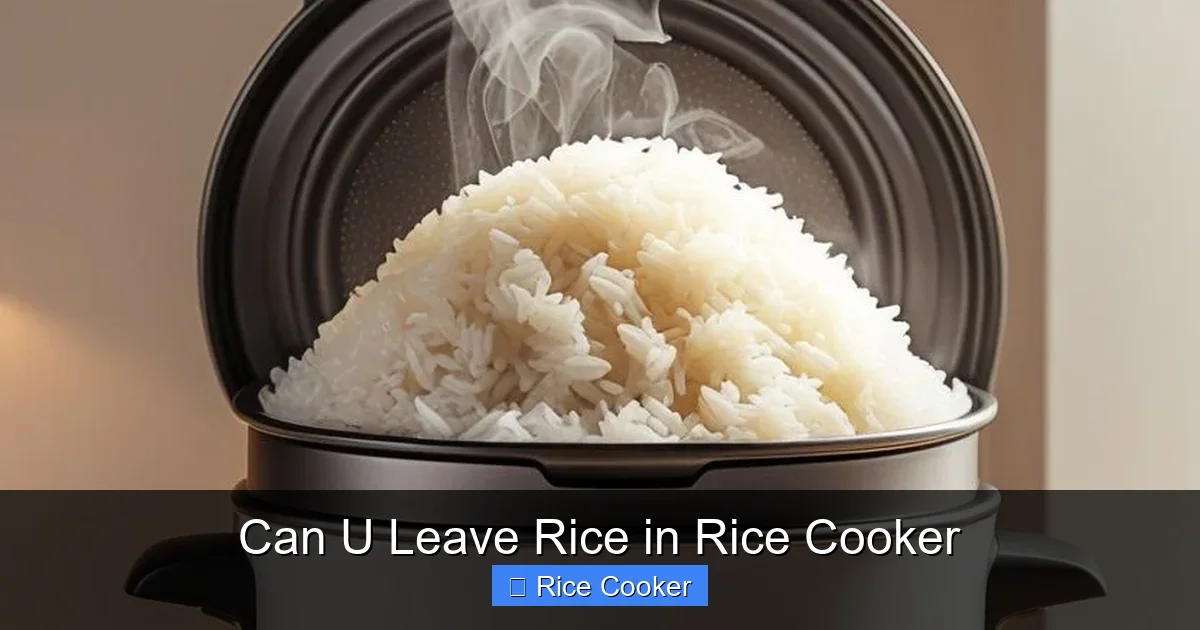
Can you leave rice in a rice cooker? The short answer is yes—but only temporarily. Leaving cooked rice in the rice cooker for more than a few hours increases the risk of bacterial growth, especially if the unit isn’t on the “keep warm” setting or if it cools too slowly. For best results, transfer leftover rice to an airtight container within two hours and store it in the refrigerator for up to four days. Always reheat thoroughly before eating. While modern rice cookers have safety features, they’re not designed for long-term storage like a fridge or freezer.
Key Takeaways
- Short-Term Storage Is Safe: You can safely leave cooked rice in the rice cooker for up to 2–4 hours on the “keep warm” setting, but not longer.
- Bacterial Growth Risks: Rice can harbor spores of Bacillus cereus, which thrive in warm, moist environments—like inside a closed rice cooker that cools slowly.
- Use the Keep Warm Feature Wisely: The “keep warm” function maintains rice at around 165°F (74°C), which slows bacterial growth but doesn’t eliminate it over time.
- Refrigerate Promptly: For optimal safety, refrigerate cooked rice within two hours of cooking or removing it from heat.
- Reheat Thoroughly: Always reheat rice until steaming hot throughout (at least 165°F internally) to kill any potential bacteria.
- Avoid Repeated Warming Cycles: Each time you reheat rice, it creates another window where bacteria could multiply if left sitting too long.
- Freezing Is Best for Long Storage: For meals planned days ahead, freeze rice in portions for up to six months; thaw safely in the fridge before reheating.
Have you ever finished a delicious pot of rice—only to wonder what happens if you just leave it in the cooker? Maybe you had guests over and didn’t want to clean right away. Or perhaps you were planning to eat it later but got distracted. It’s a common question: Can u leave rice in rice cooker?
The truth is, while it might seem harmless to pop the lid off and walk away, leaving cooked rice in a rice cooker isn’t as simple as it looks. Rice cookers are amazing kitchen gadgets—efficient, automatic, and often packed with smart features—but they weren’t built to act as long-term food storage units. In fact, doing so could put you at risk for foodborne illness.
In this guide, we’ll explore everything you need to know about leaving rice in your rice cooker: how long it’s safe, what risks to watch out for, and practical tips to keep your rice both tasty and safe. Whether you’re meal-prepping or just trying to avoid extra dishes, understanding proper rice handling makes all the difference.
Key Takeaways
- Understanding can u leave rice in rice cooker: Provides essential knowledge
📑 Table of Contents
- Understanding How Rice Cookers Work
- Can U Leave Rice in Rice Cooker Overnight?
- Safety Guidelines: How Long Is Rice Safe in the Cooker?
- Best Practices for Storing Cooked Rice
- What Happens If You Accidentally Leave Rice in Too Long?
- Tips to Prevent Waste and Stay Safe
- Common Myths About Rice and Bacteria
- Choosing the Right Rice Cooker for Your Needs
- Final Thoughts: Convenience vs. Safety
Understanding How Rice Cookers Work
Before diving into whether you can leave rice in the cooker, let’s talk about how these appliances actually function. Most modern rice cookers use a thermostat-controlled heating element that switches between high and low temperatures during the cooking cycle. Once the rice is fully cooked, the temperature stabilizes—and here’s where things get interesting.
Many models come with a “keep warm” setting that maintains the internal temperature around 165°F (74°C). This mimics the concept of holding hot food at restaurants, where servers keep dishes warm without overcooking them. But even under ideal conditions, this isn’t meant for extended periods.
It’s also important to note that rice cookers aren’t refrigerated. Unlike a fridge or freezer, they don’t lower the temperature of stored food—they just hold it steady. That means if ambient room temperature fluctuates (say, your kitchen gets stuffy and warm), the rice inside can enter the “danger zone,” where bacteria multiply rapidly.
Can U Leave Rice in Rice Cooker Overnight?
Visual guide about Can U Leave Rice in Rice Cooker
Image source: i.pinimg.com
Let’s cut straight to the chase: No, you should not leave rice in your rice cooker overnight. While some people do this out of convenience, it poses serious health risks.
Cooked rice contains spores of Bacillus cereus—a bacterium known for causing food poisoning. These spores survive normal cooking temperatures because they’re dormant. However, once the rice cools down and sits in a warm environment (like an unrefrigerated rice cooker), those spores can activate, grow, and produce toxins that cause vomiting or diarrhea.
Even if your rice cooker has a “keep warm” function, it may not maintain a consistently safe temperature throughout the night. Many units cycle on and off, meaning the rice could drop below 165°F (74°C) for stretches of time—perfect conditions for bacterial growth.
Plus, moisture builds up inside the cooker when it’s sealed. That steam can rehydrate the rice grains, creating a sticky, slimy texture that’s not only unappealing but also more hospitable to bacteria.
So unless you’ve got a fancy model with precise temperature control and continuous monitoring (which most home cookers don’t), leaving rice in overnight is a gamble with your health on the line.
Safety Guidelines: How Long Is Rice Safe in the Cooker?
Visual guide about Can U Leave Rice in Rice Cooker
Image source: kitchensnitches.com
If you must leave rice in the rice cooker, timing matters. Here’s the science-backed advice:
- Up to 2 hours: If your rice cooker stays on the “keep warm” setting and remains above 165°F (74°C), it’s generally considered safe to leave rice in for up to two hours after cooking.
- Beyond 2 hours: After two hours, the risk of Bacillus cereus contamination increases significantly. Even if the rice looks and smells fine, harmful bacteria could be present.
- Cooling phase: Never leave rice in the cooker while it’s still actively cooling. As soon as the cooker switches off, begin transferring the rice to a container or refrigerating immediately.
For reference, the USDA recommends that perishable foods (including cooked grains) should not sit at room temperature for more than two hours—four hours if the environment is cooler than 90°F (32°C).
If you’re serving rice at a party or event, consider using a chafing dish or insulated warmer instead. These devices are designed specifically for holding food at safe temperatures without promoting bacterial growth.
Best Practices for Storing Cooked Rice
Instead of relying on your rice cooker for storage, follow these simple steps to keep your rice safe and delicious:
Transfer Within Two Hours
As soon as the rice is done cooking (or after you remove it from heat), move it to an airtight container. A glass or BPA-free plastic container works well. Avoid metal bowls if possible—they can react with acidic ingredients or retain odors.
Cool Quickly
To reduce the time the rice spends in the danger zone (between 40°F and 140°F / 4°C and 60°C), spread the rice out in the container or place it in shallow layers. You can even stir occasionally to help release heat.
Refrigerate Promptly
Store the cooled rice in the refrigerator within two hours. Properly refrigerated rice lasts up to four days. Label the container with the date so you know when it was made.
Freeze for Long-Term Use
Want to prep rice for busy weeks? Freeze it in portion-sized containers or freezer bags. Frozen rice stays safe for up to six months. When ready to eat, thaw overnight in the fridge and reheat thoroughly.
Avoid Cross-Contamination
Always use clean utensils when scooping rice. Don’t dip dirty spoons into the container repeatedly—this introduces bacteria each time.
What Happens If You Accidentally Leave Rice in Too Long?
You might be thinking, “What if I forgot?” Don’t panic—but don’t eat it either.
If rice has been sitting in the rice cooker for more than four hours (especially overnight), discard it. There’s no reliable way to tell if Bacillus cereus toxins are present just by looking or smelling. The symptoms usually appear 30 minutes to 6 hours after eating contaminated rice, so waiting isn’t worth the risk.
Some signs that rice has spoiled include:
- Unusual sliminess or stickiness
- Sour or off smell
- Visible mold
- Reddish or discolored grains
Even if none of these are obvious, err on the side of caution. Foodborne illnesses are no joke—and rice-related cases are surprisingly common.
Tips to Prevent Waste and Stay Safe
Meal prepping saves time, but improper storage can lead to waste—and worse, illness. Try these strategies to stay safe and organized:
Meal Prep in Batches
Cook rice in larger quantities and divide it into daily portions before refrigerating. That way, you always have ready-to-eat rice without needing to reheat multiple times.
Label Everything
Write the date on containers so you know exactly how long the rice has been stored. Rotate older batches first (FIFO method).
Use Quality Containers
Invest in stackable, leak-proof containers with tight-fitting lids. They make fridge organization easier and prevent cross-contamination.
Reheat Properly
When you’re ready to eat, reheat rice to at least 165°F (74°C) throughout. Add a splash of water if it seems dry—steam helps distribute heat evenly.
Never Reboil Rice
Boiling rice multiple times increases starch breakdown and raises the risk of bacterial growth. One thorough reheat is enough.
Common Myths About Rice and Bacteria
There are plenty of misconceptions floating around about rice safety. Let’s clear them up:
Myth 1: Brown Rice Is Safer Than White Rice
False. Both types carry the same risk of Bacillus cereus contamination if left at room temperature. The only difference is that brown rice has more fiber and nutrients—not less bacterial hazard.
Myth 2: Boiling Rice Kills All Germs
True—but irrelevant. Cooking rice kills existing bacteria, but it doesn’t destroy Bacillus cereus spores. Those survive and can bloom later if the rice cools improperly.
Myth 3: Rice Cookers Automatically Sterilize Rice
Nope. While high temperatures during cooking kill active microbes, the appliance itself doesn’t sterilize. Once rice leaves the cooker, it behaves like any other cooked grain.
Myth 4: Leftover Rice Can Be Safely Kept on the Counter All Day
Dangerous! Unless you live near freezing or boiling point, countertop rice enters the danger zone quickly. Always refrigerate within two hours.
Choosing the Right Rice Cooker for Your Needs
Not all rice cookers are created equal—especially when it comes to safety and functionality. If you frequently cook rice and want flexibility without compromising safety, consider these features:
- Timer Function: Lets you delay start times for fresh morning meals.
- Keep Warm Duration Indicator: Shows how long the rice has been warming—helpful for tracking time limits.
- Insulated Design: Helps maintain temperature longer without cycling on/off constantly.
- Removable Inner Pot: Makes cleanup easy and allows for direct refrigeration (just cool first).
- Smart Sensors:: Some premium models detect when rice is fully cooked and switch to safe holding temps automatically.
Brands like Zojirushi, Cuckoo, and Panasonic offer top-tier options with advanced safety protocols. But even basic models work fine—just remember to follow safe storage rules regardless of brand.
Final Thoughts: Convenience vs. Safety
At the end of the day, convenience shouldn’t cost you your health. Yes, leaving rice in the cooker might save you a trip to the fridge—but the risks outweigh the benefits. With just a few extra seconds to transfer rice to a container, you protect yourself from potential illness and extend the life of your food.
Modern rice cookers are fantastic tools, but they’re not magic. They cook perfectly every time, sure—but they don’t replace proper food handling practices. Treat your rice with the respect it deserves: cool it fast, chill it promptly, and reheat it thoroughly.
By following these guidelines, you’ll enjoy safer, tastier rice—whether it’s day-old leftovers or freshly prepared grains for tomorrow’s lunch. And who knows? You might even find that taking five extra minutes to store rice properly makes your whole kitchen routine smoother.
Remember: When it comes to rice, when in doubt—discard it. Your body will thank you.
Frequently Asked Questions
Can you leave rice in the rice cooker overnight?
No, it’s unsafe to leave rice in the rice cooker overnight. The warm, moist environment promotes bacterial growth, especially from Bacillus cereus, which can cause food poisoning even if the rice looks and smells fine.
How long can you safely leave rice in the rice cooker?
You can leave rice in the rice cooker for up to 2 hours on the “keep warm” setting, provided the temperature stays above 165°F (74°C). Beyond that, transfer it to the refrigerator immediately.
Is it okay to leave rice in the rice cooker while it’s still hot?
Yes, briefly. As soon as the rice is cooked and the cooker switches off, move the rice to a container or refrigerate it within two hours to prevent bacterial growth.
Why is it dangerous to leave rice out at room temperature?
Rice contains Bacillus cereus spores that survive cooking. When rice cools between 40°F and 140°F (4°C–60°C), these spores can multiply and produce toxins that cause nausea, vomiting, or diarrhea.
Can you reheat rice left in the rice cooker?
Only if it was stored properly in the fridge within two hours. Reheat thoroughly until steaming hot throughout (at least 165°F/74°C internally). Never reheat rice multiple times.
What’s the best way to store cooked rice?
Transfer rice to an airtight container within two hours of cooking, cool it quickly, then refrigerate for up to 4 days or freeze for up to 6 months. Always label and rotate stock.