

Can we cook rice in pressure cooker? The short answer is yes, and it’s one of the most efficient ways to prepare fluffy, flavorful rice. With the right ratio of water, timing, and technique, your pressure cooker can replace or even outperform a traditional rice cooker. Whether you’re using white rice, brown rice, or specialty grains, mastering this method saves time and ensures consistent results every time.
Key Takeaways
- Pressure cooking rice is fast and energy-efficient: It typically takes 3–5 minutes under high pressure, compared to 15–40 minutes on the stovetop.
- Proper water-to-rice ratio is crucial: For most rice types, use 1:1.25 (rice to water), but adjust based on grain variety and texture preference.
- Different rice types require different settings: White rice needs less time than brown rice due to its softer texture and higher starch content.
- A quick release is usually best: After cooking, vent the pressure quickly to prevent overcooking and maintain fluffy grains.
- You can enhance flavor with simple additions: Add salt, butter, garlic, or broth to elevate your rice beyond plain white.
- Cleanup is easier with a non-stick pot: Most modern pressure cookers come with removable, dishwasher-safe inner pots.
- Practice makes perfect: Your first few attempts may vary slightly—don’t worry, each trial helps fine-tune your technique.
📑 Table of Contents
- Can We Cook Rice in Pressure Cooker? A Complete Guide
- Why Use a Pressure Cooker for Rice?
- Choosing the Right Rice for Pressure Cooking
- Essential Tools and Ingredients
- Step-by-Step Guide: How to Cook Rice in a Pressure Cooker
- Common Mistakes and How to Avoid Them
- Flavor Enhancements and Creative Variations
- Cleaning and Maintenance Tips
- Comparing Pressure Cooker vs. Rice Cooker
- Final Thoughts: Mastering Rice in a Pressure Cooker
Can We Cook Rice in Pressure Cooker? A Complete Guide
If you’ve ever stood over a pot of rice, stirring constantly and watching the clock, you know how tedious it can be. But what if I told you there’s a faster, more hands-off way to make perfectly cooked rice—without sacrificing flavor or texture? Enter the pressure cooker. Yes, that same appliance you use for stews, soups, and beans can also be your secret weapon for fluffy, tender, and evenly cooked rice. So, can we cook rice in pressure cooker? Absolutely. In fact, once you master this method, you might never go back to the old way.
In this comprehensive guide, we’ll walk you through everything you need to know about cooking rice in a pressure cooker. From understanding the science behind how pressure affects cooking times to choosing the right rice type and adjusting ratios, we’ve got you covered. Whether you’re a beginner or a seasoned home cook looking to expand your repertoire, this article will turn you into a pressure-cooker rice expert.
Why Use a Pressure Cooker for Rice?
Before diving into recipes and techniques, let’s talk about why pressure cooking rice is such a game-changer. Traditional methods—whether boiling on the stove or using a rice cooker—require careful monitoring and precise timing. But with a pressure cooker, you lock in moisture and heat, allowing the rice to cook rapidly while staying soft and separate.
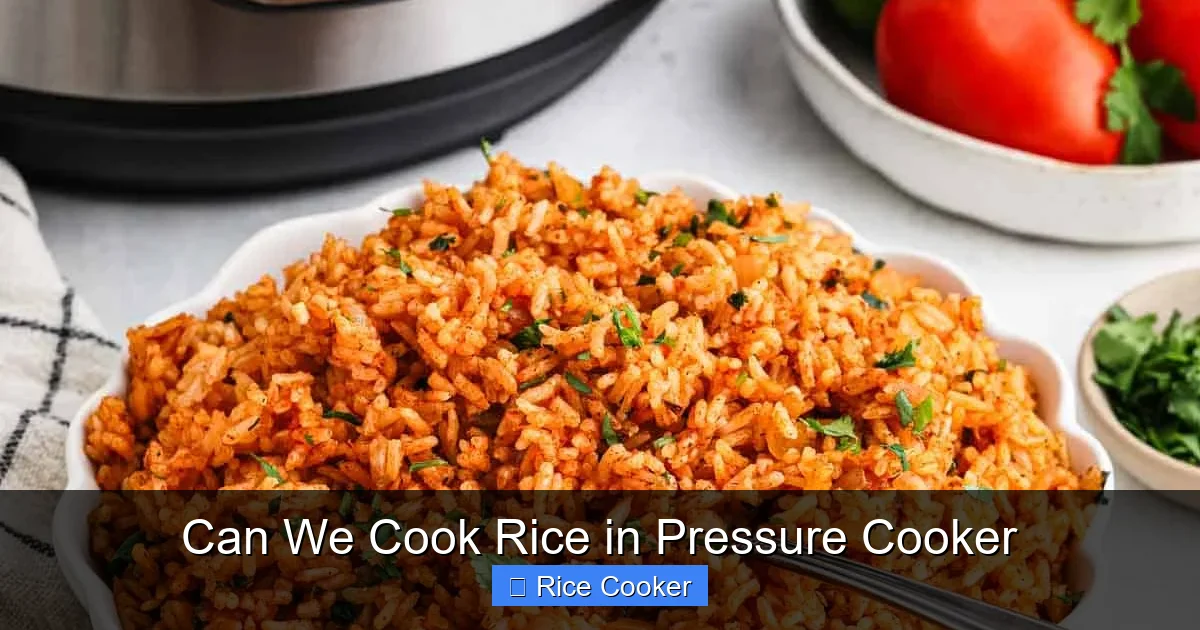
Visual guide about Can We Cook Rice in Pressure Cooker
Image source: eatingonadime.com
The Science Behind It
Under pressure, water boils at a higher temperature—around 121°C (250°F) instead of 100°C (212°F). This increased heat accelerates the cooking process, breaking down starches and gelatinizing the grains much faster. As a result, rice cooks uniformly without scorching or sticking, even in large batches.
Time and Energy Savings
One of the biggest advantages is speed. Cooking white rice in a pressure cooker takes just 3–5 minutes under high pressure, compared to 15–20 minutes on the stove. That’s a huge time saver, especially when you’re preparing a full meal. Plus, pressure cookers are highly energy-efficient, using less electricity or gas than traditional methods.
Consistency Across Batches
Unlike stovetop cooking, where inconsistent heat can lead to mushy or undercooked spots, pressure cookers provide uniform heat distribution. This means every grain gets cooked the same way—every single time.
Choosing the Right Rice for Pressure Cooking
Not all rice is created equal, and not every type performs the same in a pressure cooker. Understanding the differences helps you pick the best option for your dish.
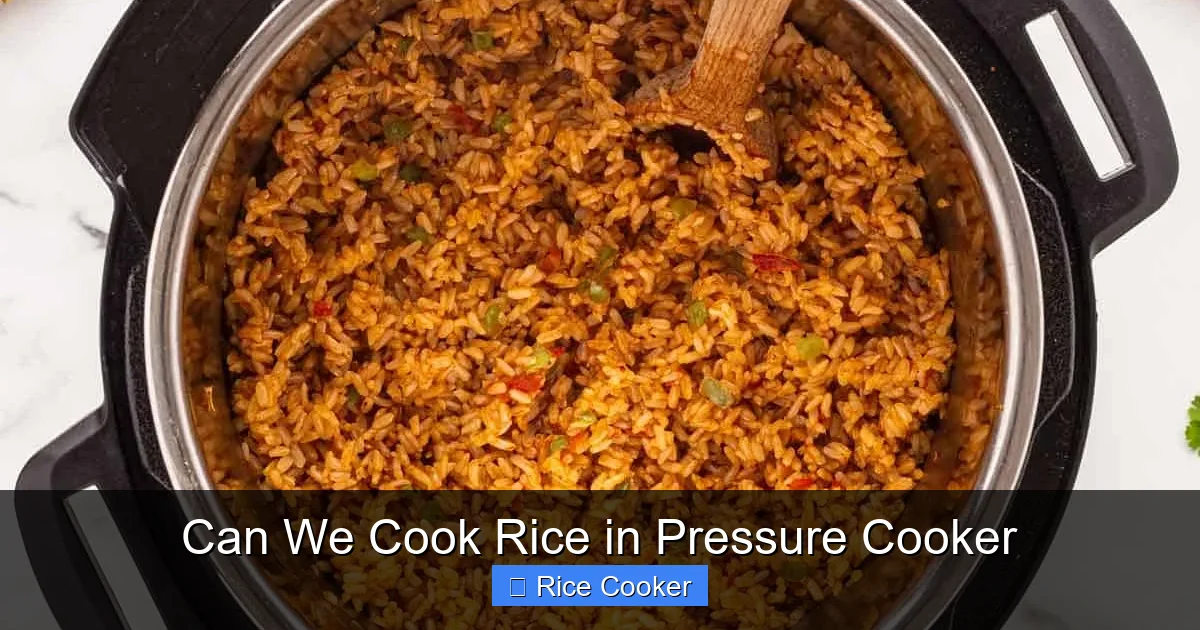
Visual guide about Can We Cook Rice in Pressure Cooker
Image source: attainable-sustainable.net
White Rice
White rice—like jasmine, basmati, or long-grain American varieties—is the easiest to cook in a pressure cooker. Its high starch content absorbs water quickly and becomes tender without falling apart. Ideal for pilafs, side dishes, or fried rice.
Brown Rice
Brown rice has a tougher bran layer, which means it needs more time and water. It’s still totally doable in a pressure cooker, but you’ll need a slightly longer cooking time (around 8–10 minutes under pressure) and a higher water ratio.
Sushi Rice
Sushi rice is sticky by nature, so it works well in pressure cookers when you want a clingy texture. Just be careful not to overcook it, or it will become gummy.
Specialty Grains
Rices like wild rice, black rice, or arborio (used for risotto) can also be cooked in a pressure cooker, though they may require slight adjustments. Wild rice, for example, needs extra soaking and longer cooking time due to its fibrous structure.
Essential Tools and Ingredients
To cook rice perfectly in a pressure cooker, you don’t need fancy gadgets—just a few basics.
What You’ll Need
- A working pressure cooker (electric or stovetop)
- Long-grain, medium-grain, or short-grain rice (depending on your recipe)
- Fresh cold water
- A fine-mesh strainer (optional, for rinsing)
- Salt, oil, or broth (optional, for flavor)
Pro Tips Before You Start
- Wash your rice: Rinsing removes excess starch, preventing stickiness.
- Use filtered water: It improves taste and reduces impurities.
- Don’t skip the lid seal check: Make sure the rubber gasket is clean and properly seated before locking the lid.
Step-by-Step Guide: How to Cook Rice in a Pressure Cooker
Now comes the fun part—actually making the rice. Follow these steps for foolproof results every time.
Step 1: Measure and Rinse the Rice
For every cup of uncooked rice, measure 1.25 cups of water (adjust slightly for brown rice). Place the rice in a bowl, add cold water, swirl it around, then drain. Repeat 2–3 times until the water runs clear. This removes surface starch and ensures fluffier grains.
Step 2: Add Water and Seasonings
Transfer the rinsed rice to the pressure cooker pot. Add the measured water, plus a pinch of salt or a splash of broth for extra flavor. For creamier rice, stir in a teaspoon of oil or butter.
Step 3: Lock the Lid and Set the Pressure
Secure the lid and ensure the valve is in the sealing position. On an electric model, select the “Manual” or “Pressure Cook” setting. For stovetop models, bring to high heat until the float valve rises. Adjust time based on rice type:
- White rice: 3–4 minutes under high pressure
- Brown rice: 8–10 minutes under high pressure
- Sushi rice: 3 minutes
Step 4: Natural or Quick Release?
After cooking, you have two options: natural release or quick release. For white rice, a quick release (venting steam immediately) works best—it stops cooking instantly and keeps grains separate. For brown rice, a natural release (waiting 10 minutes before venting) helps retain moisture and tenderness.
Step 5: Fluff and Serve
Once the pressure drops, open the lid carefully. Use a fork to gently fluff the rice—don’t mash it. Let it sit for 5 minutes to settle, then serve hot with your favorite dish.
Common Mistakes and How to Avoid Them
Even experienced cooks run into issues now and then. Here are the most common pitfalls—and how to fix them.
Mistake #1: Using Too Much Water
Too much water leads to soggy, mushy rice. Stick to the 1:1.25 ratio, and always drain excess liquid after cooking if needed.
Mistake #2: Not Rinsing the Rice
Unrinsed rice can be gluey. Always rinse until the water clears—especially for sushi or jasmine rice.
Mistake #3: Overcrowding the Pot
Cooking too much rice at once can block steam flow. Stick to the manufacturer’s recommended capacity (usually 6–8 cups of uncooked rice).
Mistake #4: Skipping the Preheat Step
For stovetop models, preheating ensures immediate pressure buildup. Skip this, and your rice may cook unevenly.
Mistake #5: Opening the Lid Too Soon
Never open the lid before the pressure fully releases. It can cause burns or ruin the texture.
Flavor Enhancements and Creative Variations
Rice doesn’t have to be boring. With a few simple tweaks, you can transform plain white rice into something extraordinary.
Add Aromatics
Toast garlic, onions, or ginger in the pressure cooker before adding rice and water. This infuses the grains with deep, savory notes.
Use Broth Instead of Water
Replace half the water with vegetable, chicken, or beef broth. It adds richness and depth—perfect for risottos or pilafs.
Infuse with Herbs and Spices
Toss in bay leaves, cumin seeds, or a cinnamon stick during cooking. Remove before serving for clean flavors.
Make Coconut Rice
Add a splash of coconut milk along with water. Cook as usual for a fragrant, slightly sweet side dish—great with curries.
Try Lemon or Lime Zest
A twist of citrus after cooking brightens the flavor and pairs beautifully with fish or grilled meats.
Cleaning and Maintenance Tips
Keeping your pressure cooker in top shape ensures reliable performance—and extends its lifespan.
Clean the Gasket Regularly
The silicone or rubber gasket traps food particles. Wash it after each use with warm, soapy water. Replace it every 1–2 years.
Descale Mineral Buildup
If you notice limescale, run a cycle with vinegar and water to dissolve deposits. Never use harsh abrasives on the pot.
Check the Valve and Seals
Inspect the steam release valve and lid seals monthly. Replace worn parts immediately to avoid safety hazards.
Comparing Pressure Cooker vs. Rice Cooker
You might wonder: should I use a rice cooker or a pressure cooker for rice? Both work, but they’re different tools with unique strengths.
| Feature | Pressure Cooker | Rice Cooker |
|---|---|---|
| Cooking Speed | Fast (3–10 min) | Moderate (20–40 min) |
| Energy Use | Low | Moderate |
| Texture Control | Good, but less precise | Very precise, auto-switch off |
| Multi-Functionality | High (stews, soups, etc.) | Limited to rice/grains |
| Price | $ | $$ |
In short: use a pressure cooker for speed and versatility; use a rice cooker for ultra-consistent results and minimal effort.
Final Thoughts: Mastering Rice in a Pressure Cooker
Cooking rice in a pressure cooker isn’t just possible—it’s practical, delicious, and surprisingly simple. Once you get the hang of it, you’ll appreciate how quickly you can whip up a side dish, base for bowls, or even a complete meal. The key is understanding your rice type, using the right water ratio, and mastering the release method. Don’t be afraid to experiment with flavors and textures. Your next pot of rice could be the best one yet.
So next time you’re wondering, can we cook rice in pressure cooker, remember: yes, you can—and you should. It’s faster, easier, and just as tasty (if not better) than traditional methods. Give it a try tonight, and watch how your mealtime routine transforms.
Frequently Asked Questions
Can I cook any type of rice in a pressure cooker?
Yes, most rice types—white, brown, sushi, wild, and even specialty grains—can be cooked in a pressure cooker. However, brown rice requires longer cooking times and more water than white rice due to its bran layer.
Do I need to soak rice before pressure cooking?
No, soaking is not required, but it can help reduce cooking time slightly and improve texture. Brown rice benefits most from a 15–30 minute soak, while white rice usually doesn’t need it.
How much water do I use per cup of rice?
For white rice, use 1.25 cups of water per cup of rice. For brown rice, increase to 1.5 cups. These ratios ensure proper hydration without excess sogginess.
Should I use natural or quick release after cooking?
For white rice, use a quick release to stop cooking immediately and keep grains fluffy. For brown rice, a natural release (waiting 10 minutes) helps retain moisture and softness.
Can I cook rice in an Instant Pot?
Absolutely! Instant Pots are popular electric pressure cookers designed specifically for this purpose. Follow the same guidelines for rice types, water ratios, and timing.
Why is my pressure-cooked rice sticky?
Sticky rice usually results from too little water, not rinsing the grains, or overcooking. Make sure you rinse thoroughly, use the correct water ratio, and avoid opening the lid prematurely.