
Cooking rice on an induction stove is not only possible but can yield excellent results when done correctly. Unlike traditional stovetops, induction cooking uses magnetic energy to heat your cookware directly, which can actually help reduce cooking time and improve control over temperature. With the right pots, consistent stirring, and proper water-to-rice ratios, you can achieve fluffy, evenly cooked grains just like in a rice cooker.
Key Takeaways
- Rice cooks well on induction stoves: Yes—induction stoves are highly effective for boiling and simmering rice when paired with compatible cookware.
- Use magnetic-compatible pots: Only stainless steel or cast iron pans work reliably; aluminum or copper won’t heat properly under induction.
- Control heat carefully: Induction provides instant, precise temperature adjustments, so avoid letting the heat get too high after boiling.
- Stir occasionally: Stirring helps prevent sticking and ensures even cooking, especially for long-grain varieties like jasmine or basmati.
- Monitor closely: Rice can go from undercooked to burnt quickly on induction due to its responsiveness—keep an eye during the last 5–10 minutes.
- Water ratio matters: Stick to standard ratios (e.g., 1:2 for white rice) and adjust slightly based on grain type and altitude.
- No need for a rice cooker: While convenient, a rice cooker isn’t required—many home cooks successfully prepare rice on induction without one.
📑 Table of Contents
- Can We Cook Rice on Induction Stove? The Truth You Need to Know
- Why Choose Induction for Cooking Rice?
- What Kind of Pots Work Best with Induction Stoves?
- How to Cook Rice Perfectly on an Induction Stove
- Common Mistakes and How to Avoid Them
- Tips for Specific Rice Types on Induction
- Induction vs. Rice Cooker: Which Is Better?
- Troubleshooting Common Issues
- Advanced Techniques for Induction Rice Cooking
- Environmental and Health Benefits of Induction Cooking
- Final Thoughts: Should You Cook Rice on Induction?
Can We Cook Rice on Induction Stove? The Truth You Need to Know
If you’ve ever wondered whether you can cook rice on an induction stove, the answer is a confident **yes**—but with some important caveats. Induction stoves aren’t just compatible with rice; they can actually make the process more efficient than other cooking methods when used correctly. That said, it does require the right tools, attention to detail, and a little practice.
Unlike gas or electric coil burners, induction cooking works by generating electromagnetic fields that directly heat metal cookware. This means only certain materials respond—and if you’ve ever tried to use a glass pot or plastic bowl, you know it won’t work. But when you pair your induction stove with the right pot, you unlock fast, responsive heating that many chefs swear by.
In this comprehensive guide, we’ll walk through everything you need to know about cooking rice on an induction stove: what kind of cookware to use, step-by-step instructions, troubleshooting tips, and why this method might be better (or worse) than using a rice cooker. Whether you’re preparing a simple side dish or feeding a hungry family, mastering rice on induction will save you time and give you full control over your meal.
Why Choose Induction for Cooking Rice?
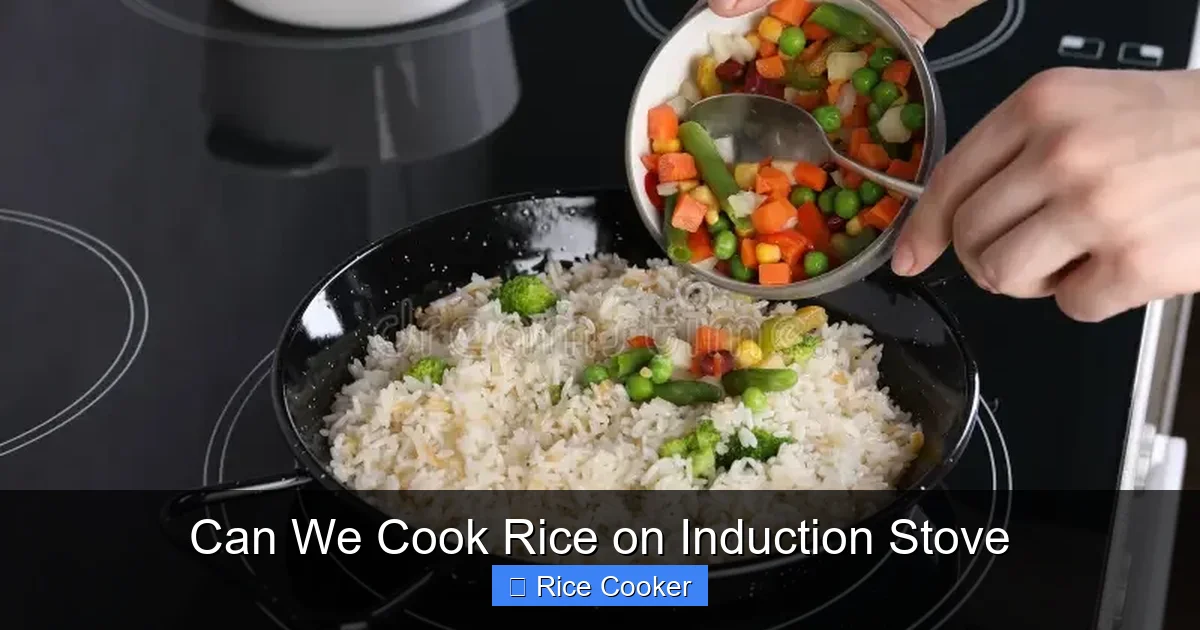
Visual guide about Can We Cook Rice on Induction Stove
Image source: thumbs.dreamstime.com
Before diving into techniques, let’s talk about why someone would choose an induction stove over alternatives—especially when making rice.
First off, **induction offers unmatched speed**. Because the heat transfers directly from the burner to the pot (not through air or conduction like on gas), you can bring water to a boil in half the time it takes on a traditional stove. For busy weeknights, that’s a huge advantage.
Second, **temperature control is incredibly precise**. Once boiling begins, you can dial back the heat almost instantly to maintain a gentle simmer—perfect for preventing scorching while allowing steam to build up naturally. This level of control makes it easier to mimic the slow, steady heat that rice cookers provide automatically.
Third, **energy efficiency is superior**. Up to 90% of the energy goes into heating your pot, compared to 40–50% on gas or electric. Not only does this reduce electricity bills, but it also keeps your kitchen cooler—a real plus during summer months.
Of course, there are downsides. Induction requires special cookware (more on that soon), and once you turn off the heat, the cooling happens faster than you expect. But for most home cooks, these trade-offs are worth it—especially if you value consistency, speed, and precision.
The Science Behind Induction Cooking
So how exactly does induction work? Think of it like a giant magnet underneath your stovetop. When you place a ferromagnetic (magnetic-friendly) pan on top, the electromagnetic field creates rapid molecular vibrations inside the metal—this is what we feel as heat. Non-magnetic materials like aluminum (unless clad with steel) or copper simply don’t respond.
This direct transfer means:
– No wasted heat escaping upward
– Immediate response to knob adjustments
– Uniform heating across the base of the pot (when using flat-bottomed cookware)
For rice, this translates to faster boiling, quicker reduction of excess moisture, and less risk of hotspots that can burn the bottom layer.
What Kind of Pots Work Best with Induction Stoves?
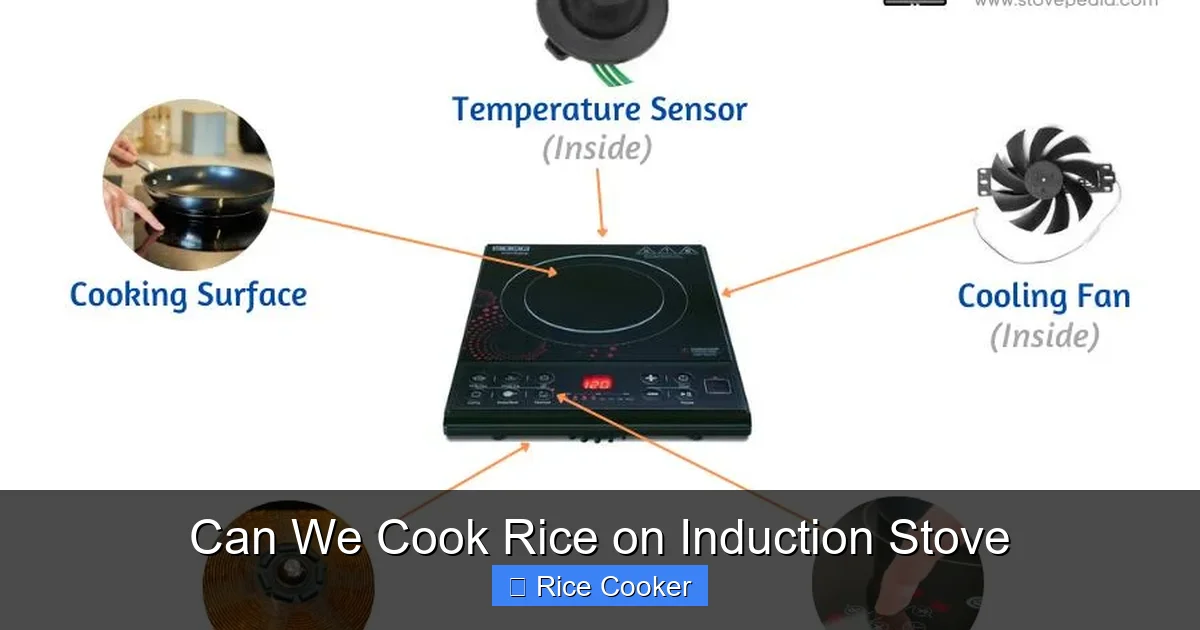
Visual guide about Can We Cook Rice on Induction Stove
Image source: stovepedia.com
One of the biggest hurdles people face is finding the right cookware. Not all pots are created equal—and induction has very specific requirements.
You’ll need pots made of **magnetic materials**, primarily:
– **Stainless steel**: Most common choice; durable and non-reactive.
– **Cast iron**: Excellent heat retention; great for searing but heavy.
– **Enamel-coated cast iron or stainless steel**: Combine beauty with functionality.
Avoid:
– **Pure aluminum or copper pans** (unless they have an induction-compatible core)
– **Glass, ceramic, or plastic cookware**
– **Woks with domed bottoms** (unless flat-bottomed versions exist)
To test if your pot works: sprinkle a pinch of water on the burner. If the water sizzles and moves around instead of sitting still, it’s magnetic—and induction-ready!
Pro tip: Look for cookware labeled “induction ready” or check the packaging for a magnet symbol.
Choosing the Right Pot Size
Using a pot that’s too large wastes energy; too small risks overflow. A good rule of thumb:
– Use a 2-quart pot for 1 cup of uncooked rice
– Go up by 1 quart for each additional cup
Also, ensure the bottom of the pot matches the size of your induction element. Most modern stoves auto-detect compatible pans, but older models may ignore small pots or waste energy on oversized ones.
How to Cook Rice Perfectly on an Induction Stove
Now for the main event: actually making rice. Follow these steps for foolproof results every time.
Step 1: Measure Your Ingredients
Start with clean, dry rice. Use measuring cups for accuracy—don’t eyeball it! Standard ratios:
– White rice: 1 cup rice + 2 cups water
– Brown rice: 1 cup rice + 2.5 cups water
– Jasmine or basmati: Add 1 extra tablespoon of oil or butter to reduce stickiness
Rinse long-grain rice under cold water until the water runs clear—this removes surface starch and prevents clumping.
Step 2: Combine Rice and Water in Your Pot
Add rinsed rice and water to your induction-compatible pot. Bring to a rolling boil over high heat.
Step 3: Reduce Heat and Simmer
Once boiling, immediately reduce the heat to low-medium (around 2–3 out of 9). Cover the pot with a tight-fitting lid. Let it simmer undisturbed for:
– White rice: 15–18 minutes
– Brown rice: 30–40 minutes
Avoid lifting the lid frequently—each peek releases precious steam needed for fluffiness.
Step 4: Turn Off Heat and Rest
After simmering, turn off the induction burner completely. Keep the covered pot on the cool stovetop for another 5–10 minutes. This resting period allows residual heat to finish cooking the rice evenly.
Step 5: Fluff and Serve
Use a fork to gently fluff the rice before serving. Discard any remaining water (if using the absorption method).
Common Mistakes and How to Avoid Them
Even experienced cooks slip up sometimes. Here are the most frequent errors—and how to fix them.
Mistake #1: Using the Wrong Pan
If your rice isn’t heating evenly or the pot isn’t registering on the induction surface, you likely used incompatible cookware. Double-check with a magnet test before investing in new pans.
Mistake #2: Letting It Boil Too Hard
High heat causes rapid evaporation and potential scorching. After boiling, always reduce to a gentle simmer. Induction responds instantly, so even small knob adjustments matter.
Mistake #3: Not Stirring Occasionally
While you shouldn’t stir constantly, a light fold every 5 minutes prevents the rice from sticking to the bottom—especially important for sticky varieties like sushi rice.
Mistake #4: Overfilling the Pot
Steam builds pressure, and too much rice can cause overflow. Stick to recommended volumes and leave room at the top.
Mistake #5: Peeking Under the Lid
Each time you lift the lid, you lose 10–15% of the moisture. Wait until the final rest period before checking doneness.
Tips for Specific Rice Types on Induction
Different grains behave differently under heat. Tailor your approach accordingly.
Jasmine and Basmati Rice
These aromatic long-grains expand a lot and benefit from a bit of fat. Add ½ teaspoon oil or butter with the water. Also, soak them for 20–30 minutes before cooking—this reduces cooking time and improves texture.
Brown Rice
Higher fiber content means longer cook times and more water. Don’t rush it—use a timer and keep the lid sealed throughout.
Sushi Rice
Needs even more attention. Use a 1:1.2 ratio (rice to water), and finish with a quick rinse in cold water after cooking to stop the cooking process and cool the grains.
Instant or Quick-Rise Rice
These skip the soaking step but still need proper heat management. Follow package directions closely—they often recommend lower heat than regular rice.
Induction vs. Rice Cooker: Which Is Better?
This is the million-dollar question for many home cooks. Both methods work—but they serve different needs.
**Induction Pros:**
– Faster overall process
– More versatile (you can sauté, boil, or simmer anything simultaneously)
– Lower cost (no need to buy a separate appliance)
**Induction Cons:**
– Requires monitoring
– Less hands-off convenience
– Risk of burning if distracted
**Rice Cooker Pros:**
– Fully automated
– Consistent results every time
– Often includes multiple settings (brown rice, risotto, steaming)
**Rice Cooker Cons:**
– Slower startup
– Limited to rice/steaming tasks
– Can be bulky and expensive
If you cook rice daily, a rice cooker saves time. But if you value flexibility and already own induction cookware, skipping the appliance is totally fine.
Troubleshooting Common Issues
Still having trouble? Here’s how to diagnose and fix problems.
Problem: Rice Sticks to the Bottom
Cause: Hotspots or insufficient water.
Fix: Use a heavier pot (cast iron or thick stainless steel), add 1 extra tsp of oil, and stir gently halfway through.
Problem: Rice Is Mushy
Cause: Overcooking or too much water.
Fix: Next batch, reduce water slightly and shorten simmer time by 2–3 minutes.
Problem: Undercooked Grains
Cause: Low heat or short cooking time.
Fix: Add 1 tbsp more water, cover tightly, and continue simmering 5–7 more minutes.
Problem: Burnt Smell or Taste
Cause: Sugar caramelizing at the bottom.
Fix: Deglaze with a splash of water or broth after turning off heat.
Advanced Techniques for Induction Rice Cooking
Ready to level up? Try these pro tips.
Pressure Cooking (Not Recommended)
Wait—induction stoves alone can’t do pressure cooking unless paired with a compatible electric pressure cooker. But for stovetop pressure cooking, you’d need a dedicated pot with a sealing lid.
Sautéing Before Cooking
For fried rice or pilafs, toast dried herbs or onions in oil first, then add rice and proceed as normal.
Adding Flavors Early
Toast spices like cumin or bay leaves in a bit of oil before adding rice and water. They infuse beautifully.
Double-Boiler Method
Place your rice pot inside a larger pot of simmering water to create gentler, more even heat—great for delicate grains.
Environmental and Health Benefits of Induction Cooking
Beyond taste and texture, induction offers broader advantages.
– **Lower carbon footprint**: Higher efficiency means less energy consumed overall.
– **Safer kitchens**: Burners stay relatively cool (only the pan gets hot), reducing accidental burns.
– **Faster cleanup**: Minimal residue on smooth glass surfaces; no open flames to manage.
Plus, since you’re controlling the heat precisely, you minimize nutrient loss in rice—especially important for vitamins sensitive to prolonged boiling.
Final Thoughts: Should You Cook Rice on Induction?
Cooking rice on an induction stove is absolutely feasible—and often preferable—for those who enjoy control, speed, and versatility. With the right pot, careful monitoring, and adherence to basic guidelines, you’ll produce restaurant-quality rice without any special equipment.
That said, if you prioritize convenience over customization, a rice cooker remains a fantastic option. But don’t let anyone tell you induction can’t handle rice. Millions of households worldwide rely on it every day—and so can you.
Experiment, learn from mistakes, and soon you’ll find your rhythm. And remember: whether you use induction, gas, electric, or a rice cooker, the goal is simple—fluffy, delicious rice that brings people together.
Frequently Asked Questions
Can I cook rice on any induction stove?
Yes, but only if you use magnetic-compatible cookware like stainless steel or cast iron. Most modern induction stoves auto-detect suitable pans, but older models may struggle with certain materials.
Do I need a special pot for induction rice cooking?
Absolutely. Your pot must be made of a magnetic material. Test it by placing a magnet on the bottom—if it sticks, you’re good to go.
Is induction better than a rice cooker for cooking rice?
It depends on your priorities. Induction offers speed, control, and multi-functionality, while rice cookers provide consistency and hands-off convenience. Both work well—choose based on your cooking style.
How much water should I use per cup of rice on induction?
Stick to standard ratios: 2 cups water per 1 cup white rice, 2.5 cups for brown rice. Adjust slightly if using high-altitude locations.
Why did my rice burn on the bottom?
This usually happens due to hotspots or too-high heat after boiling. Use a heavier, flat-bottomed pot and reduce heat immediately once water boils.
Can I cook different types of rice on induction?
Yes! Jasmine, basmati, jasmine, brown, wild, black, and sushi rice all work—just adjust water amounts and cooking times according to variety.