
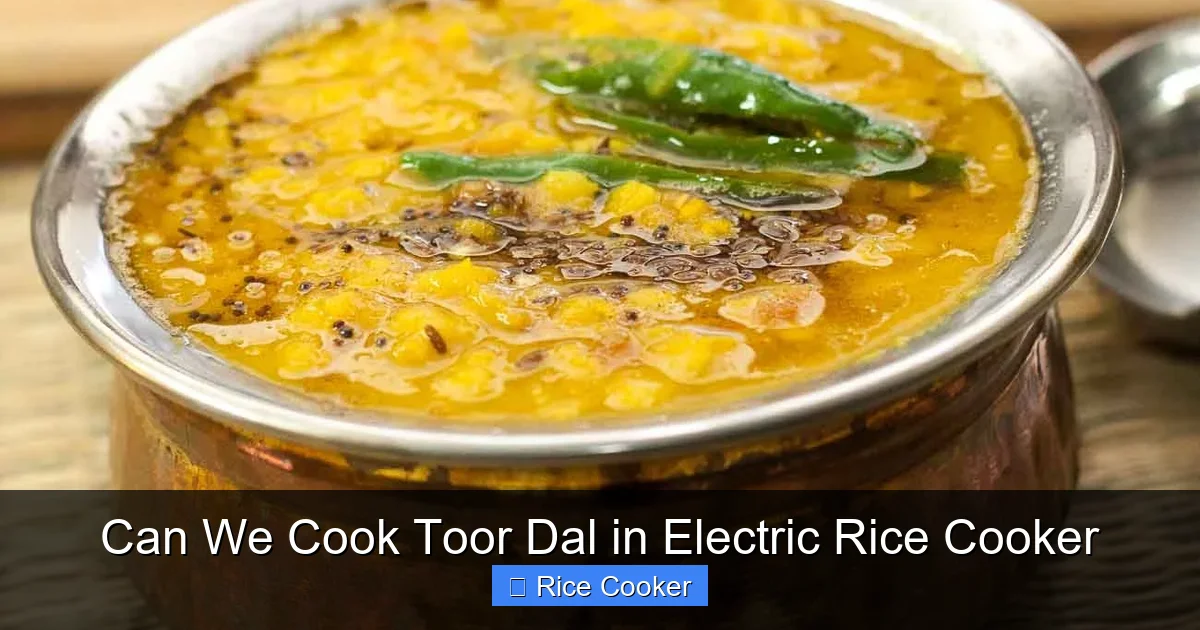
Can we cook toor dal in electric rice cooker? Absolutely! An electric rice cooker is perfect for cooking toor dal because it uses gentle, consistent heat and automatic shutoff to prevent overcooking or burning. With just a few simple steps—rinse the dal, add water, and press the cook button—you’ll have soft, fluffy dal ready in under 30 minutes. This method saves time, reduces cleanup, and works great for everyday meals like sambar, dal tadka, or plain dal with rice.
Key Takeaways
- Understanding can we cook toor dal in electric rice cooker: Provides essential knowledge
📑 Table of Contents
- Introduction: The Modern Kitchen Revolution
- Why Use an Electric Rice Cooker for Toor Dal?
- Step-by-Step Guide: How to Cook Toor Dal in an Electric Rice Cooker
- Tips for Perfect Toor Dal Every Time
- Common Mistakes and How to Fix Them
- Can All Types of Dals Be Cooked in a Rice Cooker?
- Benefits Beyond Cooking: Multi-Functional Uses
- Conclusion: Embrace the Simplicity
Introduction: The Modern Kitchen Revolution
In today’s fast-paced world, convenience without compromising quality is everything. One of the most common questions I get from my friends and family is: “Can we cook toor dal in electric rice cooker?” And honestly, the answer is a resounding yes—and it’s one of the easiest, safest, and most foolproof ways to prepare this nutritious legume.
Toor dal, also known as pigeon pea dal, is a staple in Indian households. Whether you’re making a comforting bowl of plain dal, a spicy dal fry, or the base for sambar, getting the texture just right can be tricky on the stove. Too much water? It becomes watery. Too little? It turns hard and chalky. But with an electric rice cooker, you remove human error from the equation. These appliances are designed to deliver consistent results every single time—whether you’re cooking white rice, brown rice, or even lentils like toor dal.
This guide will walk you through everything you need to know about cooking toor dal in an electric rice cooker. From preparation tips to troubleshooting, we’ll cover it all so you never have to worry about burnt bottoms or lumpy dal again.
Why Use an Electric Rice Cooker for Toor Dal?
The Science Behind Rice Cookers
Electric rice cookers operate on a simple but brilliant principle: they maintain a steady internal temperature throughout the cooking cycle. Once the water evaporates and the mixture reaches boiling point, the thermostat kicks in, switching between heating and warming modes. This means your dal cooks evenly without scorching or boiling over.
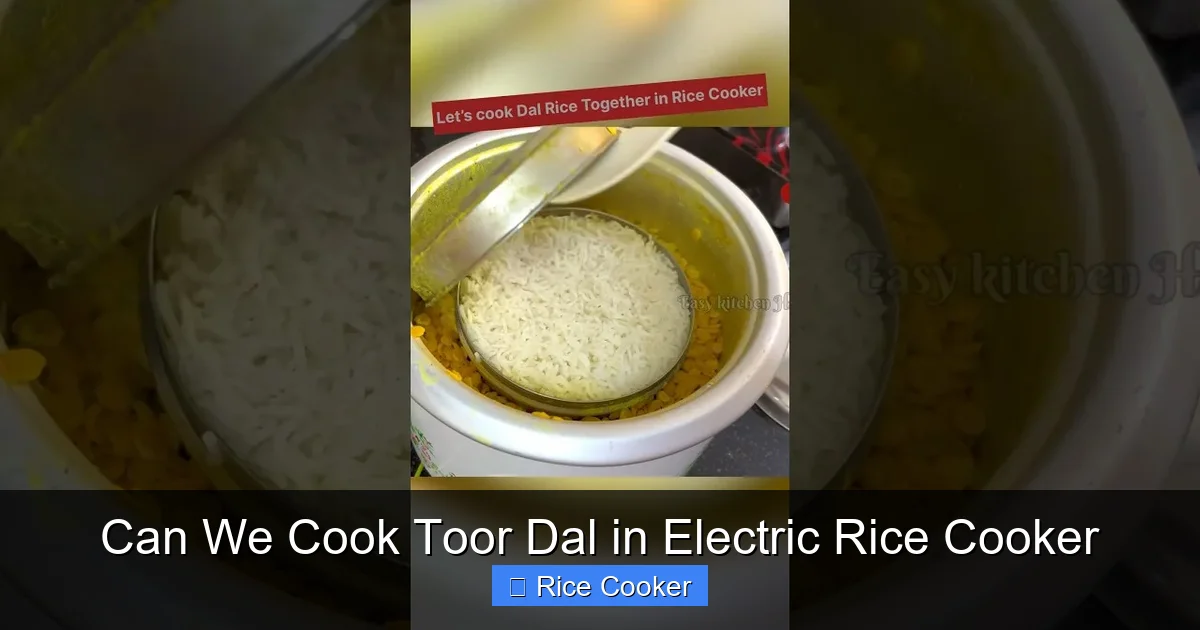
Visual guide about Can We Cook Toor Dal in Electric Rice Cooker
Image source: i.ytimg.com
Unlike stovetops, where heat distribution varies and requires constant attention, rice cookers do the heavy lifting for you. Most modern models come with multiple settings—like brown rice, quick cook, or steam—that adapt to different grains and legumes. For toor dal, the standard “Cook” mode works wonders.
Time and Energy Efficiency
If you’ve ever boiled dal on the stove, you know it takes time—usually 20 to 30 minutes—and you can’t leave it unattended. With a rice cooker, once you press start, you can go about other chores while it does its thing. Plus, rice cookers use less electricity than keeping a stove burner on for long periods.
Safety First
One major advantage is safety. There’s no open flame, no risk of splatters, and no chance of forgetting to turn off the heat. If the cooker detects dryness, it automatically switches to keep-warm mode—perfect for when you return home to a perfectly cooked meal.
Step-by-Step Guide: How to Cook Toor Dal in an Electric Rice Cooker
What You’ll Need
- ½ cup toor dal (split pigeon peas)
- 1½ to 2 cups water (adjust based on preference)
- Rice cooker with measuring cup included
- Optional: salt, turmeric, ginger, green chilies
Step 1: Rinse Thoroughly
Start by placing the toor dal in a bowl and rinsing it under cold running water. Rub gently between your fingers until the water runs clear. This removes dirt, dust, and excess starch that can make the dal gummy if not washed properly.
Visual guide about Can We Cook Toor Dal in Electric Rice Cooker
Image source: i.ytimg.com
Step 2: Soak (Optional but Recommended)
While not mandatory, soaking toor dal for 15–30 minutes helps reduce cooking time and improves digestibility. After soaking, drain well before adding to the cooker.
Step 3: Add Water and Seasonings
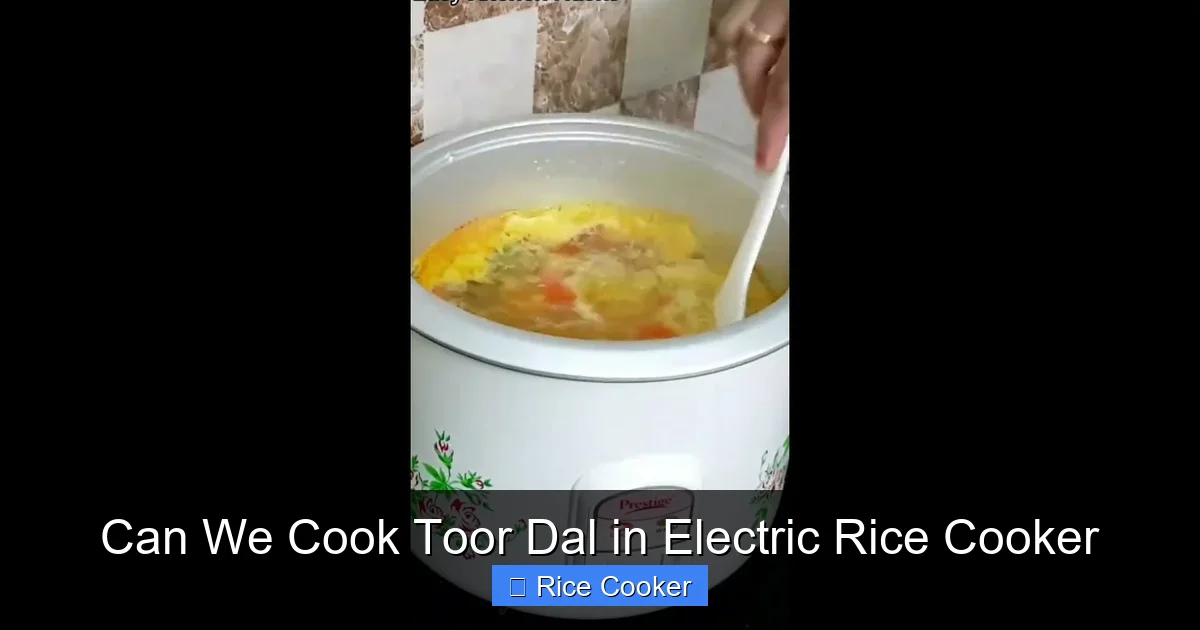
Add rinsed (and soaked) dal to the inner pot of your rice cooker. Pour in 3 parts water per part dal—so for half a cup dal, use 1½ cups water. Add a pinch of salt or turmeric if desired. Stir lightly to combine.
Step 4: Insert Pot and Close Lid
Make sure the inner pot is clean and dry. Place it back into the cooker base, ensuring it sits flat. Close the lid securely—this traps steam and speeds up cooking.
Step 5: Select the Right Setting
For most rice cookers, simply press the “Cook” button. Some newer models offer a “Dal” or “Lentil” setting—if yours does, use that. Otherwise, regular cooking mode works fine.
Step 6: Wait and Let It Do Its Job
Once the timer starts, don’t open the lid. Opening releases heat and can affect texture. Let it cook fully—typically 20–25 minutes.
Step 7: Fluff and Serve
After cooking completes, let it sit for 5 minutes in warm mode. Then open the lid, fluff the dal gently with a fork, and serve hot with roti, rice, or curry.
Tips for Perfect Toor Dal Every Time
Use the Right Water Ratio
The golden rule is 3:1 water-to-dal ratio for softer dal, or 2.5:1 for firmer texture. Start with 3:1, then adjust next time based on your liking.
Avoid Overfilling
Never fill beyond two-thirds capacity. Overcrowding prevents proper heat circulation and leads to uneven cooking.
Don’t Skip the Rinse
Rinsing removes anti-nutrients and prevents clumping. Skipping this step often results in sticky, unpleasant dal.
Season After Cooking
Add salt or spices at the end rather than during cooking. This preserves flavor and prevents the dal from becoming bitter.
Try Tempering (Tadka)
For extra flavor, temper oil with mustard seeds, cumin, garlic, and curry leaves in a pan, then pour over cooked dal just before serving.
Keep the Inner Pot Clean
Residue builds up over time and affects performance. Wash the inner pot after each use with mild soap and water.
Common Mistakes and How to Fix Them
Mistake 1: Using Too Much Water
Problem: Dal turns mushy or watery.
Fix: Stick to measured ratios. If too wet, simmer uncovered on stovetop for 5–10 minutes.
Mistake 2: Not Rinsing Enough
Problem: Sticky, clumpy texture.
Fix: Rinse until water runs clear. Soak if possible.
Mistake 3: Opening the Lid Mid-Cook
Problem: Uneven cooking or delayed timing.
Fix: Resist the urge to peek! Let the cooker finish its cycle.
Mistake 4: Using Old or Damaged Dals
Problem: Hard, unappealing dal even after long cooking.
Fix: Store dals in airtight containers away from light. Discard if discolored or smells off.
Mistake 5: Ignoring Cleaning Maintenance
Problem: Reduced efficiency or burnt residue.
Fix: Clean the inner pot weekly; descale if needed (for non-stick models).
Can All Types of Dals Be Cooked in a Rice Cooker?
Yes! While this article focuses on toor dal, electric rice cookers handle many lentils beautifully—masoor dal, moong dal, urad dal, and even mixed dals. Just remember:
- Smaller dals like moong may need less time.
- Split dals cook faster than whole ones.
- Adjust water slightly—some absorb more than others.
Experimentation is key! Keep notes on ratios and times to refine your perfect recipe.
Benefits Beyond Cooking: Multi-Functional Uses
Beyond dal and rice, your rice cooker can:
- Steam vegetables or idlis
- Make soups and porridge
- Boil eggs or hard-boil them
- Prepare quinoa, millets, or oats
- Keep food warm for hours
This versatility makes it a kitchen powerhouse worth investing in.
Conclusion: Embrace the Simplicity
So, can we cook toor dal in electric rice cooker? The answer remains a confident yes—because technology has made healthy, home-cooked meals easier than ever. No more babysitting pots, no more burnt bottoms, just soft, nutritious dal ready when you are.
Whether you’re preparing a simple weekday dinner or feeding a hungry family, using your rice cooker for toor dal is a game-changer. It’s economical, efficient, and consistently delivers restaurant-quality results. Plus, with a little practice, you’ll customize flavors and textures to your heart’s content.
Next time you reach for the stove, pause and consider the rice cooker instead. Your future self—and your taste buds—will thank you.
Frequently Asked Questions
Can I cook toor dal without soaking it?
Yes, you can cook toor dal without soaking, but it will take longer—usually 25–30 minutes instead of 20. Soaking softens the dal and shortens cooking time, so it’s recommended for best results.
How much water should I use for toor dal in a rice cooker?
Use a 3:1 ratio of water to dal for softer texture, or 2.5:1 for firmer consistency. For example, ½ cup dal needs 1½ to 2 cups water. Adjust based on personal preference.
Will the dal stick to the bottom of the rice cooker?
Modern rice cookers with non-stick inner pots minimize sticking. To further prevent this, rinse the dal well, avoid overcrowding, and don’t cook on high heat for too long.
Can I add spices while cooking toor dal in the rice cooker?
It’s better to add salt or turmeric at the beginning, but strong spices like chili or garlic may lose potency during long cooking. For full flavor, temper separately and mix in after cooking.
Is it safe to leave the rice cooker unattended while cooking dal?
Absolutely! Electric rice cookers automatically switch to warm mode once cooking is done. You can safely leave it unattended—no risk of burning or drying out.
Can I cook frozen toor dal in a rice cooker?
No, always use fresh or dried toor dal. Frozen versions aren’t common and may not cook evenly. Thaw completely before rinsing and cooking.