
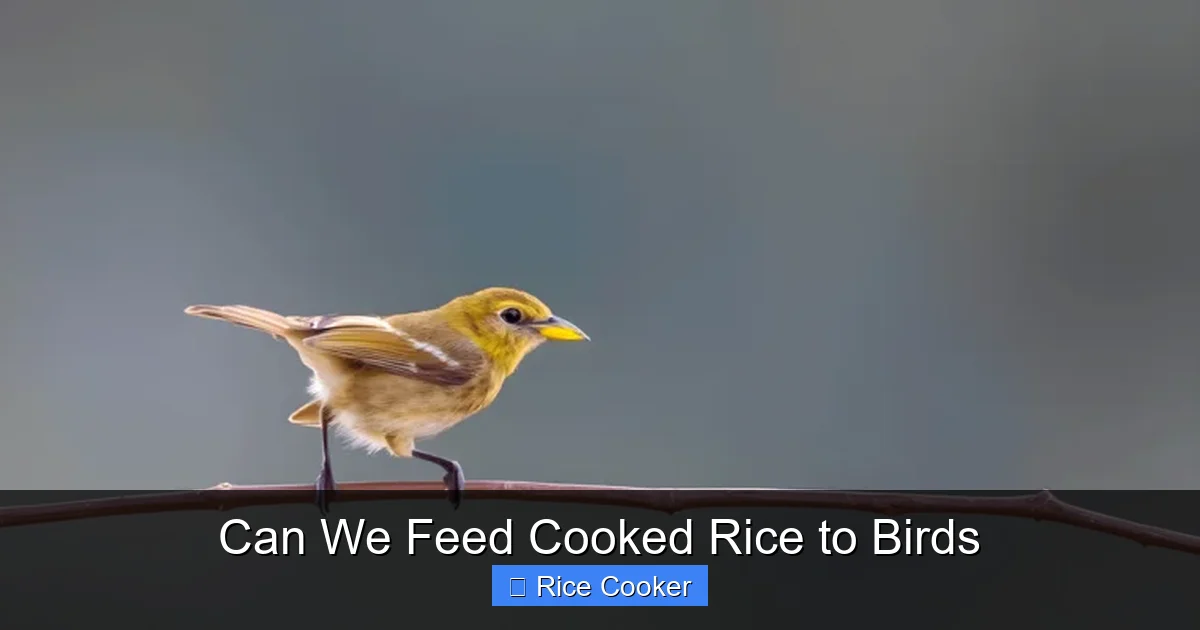
Yes, cooked rice is generally safe and nutritious for many bird species when prepared correctly. Unlike raw grains, cooked rice is easier to digest and can provide energy-rich carbohydrates. However, portion control and avoiding added ingredients like salt or spices are essential to keep your feathered friends healthy.
Have you ever seen a sparrow or a pigeon pecking at something white on the ground and wondered, “Is that rice?” Or maybe you’ve noticed birds flocking around your pet’s leftover rice bowl and felt tempted to toss them a few grains? If so, you’re not alone—and you’ve also asked one of the most common questions among bird lovers: **Can we feed cooked rice to birds?**
The short answer is **yes**, but with some important caveats. Cooked rice isn’t harmful to most wild birds when served properly, and it can even be a valuable addition to their diet under certain conditions. But before you start scattering bowls of rice into your garden, let’s unpack everything you need to know—from nutrition to safety, preparation tips, and how to do it responsibly.
Whether you’re a seasoned birdwatcher, an urban gardener, or just someone who loves watching birds from their kitchen window, understanding what birds eat (and don’t eat) helps you support them better. And since rice is such a staple in many households, learning how to share it wisely can make a real difference.
—
## The Basics: What Is in Cooked Rice?
Before deciding whether to offer cooked rice to birds, it’s helpful to understand its nutritional makeup. Plain, unseasoned cooked rice is primarily composed of:
– **Carbohydrates**: Rice is rich in starch, which gives birds quick energy—especially useful during cold nights or long migrations.
– **Low in protein**: While not a complete protein source, rice can still contribute to overall caloric intake.
– **Minimal fat and fiber**: White rice has little fat, while brown rice offers slightly more fiber and nutrients.
Unlike raw rice, which birds cannot digest well due to its hard, uncooked texture, cooked rice softens and becomes much easier to break down. This makes it a viable option—but only if it’s prepared correctly.
—
## Why Birds Might Be Attracted to Rice
You’ve probably seen birds eating rice near train tracks or in open fields. There are several reasons why they might go for it:
– **Accidental ingestion**: In countries like India, uncooked rice is sometimes used as ballast on trains; when spilled, it ends up in open areas where birds forage.
– **Scavenging behavior**: Urban birds quickly learn that human leftovers—including rice—are easy snacks.
– **Energy needs**: During winter or migration, birds burn calories rapidly. Simple carbs like those in rice can provide a fast boost.
While these scenarios show birds eating rice in nature, offering it intentionally requires care. Let’s look at the pros and cons next.
—
## Benefits of Feeding Cooked Rice to Birds
When done right, cooked rice can offer real advantages:
### 1. **Easy Digestion**
Cooked rice breaks down easily in a bird’s digestive system. Unlike hard kernels, it doesn’t require strong gizz muscles to grind—making it ideal for smaller birds or young chicks.
### 2. **Quick Energy Source**
Birds need high-energy foods during stressful times. A handful of plain rice can give sparrows, finches, or even fledglings a quick carbohydrate hit without heavy fats.
### 3. **Safe Alternative to Harmful Foods**
Many people mistakenly believe all human food is bad for birds. But plain rice is far safer than items like bread (which expands in the stomach), chocolate, or salty chips.
### 4. **Cost-Effective & Readily Available**
Rice is inexpensive, shelf-stable, and easy to store—making it a practical choice for casual feeding, especially in emergencies or harsh weather.
—
## Risks and Misconceptions
Despite its benefits, there are risks—and myths—to be aware of.
### Myth: Raw Rice Expands in Birds’ Stomachs
This old wives’ tale suggests raw rice swells and kills birds. In reality, while raw rice can cause discomfort, it rarely leads to fatal swelling. However, **raw rice is harder to digest** and should never be fed intentionally.
### Myth: All Cooked Rice Is Safe
Nope! Adding salt, oil, garlic, onions, or any seasoning turns rice into a dangerous snack. Salt dehydrates birds; fats clog their systems; and spices can irritate their sensitive digestive tracts.
### Risk: Overreliance
Feeding too much rice can lead to malnutrition. Birds need variety—seeds, insects, fruits, and greens provide vitamins and minerals that rice alone cannot supply.
—
## How to Safely Feed Cooked Rice to Birds
If you decide to share rice with local birds, follow these guidelines:
### 1. **Use Plain, Unseasoned Rice**
Only offer white or brown rice that’s been boiled without salt, butter, herbs, or sauces. Even “healthy” options like jasmine or basmati are fine—just avoid flavored or instant varieties with additives.
### 2. **Keep It Warm and Moist**
Serve rice slightly warm (like room temperature) and damp—not dry and hard. Dry rice may crack in a bird’s beak or cause throat irritation. You can lightly steam it or mix with water.
### 3. **Offer Small Portions**
Don’t dump a full cup of rice into your yard. Instead, place a few tablespoons near a bird feeder or on a platform. Birds prefer scattered feeding spots anyway.
### 4. **Avoid Large Grains for Tiny Beaks**
Very small birds (like hummingbirds or warblers) may struggle with large grains. Crush rice into finer pieces if feeding mixed-species areas.
### 5. **Clean Up Afterward**
Leftover rice attracts pests like ants or rodents. Remove uneaten portions within hours to maintain hygiene.
### 6. **Combine With Other Foods**
Make it a balanced meal by mixing rice with millet, cracked corn, or chopped fruit. Variety ensures birds get diverse nutrients.
—
## Which Birds Can Eat Cooked Rice?
Most common backyard birds will accept cooked rice without issue. Here are some examples:
| Bird Species | Likely Acceptance | Notes |
|——————–|——————-|——-|
| House Sparrows | High | Thrive on grain-based diets |
| Pigeons | Very High | Urban scavengers often find rice |
| Finches | Moderate | Prefer smaller seeds, but will try rice |
| Robins | Low-Moderate | Primarily insect-eaters, but may nibble |
| Chickadees | Low | Need protein-rich foods |
Note: Waterfowl (ducks, geese) and raptors generally don’t eat rice, though dabbling ducks might pick at floating grains if available.
—
## Special Considerations: Winter Feeding
During colder months, birds have higher calorie demands. Cooked rice can play a supportive role here—but remember:
– **Don’t replace natural food sources**: Use rice as a supplement, not a primary diet.
– **Keep feeders stocked year-round**: Consistent access reduces reliance on single food types.
– **Monitor health**: If birds appear lethargic or disoriented after eating rice, stop immediately and consult a wildlife rehabilitator.
Also, consider offering suet cakes or seed mixes alongside rice for a more complete winter menu.
—
## Alternatives to Rice: What Else Can You Feed Birds?
While rice is safe, it’s not the only option. Here are healthier, more nutritionally dense alternatives:
– **Millet and cracked corn**: Popular among ground-feeding birds.
– **Sunflower seeds**: High in fat and preferred by cardinals and chickadees.
– **Fruit scraps**: Apples, berries, or grapes (cut into small pieces).
– **Insects**: Mealworms are a favorite and rich in protein—great for nesting season.
– **Vegetables**: Cooked carrots, sweet potato, or squash offer vitamins.
Rotating these foods helps mimic a natural foraging environment.
—
## Environmental Impact of Bird Feeding
Intentional feeding—including rice—can influence local ecosystems. Some concerns include:
– **Overpopulation**: Excess food may attract too many birds, leading to disease spread.
– **Dependency**: Birds might neglect natural foraging skills.
– **Predator attraction**: Dense bird gatherings draw cats or hawks.
To minimize impact:
– Limit feeding to short periods (e.g., winter only).
– Avoid overstocking feeders.
– Keep areas clean and free of droppings.
—
## Cultural Context: Why Rice Feeding Persists
In many cultures, offering food to animals (especially birds) is rooted in tradition. For example:
– In parts of Asia, spilling rice on streets is considered auspicious.
– In Western suburbs, leftover rice from picnics or pets is often tossed to pigeons.
While well-intentioned, such practices should evolve with awareness. Modern knowledge supports responsible feeding—where rice is occasional, not routine.
—
## Final Thoughts: Should You Feed Cooked Rice?
Absolutely—but thoughtfully. Cooked rice is safe, nutritious, and accessible. It can help birds through tough times, especially when natural resources dwindle. Just remember:
– **Plain = safe**.
– **Small portions = smart**.
– **Variety = vital**.
By treating rice as one tool in your bird-support toolkit—not a main course—you’ll do more good than harm.
And who knows? Next time you see a robin pecking at a grain near your patio, you’ll smile knowing you’re helping, not hurting.
—
Key Takeaways
- Understanding can we feed cooked rice to birds: Provides essential knowledge
Frequently Asked Questions
Can birds eat brown rice instead of white rice?
Yes, brown rice is perfectly safe and slightly more nutritious due to its fiber and vitamin content. Just ensure it’s plain and cooked without additives.
How much cooked rice should I feed birds per day?
Limit to a few tablespoons total across your yard. One small serving is enough for dozens of birds—overfeeding can attract pests and disrupt natural behavior.
Is it okay to leave cooked rice out overnight?
No. Leftover rice should be removed within a few hours to prevent spoilage, mold growth, and attraction of unwanted animals like rats or insects.
Do baby birds benefit from cooked rice?
Young birds need protein for growth, which rice lacks. Offer rice only as an occasional energy boost, preferably mixed with mealworms or softened seeds.
Can I feed rice to pet birds like parrots?
Some parrot species may nibble on plain rice, but it shouldn’t form part of their regular diet. Most veterinarians recommend specialized pellets and fresh produce instead.
Will feeding rice change bird behavior?
In rare cases, consistent rice feeding might encourage dependence, especially if it replaces foraging. Keep offerings temporary and varied to avoid behavioral changes.