
Can we freeze cooked rice? Absolutely! Freezing cooked rice is not only possible but also a practical solution for meal prep and reducing waste. With the right techniques, frozen rice stays fresh, flavorful, and safe to eat for months. Whether you’re meal planning or saving leftovers, freezing cooked rice is a simple and effective strategy.
Key Takeaways
- Yes, you can freeze cooked rice safely: It preserves quality and extends shelf life when done correctly.
- Proper storage is essential: Use airtight containers or freezer bags to prevent freezer burn and moisture loss.
- Label and date your containers: This helps track freshness and ensures you use the oldest batches first.
- Reheating matters: Thaw rice in the fridge or microwave and heat thoroughly to avoid foodborne illness.
- Freezing changes texture slightly: Rice may become firmer, but it remains edible and usable in most dishes.
- Meal prep friendly: Frozen rice is perfect for stir-fries, fried rice, soups, and casseroles.
- Safety first: Never refreeze rice that has been thawed at room temperature to prevent bacterial growth.
📑 Table of Contents
- Can We Freeze Cooked Rice? The Ultimate Guide to Freezing, Storing, and Reheating
- Why Freeze Cooked Rice?
- How Long Can You Freeze Cooked Rice?
- Best Practices for Freezing Cooked Rice
- Can You Freeze Rice Before or After Cooking?
- Food Safety: What You Need to Know
- Reheating Frozen Rice Like a Pro
- Uses for Frozen Rice
- Common Mistakes to Avoid
- Tips for Different Types of Rice
- Freezing Rice in Rice Cookers: Is It Possible?
- Environmental and Economic Benefits
- Final Thoughts: Should You Freeze Cooked Rice?
Can We Freeze Cooked Rice? The Ultimate Guide to Freezing, Storing, and Reheating
We’ve all been there—you cook a big pot of rice, only to end up with leftovers that go uneaten. Or maybe you’ve made too much for one meal and don’t want to waste it. Instead of tossing it out, have you ever wondered: Can we freeze cooked rice? The short answer is yes, and not only can you do it—but you can do it well!
Freezing cooked rice is a time-saving trick that many home cooks overlook. When done properly, frozen rice retains its flavor and texture and can be stored for weeks or even months. Whether you’re meal prepping for the week or simply trying to cut down on food waste, freezing cooked rice is a smart, practical solution. In this article, we’ll walk you through everything you need to know—from how to freeze rice safely to how to reheat it perfectly every time.
Why Freeze Cooked Rice?
Before diving into the “how-to,” let’s talk about why you might want to freeze cooked rice in the first place. There are several compelling reasons:
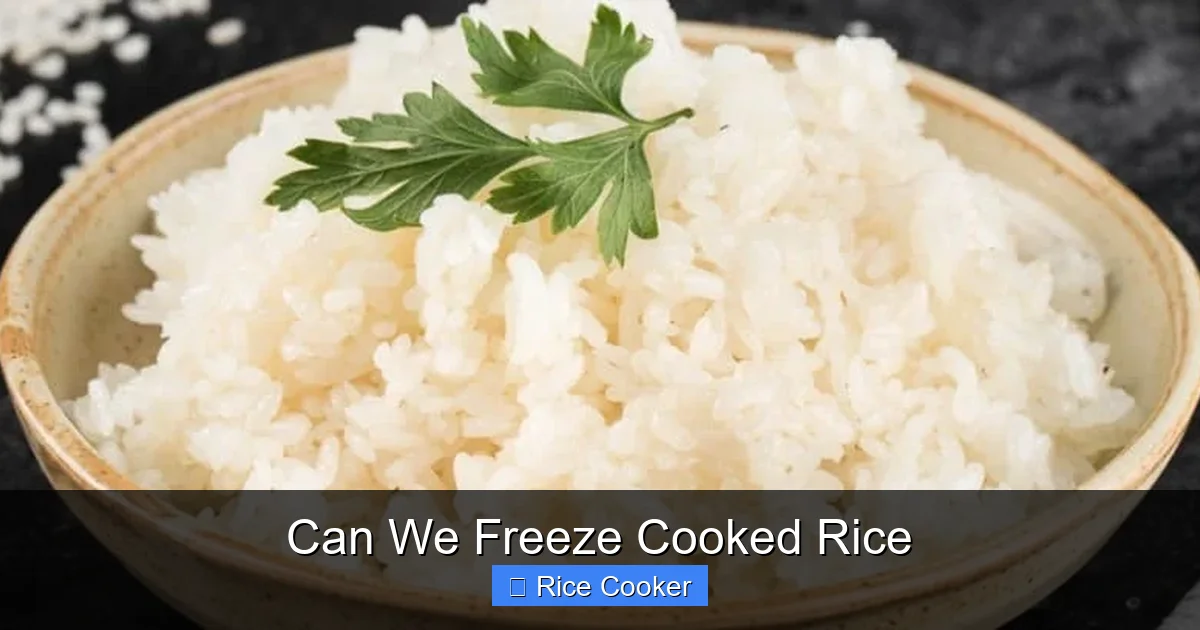
Visual guide about Can We Freeze Cooked Rice
Image source: chefreader.com
- Reduce food waste: Leftover rice often gets tossed, especially if it’s not eaten within a couple of days. Freezing it extends its usability.
- Save time and effort: Cooking rice takes time—so why not make a bigger batch and freeze portions for future meals?
- Preserve nutrients: When stored properly, cooked rice keeps its nutritional value intact.
- Convenience for busy lifestyles: Having pre-cooked, frozen rice on hand means quick meals—like fried rice or rice bowls—are just minutes away.
But before you start tossing your leftover rice into the freezer, it’s important to understand the best practices. Not all rice freezes the same way, and improper handling can lead to dryness, texture issues, or even food safety risks.
How Long Can You Freeze Cooked Rice?
This is one of the most common questions: How long does frozen rice last? The good news is that cooked rice can be safely frozen for up to 6 months. After that, while it won’t necessarily be unsafe, the texture and flavor may begin to degrade.
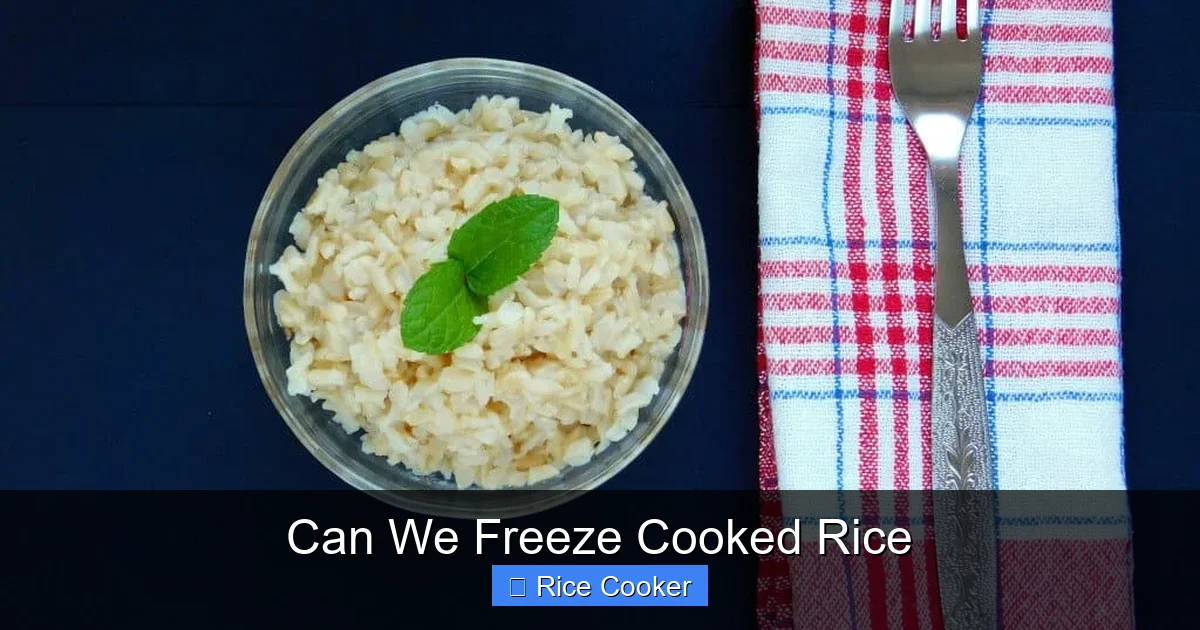
Visual guide about Can We Freeze Cooked Rice
Image source: canyoufreezethis.com
Storage Guidelines by Duration
- 1–2 months: Best quality—flavor and texture remain nearly identical.
- 3–4 months: Still safe to eat and usable in most recipes; slight texture change may occur.
- 5–6 months: Acceptable for cooking, but may be drier or less aromatic.
- Beyond 6 months: Not recommended due to increased risk of freezer burn and nutrient loss.
Always check for signs of spoilage before using frozen rice—unusual odors, slimy texture, or mold are red flags. If in doubt, throw it out.
Best Practices for Freezing Cooked Rice
Now that you know can we freeze cooked rice and how long it lasts, let’s talk about the proper steps to ensure it stays fresh and delicious.
1. Cool the Rice Quickly
One of the biggest mistakes people make is placing hot rice directly into the freezer. This traps steam and moisture, leading to sogginess and potential bacterial growth (more on that later). Instead, spread the rice out on a baking sheet or shallow dish and cool it to room temperature within 1–2 hours.
Pro tip: You can speed up cooling by stirring the rice occasionally or placing the container in an ice bath (a bowl of cold water with ice cubes).
2. Portion It Out
Divide the cooled rice into smaller portions—about 1 cup each—before freezing. This makes it easier to thaw only what you need without repeatedly opening the freezer door, which can affect temperature and cause ice crystals.
Portioning also helps prevent overcooking when reheating. A single serving thaws and reheats faster than a large block.
3. Use the Right Containers
Airtight containers or heavy-duty freezer bags are your best friends here. Mason jars work well, but leave an inch of headspace to allow for expansion during freezing.
If using freezer bags, squeeze out as much air as possible before sealing. Lay them flat in the freezer to save space and promote even freezing.
4. Label Everything
Write the date and contents on your container or bag. Trust us—this small step prevents confusion later and ensures you use the oldest rice first (following the FIFO method).
5. Freeze Flat (If Using Bags)
Flatten freezer bags so they lie flat. This helps them stack neatly and thaw more evenly. Once frozen solid, you can stand them upright to save space.
Can You Freeze Rice Before or After Cooking?
This is a common point of confusion. Let’s clarify:
- Raw rice: Yes, you can freeze uncooked rice (especially brown rice), but it’s not necessary unless you’re storing it for long-term use. Just thaw and cook as usual.
- Cooked rice: Definitely yes—and this is where most people benefit from freezing.
However, if you’re freezing rice that’s already been mixed with sauces or seasonings (like fried rice), be aware that some ingredients (e.g., dairy, mayonnaise) may not freeze well and could affect texture or spoil faster. For best results, keep rice plain before freezing and add flavors when reheating.
Food Safety: What You Need to Know
Freezing rice doesn’t kill bacteria—it just stops their growth. So, food safety is critical, especially since Bacillus cereus, a common rice-associated bacterium, can survive cooking and multiply under certain conditions.
Safe Cooling and Freezing Steps
- Refrigerate within 2 hours: If rice is left at room temperature for more than 2 hours (or 1 hour if above 90°F/32°C), it enters the “danger zone” where bacteria multiply rapidly.
- Cool quickly: As mentioned earlier, cool rice to room temperature before freezing.
- Never refreeze thawed rice: Once rice has been thawed in the refrigerator or microwave, it should be cooked and consumed immediately. Refreezing increases the risk of foodborne illness.
These steps ensure that your frozen rice remains safe to eat, even after months in the freezer.
Reheating Frozen Rice Like a Pro
The real test of frozen rice comes when you reheat it. Done incorrectly, it can turn into a sticky, rubbery mess. But with the right technique, it tastes almost as good as freshly cooked.
Method 1: Microwave (Quick & Easy)
- Thaw rice in the microwave by heating in 30-second intervals, stirring between each, until warm.
- Add a splash of water or broth to revive moisture—frozen rice tends to dry out.
- Cover with a damp paper towel to trap steam and prevent drying.
Method 2: Stovetop (Best for Texture)
- Place frozen rice in a saucepan with a tablespoon of water or oil.
- Cook over medium heat, stirring frequently, until heated through (about 5–7 minutes).
- Fluff with a fork and serve.
Method 3: Oven (For Large Batches)
- Preheat oven to 350°F (175°C).
- Spread rice in an oven-safe dish, add a little water, cover tightly with foil.
- Bake for 15–20 minutes, checking halfway through.
No matter the method, always ensure the rice reaches an internal temperature of 165°F (74°C) for safety.
Uses for Frozen Rice
Frozen rice isn’t just for eating plain. It’s incredibly versatile and works in countless dishes:
- Fried rice: Stir-fry with veggies, eggs, soy sauce, and protein.
- Rice bowls: Top with grilled chicken, vegetables, and sauce.
- Soups and stews: Add as a thickener or base.
- Burritos and tacos: Mix into fillings for extra bulk.
- Rice pudding: Reheat with milk, sugar, and cinnamon.
- Risotto: Simmer slowly with broth and cheese.
- Freezing hot rice: Traps moisture and promotes bacterial growth.
- Not portioning: Thawing large blocks wastes energy and leads to uneven heating.
- Skipping labels: Ends up with mystery rice from who-knows-when.
- Using regular plastic bags: They may split or leak in the freezer.
- Overcooking when reheating: Leads to mushy, unappetizing rice.
- Cook rice as usual.
- Let it cool completely.
- Pour into a freezer-safe container (not the inner pot—it’s not meant for freezing long-term).
- Store in the freezer.
- Less food waste: According to the USDA, Americans throw away 30–40% of food annually. Freezing rice reduces this.
- Lower grocery bills: Buy rice in bulk and freeze portions to save money.
- Reduced packaging waste: Use reusable containers instead of disposable ones.
Common Mistakes to Avoid
Even experienced cooks make these errors when dealing with frozen rice:
Avoid these pitfalls, and your frozen rice will always be a success.
Tips for Different Types of Rice
Not all rice behaves the same when frozen. Here’s how different varieties hold up:
White Rice
Best for freezing. Short-grain white rice holds its shape well and reheats nicely. Ideal for sushi, risotto, or stir-fries.
Brown Rice
Also freezable, though it may become slightly grainier after thawing. Cook slightly al dente before freezing to improve texture.
Jasmine and Basmati Rice
These aromatic varieties retain their fragrance better when frozen in small portions. Great for Thai or Indian-inspired dishes.
Instant Rice
Not ideal for freezing. Instant rice is already partially cooked and can become overly soft or clumpy when frozen and reheated.
Freezing Rice in Rice Cookers: Is It Possible?
Some rice cookers come with a freezer-safe setting or are designed for multi-use (cooking, steaming, even freezing). However, most standard rice cookers aren’t built for freezing.
If you want to freeze rice directly in your rice cooker, follow this method:
Note: Never freeze the rice cooker’s inner pot or lid in the freezer—they’re not designed for such temperatures.
Environmental and Economic Benefits
Beyond convenience, freezing cooked rice has eco-friendly perks:
It’s a win-win for your wallet and the planet.
Final Thoughts: Should You Freeze Cooked Rice?
So, can we freeze cooked rice? Without a doubt—yes. It’s safe, practical, and helps you make the most of your meals. With the right techniques, frozen rice can be just as tasty as fresh, and it opens up endless possibilities for quick, nutritious meals.
Whether you’re meal prepping for the week, saving leftovers, or just want a backup plan for busy days, freezing cooked rice is a habit worth adopting. Just remember: cool it fast, portion it small, store it tight, and reheat it right.
Next time you cook a pot of rice, consider making extra. Your future self—and the environment—will thank you.
Frequently Asked Questions
Can you freeze cooked rice in the rice cooker?
Yes, you can cool cooked rice in your rice cooker and then transfer it to a freezer-safe container. However, the inner pot itself should not be placed in the freezer, as it’s not designed for long-term freezing.
How do you reheat frozen cooked rice without making it soggy?
To avoid sogginess, add a teaspoon of water or oil when reheating, cover the container, and steam it gently. Use low heat and stir frequently to distribute moisture evenly.
Is frozen rice safe to eat?
Yes, as long as it was cooled and stored properly. Frozen rice is safe for up to 6 months. Always thaw and reheat thoroughly, and discard if it smells off or shows signs of spoilage.
Can you freeze rice with sauce?
You can, but some sauces (like dairy-based or creamy ones) may separate or spoil faster. For best results, freeze plain rice and add sauce during reheating.
Does freezing rice change its texture?
Yes, frozen rice can become firmer or slightly drier. To improve texture, add liquid when reheating or use it in dishes like fried rice, where moisture and mixing help restore softness.
Can you freeze rice for sushi?
Not recommended. Sushi rice needs to be warm, sticky, and freshly prepared. Frozen rice loses its ideal texture and stickiness, making it unsuitable for raw fish dishes.