
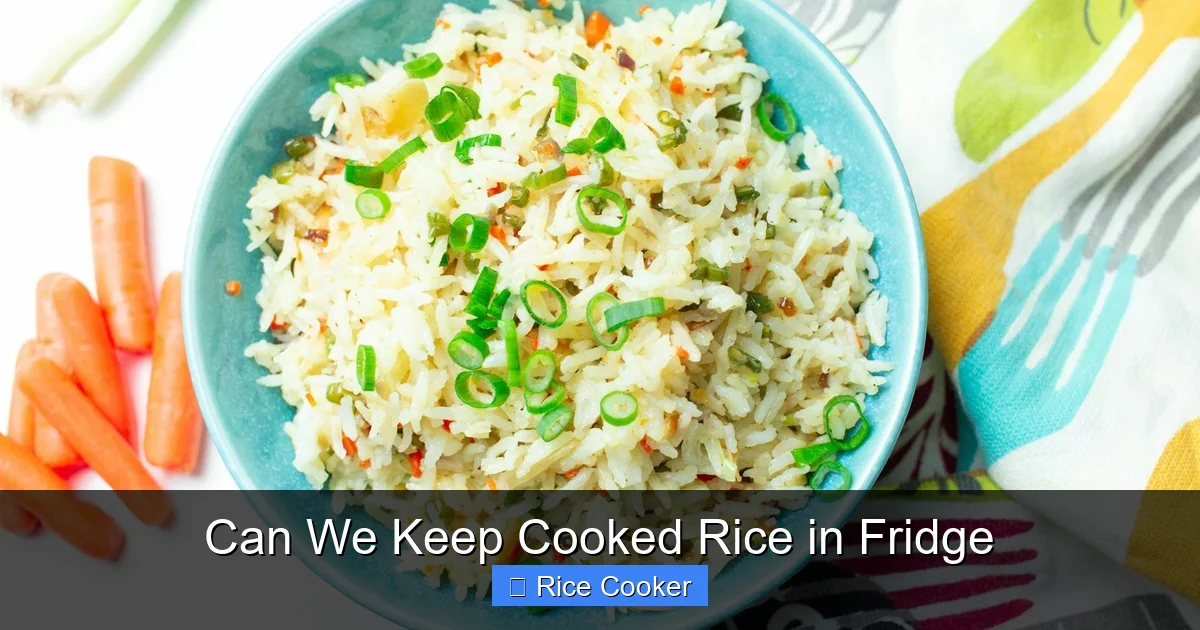
Can we keep cooked rice in fridge? Yes, but only for a short time. When stored correctly at or below 40°F (4°C), cooked rice stays safe for up to 3–4 days. However, improper storage increases the risk of food poisoning, especially from *Bacillus cereus*. Always cool rice quickly, store in airtight containers, and reheat thoroughly to enjoy it safely again.
Key Takeaways
- Safe Storage Duration: Cooked rice can be safely kept in the fridge for 3 to 4 days when stored properly.
- Cooling is Crucial: Rapid cooling within 2 hours prevents bacterial growth; never leave rice at room temperature overnight.
- Use Airtight Containers: Store rice in sealed, shallow containers to speed up cooling and prevent contamination.
- Reheat Thoroughly: Reheat rice to an internal temperature of at least 165°F (74°C) to kill potential bacteria.
- Freezing Extends Shelf Life: For longer storage, freeze rice in portions—it keeps well for up to 1 year.
- Beware of Spoiled Rice: Discard rice that smells off, has a slimy texture, or shows visible mold.
- Portion Control Helps: Divide large batches into smaller portions to reduce waste and improve safety.
📑 Table of Contents
- Can We Keep Cooked Rice in Fridge? The Short Answer
- Why Is Rice So Special (And Dangerous)?
- Best Practices for Storing Cooked Rice
- How to Reheat Rice Safely
- Freezing Cooked Rice: A Game-Changer
- Signs Your Rice Has Gone Bad
- Meal Prep Tips for Rice Lovers
- Special Considerations: Sushi and Fried Rice
- Common Myths About Rice Storage
- Final Thoughts: Rice Safety Made Simple
Can We Keep Cooked Rice in Fridge? The Short Answer
Yes, you absolutely can keep cooked rice in the fridge—but not just anywhere and not forever. Most people don’t realize that rice, especially white rice, carries a hidden danger: a bacteria called Bacillus cereus. This spore-forming bacterium thrives in starch-rich environments like cooked rice, especially when left out at room temperature. While harmless in small amounts, it can multiply rapidly and produce toxins that cause food poisoning if ingested.
The real question isn’t whether you can store rice in the fridge—it’s whether you’re doing it safely. The good news is that with the right steps, keeping cooked rice in the fridge is not only possible but also one of the most effective ways to preserve its flavor and texture. From cooling techniques to storage tips and reheating methods, this guide walks you through everything you need to know. Whether you’re meal prepping for the week or saving last night’s dinner, you’ll learn how to handle rice like a pro—and avoid those dreaded stomachaches.
Why Is Rice So Special (And Dangerous)?
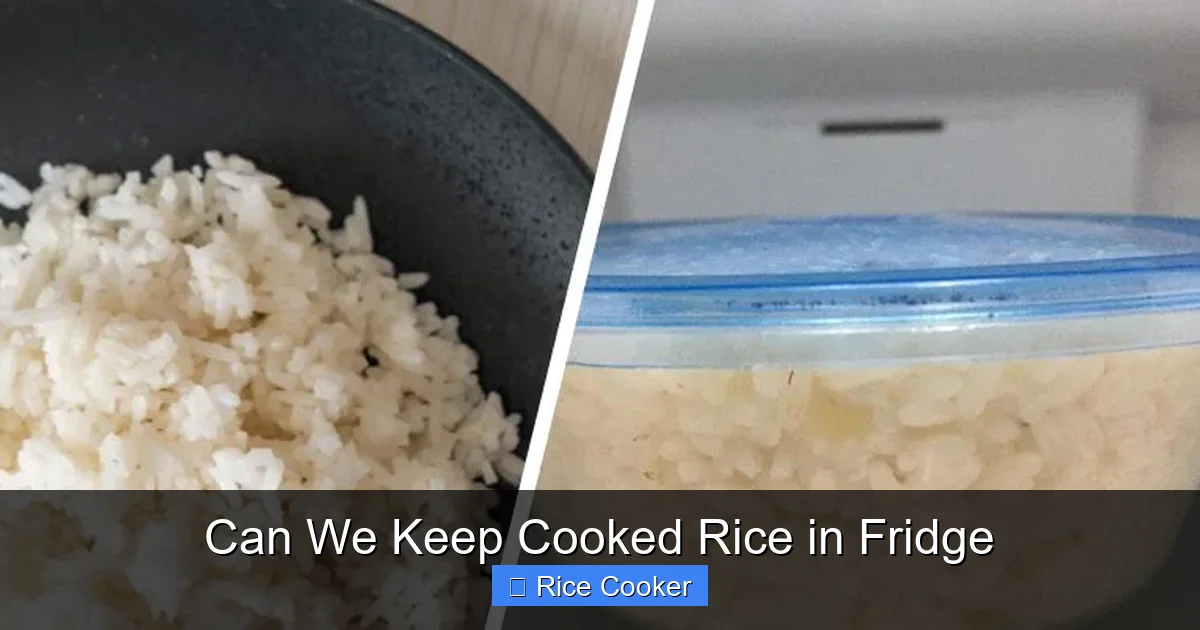
Rice is one of the most consumed foods worldwide, and for good reason: it’s filling, versatile, and pairs well with almost anything. But what makes rice unique—especially when it comes to food safety—is its high starch content. Starch acts as a perfect breeding ground for certain bacteria, particularly Bacillus cereus.
Visual guide about Can We Keep Cooked Rice in Fridge
Image source: recipeofbangladesh.com
The Science Behind Bacillus Cereus
Bacillus cereus is everywhere—in soil, air, and even grains. When raw rice absorbs water during cooking, these spores can survive the heat. If the warm rice is left sitting out, the spores wake up and start multiplying. Unlike other bacteria that die at high temperatures, B. cereus spores are heat-resistant, meaning they can survive reheating and still cause illness.
This is why leaving rice at room temperature for too long is a major no-no. The U.S. Food and Drug Administration (FDA) recommends that perishable foods—including cooked rice—should not sit out for more than two hours. After that, bacterial growth becomes dangerous.
How Long Can You Keep Cooked Rice in the Fridge?
When refrigerated promptly and stored correctly, cooked rice remains safe for 3 to 4 days. This is significantly shorter than many assume—some people believe rice lasts much longer in the fridge, but that’s a myth. After four days, even properly stored rice begins to degrade in quality and safety.
If you’re unsure how long the rice has been in the fridge, trust your senses. Smell, texture, and appearance matter. If it looks slimy, feels sticky, or has an off odor, it’s best to toss it.
Best Practices for Storing Cooked Rice
Storing cooked rice properly is less about luck and more about technique. Here’s how to do it right every time.

Visual guide about Can We Keep Cooked Rice in Fridge
Image source: uhkkfeeqacwcyryreuie.supabase.co
Cool It Fast
Speed is your friend when cooling rice. Leaving it uncovered on the counter allows bacteria to spread while also letting moisture escape, which affects texture. Instead, spread rice in a thin layer on a baking sheet or in shallow containers. This increases the surface area, helping it cool faster.
Aim to get rice from cooking temperature (around 180°F / 82°C) down to refrigerator-safe temperatures (<40°F / 4°C) within two hours. If the kitchen is hot, use an ice bath by placing the container in a larger bowl filled with cold water and ice cubes. Stir occasionally to help the heat transfer.
Use Airtight Containers
Once cooled, transfer rice to clean, airtight containers. Glass or BPA-free plastic containers work best. Make sure they’re shallow—this helps maintain even cooling and reduces the risk of leftover warmth promoting bacterial growth.
Label each container with the date so you can track how long it’s been stored. This is especially helpful when you’ve made a big batch of fried rice or sushi rice and want to rotate older portions first.
Don’t Overfill
Overcrowding containers traps heat and slows cooling. For best results, fill containers no more than halfway full. This gives rice room to cool evenly and prevents condensation buildup, which can lead to sogginess and spoilage.
How to Reheat Rice Safely
Reheating rice properly is just as important as storing it. Many people make the mistake of microwaving rice without stirring or checking for hot spots. This can leave parts undercooked or, worse, promote bacterial survival.
Microwave Method (Best Option)
Place rice in a microwave-safe dish, cover it with a damp paper towel or lid to retain moisture, and heat in 30-second intervals. Stir between cycles. Continue until the rice reaches an internal temperature of 165°F (74°C). Use a food thermometer to check, especially with large portions.
Add a splash of water or broth while reheating to revive dryness and improve taste. This is especially useful for plain boiled rice that may have dried out in storage.
Stovetop Reheating
For even heating, transfer rice to a saucepan. Add a tablespoon of water per cup of rice, cover, and cook over low heat, stirring occasionally. This method works great for fried rice or dishes where texture matters.
Avoid the Danger Zone
Never reheat rice once it’s cooled. Always reheat immediately after removing it from the fridge. Letting reheated rice cool and then refrigerate it again increases the risk of bacterial regrowth.
Freezing Cooked Rice: A Game-Changer
Want to keep rice for weeks—or even months? Freezing is your best bet. Unlike refrigeration, freezing halts bacterial growth completely and preserves texture surprisingly well.
How to Freeze Rice
Spread cooled rice in a single layer on a baking sheet and freeze for 1–2 hours. Once frozen solid, transfer to freezer-safe bags or containers. This prevents clumping and makes it easy to take out just what you need.
Label each bag with the date. Well-sealed, frozen rice can last up to 1 year. Thaw in the fridge overnight before reheating.
Benefits of Freezing Rice
- Longer Shelf Life: Up to 1 year vs. 3–4 days in the fridge.
- Convenience: Portion control means fewer leftovers and less waste.
- Preserved Quality: Texture and flavor remain closer to freshly cooked rice.
Tips for Frozen Rice
When reheating frozen rice, add moisture—either water, broth, or oil—to prevent dryness. Microwave with a damp paper towel or steam in the microwave for best results.
Signs Your Rice Has Gone Bad
Even with proper storage, rice can spoil. Knowing the warning signs helps protect your health.
Visual Clues
Slimy texture, unusual color changes (grayish or yellow patches), or mold are red flags. Fresh rice should look fluffy and uniform.
Smell Test
If rice smells sour, fermented, or just “off”—even slightly—discard it. Fresh rice should have a neutral, grain-like scent.
Texture Matters
Overcooked rice may feel mushy, while spoiled rice often becomes sticky or clumpy due to bacterial activity.
When in Doubt, Throw It Out
Food safety experts agree: if you’re unsure, it’s better to discard the rice. The cost of a sick meal isn’t worth the risk.
Meal Prep Tips for Rice Lovers
For busy households, meal prepping rice in advance is practical—but only if done safely. Here’s how to make it work.
Batch Cook and Store
Cook a large pot of rice on Sunday and divide it into daily portions. Cool quickly, store in containers, and label with dates. This saves time and ensures you always have rice ready.
Use in Multiple Meals
Pre-cooked rice can be used in stir-fries, salads, casseroles, or bowls. Having it on hand reduces the temptation to order takeout or eat unsafe alternatives.
Rotate Stock
Practice FIFO—First In, First Out. Use older rice before newer batches. This minimizes waste and keeps safety top of mind.
Keep a Rice Journal
Track when you cooked and stored rice. A simple notebook or app reminder can help you remember expiration dates.
Special Considerations: Sushi and Fried Rice
Different types of rice require extra care due to ingredients and handling.
Sushi Rice
Sushi rice is typically served fresh and is rarely refrigerated. However, if you make a large batch or have leftovers, store it tightly sealed in the fridge for up to 2 days. Never freeze sushi rice—it becomes mushy upon thawing.
Fried Rice
Fried rice contains eggs, meat, or seafood, which increase the risk of contamination. Always refrigerate within 2 hours and consume within 3 days. When reheating, ensure all components reach safe temperatures.
Vegetarian or Vegan Rice
These are generally safer since they lack animal proteins, but the same cooling and storage rules apply. Avoid adding dairy or mayonnaise, which spoil faster.
Common Myths About Rice Storage
Let’s clear up some confusion.
Myth: Rice Can Last Forever in the Fridge
False. Even with optimal storage, cooked rice shouldn’t be kept beyond 3–4 days. Bacteria multiply fast, and quality declines quickly.
Myth: You Can Leave Rice Out All Night
Absolutely not. Two hours is the limit. After that, you’re in the danger zone.
Myth: Freezing Ruins Rice
Not true. Freezing preserves rice well if done correctly. Just avoid refreezing after thawing.
Myth: Rice Doesn’t Go Bad
All cooked foods spoil eventually. Rice may not “rot” visibly, but it can harbor harmful bacteria.
Final Thoughts: Rice Safety Made Simple
So, can we keep cooked rice in fridge? Yes—but only if you follow the right steps. Cool it fast, store it airtight, and use it within a few days. Freezing extends life and convenience, and reheating properly ensures safety every time.
With these practices, you can enjoy rice confidently—whether it’s leftover fried rice, a side of jasmine rice, or a bowl of comforting risotto. Remember: when it comes to food safety, it’s better to be cautious than sorry. By treating rice with respect, you protect your health and savor every bite.
Next time you cook rice, think beyond the plate. Think about storage, safety, and smart habits. Your future self (and tummy) will thank you.
Frequently Asked Questions
Is it safe to eat rice that’s been in the fridge for a week?
No, cooked rice should not be eaten after 3–4 days in the fridge. After that, bacterial growth increases significantly, and the risk of food poisoning rises. Always check for signs of spoilage and discard if unsure.
Can I reheat rice more than once?
It’s best to reheat rice only once. Each time you reheat and cool rice, there’s a higher chance of bacterial multiplication. To stay safe, reheat immediately after removing from the fridge and consume right away.
Does freezing rice change its taste?
Freezing doesn’t drastically affect taste, but rice may lose some softness. Adding a bit of water or broth when reheating helps restore moisture and flavor, making it nearly indistinguishable from fresh rice.
How do I know if rice is spoiled?
Spoiled rice may smell sour or off, feel slimy or sticky, or show visible mold. Fresh rice should look fluffy and have a neutral aroma. If in doubt, throw it out.
Can I keep rice at room temperature overnight?
No. Per FDA guidelines, cooked rice should not be left at room temperature for more than 2 hours. After that, bacteria can multiply to dangerous levels. Always refrigerate promptly.
Is brown rice safer than white rice?
Both types carry the same risk of Bacillus cereus if not handled properly. However, brown rice has a shorter shelf life due to its natural oils, so it spoils faster. Proper cooling and storage are key for both.